
Gardeners underestimate white currant bushes because they rarely grow them. However, their beneficial properties have been appreciated by those who took the time to plant a few hardy hybrids. Learn how to do this right now.
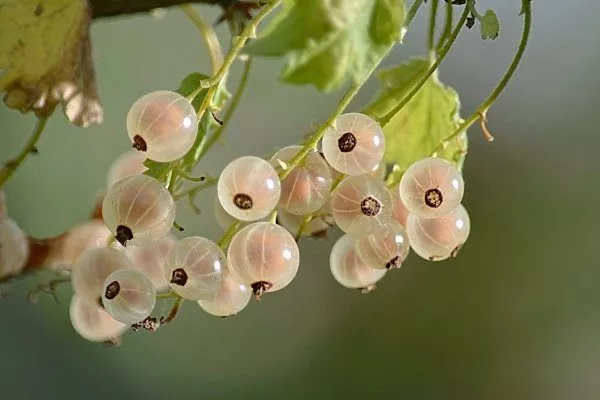
Description of white currant
White currants differ from regular currants not only in their creamy color but also in their flavor. They are popular among older generations, as the small berries help prevent the development of infectious diseases.
The berries are commonly used to make cooling drinks, fruit drinks, and jam. Biologically, this plant is a perennial shrub that thrives in cold climates.
The first harvest can be obtained as early as the second year after planting. However, careful care is required, as insects can easily damage young shoots.
The main care step is to prune weak branches promptly. The flowers of young plants can withstand significant temperature fluctuations, which is why white currants are widely grown in the Leningrad Region.
Advantages and disadvantages
To make a final decision on whether to grow white currants in your garden or not, you can take a closer look at their characteristics.
Like any plant, white currant has a number of disadvantages that are worth highlighting separately:
- The plant cannot boast of ideal immunity to diseases and pests.
- During the summer period, abundant watering is required.
- With age, if the plant is not pruned, it begins to grow, which leads to damage to other crops.
Advantages:
- bears fruit abundantly throughout its life.
- withstands severe frosts down to -30 degrees.
- The berries are beautiful and healthy.
Landing features
To ensure that growing white currants brings more pleasure than expense, it's essential to strictly follow the instructions and adhere to proper growing practices. To avoid insect damage and facilitate care, it's important to choose not only the right variety but also the right planting site.
Ideal time for planting
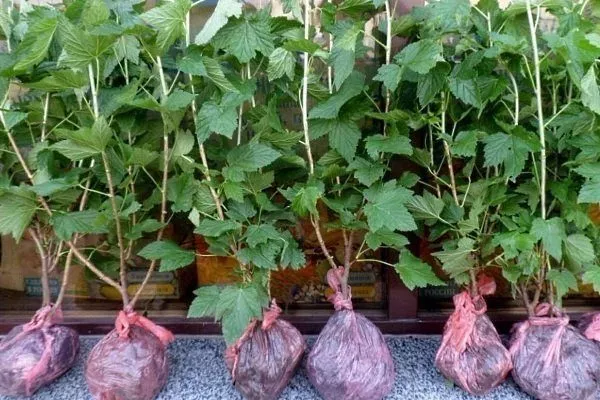
Once the seedlings and variety have been selected in advance, planting can begin as early as late September. The plant tolerates cold well, so the young seedling can be covered with plastic to protect it from mechanical damage.
If the seedling was purchased in early spring, it's best to transplant it outdoors before the weather warms up. Early buds may die if left too long.
Before planting a white currant seedling, it's necessary to prune the young shoots, leaving no more than 15. This will allow the plant to efficiently utilize its resources to survive the cold and sudden temperature drops.
It is important to straighten the roots of a young plant in advance so that the plant can immediately receive nutrients.
Selecting a seedling
The plant's survival depends on the correct selection of seedlings. When purchasing, pay attention to the plant's stem. If it's too wet, the currant was likely improperly stored and will not survive transplantation. Before purchasing, it's important to confirm the variety of white currant.
To grow a strong and sturdy plant in low temperatures and adverse weather conditions, it's best to choose the Yuterburgsky variety. This variety is of unknown origin, but has been actively used by avid gardeners for 30 years. Its main characteristic is that it tolerates frosts well, produces a bountiful harvest, and produces rich, vitamin-rich berries.
Choosing a landing site
Adherence to proper agricultural practices will help avoid a huge number of problems. The plant won't require meticulous and thorough care if you prepare the planting site in advance.
To prevent root disease, young plants should not be planted in a ravine. Even a slight deviation will cause rainwater to stagnate.
The location must be well-lit, as this determines the taste of the future berries. The planting hole is usually prepared a month in advance. The soil and fertilizer must settle before the young plant finds its permanent home.
It's worth noting that white currants like to spread their branches, so they need plenty of space to thrive. Seedlings are usually planted along a fence on the sunny side of the property.
Soil preparation and fertilization
A plant must be properly nourished from the moment it's planted. Often, soil that's been depleted of nutrients is used for garden plots. Therefore, before planting it in its permanent location, it needs to be properly fertilized.
- ✓ The optimal soil pH should be in the range of 6.0-6.5.
- ✓ The soil must be well drained to avoid water stagnation.
The easiest way is to enrich the soil with manure. The standard ratio is 7 to 10 kg of manure per square meter. To protect the plant from bacteria and early pests, you can add a cup of ash per square meter.
Planting diagram
The more white currant bushes a grower can accommodate, the more abundant the berry harvest will be. Therefore, experienced specialists recommend planting the plants according to a specific, proven pattern. The hole should be no more than 60 cm in diameter and 50 cm deep.
It's worth noting that the plant will grow larger over the years. To prevent branches from tangling, plant the neighboring tree at least 1.5 meters apart. This will help control the spread of disease and pest problems.
Growing and caring for white currants
White currant care largely depends on the variety chosen. If the hybrid was chosen based on the local conditions, then care for the young bush will be minimal.
Soil care
To ensure the plant thrives and avoids stress after transplantation, the soil must be properly fertilized. Experts highlight the following nuances and methods for proper fertilization:
- each bush is separately fertilized with 80 g of saltpeter;
- To ensure that the shoots can survive a sudden drop in temperature, 0.5 cups of superphosphate is added separately to the soil;
- In the spring, phosphorus, potassium and ash are added.
The final fertilizer application is a personal choice. The richer the soil, the sweeter the future berries will be. You can use either your own mixture or a commercial one.
The soil must also remain loose to allow the required amount of moisture and oxygen to reach the roots. In northern regions, heavy soil is common, which can become hard.
To obtain a high-quality harvest, the soil must be periodically loosened and weeded.
Pruning and shaping the bush
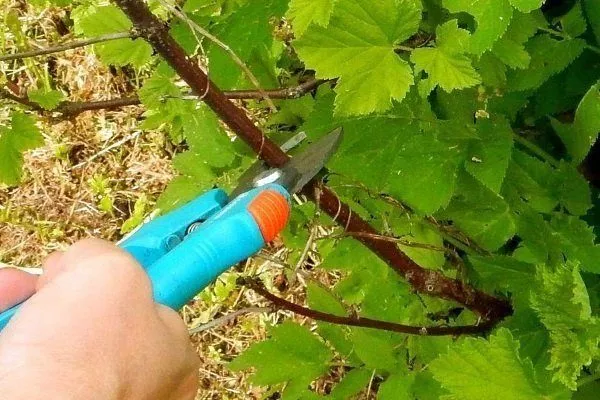
White currants require pruning throughout their life. To prevent the bush from wasting energy regenerating weak parts, weak branches are trimmed with pruning shears. This is the only way to prevent a weakening of the overall immune system.
Proper pruning can also have a positive impact on the harvest. Experienced gardeners have discovered an interesting fact: the more foliage a plant has, the more berries it will produce per season. Therefore, it's important to increase the foliage during the first 2-3 years. Pruning should only be done in extreme cases. Subsequently, only non-fruit-bearing branches are pruned.
Watering
White currants don't tolerate soggy soil. However, planting them in hilly areas is also not recommended, as root development will be inhibited. Watering is typically done several times a month during dry periods.
Experienced gardeners and horticulturists combine this process with fertilizing. In areas with predominantly damp and cloudy weather, watering is not required at all.
Top dressing
White currants require more meticulous care than red currants. The plant prefers light, open space, and acidic soil. Therefore, the bushes need to be fertilized several times per season.
- At the beginning of spring, apply 80 g of saltpeter per bush.
- Before flowering, add 0.5 cups of superphosphate.
- After harvesting, fertilize the soil with ash and potassium fertilizers.
However, with proper care, white currants will reward you with a rich and sweet harvest that will make all the effort worthwhile. Fertilize before flowering and after harvest. Mineral and organic matter can be used as fertilizer. Manure is a good choice, as it contains a high concentration of nutrients.
It's also best to combine fertilizing with commercial minerals and vitamins with watering. Use no more than 40 g of mineral fertilizer per bucket. It's important to remember that overfeeding is just as dangerous as underfeeding.
Harvesting
To obtain a concentrated supply of beneficial vitamins and nutrients, white currants are best eaten straight from the bush. The plant will produce its first harvest in its second or third year.
Unlike other berries, the harvest doesn't necessarily have to be picked immediately; the bunches hang until the first frost. Therefore, if a gardener can't get there at the end of the season, they can be picked until late autumn.
The first sweet berries appear in late July. If the plant is grown in the northern part of the country, then in late August. After harvesting, the berries should not be stored for long, as they begin to sour and lose their flavor. If the harvest is bountiful, you can make wine or jam.
Preparing for winter
After the harvest has been gathered and weak branches have been pruned, the plant needs a final feeding. Since the bush doesn't bear fruit during the winter and sheds its leaves, it's important to ensure the roots receive the concentrated vitamins. If the plant has suffered from insect infestations, it can be sprayed with a chemical fertilizer.
Experienced gardeners recommend covering the young bush with plastic or tarpaulin during the first year. Despite its robust appearance, white currants will not survive their first winter due to external factors such as heavy snowfall or frequent rain. Many also tie up the young plant.
You can find more information about the proper care of currant bushes in the autumn from this article.
Reproduction methods
Propagating your favorite plant in your garden will save you money on seedlings. However, only experienced gardeners know how to do this correctly. Following these guidelines, even a novice can propagate using both cuttings and horizontal layering. All it takes is a little patience and basic gardening skills.
Cuttings
This method is used primarily in the spring, before the first buds appear. As with red currants, the gardener must select a mother bush. A mature and healthy plant should be chosen for further propagation.
When working, it is necessary to use clean tools, as gardeners often spread a large number of diseases in this way.
The shoot to be cut should be no more than 1 cm in diameter. There are several reasons for choosing this thickness:
- The shoot does not bear fruit, which means all energy will be directed towards the development of the root system.
- In case of failure, no harm will be caused to the plant and the gardener will not lose the harvest.
Experienced gardeners use strong, one-year-old cuttings. The lower ones are the strongest, take root well, and yield a 90% success rate. Prepared cuttings should be replanted in mid-spring, when the sun begins to actively warm the soil.
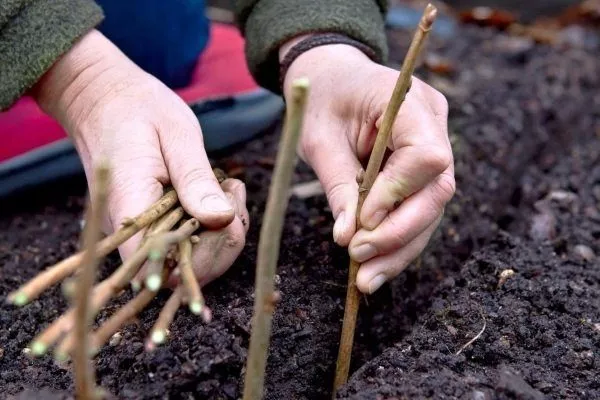
To protect the cutting from the approaching last frosts, you can cover it with plastic. Fertilize the soil with minerals and manure beforehand.
Horizontal layering
Propagation by horizontal layering is popular and simple. This method is widely used by novice gardeners. For propagation, use only the best shoots that have produced abundant crops over several years.
Once the selection has been made, the branch is carefully bent to the ground and tied. For best results, the furrow is dug in by 4-5 cm.
Once all the steps have been completed, you can fertilize the area where the new plant will grow. Propagation is best done in dry weather; water the plant lightly afterward rather than allow it to rot.
If the branch resists and bends in the opposite direction, it can be covered with soil a few more centimeters.
Diseases and pests of white currants
Like any other plant, white currants have their share of pests and diseases. The most common insects that are always eager to destroy the harvest include:
- Caterpillars – actively attack the foliage during the flowering period. If their activity is not stopped, the white currant will waste resources on system restoration rather than on yield.
- Kidney moth – a dark butterfly with white stripes. It begins attacking plants as early as budding. It feeds on nutrients and reproduces rapidly. After its attacks, it leaves behind a diseased plant and a lack of harvest.
- Currant aphid – can be confused with a common midge. However, small burgundy spots appear on the leaves. If left untreated, the plant will die within a year.
Common diseases of white currant:
- powdery mildew;
- anthracnose;
- rust;
- striped mosaic;
- terry.
Most diseases are caused by insects such as currant mites, woodlice, and gall midges. These pests leave behind damaged stems and leaves, which over time begin to drain the energy from healthy shoots.
Proper care and treatment of your plants will help you avoid unnecessary hassle. However, choosing the right hybrid, one that won't inherit its parent's predisposition to disease, is also crucial.
The best varieties of white currants
Varieties should be selected based on their location. If a hybrid variety is less susceptible to disease, it won't survive even the slightest frost.
Moreover, gardeners will be able to control the harvest time and berry size. Experts have developed several new varieties that will allow for the earliest possible harvest of this valuable berry.
Large varieties
| Name | Productivity | Disease resistance | Frost resistance |
|---|---|---|---|
| White English | High | Average | High |
| White Belyana | Very high | High | High |
| Great White | Average | Low | Average |
Today, we can identify certain varieties that are not susceptible to disease and produce a bountiful harvest of large berries:
- White English – a high-quality variety used for commercial purposes. The berries are juicy and sweet, retaining their aroma even after heat treatment.
- White Belyana With proper care, it produces a bountiful and early harvest of large berries. Its main distinguishing feature is its sweetness and exceptional flavor. The plant tolerates frosts well.
- Great White – if the gardener has little free time. The plant will produce a stable, medium-sized harvest of large berries with minimal care.
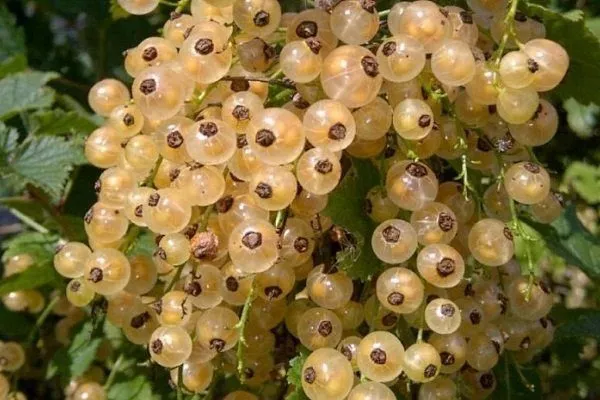
currant variety "White English"
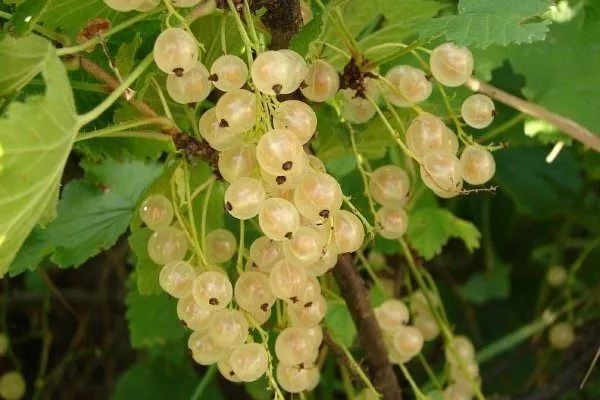
currant variety "White Belyana"
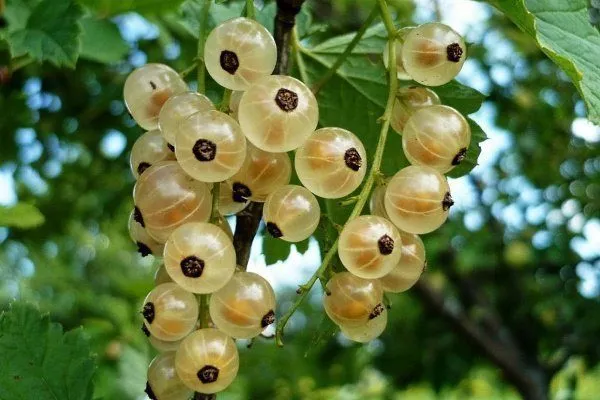
currant variety "Big White"
Sweet varieties
| Name | Sugar content | Disease resistance | Ripening period |
|---|---|---|---|
| Versailles White | High | Average | Early |
| Dutch pink | Very high | High | Average |
| Dessert | Very high | High | Early |
Sweet varieties are used to make fruit drinks, juices, and wines. In this case, the size of the berries doesn't matter, as long as they are fragrant and honey-like. Today, there are three particularly effective hybrids suitable for growing in any location:
- Versailles White The berries are small and creamy. This variety is ideal for wines and fruit drinks. The plant requires little maintenance and has a strong immune system.
- Dutch pink – perfect for fruit drinks. The berries are sweet and have a pleasant tartness due to the concentrated vitamin C.
- Dessert – the name speaks for itself. The sweetest variety, with a high and abundant yield. With proper feeding, it has a distinct honey flavor.
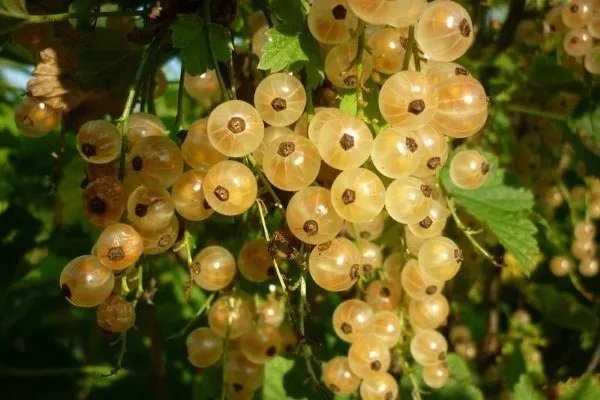
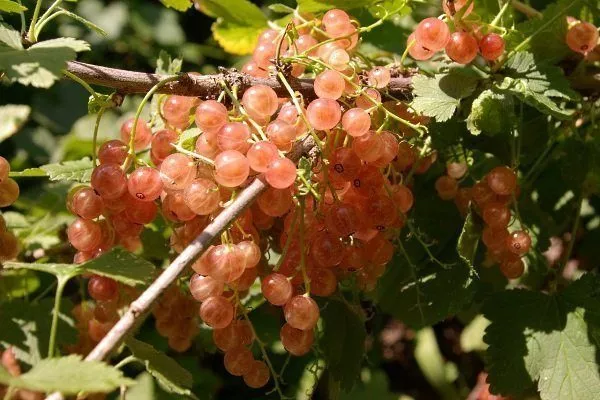
currant variety "Versailles White"
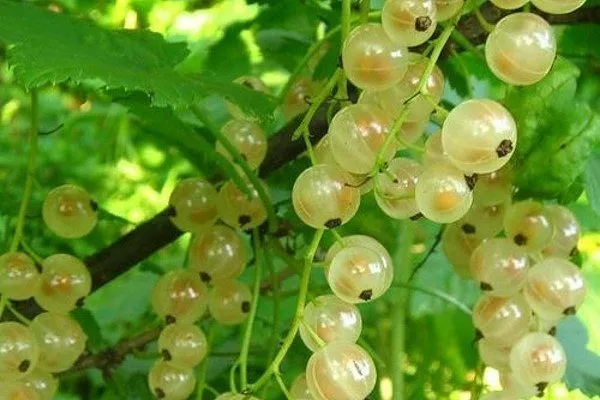
currant variety "Dutch Pink"
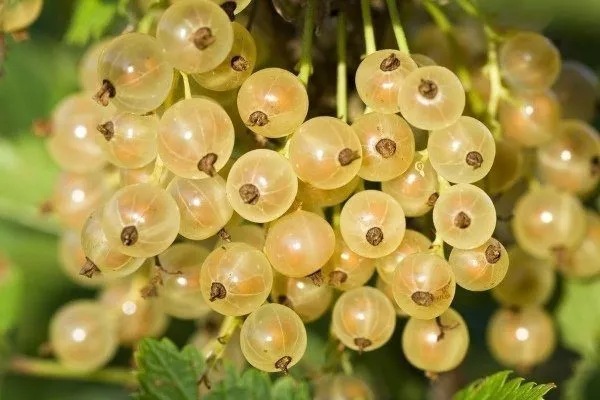
currant variety "Dessertnaya"
Early varieties
| Name | Productivity | Disease resistance | Ripening period |
|---|---|---|---|
| Ural white | Average | High | Early |
| Jumper | High | High | Early |
Every gardener dreams of getting their harvest before everyone else. However, these plants are often fussy, and the harvest barely survives until early September. To enjoy high-quality, beautiful bunches of grapes throughout the season, you can choose the most productive variety:
- Ural white – requires no constant care. The plant has exceptional immunity and survives winter well.
- Jumper – a tall and vigorous bush. This variety is often used for decorative purposes. However, the plant boasts good fertility and insect resistance.
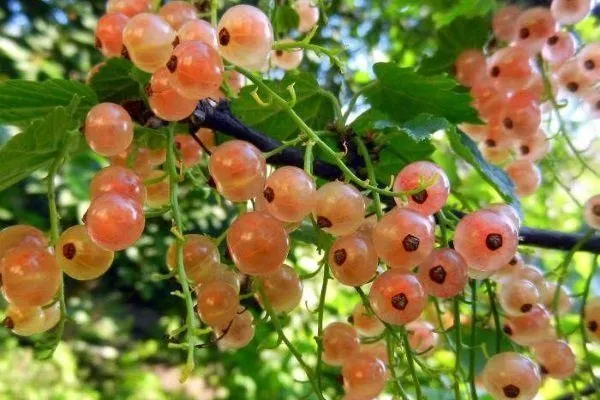
currant variety "Ural white"
currant variety "Prygazhunya"
Medium grades
Mid-season varieties rarely boast abundant yields or vibrant flavors. However, these plants require the least care; they have well-developed immune systems and rarely suffer from disease. The main varieties include:
- White Potapenko.
- White Fairy.
- White Boulogne.
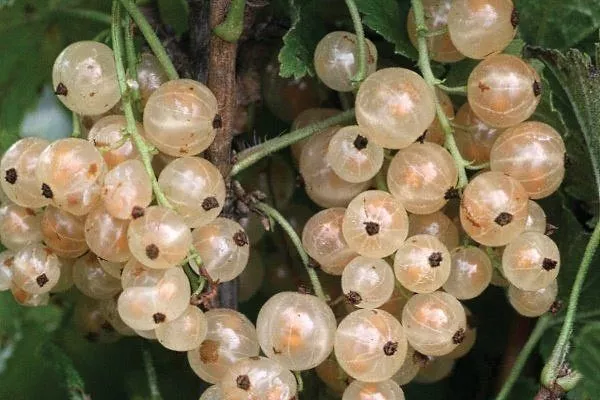
currant variety "White Potapenko"
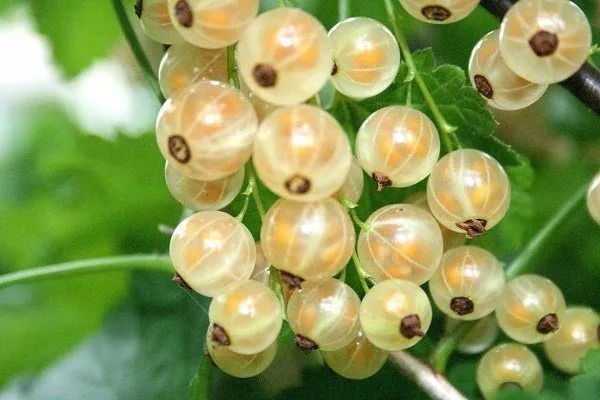
currant variety "White Fairy"
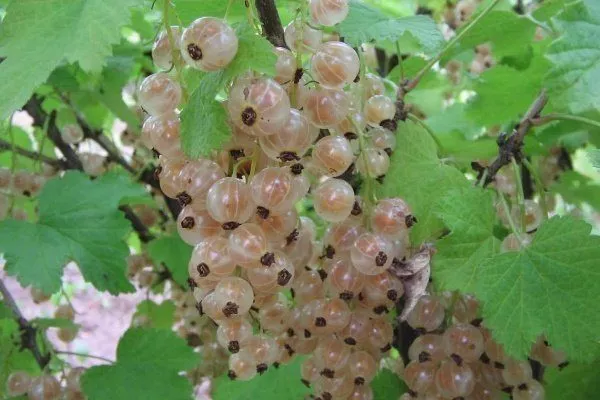
currant variety "White Boulogne"
The branches are resistant to natural disasters. The plant will withstand harsh winters and heavy snowfall. Although the yield is average, due to its strong immunity, it often produces more than larger varieties. For those who cannot visit the plant throughout the growing season, this is an ideal option.
Beneficial properties
White currants are used to make special liqueurs and jams. Those who have been picking berries for a long time know that the fruits contain a high concentration of nutrients and vitamins. It's worth noting the main properties of white currants:
- Berries contain a large amount of vitamin C. Eating fresh fruits improves immunity.
- Older people love berries because they contain an abundance of vitamin A, which improves vision and memory.
- Tinctures made from white berries improve gastrointestinal function and cleanse the liver of toxins.
- Regular consumption of berries reduces the risk of tumors and malignant cancer.
- The fruits contain a lot of fiber.
The leaves are also often used medicinally. White currants accumulate beneficial elements not only in the berries but also in the bunches themselves.
After cleaning, excess leaves and bunches are brewed as tea or made into a special decoction. People suffering from genitourinary diseases use decoctions for cleansing. Rejuvenating oils and creams are made from the leaves.
Contraindications to the use of white currants
Due to the abundance of vitamins in its composition, it often exacerbates allergies to one of the groups. Therefore, before using it, it is necessary to check with a physician for any intolerance to vitamins A, B, and C.
Despite this warning, there's no need to worry about negative effects on the body. Experts only highlight a few cases where consuming large amounts of berries can lead to negative results:
- digestive diseases – due to the large amount of acids, stomach ulcers can be aggravated;
- General intolerance – extremely rare in young children.
White currants, consumed in moderation, are unlikely to have any negative effects. It's important to exercise moderation even when drinking homemade liqueur or wine.
Gardeners' reviews of white currants
White currants boast a vast list of beneficial and medicinal properties. Several centuries ago, they were used to treat and prevent illnesses, and even today, many doctors recommend them. Planting them in your garden is easy; the perennial bushes require minimal attention throughout their life. The plant tolerates cold and sudden frosts well, so you can always delight your family with homemade jam, fruit drink, or liqueur.