
The Bagheera currant is attracting attention for its potential for good yields and excellent berry flavor. It is resistant to frost and prolonged drought. This variety has become popular among gardeners in our country, and after many years, it is a popular choice for gardening. With proper care, the plant will reward you with generous, high-quality harvests.
History of selection
It was developed in the Tambov Region at the Michurin Federal Research Center. The authors are T. S. Zvyagina and K. D. Sergeeva. Two well-known varieties were used for breeding: Minai Shmyrev (Belarus) and Bredtorp (Sweden). The work was completed in 1985, but the crop was not added to the State Register until 1994.
Today, this large-fruited variety is widely grown in the Middle Volga, Volga-Vyatka, and Northwestern regions. It is also successfully cultivated in Siberia and the Urals.
Characteristic features
Blackcurrants are a common sight in gardens across Russia. There are many varieties of this plant, but some are particularly popular among gardeners. One such variety is Bagheera. Its catchy name is justified: it has virtually no drawbacks.
Appearance of the bush
The plant is medium-sized, semi-spreading, and well-foliated, creating a dense and bushy appearance. It reaches a height of approximately 2 m.
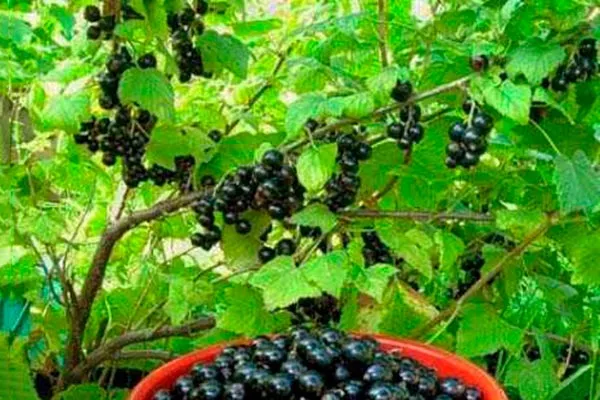
Distinguishing characteristics:
- Escapes – The medium-thick branches are initially light green, but with age they become light brown and covered with pubescence, and on woody branches yellowish tints sometimes appear.
- Kidneys – small, solitary, ovoid with a pointed tip and yellowish-brown color.
- Leaves - The five-lobed, medium-sized flowers have a matte, leathery texture and wavy edges, and are light green or green in color. The bush retains its foliage until frost, making it convenient for those using it for tea or preserves.
- Flowers – medium-sized, goblet-shaped.
Currant bunches reach 3-6 cm in length, containing from 4 to 7 berries in each.
Berries and their taste qualities
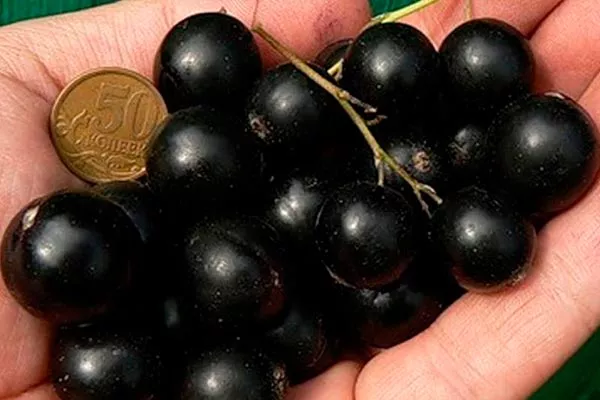
The fruits are black and large, weighing between 1.1 and 2.3 g. They are round or slightly flattened. The shiny, medium-thick skin ensures easy, dry peeling and the ability to transport the harvest over long distances.
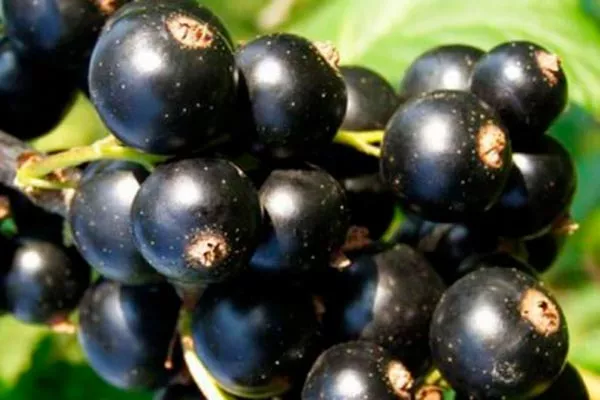
The flesh is tender, very juicy, and sweet and sour, with a distinct sweetness, making this variety especially popular with children. Fresh berries received a high tasting score of 4.5 points.
Resistance to environmental conditions
Bagheera has excellent frost resistance, able to withstand temperatures down to -32°C. The variety tolerates drought and prolonged periods of drought, which is especially important for regions with hot, dry summers.
Productivity and fruiting
It begins bearing fruit in the third year after planting and produces a consistent yield of 3 to 5 kg per bush per year. The berries ripen simultaneously and do not fall or crack, making them convenient for transportation, storage, and sale. Some gardeners harvest the fruit mechanically.
Scope of application
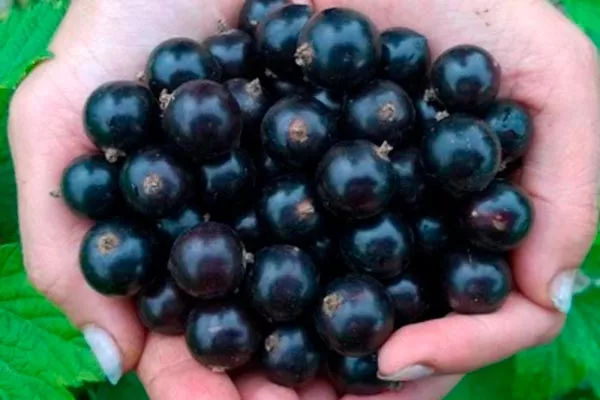
The fruits are used in home cooking: they are added to cakes, pastries, fruit drinks, jams, liqueurs, and more. Currants are also delicious fresh. They are often dried for years, which retains their beneficial properties. They are used in kissels, yogurts, dumplings, baked goods, cocktails, and sorbets.
Pollinator varieties
It's self-fertile—it doesn't require other blackcurrant varieties to be planted nearby to produce a harvest, as it pollinates itself. However, some gardeners still grow other varieties nearby for variety, such as 'Izumnaya' or 'Zelenaya smoky'.
Advantages and disadvantages
Bagheera has remained popular among gardeners for over two decades due to its numerous advantages. The following positive qualities are noted:
The variety's disadvantages include susceptibility to bud mites and moderate resistance to some fungal diseases, but modern protective preparations help successfully cope with these problems.
Growing technology
To obtain a bountiful blackcurrant harvest, it's necessary to create optimal conditions, including the right temperature, lighting, and the right choice of neighboring plants. It's important to follow certain guidelines.
Landing dates and location
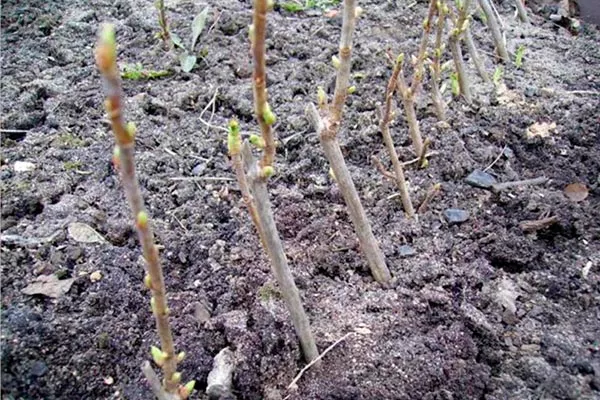
Choose areas previously occupied by gooseberries or currants, as these will result in poor growth and a small harvest. This variety prefers light partial shade, as direct sunlight can cause sunburn. Full shade will cause the plant to stretch and the berries to lose their sweetness.
Helpful tips:
- To protect the plant from winds, plant it along a fence or wall, which will help prevent freezing in winter due to snow accumulation.
- When planting, keep in mind that currants will grow in the same spot for more than 15 years, so choose loose, fertile soil—sandy loam or loamy, slightly acidic or neutral. Heavy, saline, or sandy soil is unsuitable.
- It's important to keep the groundwater level no higher than 50 cm from the surface, as the root system is located at a depth of no more than 40 cm, and stagnant water can lead to the death of the plant. Avoid growing seedlings in waterlogged areas.
Plant in spring or fall. In spring, complete the process before the sap begins to flow and the buds begin to swell, allowing the plant time to establish itself. In fall, plant in late September or early October to allow the seedling time to adapt before the first frost.
Selection of seedlings
To ensure long and healthy fruiting, choose high-quality planting material. When choosing, consider the following:
- Aboveground part - up to 30-35 cm in height, consisting of 1-2 strong branches.
- Escapes – healthy, with elastic bark and resilient, without damage.
- Root system – up to 20 cm long, with 2-4 branches covered with a special network of additional roots.
- ✓ The presence of a network of additional roots on the root system indicates good survival of the seedling.
- ✓ The elasticity of the shoot bark is a sign of the health of the seedling.
Experienced gardeners recommend leaving stumps 5-10 cm long underground, which promotes the formation of a healthy and strong bush.
Site preparation
When planting currants in the fall, prepare the site 4 weeks before the planned planting. If you plan to plant the seedlings in the spring, dig the hole in the fall. The preparation process includes the following steps:
- Clean and level the area.
- Dig over the soil. Avoid large clods.
- If the soil is highly acidic, apply lime by adding burnt lime or dolomite flour (450 g per 1 sq. m).
- Dig holes 40-45 cm deep and up to 50 cm wide.
- Set the top layer of soil aside. Add 3-4 kg of manure and 200 g of complex mineral fertilizer. You can use potassium sulfate (30 g), ash (180 g), and granulated superphosphate (150 g).
- Mix all ingredients thoroughly and place into the pit.
- Add 20-30 liters of water to prevent soil settling after planting.
Step by step process
To ensure currants take root quickly, it's important to plant them correctly. Follow these instructions:
- Remove some soil from the hole.
- Deepen the root collar of the seedling by 6-9 cm, placing the plant at an angle of 45°.
- Spread out the roots and additional roots, then fill in with soil, filling all the gaps. At the same time, moisten with water (about 40 liters per bush).
- The soil around the seedling is compacted and mulched.
- ✓ The seedling planting depth should be at least 6-9 cm at an angle of 45° to stimulate the development of additional roots.
- ✓ Mulching is mandatory after planting to retain moisture and prevent weed growth.
To form a strong plant, some gardeners prune the seedling, leaving no more than 10 cm above the ground, but this pruning delays the harvest the following year.
Further care
Currants will produce good harvests with proper care. They respond well to simple agricultural practices.
Watering
Lack of regular irrigation can weaken the plant, leading to smaller berries and reduced juiciness. Water the bush 1-2 times a week, depending on weather conditions. It's important to ensure the soil is moist to a depth of at least 40 cm, which typically requires 40-50 liters of water per square meter.
It is especially important to maintain regular watering during the following periods:
- at the end of May, during the period of intensive growth of shoots;
- in the first ten days of July, when the color of the berries changes;
- after harvesting the fruits, so that buds are formed for the next harvest (in dry autumns, carry out the procedure at the end of September).
Loosening the soil
After each watering, loosen the soil to oxygenate it, which promotes better root development, especially in young plants. This procedure improves soil aeration and helps prevent crust formation, which is important for healthy currant growth.
Fertilization
Apply the first fertilizer immediately after planting, then repeat it after two years, and then make it regular. Recommended fertilizers include superphosphate, potassium sulfate, organic additives, and urea.
After harvesting, apply 50 g of superphosphate and up to 20 g of potassium sulfate under each seedling. Avoid applying nitrogen fertilizers during this period, as they can stimulate vigorous growth of young shoots, which can be damaged by frost.
In early spring, add urea to the soil: about 50 g for young bushes, and 20 to 40 g for older plants (over 5 years old). Apply half the dose before flowering, and the remaining after. In summer, organic fertilizers such as cow manure or bird droppings are beneficial. Apply 5-10 kg of organic matter under each plant, which serves as a good mulch.
Wintering
Bagheera currant has good frost resistance, but if necessary, cover it for the winter, especially if little snow is forecast.
First, water the plants using a sprinkler and tie them up. Cover the plants with a breathable material to protect them from cold and moisture.
Bush formation
After planting the seedling, begin shaping it. Follow these recommendations:
- In the first year, cut the shoot by 1/4 or 2/3 of its length.
- In the spring of the second year, remove all shoots, leaving only 3-5 of the strongest, which will become the main skeletal branches.
- In summer, pinch off two buds on each of them to stimulate the growth of new shoots and fruit branches.
- In the spring of the 3rd or 4th year, prune the newly grown shoots, leaving 4-6 of the strongest. Trim the tips of last year's branches.
This approach promotes the formation of a healthy and strong bush within five years, consisting of 3-4 shoots of varying ages. Raise or prune low-growing shoots to prevent them from rooting and becoming overgrown.
Growing features depending on the region
In southern regions, sprinkler irrigation is recommended for blackcurrant cultivation. Apply water in the morning or evening, as excessive moisture can cause sunburn in hot weather.
In the central and northern regions, apply complex fertilizers such as Berry Bushes or Magic Watering Can. These substances help strengthen the plant's immune system and promote the growth of large, tasty berries.
Diseases and pests
This currant variety is susceptible to various diseases and insect attacks, requiring regular spring treatment. While not all gardeners enjoy spending time and money on plant protection, many are willing to do so for the sake of delicious berries.
Common difficulties and ways to cope:
| Problem | Place of defeat | Measures taken | Processing time | Prevention |
| Powdery mildew | Gray coating on leaves, fruits and shoots. | Spraying with a solution of soda (30 g), laundry soap (40 g) and water (10 l). Use of Fitosporin (60 ml per 10 l). | Twice after flowering with an interval of 15 days. | Digging in spring with fertilizers containing phosphorus or potassium, weeding, application of copper sulfate before bud formation. |
| Anthracnose | Brown spots on leaves, early leaf fall. | Using Bordeaux mixture (1%) or colloidal sulfur solution (100 g per 10 l) | At the first signs of damage. | Digging up the soil, treating it with a solution of copper sulfate until the sap starts to flow. |
| Goblet rust | Orange spots on leaves, leaf fall. | Bordeaux mixture (1%) is effective. | Before the leaves appear and twice after flowering with an interval of 10 days. | Cleaning and burning of affected areas. |
| Kidney mite | Penetrates the kidneys, disrupting their growth. | Pruning and burning branches with puffy buds, spraying with a garlic solution (150 g per 10 l of water). | Before flowering. | Planting next to onions and garlic, spraying seedlings with colloidal sulfur (40 g per 10 l of water with the addition of Fufanon). |
| Currant leaf gall midge | Damages young leaves. | Pruning and burning of areas with gall midge larvae, treatment with a 0.3% solution of Karbofos (30 ml per 10 l of water). | Before flowering – 2 times with an interval of 10-14 days. | Thorough spring digging, mulching with peat (6-7 cm). |
| Currant bud moth | Damages buds and berries. | Use of 1% solution of Karbofos or mustard powder (150 g per 10 l of water). | Before bud break – twice with an interval of 10-14 days. | Rejuvenating pruning in spring and cutting old branches in autumn. |
Harvesting and storage
The harvest time for Bagheera currants depends on climate conditions and the region, but is typically late July to early August. The fruits ripen simultaneously and remain on the branches for a long time, preserving their flavor. Store the fruits either fresh or frozen.
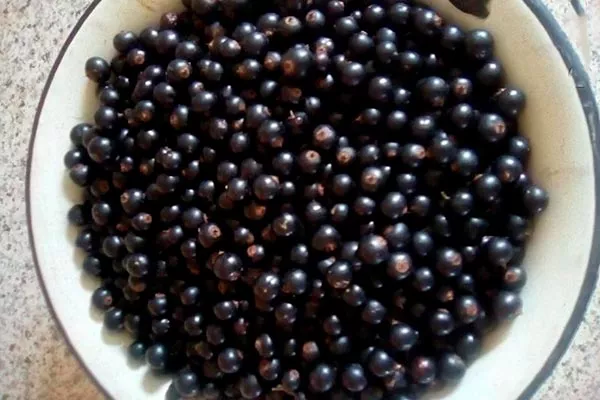
At room temperature, berries remain edible for about a week. For longer storage (up to two months), place them in a dry plastic bag, preferably in bunches, after sorting them. Keep the bags at a temperature of around 0°C.
Reproduction
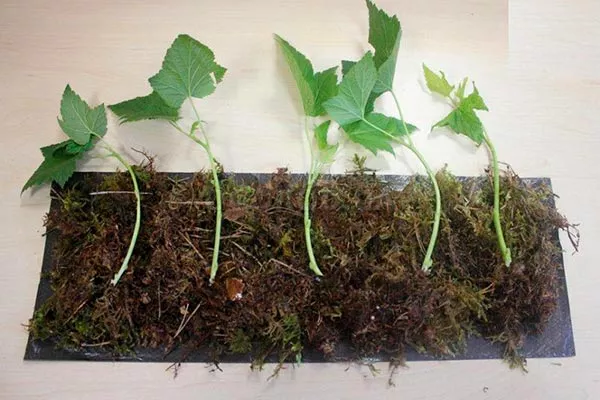
Blackcurrants are propagated vegetatively using cuttings and layering. To increase the number of seedlings at home, follow these guidelines:
- Prepare cuttings in spring or autumn, choosing healthy and large bushes for this.
- After harvesting, plant the cuttings immediately, watering them generously with warm water.
- The main advantage of cuttings is the preservation of all the varietal characteristics of the plant.
Reviews from summer residents
Bagheera currant is a worthy choice for gardeners looking for a variety with excellent flavor and robust health. It delivers consistent yields, is drought-resistant, and adapts well to a variety of climates. With proper care, yields can be increased.