
The Azhurnaya variety is highly sought after by gardening enthusiasts. It's easy to grow and produces a surprising number of large berries every year. However, proper cultivation practices are essential, especially during budding and ripening. Blackcurrants are prized for their flavor and high nutritional value.
History and distribution area
The Azhurnaya blackcurrant is the result of the work of Russian breeders L. V. Bayanova, T. P. Ogoltsova, and S. D. Knyazev from the All-Russian Research Institute of Fruit Crops. The cultivated varieties Lentyai and Ershistaya were used in the development of this variety.
After extensive varietal testing, this variety was registered in the State Register in 2001. It is ideal for cultivation in the Central, Volga-Vyatka, and Central Black Earth zones.
Description of the bush and fruits
The plant is medium-sized, slightly spreading but sparse. Young shoots are green, medium-thick, glossy, and hairless. Older branches are grayish-yellow, also glossy, and have a yellowish tip.
Please note other varietal characteristics:
- The plant's buds are arranged in a row, solitary, pinkish-purple, ovoid, and slightly pointed at the tip. The apical bud is free-standing and comparable in size to the lateral buds.
- The leaves are five-lobed, large, dark green, glossy, wrinkled, and slightly wavy. The central lobe is narrowed, triangular, with a widened base, slightly longer than the lateral ones, and has a sharp, elongated tip. The lateral lobes are shortened, the notches are shallow, and the angle between their veins is right.
The upper side of the lateral lobes is straight, while the lower side is slightly slanted. The basal lobes are faintly visible, with veins directed toward the leaf apex or spreading. The notch at the base of the leaf is very shallow, open, and wide. The teeth are small, sharp, and broad. The leaf petioles are medium in length and thickness, brightly colored, and covered with hairs. - The flowers and petals are richly colored, and the brush is medium-sized and has a dense structure, with a slight fluff on the axis.
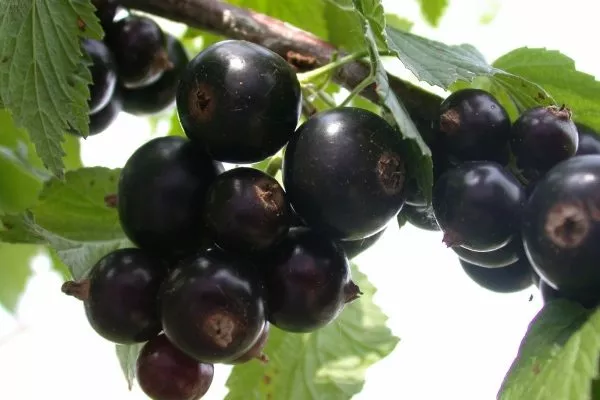
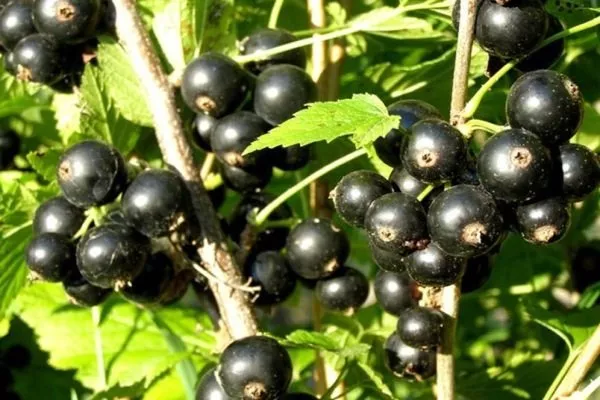
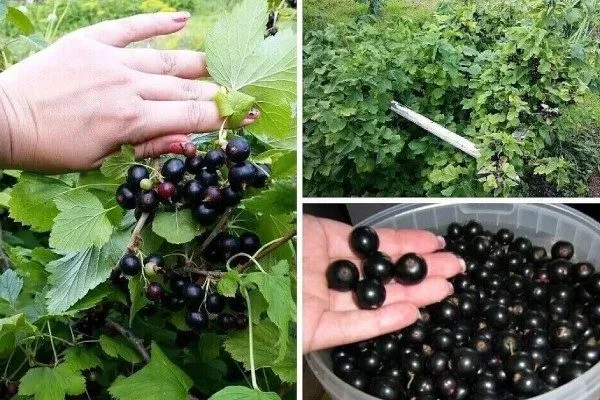
- The fruits weigh about 1.6 g, are black, oval-round, with a moderate number of seeds, medium-thick skin and a dryish separation.
- The calyx is round, medium-sized, tightly closed, the stalks are medium-length and straight.
- The berries have a sweet and sour flavor with a rating of 4.4. The fruits are suitable for a variety of uses, from raw consumption to cooking.
Chemical analysis has the following indicators:
- soluble solids – 11.1%;
- amount of sugars – 7.8%;
- titratable acidity – 3.3%;
- ascorbic acid – 159.0 mg/100 g;
- anthocyanins - 193.7 mg/100 g;
- leucoanthocyanins – 231.7 mg/100 g;
- catechins – 262.7 mg/100 g;
- the amount of P-active substances is 688.1 mg/100 g.
Main characteristics
This variety boasts increased winter hardiness, self-pollination (59% self-fertility), and resistance to powdery mildew and columnar rust. However, it is moderately susceptible to anthracnose and bud mite.
There are other characteristic qualities:
- Suitable for mechanized harvesting.
- The ripening period of Azhurnaya is in the average range – it begins to bear fruit around the third ten days of July.
- Currant productivity is excellent, with a yield of 74.6 centners of berries per hectare, while official documents mention a maximum of 110 centners per hectare. The average yield per bush is 1.6 kg.
- It has a high degree of self-pollination, which allows it to be grown without the need for additional pollinating donors.
Growing the Azhurnaya currant
Azhurnaya bushes can be planted in either spring or fall, but gardening experts prefer the latter, especially in areas where temperatures don't begin to drop until mid-October. In spring, it's important to plant before the sap begins to flow.
- ✓ The optimal soil acidity for the Azhurnaya currant should be within the pH range of 5.5-6.5, which is not indicated in the article.
- ✓ The distance between bushes when planting should be at least 1.5 meters to ensure sufficient nutrition area and air circulation.
Selecting a location and soil
Currants should be planted in areas with full sun, although they can tolerate partial shade. Choose locations where the plant will receive at least 6-8 hours of direct sunlight per day.
It's important that the chosen location be protected from strong winds. The variety prefers rich, well-drained soil with a neutral or slightly acidic pH in the range of 5-6.
Soil preparation
To plant the Azhurnaya currant, it's important to carefully prepare the soil. The basic steps are:
- Cleaning. Clear the future beds of all weeds and plants that could interfere with the young currant bushes. Pay attention to the roots as well—they shouldn't remain in the soil. Spray the area where you plan to make the holes with boiling water or a warm solution of potassium permanganate. This will disinfect the soil.
- Loosening. To improve the soil structure, you can deep till or simply loosen it. This will increase its aeration and moisture retention.
- Fertilizing the soil. You can use complex mineral fertilizers containing nitrogen, phosphorus, and potassium. It's best to choose the dosage and application method based on a soil analysis. It's helpful to add humus or peat to the planting holes to improve the soil structure and provide the plants with essential nutrients.
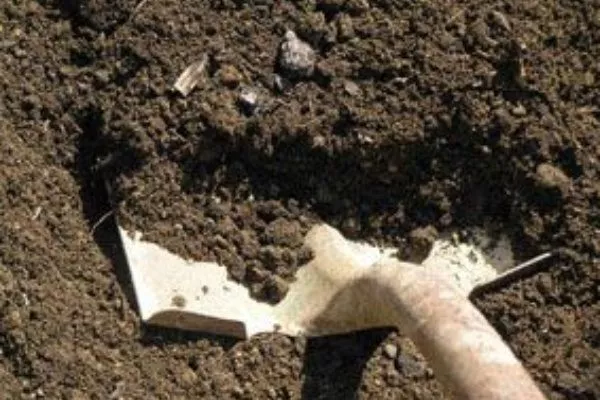
Properly prepared soil before planting ensures the best conditions for growth and development, and also ensures high productivity rates.
Landing
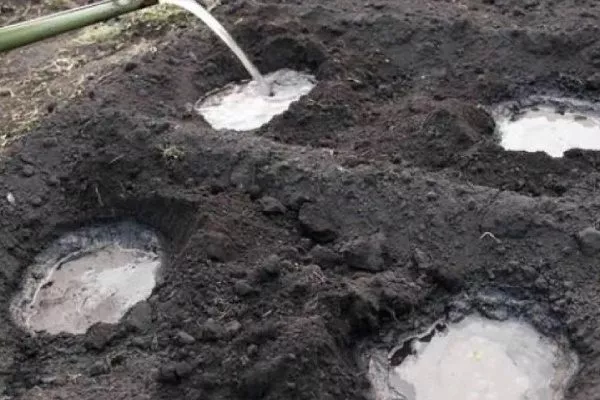
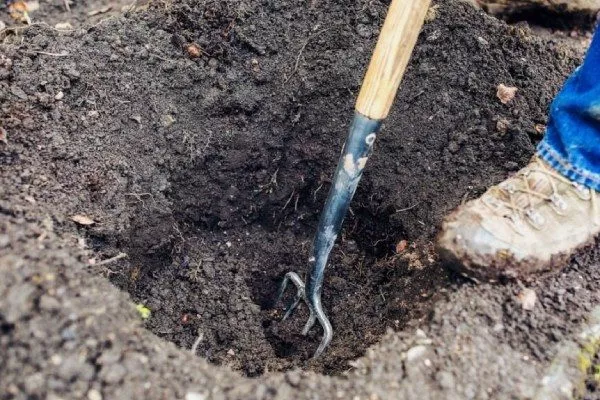
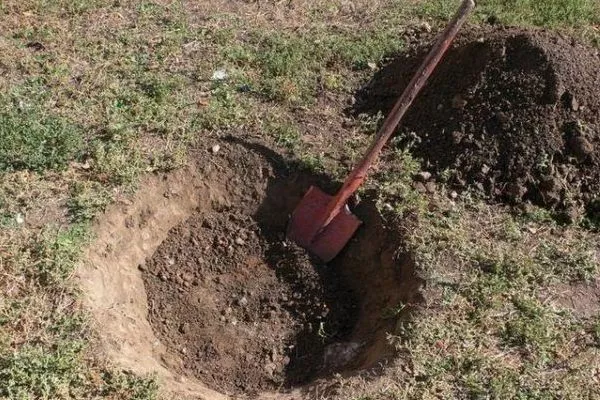
The landing procedure is as follows:
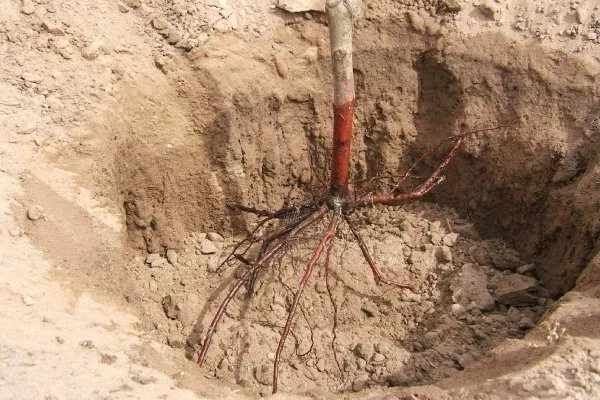
- Dig holes measuring 50 x 50 x 50 cm.

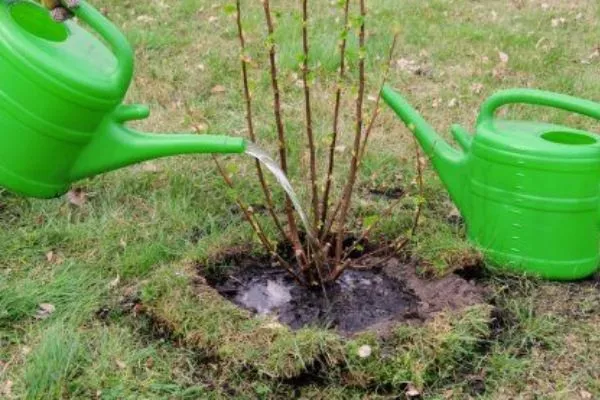
- Pour 5-6 liters of cold water into each hole. Let it soak in completely.
- Mix the excavated soil with any organic matter and half fill the hole with this substrate.
- Form a mound.
- Carefully place the seedling into the hole so that it is tilted at a 45 degree angle, while spreading the roots in different directions.
- Cover with soil and moisten again using the remaining same amount of water.

Caring for the Azhurnaya currant
Growing Azhurnaya on your own plot is easy. Simply follow these simple steps:
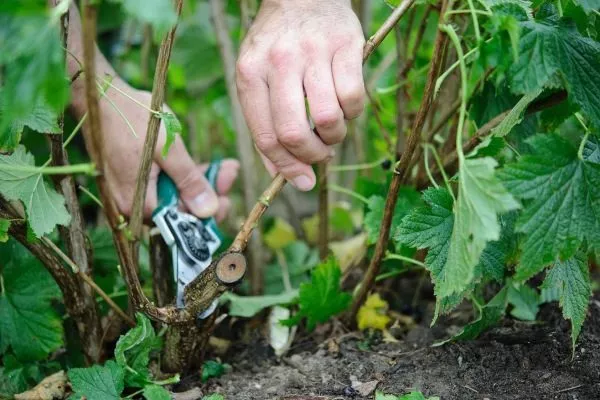
- Pruning should be done before bud break. Damaged, frozen, or diseased shoots should be removed. Stems affected by bud mites should be cut back to the healthy portion. If the infestation is widespread, branches should be removed down to the root.
- Currants require regular and adequate watering, especially during budding and fruiting periods. It's easy to check if they're ready for this treatment: if the soil surface begins to dry out, it's time to water.
- After each watering, loosen the soil in the trunk area and remove weeds.
- Using mulch around the trunk with wood chips or straw helps retain moisture, prevents weed growth and serves as an effective organic fertilizer.
- In spring, it's important to fertilize currants with nitrogen to ensure they develop good green mass. Instead of mineral fertilizers, you can use wood ash, diluted with water first.
Before flowering, feed the plants with rotted cow manure or compost. In the fall, after harvesting, fertilize the plants with complex mineral fertilizers.
Harvesting
Currants are a fickle berry, but with proper storage, they can delight you all winter long. It's important to remember that freshly picked berries quickly lose their nutritional value, so they're best eaten immediately after being picked from the bush.
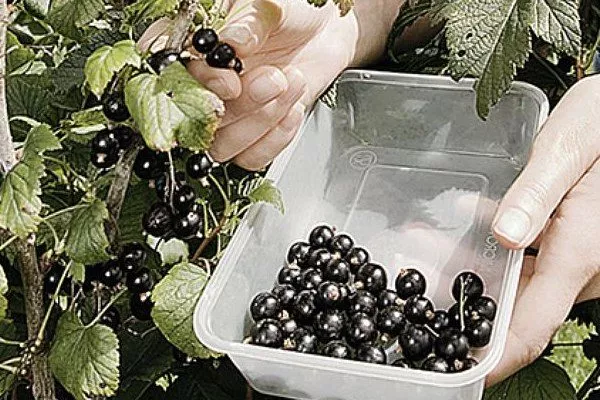
If you want to preserve the berries for a longer period, freezing them is a good option, as it preserves their vitamins and minerals. To do this, thoroughly wash the currants, dry them, and separate them into individual bags, removing excess air. Freeze them, then place them in the freezer.
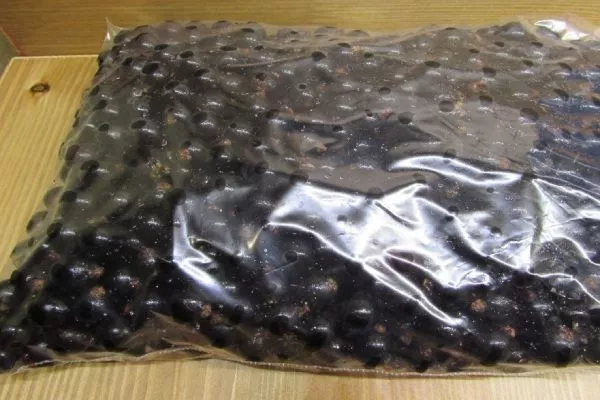
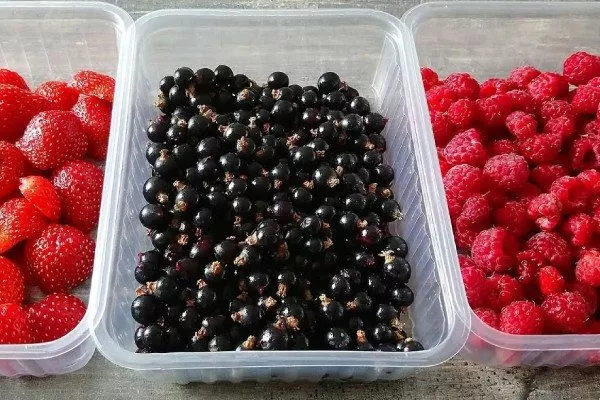
To ensure blackcurrants retain their flavor and nutritional properties for a long time, certain storage conditions must be observed:
- It is important to select only fresh and undamaged berries, as any damage to the fruit's integrity can lead to accelerated spoilage.
- It's best to store currants in a cool place, such as a refrigerator, where the temperature doesn't exceed 5 degrees Celsius. This will help slow down the ripening process and keep the berries fresh longer.
Methods of reproduction
Blackcurrants are propagated vegetatively, including grafting, using green and woody shoots, and dividing the bush. While seed propagation is also possible, it doesn't guarantee the transmission of all the variety's characteristics, while vegetative methods provide faster and more reliable planting.
The method of propagation by cuttings
This is considered the most popular method. To collect cuttings, use young shoots at the base of the bush or the first branches, which should be at least 7-8 mm thick and 15 to 20 cm long. To trim the cuttings, use sterile pruning shears or a knife, leaving 1 to 1.5 cm above the node.
Other rules:
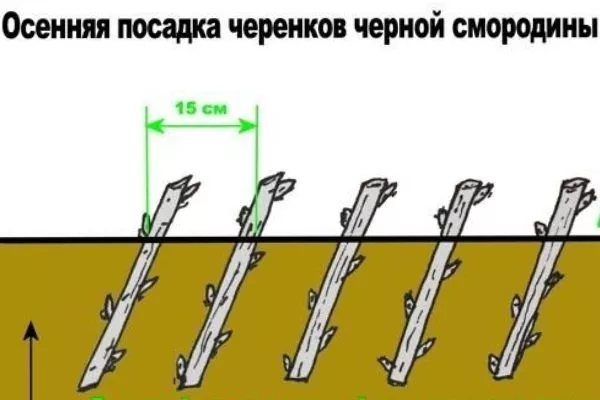
- It is best to carry out this operation at the end of September or the beginning of November, when the bush is already in the dormant stage.
- To plant blackcurrant cuttings this year, dig holes and carefully plant them in the soil. If planting is delayed until spring, treat the tips of the cuttings with liquid paraffin or garden pitch. Then, wrap the cuttings in damp paper or plastic and store them in the snow or refrigerator until spring planting time.
- In early spring, begin planting cuttings when the soil warms to 8-10 degrees Celsius. They are placed in the soil at a 45-degree angle, leaving a couple of buds above the surface.
- After planting, the cuttings are moistened and the area is covered with humus, peat, or sawdust. Arches approximately 50 cm high are placed over the seedlings and covered with a plastic sheet, which is removed when the first leaves appear.
- Once the seedlings have rooted and formed their first leaves, they are fed and regularly watered, avoiding even short-term dehydration of the soil.
- In the summer, the bed is cultivated, fertilized with a solution of mullein, ash and superphosphate, and in the fall, when the seedlings reach 30-50 cm in height and have already formed 1-2 shoots, they are transplanted to a permanent location.
Propagation by layering
This method of vegetative propagation is simple and reliable – it ensures the formation of a well-developed root system in seedlings already in the first year.
How to do it:
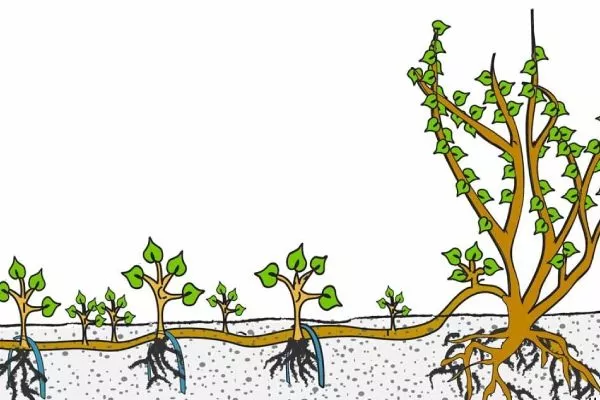
- In early spring, select a healthy, two-year-old branch growing at an angle from the periphery of the bush.
- Bend it to the ground, then place the middle part in a pre-dug trench about 10-12 cm deep so that the top part, 20-30 cm long, remains above the surface.
- Secure the cutting in the trench with wire, fill the furrow with soil and ensure it receives sufficient water throughout the growing season.
- By the end of autumn, the cutting will have developed a well-developed root system and 2-3 strong branches will appear, after which you can separate it from the parent bush and transplant it to a permanent location.
Dividing the bush
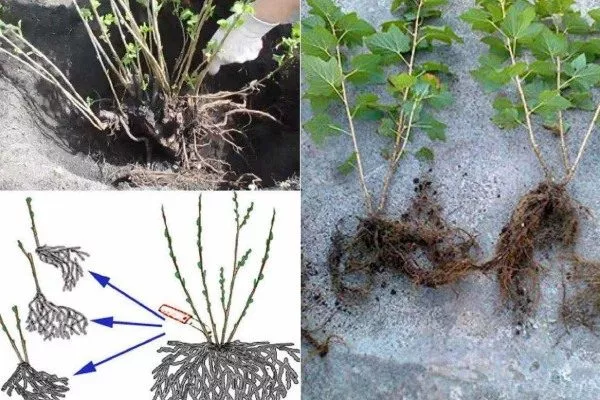
To successfully divide a currant bush, spring or autumn is the best time, when all crops are being transplanted.
Process:
- Remove the bush from the soil, carefully pulling out the roots.
- Divide it into several pieces using an axe or saw, previously treated with an antiseptic.
- Each section should include healthy shoots and roots. Trim off dead or damaged branches and roots, and shorten young shoots to 20-30 cm. Then, treat the wounds with ash and place the bush pieces in pre-prepared holes.
Pest and disease control
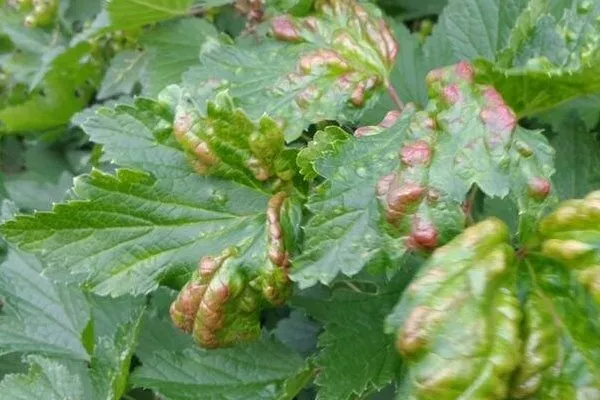
To prevent various diseases and protect against pests, use boiling water and spray the bushes immediately after they awaken in the spring. To combat diseases, use a 1% Bordeaux mixture, spraying the currants when the first leaves begin to emerge from the buds.
- In early spring, before the buds open, treat the bushes with a 3% solution of Bordeaux mixture to prevent fungal diseases.
- After flowering, treat with insecticides against kidney mites if there are signs of damage.
- In the fall, after harvesting, treat the bushes with a 1% solution of Bordeaux mixture to destroy the overwintering stages of pests and diseases.
Pros and cons
The crop is distinguished by its good ability to self-pollinate (59% of flowers form fruits without the participation of pollen) and rapid fruit formation (fruiting begins already in the second year after planting).
Other advantages include:
Reviews
The Azhurnaya blackcurrant variety has a medium ripening period and is highly frost-resistant. Garden owners often choose this currant variety due to its ease of care and the high vitamin C content of its berries. Before purchasing a seedling, familiarize yourself with its characteristics and determine how well the variety suits your region's conditions.