
The Atlant currant attracts gardeners with its high productivity and low maintenance. The bushes produce large, sweet berries with a slightly tart flavor, which are then used for various preserves and freezing. The crop is frost-resistant and has strong disease immunity, making it an excellent choice for growing in a variety of climates.
Description of the bush and fruits
The plants reach a height of about 1.5 m. They have semi-spreading shoots, and the leaves are colored dark green.
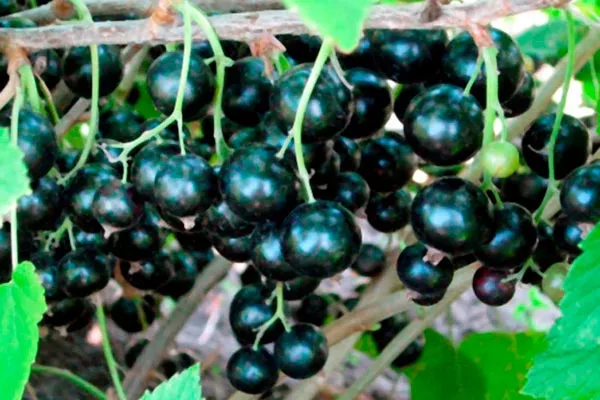
Distinguishing characteristics:
- Long clusters contain round black berries, each weighing about 2.7 g.
- The fruits have a pleasant taste, in which sweetness is harmoniously combined with a slight sourness.
- Currants are ideal for making various confectionery products, such as jam, preserves and jellies.
Properties and uses of Atlant currant
The berries contain a large number of vitamins and microelements. The Atlant currant has a rich composition:
- Vitamin C – helps strengthen the immune system and protects the body from viruses and colds.
- Vitamins A and B – beneficial for vision and the nervous system.
- Iron, potassium and magnesium – are necessary to maintain cardiovascular health.
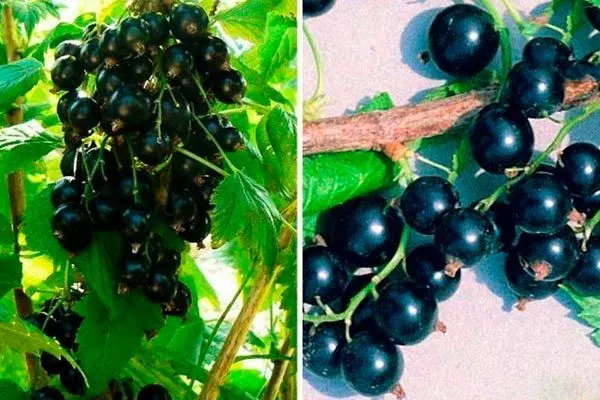
Currants have antioxidant properties. Antioxidants help prevent cell damage and have an anti-inflammatory effect. Regular consumption of the berries helps reduce the risk of cardiovascular disease, cancer, and other chronic conditions.
Main characteristics
The fruits of the Atlant currant begin to ripen in midsummer. Distinguishing qualities of the Atlant:
- The average yield is about 9 kg per bush, which is an excellent indicator and makes this variety popular among gardeners and lovers of fresh berries.
- This variety is self-pollinating, so it doesn't require nearby pollinators to produce a harvest. However, planting several varieties with similar flowering times will significantly increase the yield.
- The crop is frost-tolerant, making it an ideal choice for growing in cold regions.
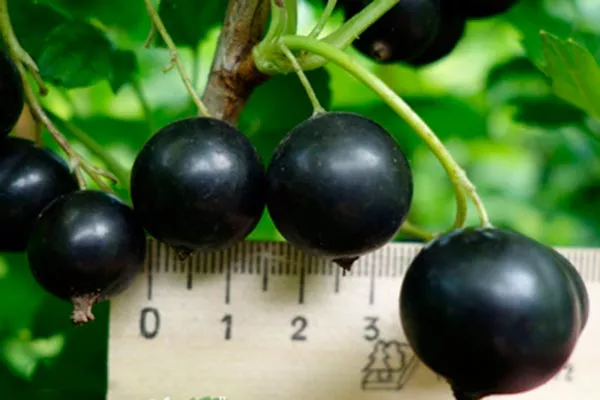
Currants are resistant to most diseases and pests, which makes caring for the plant much easier.
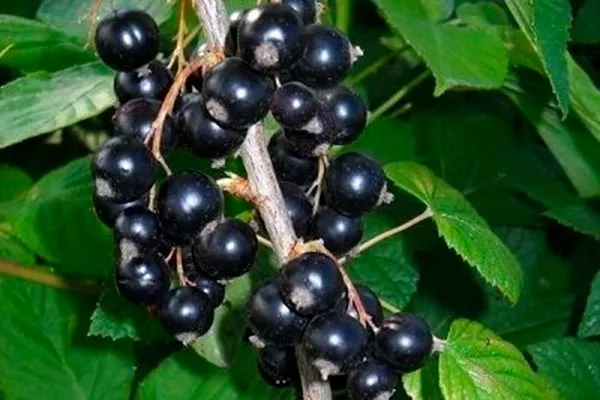
Tips for growing currants Atlant
To ensure a good harvest and long-lasting fruiting, it's important to follow a few simple yet effective plant care guidelines. Follow the planting guidelines and then follow the agricultural recommendations.
- ✓ The optimal soil pH for Atlant currants should be between 6.0 and 6.5. Checking and adjusting the pH is essential before planting.
- ✓ The distance between bushes should be at least 1.5 m to ensure sufficient air circulation and prevent diseases.
Choosing the right landing site
Choose a sunny location where the plant will receive adequate light. This will ensure a high yield and strengthen the plant's immune system. Ideally, choose a site that receives at least 6-8 hours of sun per day.
The garden location should be protected from strong winds, which can damage the bushes. Currants prefer fertile, well-drained soil and areas free from standing water, as this can lead to root rot.
Preparing the soil and planting seedlings
Prepare the soil beforehand. Begin preparation in the fall. Follow these steps:
- Dig the soil to a depth of 20-25 cm.
- Remove the weeds.
- Add organic fertilizers such as compost or humus. Add sand to improve drainage.
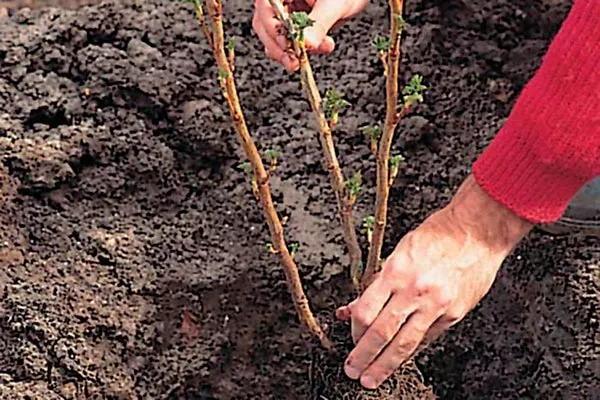
Begin planting in the spring, once the soil has warmed. Dig a 40x40 cm planting hole and add some compost. Place the seedling so that its root collar is level with the soil. The final steps include moistening and mulching the soil to retain moisture.
Caring for currant bushes Atlant
Caring for a young plant involves regular watering, fertilizing, and pest control. Helpful tips:
- Apply warm water into the furrows or holes, avoiding contact with leaves and shoots.
- Maintain soil moisture throughout the season, especially during the fruiting period.
- Feed the bushes 2-3 times per season, using both organic and mineral fertilizers.
- Monitor the condition of the plant, remove weeds in a timely manner and loosen the soil.
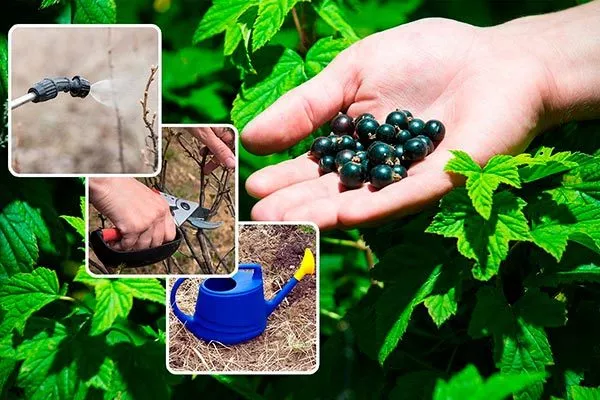
Pruning and shaping the bush
The Atlant currant variety is characterized by vigorous growth, so pruning plays an important role in shaping the plant. Follow these important steps:
- In spring, before the growing season begins, carry out sanitary pruning, removing all damaged, dry and old branches.
- Thin the bush to ensure good air circulation.
- In the future, regularly remove new shoots that may crowd the plant, and do not allow the plant to waste energy on excess foliage.
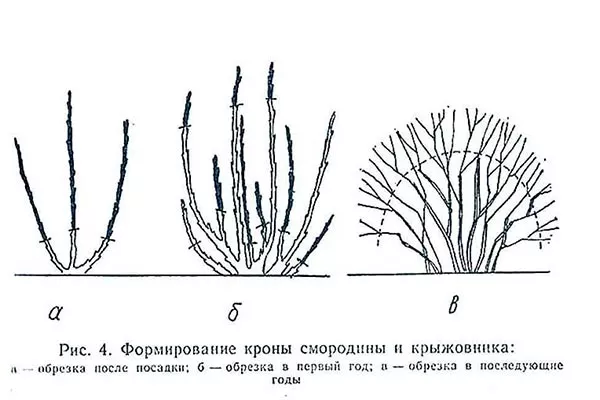
Forming the bush will help improve the quality of the berries and make harvesting easier.
Wintering
The Atlant currant is characterized by high winter hardiness and can withstand temperatures down to -30°C. However, in regions with cold winters, the bushes require protection. After the leaves fall, water them generously and mulch the root collar with a layer of peat or dried leaves.
During particularly harsh winters, additionally cover the seedlings with agrofibre or spruce branches. This will protect them from freezing and sudden temperature changes.
Harvesting and storage
Atlant currant berries begin to ripen in midsummer. Pick them as they ripen. To avoid damaging the bushes, harvest the berries in stages—they separate easily from the branches. Don't delay harvesting too long to prevent the berries from losing their marketable appearance.
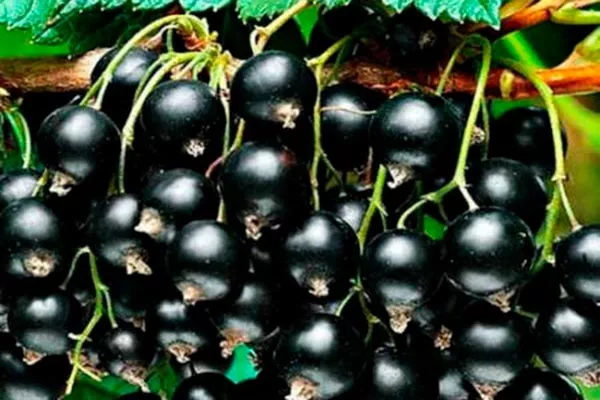
Store the harvest in the refrigerator for up to several days, freeze it, or use it to make jams, preserves, and other preserves. Currants are excellent for canning and juicing—they retain their beneficial properties.
Pest and disease control
The crop is characterized by good resistance to most common diseases and pests. However, it can be susceptible to certain difficulties, usually associated with improper care or unfavorable conditions.
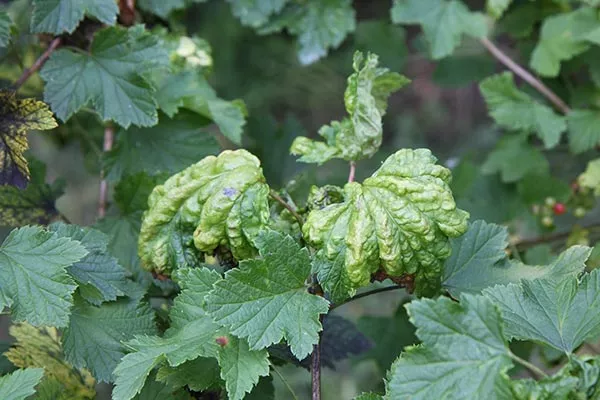
To ensure a healthy harvest and prevent losses, it is important to know the main problems that the Atlant currant may encounter:
- Powdery mildew. One of the most common diseases, it manifests as whitish spots on the leaves, covered with a powdery coating. Subsequently, the leaves shrivel and dry out, and the plant weakens.
Treat with fungicides, such as Topaz or Skor. Use folk remedies such as a baking soda solution (10 g per 1 liter of water) or whey and water in a 1:1 ratio. Remove and burn infected leaves and shoots. - Septoria (white spot). It appears as gray-brown spots on leaves with a white edge. As the disease progresses, the leaves dry out and the plants weaken. Apply Bordeaux mixture (1% solution) or copper sulfate. Copper-containing products, such as HOM, are also helpful. Remove damaged parts of the plant.
- Rust. The disease is characterized by the appearance of orange or yellow spots on leaves, which then turn brown. Rust can cause premature leaf drop.
Treat the bushes with fungicides such as Ridomil Gold or Topaz. Remove and burn any affected leaves. Apply preventative sprays at the beginning of the growing season. - Fusarium wilt. The disease causes leaves to wilt, turn yellow, and then dry out. Affected plants may die if left untreated.
Use fungicides such as Previkur or Fundazol for treatment. Ensure proper care of the crop, avoiding overwatering and overcrowding. - Currant aphid. The pest sucks the juices from the plant, which leads to wilting and deformation of leaves and a decrease in productivity.
Treat bushes with insecticides such as Actellic and Fitoverm. Use folk remedies, such as garlic infusion (100 g per 1 liter of water) or a soap solution. Use biological products such as Bitoxibacillin. - Currant bud mite. The insect damages buds, which become deformed and fail to develop. As a result, plants may fail to produce a harvest. Spraying with acaricides such as Nisoran or Fitoverm will help. Perform this treatment in early spring, before bud break. Prune and destroy damaged shoots.
- Caterpillars of the cabbage white butterfly and other butterflies. Parasites can damage leaves, eating them down to the seeds. This weakens the plant and reduces yield. Treating the bushes with Confidor or Decis insecticides will help solve the problem. Remove caterpillars manually and spray the shoots and leaves with a soapy solution.
- Mole cricket. The pest can damage currant roots, weakening and reducing productivity. Set urea traps. Use insecticides to control the mole cricket.
To prevent diseases and pests on the Atlant currant, follow a few simple rules:
- Remove affected leaves and shoots promptly to prevent the spread of diseases.
- Regularly carry out preventative treatments with fungicides and insecticides.
- Monitor the condition of the soil and do not allow it to become over-watered.
Pros and cons
Before planting a seedling, carefully study the crop's characteristics, including its advantages and disadvantages. This will help avoid potential difficulties in the future.
Sometimes a decrease in productivity is observed in the absence of neighboring pollinators, although the variety is self-pollinating.
Reviews
The Atlant currant is a reliable and productive variety, ideal for gardeners and homesteaders. Its frost resistance and excellent flavor make it popular in various regions. This variety not only boasts delicious berries but also boasts minimal cultivation requirements, ensuring a consistent harvest each season.
Thank you for the detailed information, especially regarding diseases. This is especially relevant for me, as I have an abandoned plot nearby with many different diseased shrubs. I planted Atlant last season and am looking forward to the harvest. This year, I'll follow your recommendations.