
Sea buckthorn Hikul is a unique and rare variety that has gained popularity among gardeners and landscape designers due to its decorative appeal and low maintenance. Combining a compact size with a beautiful appearance, this plant is a true highlight of any garden. It is important to provide it with proper and timely care.
Varietal characteristics of sea buckthorn Hikul
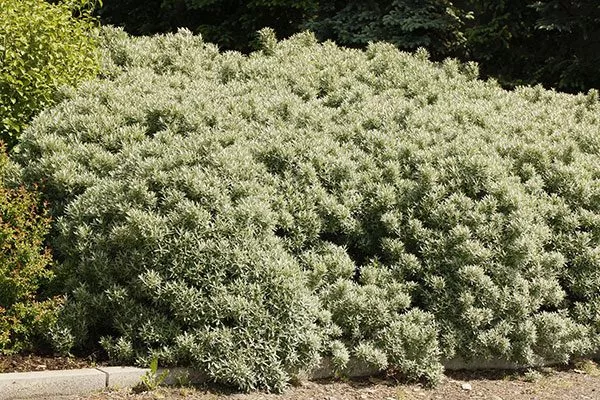
This variety resembles buckthorn. Its native range includes China, Japan, Russia, South Korea, Western Europe, and the Americas. Its distinctive features include a dense, spherical crown and compact size. The shrub's lifespan is 10-12 years.
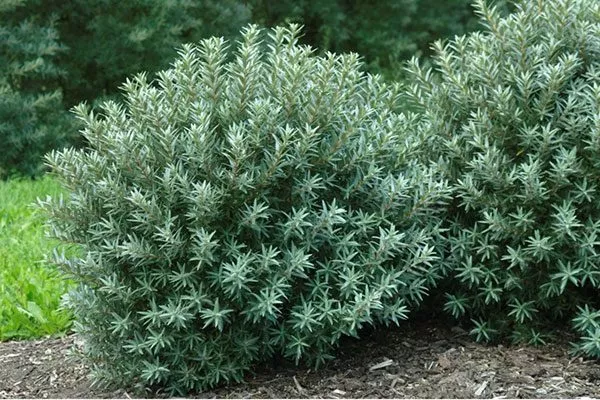
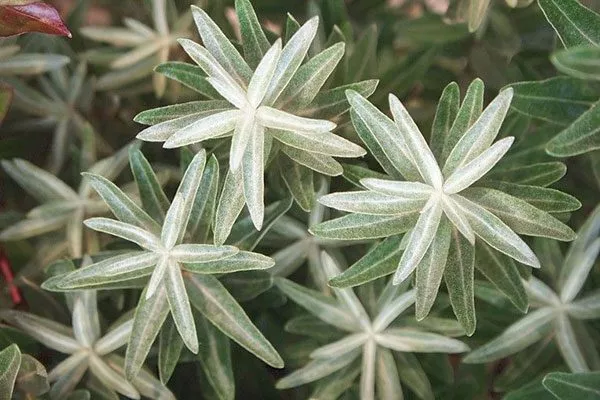
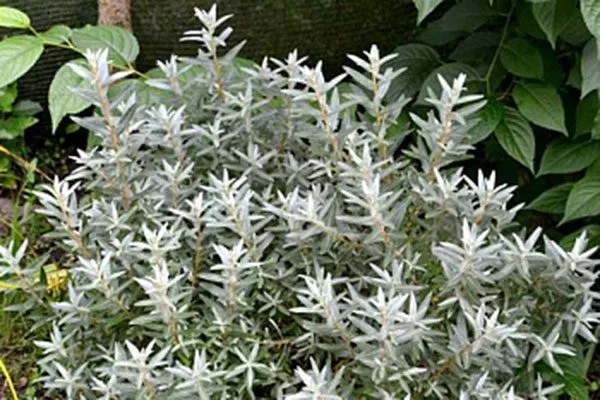
Mature bushes reach a height of 1.5-2 meters. The leaves are elongated, silvery above and gray below. The shoots are dense and prickly. Flowering begins in May, before the leaves emerge. The root system is long and well-branched, with the bulk of the roots located at a depth of up to 40 cm.
This variety is widely used to decorate garden plots. It's perfect for landscaping coastal areas, city parks, and squares, and looks great in both single and group plantings. It's also planted on slopes, in rock gardens, and in sandy ravines.
| Characteristic | Indicator |
|---|---|
| Height of an adult bush | 1.5-2 m |
| Root depth | Up to 40 cm |
| Life expectancy | 10-12 years |
| Bloom | May (before the leaves unfurl) |
| Frost resistance | Up to -40°C |
| Drought resistance | High |
Characteristics of fruits and their taste
Although this variety does not bear fruit, it can serve as a pollinator for fruiting varieties of sea buckthorn. In May, the bush is covered with clusters of small, silvery-brown flowers. The stamens, located at the base of the developing shoots, give the shrub a charming appearance.

Step-by-step planting of sea buckthorn
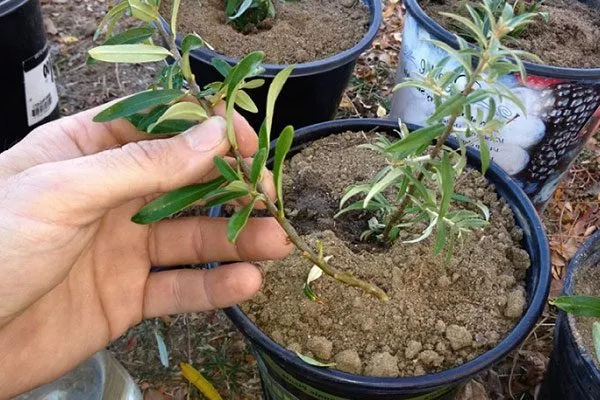
Plant in spring or fall. Experience shows that spring planting is more effective, as the seedlings take root better.
The autumn procedure is less preferable due to the increased risk of thaws and sudden temperature fluctuations in winter. This can cause freezing of shoots that are awakened by warm sunlight.
Follow these recommendations:
- Hikul doesn't transplant well, so choose a suitable site immediately. It should be well-lit, as the plant may die in the shade.
- For a 1-2 year old seedling, a plot of 2x2 m will be required.
- Light, moderately moist soil with a neutral reaction is suitable.
- The plant's skeletal roots grow in the top layer of soil and require good nutrition, so dig up the area in the fall and add additional fertilizer: 40 g of superphosphate, 10 kg of compost and humus, 20 g of potassium sulfate, and 200 g of dolomite flour if the soil has a high pH level.
- Prepare a nutritious soil mixture immediately before planting, adding a handful of wood ash.
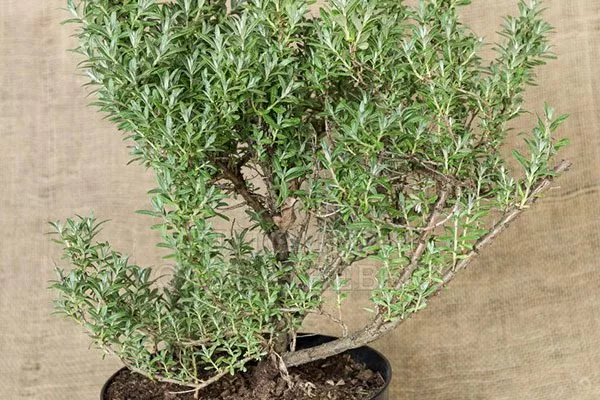
Step-by-step instructions:
- Dig a planting hole 40-50 cm wide and 35-40 cm deep.
- Place a 10 cm thick drainage layer of crushed stone, crushed brick or shell rock on the bottom.
- Add a nutrient-rich soil mixture onto the drainage hole and form a small mound. If the soil is clayey and dense, add peat and river sand in a 1:1 ratio.
- Drive a wooden stake into the center of the hole. This will serve as a support for the young tree.
- Place the seedling into the hole, carefully spreading the roots along the slopes of the mound.
- Place the plant on the south side of the support.
- Fill the remaining empty space in the hole with soil, compact it lightly with your hands and water.
- Tie the sea buckthorn to the peg with a loose loop.
How to properly care for a plant?
Sea buckthorn is an extremely hardy and undemanding plant. However, it does require good care. It's fairly simple and doesn't take much time.
Watering
Hikul is highly drought-resistant. Water it only during periods of extreme heat. Maintaining soil moisture is especially important for newly planted plants.
At first, try to moisten the soil beneath them daily, using 40 liters of water per plant. The soil should be saturated to a depth of about 60 cm. Perform a pre-winter watering in late September or early October.
Watering schedule
- Young seedlings (1 year): daily 40 l/bush
- Adult bushes: 3-4 times per season, 60-80 l
- Drought: additional 20 l/bush every 10 days
- Pre-winter watering: 100 l/bush once
This will increase the frost resistance of the shrub.
After watering, loosen the soil before it dries out and forms a crust to improve its aeration. Do this carefully to avoid damaging the roots located in the surface layers of the soil.
Top dressing
During the first year after planting, seedlings don't require additional nutrition. The fertilizer added to the planting hole is sufficient. From the following season onward, fertilizing becomes crucial. Follow this schedule:
- In the spring. At the beginning of the season, use nitrogen-containing fertilizers to intensively increase green mass. To do this, dissolve 20 g of urea in 10 liters of water.
- During flowering. During this period, the plant will need potassium humate. Prepare a solution by adding 15 g per 10 liters of water and applying it to the foliage.
- After flowering. Ten days after flowering, use Effecton, which is ideal for foliar feeding. Dilute 15 g in 10 liters of water.
- In autumn. Prepare sea buckthorn for winter conditions by feeding it with potassium (50 g per 1 sq. m) and superphosphate (150 g per 1 sq. m).
Apply organic fertilizers once every three years, in the fall, adding them to the soil at a rate of 10 kg per 1 sq. m.
| Period | Fertilizer | Norm | Method of application |
|---|---|---|---|
| April | Urea | 20 g/10 l | Root |
| May | Potassium humate | 15 g/10 l | Foliar |
| June | Effecton | 15 g/10 l | Foliar |
| September | Superphosphate + Potassium | 150 g + 50 g/m² | Embedding into the soil |
Trimming
Trim your ornamental shrub in spring, fall, or summer. Early spring pruning, when the sea buckthorn is dormant, is most effective. During this period, the plant experiences less stress and recovers more quickly.
Young trees will require only formative pruning. To shape the bush, cut off the top of the sapling at a height of 10-20 cm. New shoots will soon appear on the stump. The following year, select the four strongest shoots from this new growth and remove the rest. Remove branches growing inward.
Reviews
Sea buckthorn Hikul is an ornamental shrub that can transform any garden. Its ease of maintenance and tolerance to a variety of conditions make it an ideal choice for those who value beauty and practicality. With proper care and attention, this plant will delight with its striking appearance for many years to come.