
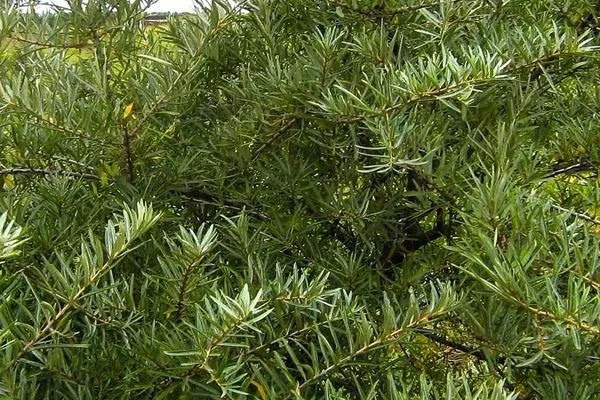
Sea buckthorn Gnome, known for its compact crown and decorative qualities, is an attractive garden plant. The male variety, although it does not produce edible fruit, makes a significant contribution to the greenery and aesthetics of a garden space. It is important to understand the growing conditions of this plant and ensure proper care.
Origin of the variety
Developed by Elizaveta Ivanovna Panteleeva and Tamara Mikhailovna Pletneva at the Federal Altai Scientific Center for Agrobiotechnology, the application for inclusion in the registry was submitted in 1997, but official inclusion occurred only 11 years later, in 2008.
Morphological features
Belonging to the Elaeagnaceae family, it is a male variety. It is often used in home gardens as a pollinator for female sea buckthorn varieties, which increases yield.
Description of the bush's appearance
With proper care, this plant reaches a height of over 2.5 m. The shrub has a compact crown that requires little pruning. Young shoots have a smooth texture and a rich green color. With age, they become curved, thicken, and acquire a brown tint. Slight ribbing is noticeable along the center of the branches.
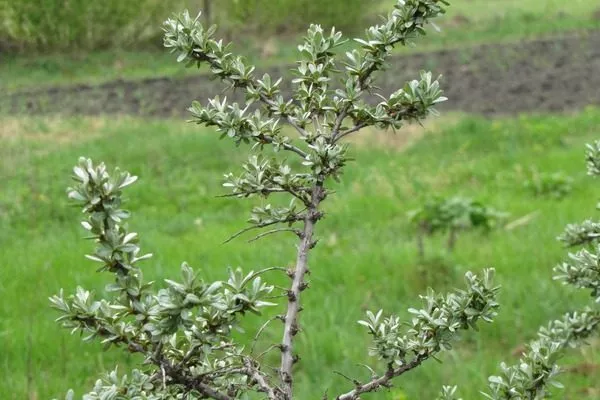
Features include:
- Lack of fruiting.
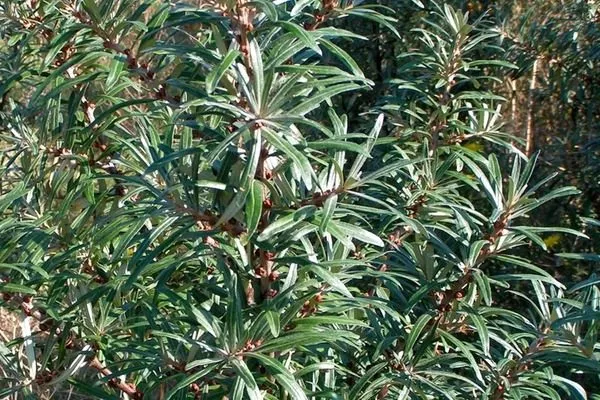
- Large leaves of dark green color.
- The presence of fine yellowish hairs on the leaf blades.
- Increased pubescence of leaves in the upper part of shoots.
- Long rhizome with superficial roots.
Growing regions
The shrub is successfully grown in various climates. It adapts well to various conditions and can thrive in many regions, but prefers temperate and cold climates.
Flowering and ripening times
The plant has no specific ripening period. Male flower buds form on the plant in mid- to late April. They differ from female buds in appearance and size, and are covered with numerous thin scales, reminiscent of tiny pineapples or small conifer cones.
Flowering is an important stage in the biological cycle.
Methods of reproduction
Seedlings are readily available at nurseries and flower markets, but growing them yourself is not particularly difficult. This variety propagates successfully by almost all vegetative methods, with the exception of sowing seeds. Gardeners use the following propagation methods:
- layering;
- vaccinations;
- dividing the bush;
- young growth.
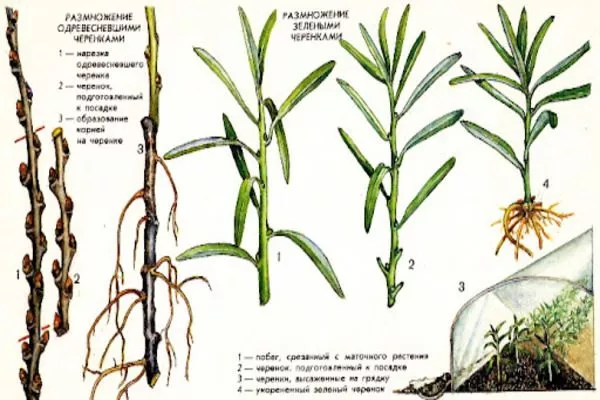
The most common method is rooting cuttings. Cuttings can be taken in spring or fall. For the latter, use thick, woody shoots, cut into pieces approximately 15 cm long, tie them into bundles, wrap them, and bury them in a cool place.
For spring cuttings, use two-year-old or young green branches. After cutting, dry them and treat them with growth or rooting stimulants. Then plant them in loose, moist soil at an angle so that the branch section with a couple of buds is exposed.
After planting the cuttings, moisten the soil as needed. After a few weeks, the seedlings will begin to grow vigorously, which will be indicated by the development of new leaves. This will be the signal to transplant them into separate containers or prepared holes in the garden.
Features of planting and growing
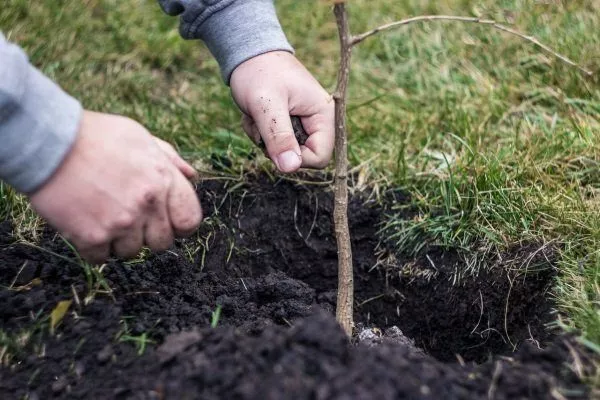
For planting, choose areas that receive full sun for most of the day. Although the shrub can grow in partial shade, this may negatively impact its decorative qualities, as the shoots will become excessively elongated and flower bud formation will be delayed.
Helpful tips:
- Sea buckthorn is not sensitive to strong winds, so it can be safely planted in open areas. It prefers light, well-drained, fertile soils with a neutral pH.
- To ensure abundant fruiting of female shrubs, having 1-2 plants per plot is sufficient. Experienced gardeners recommend having several plants, considering the risk of freezing and death.
- When planting in a deep and wide hole, immediately add fertilizer, including complex mineral and organic fertilizers with the necessary nutrients.
- The best time to plant is spring, after the weather has become consistently warmer. Fall planting can be risky, as the seedlings may not have time to take root and prepare for winter.
In southern regions, where February and early March are relatively warm, there's a risk of premature bud break. If frosts follow, this could lead to a lack of flowering in the spring.
It's best to plant seedlings in April or May. Young sea buckthorn plants strengthen over the summer and easily survive the winter.
Proper care of the shrub
Under certain climatic conditions or poor agricultural practices, the crop becomes susceptible to attacks by harmful insects or mold infestations. Monthly treatment with insecticides and fungicides is essential.
Helpful care tips:
- Inspect the plants at the end of March to assess their condition after the winter. If damage is found on the branches, clean them of dirt and dead parts, then treat them with a 3% copper sulfate solution.
- The plant produces a large number of buds only when grown in consistently moist soil. Water the shrub without letting the soil dry out completely. A mature plant requires approximately 70 liters of water, applied at the roots.
The amount of water is adjusted during frequent summer rains. An important aspect of proper care is generous watering before the onset of persistent cold weather, which helps the shrub survive the winter without damage.
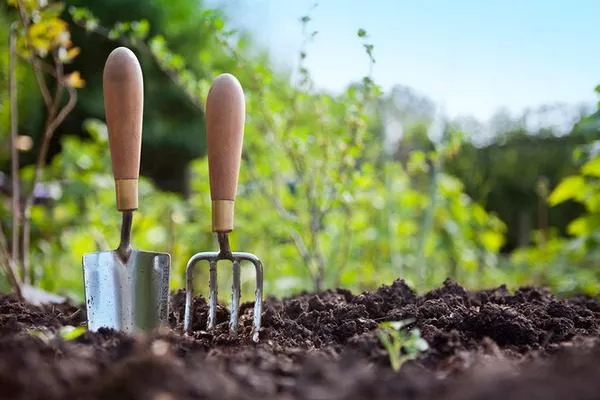
- Loosen the soil immediately after watering. The plant develops numerous nodules in its root system, which are home to beneficial bacteria. These bacteria perform important functions: they absorb nitrogen from the air, which is essential for their vital functions, and enrich the soil around the roots with mineral nitrogen compounds.
When loosening, do not bury the garden tool too deep, as the roots are located vertically and close to the soil surface.
Gardeners' reviews
Sea buckthorn Gnome is the perfect choice for those looking to add special charm and beauty to their garden or property. Its compact crown, large leaves, and male flower buds make it an indispensable decorative element. The bushes are low-maintenance and easily adapt to a variety of climates.