
Chui sea buckthorn is a source of wealth and health. Its vibrant fruits and unique medicinal properties make it a gem among garden crops. Cultivating this plant ensures abundant harvests with large fruits. This can be achieved with proper care and adherence to agricultural practices.
History of selection
It was developed from wild sea buckthorn growing in the Chuya River Valley through open pollination. The variety's name derives from its place of origin. The Altai Scientific Center for Agrobiotechnology set the following objectives when creating the variety:
- reduction in the number of thorns on shoots;
- increasing crop yields;
- improving the quality of fruits.
Description of berry crops
This variety is popular among both novice and experienced gardeners. It can be successfully grown in various climate zones, from Kamchatka to Kaliningrad.
Bushes
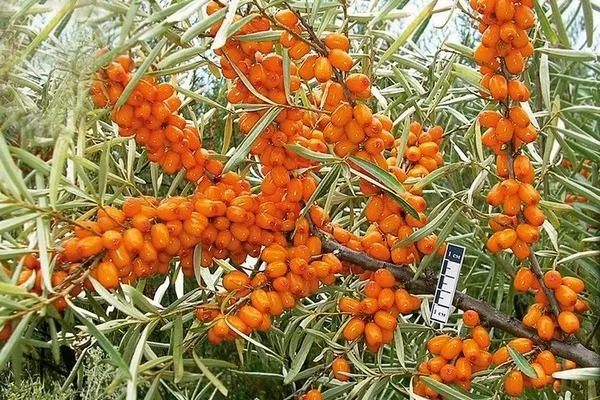
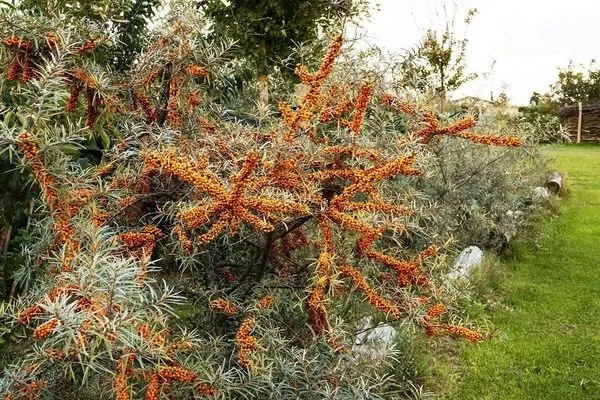
This is a medium-sized plant, reaching a height of up to 3 m. Distinguishing features:
- Its crown is round, relatively compact and of medium density.
- The shoots are dark green with a whitish tint at the base and light green at the ends.
The leaves are lanceolate, light green, flat, with the tip of the leaf blade slightly curled to the side.
Berries
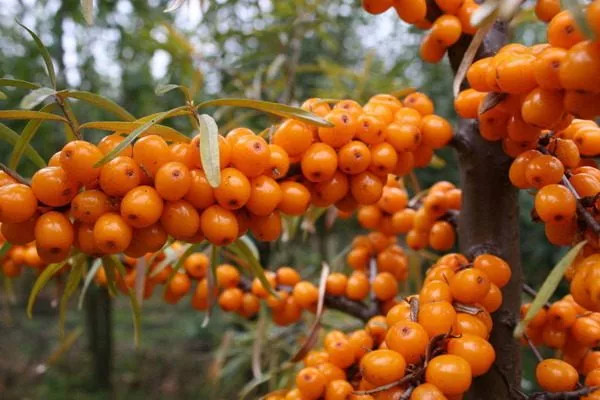
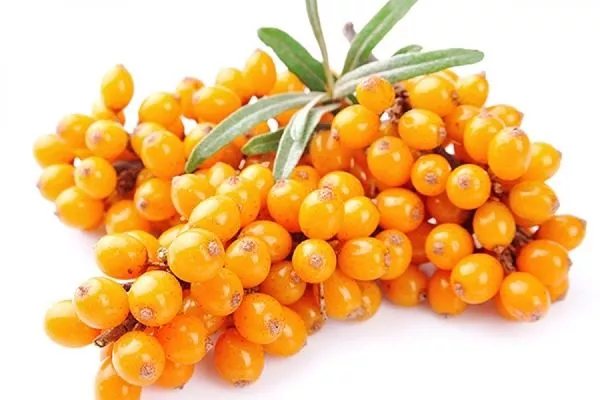
The fruits are large, oval-cylindrical, orange in color, weighing approximately 0.8 g. They are characterized by a sweet and sour taste. The composition is impressive: sugar content is 6.4%, acids – 1.7%, vitamin C – 134 mg%, carotene – 3.7 mg%, and oil – 6.2%.
Flowering period and ripening time
Bud opening and ripening depend heavily on growing location and weather conditions. In most regions, flowering begins in mid-May and lasts 6-12 days. The berries reach full ripeness in the second half of August.
Application of berries
Sea buckthorn is used in a variety of fields due to its unique properties and rich composition. Chuiskaya's main uses include:
- Sea buckthorn-based preparations strengthen the immune system due to their high content of vitamins (especially vitamins C and E) and antioxidants.
- Sea buckthorn helps reduce inflammation and is used in the treatment of various ailments, including gastrointestinal diseases.
- The oil is used in cosmetology to improve skin condition, treat acne, and strengthen hair. It has regenerative properties and is used to heal wounds, burns, and ulcers.
- Sea buckthorn-based products help moisturize and nourish the skin, making it more elastic and healthy.
- The berries are used to make juices, fruit drinks and other drinks rich in vitamins.
- The fruits are used to make jams and preserves that retain their beneficial properties.
It is included in various dietary supplements that are recommended for strengthening the immune system and improving the general condition of the body.
Resistance to diseases and pests
When grown properly, the plant is rarely affected by diseases and pests. To prevent fungal infections, the crown is cleaned and thinned, and the bushes are treated with copper-containing preparations. To protect against insect pests, the plants are sprayed with special products.
Advantages and disadvantages of the variety
The Chuiskaya sea buckthorn doesn't stand out among other varieties as a clear winner. There are more productive and sweeter varieties. But this plant has many advantages:
The variety has no drawbacks. Gardeners simply note the need for proper cultivation techniques.
Landing rules
To obtain berries, bushes must be planted in groups, as both male and female plants are needed. Follow these recommendations:
- Planting dates. Early spring is considered the best time. In the south, planting can also be done in the fall, after the leaves have fallen. Sea buckthorn with a closed root system can be planted at any time except during the hot summer months.
If the planting deadline is missed, it's best to bury the young trees until spring. To do this, place them in a 50 cm deep trench with the crown facing south. Cover the roots with soil, and after the first frost, cover the entire plant, leaving only the top exposed.
Cover the top with spruce branches, and after the snow falls, add an additional layer of cover.
- Choosing a suitable location. The plant prefers sunny locations. Plant it in open areas, at least 2-3 meters away from other garden trees. Avoid nearby vegetable beds to avoid damaging the shallow roots during digging.
Avoid placing near high fences or garden buildings, and in areas prone to flooding or with a groundwater level above 1 m. - Preparing the soil. Prepare planting holes in advance, reserving the removed fertile soil. Prepare a soil mixture from the following ingredients: compost or humus (10 kg), river sand (10 kg), fertile soil (20 kg), wood ash (5 kg), and superphosphate (200 g). Mix thoroughly.
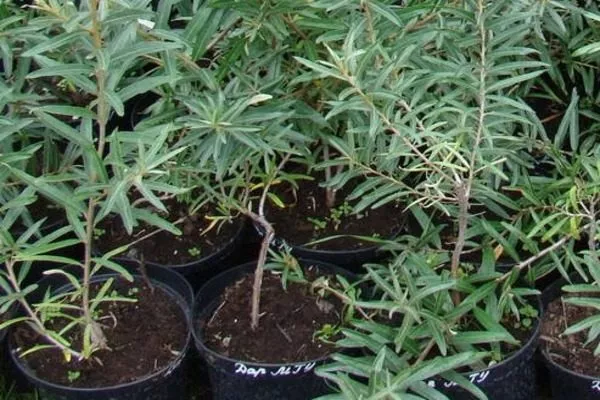
- Selection and preparation of seedlings. High-quality planting material is the key to a good harvest. Choose second-year seedlings with a plant length of 35-50 cm and roots at least 20 cm long. Pay attention to the seedling's bark; it shouldn't peel or turn brown, which indicates frost damage.
- Algorithm and landing scheme. Plant seedlings in rows or staggered patterns. To ensure good pollination, the ratio of male to female trees should be no more than 1:5. Space planting holes at least 2 m apart.
Drive a support into the bottom of each hole, offset from the center, to support the young tree. Plant the seedling vertically and fill it with potting mix, compacting the soil to eliminate any air pockets. The root collar should be 5-6 cm above ground level. Be sure to tie the seedling to the support.
Subsequent care of the culture
Planting sea buckthorn is easy. Unlike fruit trees, the area around the tree trunk is not dug up to avoid damaging the nearby roots.
Necessary measures:
- Watering. A mature plant, especially in dry weather, requires regular watering. Moisten the entire root zone.
- Top dressing. Every 3-4 years, add organic matter to the bush – 10 kg of humus or compost mixed with a small amount of superphosphate. In early spring, the bushes can be fertilized with nitrophoska, scattered around the root zone.
- Weeding and loosening. Avoid weeding or loosening the tree trunk area to avoid damaging the roots. Simply mow down the weeds. Mulching the tree trunk area with turf helps reduce the risk of root damage and prevents insect pests and their larvae from emerging from the soil.
During the first three years, shape the bush by pruning. After planting, shorten the seedling to 10-20 cm in height. The following year, select several strong shoots from the resulting basal shoots and remove the rest. This will form the base of the future bush.
Preparing for winter
Sea buckthorn is a winter-hardy plant, so no special preparations are usually required before winter. For additional protection and to reduce the risk of rodent damage, take the following measures:
- Install a wire mesh fence around the bush to protect it from rodents.
- Whitewash the trunks to protect them from winter sunburn and pests.
- Line the tree trunk with spruce branches and cover with a layer of turf. This multi-layered covering will provide additional protection for the roots from freezing.
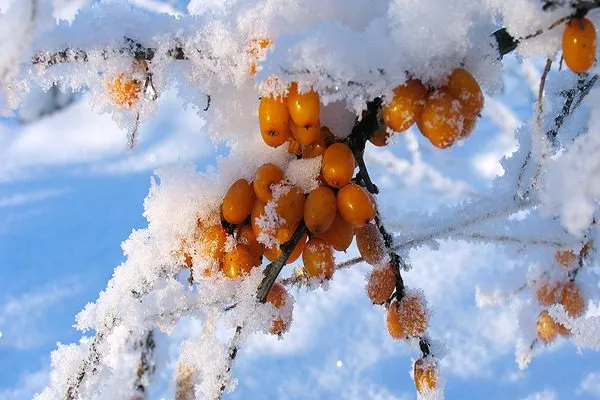
These simple measures will help keep the crop in good condition and ensure its successful wintering.
Diseases and pests, methods of control and prevention
The plant has good disease resistance, but in high humidity or neglected conditions, fungal diseases may develop. The main diseases that can affect the plant are:
- Verticillium wilt. The disease is incurable. Dig up the plant and burn it.
- Black crayfish. Remove any infected areas promptly and treat with copper sulfate. Seal the cuts with a mixture of mullein and clay.
- Blackleg. It appears on young seedlings. Plant them in a soil-sand mixture (1:1) and water with a weak solution of potassium permanganate.
- Fruit rot. Remove dried berries promptly. For prevention, spray the bushes with a 1% Bordeaux mixture in the spring and fall.
- Septoria. Pluck and burn infected leaves. In early spring, spray the bushes with 1% Bordeaux mixture.
Insects rarely attack the Chuiskaya sea buckthorn. However, there is a risk of encountering pests such as sea buckthorn flies, aphids, sea buckthorn moths, and aphids. For prevention, treat the bushes with products such as Fufanon, Iskra, Inta-Vir, and others.
Reviews
Sea buckthorn Chuiskaya is a popular variety, attracting the attention of gardeners and health enthusiasts worldwide. It impresses with its exquisite appearance and abundant fruit, and possesses unique medicinal properties. This plant requires attention and proper care, which results in increased yields.