
Botanical sea buckthorn is a unique shrub that has gained popularity due to its varietal characteristics. Its high yield, winter hardiness, disease and pest resistance, and ornamental qualities make it an ideal choice for garden decoration. Proper care is essential.
Introduction to the variety
The cultivar is the result of crossing a seedling from Leningrad Form No. 6 and seedlings from the Altai population. It was created in 1994 at the Lomonosov Moscow State University Botanical Garden.
Description of the plant's appearance
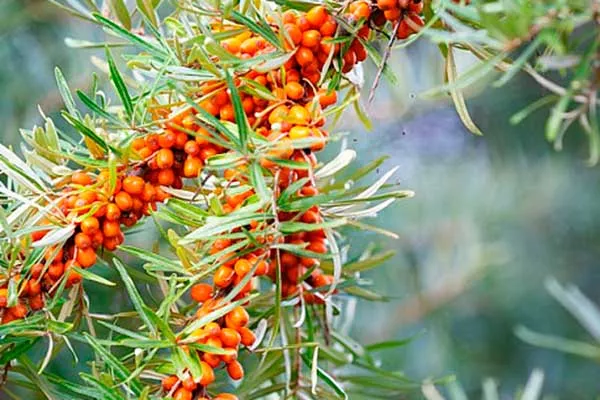
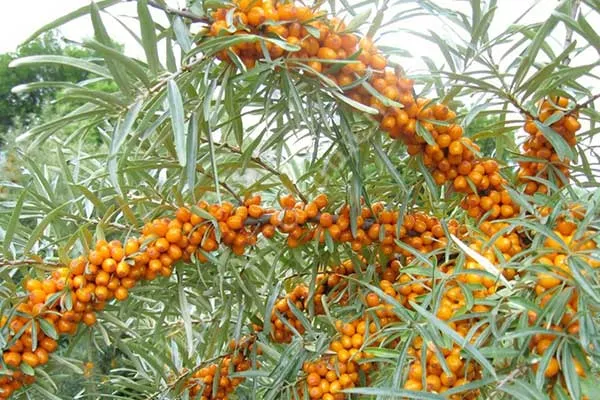
Botanical is a medium-sized shrub, growing up to 3 meters in height. Its crown is moderately sparse, with a rounded-umbel-shaped or rounded-pyramidal configuration. It has moderate spines, and the leaves are silvery-green.
Characteristics of fruits and their taste
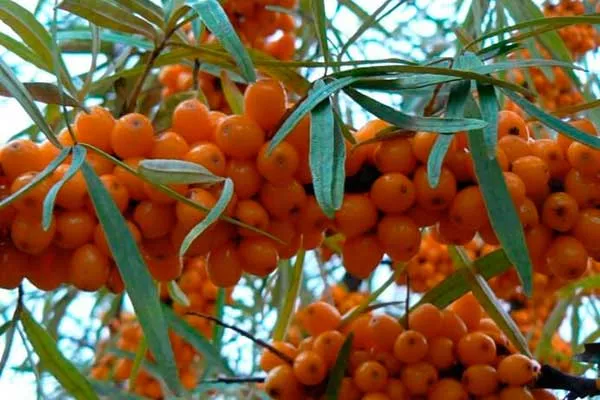
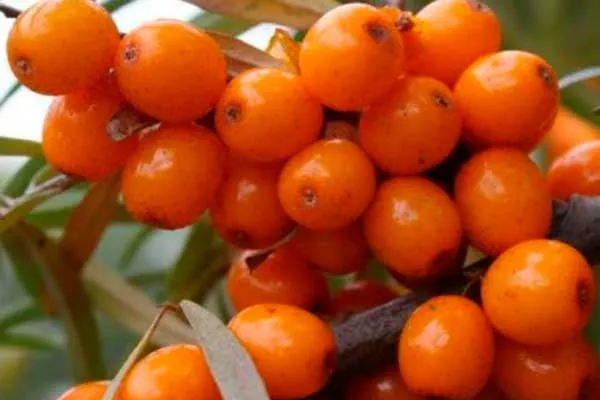
The berries are large, weighing between 0.72 and 0.80 g, and have an elongated, rounded shape. They are very juicy, with a thin but dense, shiny, yellow-orange skin. The flavor is tart, with a pleasant aroma. They receive a tasting score of 4.5.
- ✓ The high content of vitamin C in the fruits (from 49.3 to 167.4 mg%) makes them especially valuable for dietary nutrition.
- ✓ Dry separation of berries from their stems simplifies harvesting, minimizing fruit damage.
Fruiting period and yield
Sea buckthorn Botanicheskaya begins bearing fruit in the third to fourth year after planting. Average yields reach up to 39.4 centners per hectare in the second year, up to 100.5 centners per hectare in the third year, and from 103 to 256 centners per hectare (or 8 to 20 kg per bush) in the sixth year.
Growing and care
Grow this plant both alone and in combination with other plants. It prefers neutral soils (pH 6.5-7) and can grow in chernozem, sandy loam, and clay soils. The shrub is highly winter-hardy and resistant to diseases and pests.
Follow these recommendations:
- To ensure a good harvest, choose the right planting location. It should be protected from drafts and have access to sufficient light. Space plants at least 2 meters apart.

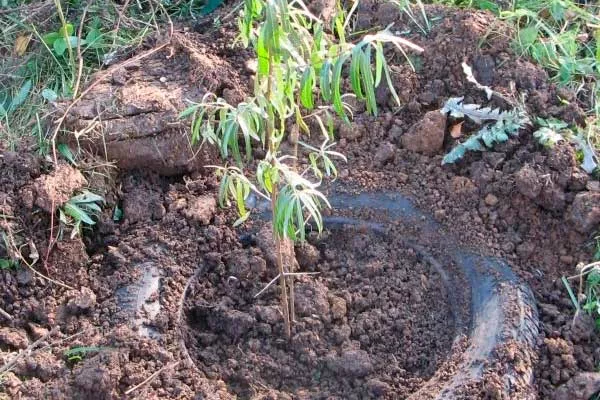
- Planting is carried out in autumn or spring.
- During the first year after planting, ensure regular watering, especially during dry periods. Sea buckthorn is sensitive to dry soil. Water deeply enough to penetrate the root system (about 40 cm).
- Two to three weeks after planting, fertilize the seedling with organic and mineral fertilizers. Repeat this process three times per season. In subsequent years, fertilize the bushes with nitrogen fertilizers in the spring and potassium and phosphorus fertilizers in the summer. In the fall, apply organic matter (compost, humus).
- In early spring, before the sap begins to flow, perform formative pruning: remove weak, damaged, and inward-growing shoots. Perform sanitary pruning annually, removing diseased, dead, and broken branches.
- Inspect your plants regularly to detect problems early. For prevention, use biological pesticides and herbal infusions.
- In August, pick the berries by hand or with special combs. Try not to damage the berries or bushes while picking.
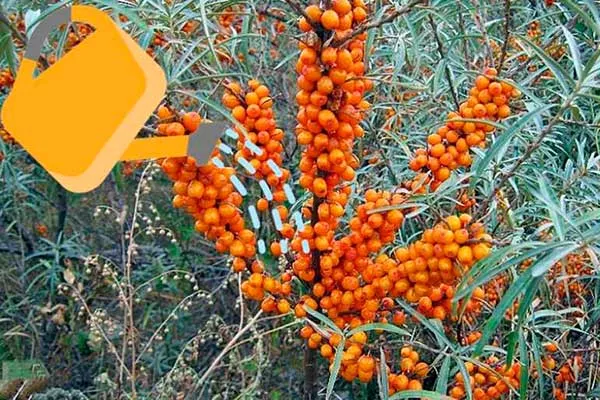
In late autumn, perform a moisture-recharging watering to saturate the soil. Cover young seedlings with agrofibre or spruce branches to protect them from frost.
Reviews
Botanical sea buckthorn is a true treasure for gardeners seeking not only a bountiful harvest but also a beautiful garden. The berries' beneficial properties make them a valuable food product, while their ease of care and resistance to adverse conditions allow for effortless cultivation. The key is timely and proper care.