
Sea buckthorn has become very popular among gardeners in our country, but thornless varieties are especially popular, as this significantly simplifies harvesting. There are large-fruited, high-yielding, and low-growing varieties. There are also species suitable for cultivation in cooler climates.
Large thornless varieties of sea buckthorn
Large varieties of sea buckthorn have gained recognition among gardeners due to their ability to be grown in various regions. These varieties require little care and are often used in cooking and folk medicine. They are frost-resistant and bear fruit regularly.
| Name | Ripening period | Disease resistance | Growing region |
|---|---|---|---|
| Openwork | Early ripening | High | West Siberian, East Siberian |
| Chuiskaya | Mid-season | Average | Universal |
| Essel | Early Middle | High | Siberia |
| Giant | Late-ripening | Average | Volga-Vyatka, Middle Volga, Ural, West Siberian, East Siberian, Far Eastern |
| Girlfriend | Mid-season | High | Universal |
- ✓ Consider the climatic conditions of your region to select the most suitable variety.
- ✓ Pay attention to the variety’s resistance to diseases and pests.
- ✓ Consider the purpose of cultivation (for fresh consumption, processing or ornamental purposes).
Openwork
An early-ripening variety of sea buckthorn, intended for cultivation in the West Siberian and East Siberian regions, it is distinguished by its spreading bushes and the absence of thorns.
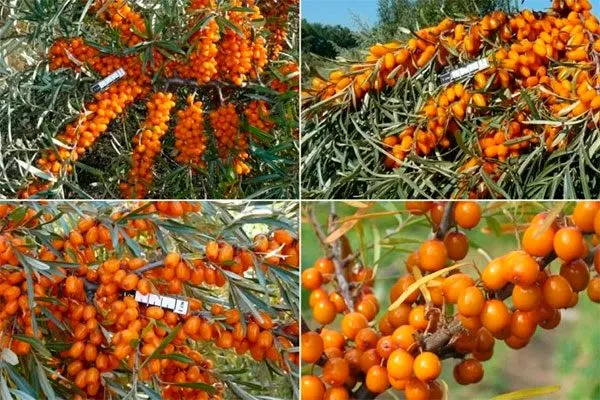
Specifications and Features:
- The cylindrical berries are bright orange-yellow in colour and have a medium-thick skin, weighing about 1.5 g.
- The berries have a sour taste and score 4.9 out of 5 on a tasting scale.
- The variety is resistant to frost, drought, heat, fungal and viral diseases.
- During the flowering period, the tree looks attractive on the site.
- Sea buckthorn care does not require frequent pruning.
Chuiskaya
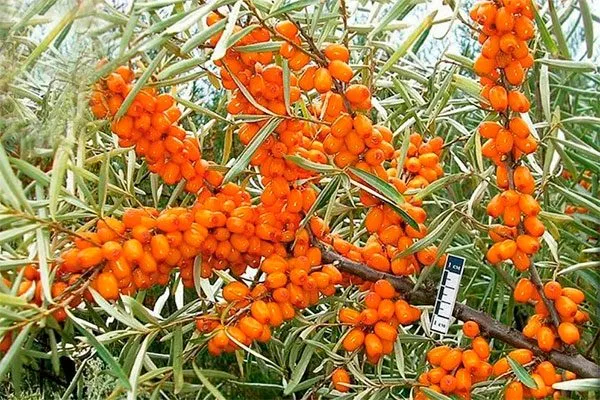
This is a medium-sized plant that can reach a height of up to 3 m. It has a rounded crown of medium density. Distinguishing features:
- The shoots are dark green with whitish ripples at the base and light green at the ends.
- The leaves are lanceolate, light green, flat-shaped and have a slightly curled tip.
- The fruits are large, oval-cylindrical, orange-colored berries, weighing approximately 0.8 g on average.
- The sweet and sour taste makes this variety particularly attractive to consumers.
- It begins to bear fruit in the third year after planting, and the berries ripen in mid-August.
Essel
A mid-season, versatile sea buckthorn variety suitable for growing in Siberian conditions. It is tolerant of winter temperatures, drought, and heat, and is resistant to the sea buckthorn fly.
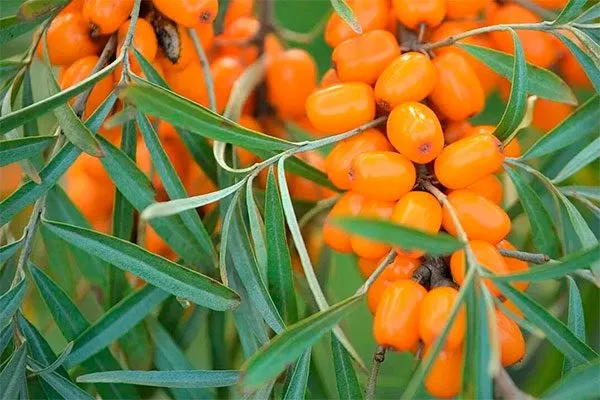
Distinctive qualities of the culture:
- A shrub of weak growth, with a rounded and compact crown.
- The thorns on the branches are small and not sharp.
- The berries weigh about 1.2 g, are ovoid in shape and yellow-orange in color.
- The berries have a sweet taste and are rated 4.7 points.
- Attractive commercial qualities, including a tart sweet taste and good shelf life.
- The harvest ripens in August.
Giant
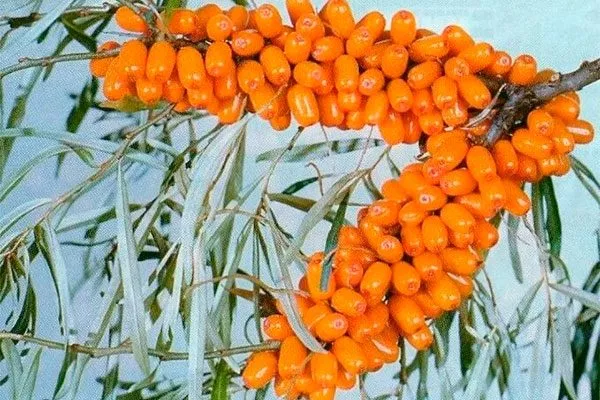
This variety is characterized by late-ripening, medium-density bushes. Distinguishing features:
- The crown is rounded, the shoots are light brown, the leaves are dark green and curved.
- The fruits are cylindrical in shape and weigh from 1 to 1.5 g. Their glossy orange skin attracts attention.
- The average yield of this variety is 88 centners per 1 hectare.
- Frost-resistant, but can be attacked by mites and sea buckthorn flies.
Girlfriend
A medium-sized plant with a slightly spreading crown. This variety offers numerous advantages:
- The shoots are straight and thin, and the plant itself is thornless.
- The leaves are light green in color and have a shiny surface.
- The fruits are characterized by an oval configuration and weigh about 1 g.
- The berries are a rich orange color and the skin is glossy.
- The taste is sweet and sour, the rating is 4.2 points.
- The berries are used both fresh and for processing.
High-yielding thornless sea buckthorn varieties
The yield of a crop depends not only on weather conditions, but also on many other factors. Varieties, characterized by High productivity, gardeners grow not only for personal consumption, but also for sale.
| Name | Ripening period | Disease resistance | Growing region |
|---|---|---|---|
| Pearl oyster | Mid-season | High | Central zone, West Siberian |
| A gift to the garden | Mid-season | High | Volga-Vyatka, Central, North-West |
| Gift of Katun | Late-ripening | High | Universal |
| Jam | Mid-season | High | West Siberian, East Siberian |
| Augustine | Early ripening | High | Universal |
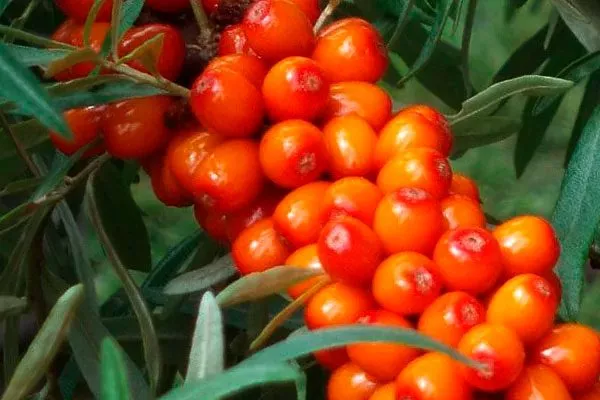
Pearl oyster
The plant reaches a height of 2-2.5 m, with an oval-shaped crown. Distinguishing features:
- The medium-sized leaves are colored green.
- The berries are oval-round in shape and the skin is bright orange.
- The weight of one berry is about 0.6 g.
- The taste is sweet, with a rich aroma, tasting score – 4.7 points.
- Sea buckthorn does not fall off after ripening, and when harvesting, the berries are easily separated from the bush.
- This winter-hardy variety tolerates drought and heat well. This early-bearing crop yields its first harvest within three years of planting. A single bush can produce up to 15 kg of berries per season.
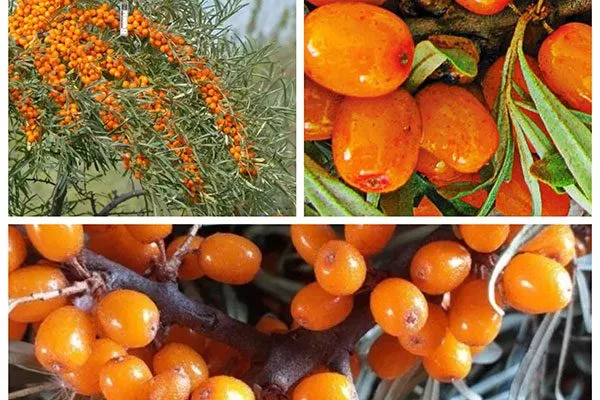
A gift to the garden
The trees are medium-sized, with straight, thick shoots. Their large leaves are dark green. Features and characteristics of the variety:
- The average weight of a berry is 0.6 g, they have an oval-elongated shape, with a dark orange and dense skin, which ensures long-term storage and is suitable for transportation.
- The berries have a sour taste, with a pleasant and tart pulp.
- Rarely suffers from diseases, frost-resistant.
- The mid-season variety usually demonstrates an average yield of 20 kg per bush.
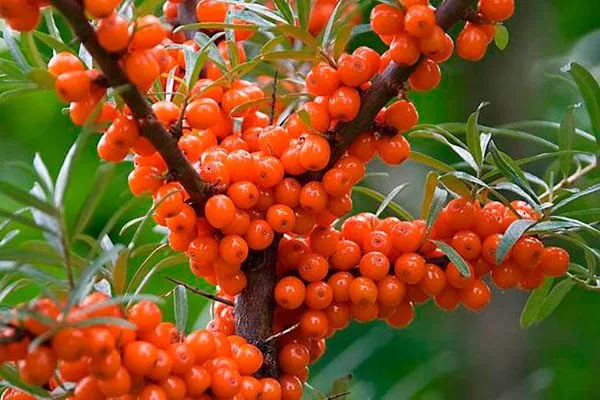
Gift of Katun
The plant reaches an impressive height of up to 3 m. It differs from other varieties in the following qualities:
- The crown is compact, oval-shaped, and has either a minimal number of thorns or none at all.
- The berries ripen in late summer.
- The fruits are ovoid-oval in shape, orange in colour and weigh approximately 0.75 g.
- A small "blush" can often be seen at the base of the fruit.
- The taste of the fruit is moderately sour, without a bitter aftertaste.
- The berries are versatile and suitable for a variety of uses.
- Sea buckthorn is characterized by high frost resistance.
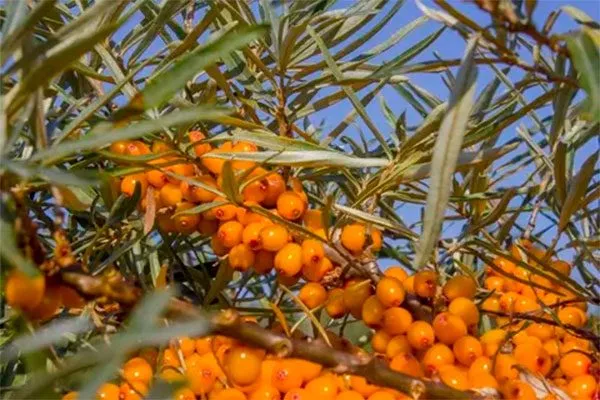
Jam
This mid-season, versatile variety boasts a spreading, oval crown and dark green leaves. Cultivated characteristics:
- The berries are oval-shaped, with an average weight of about 1 g and an orange color with a reddish tint.
- The pulp is sweet and sour.
- This sea buckthorn variety is drought-resistant and winter-hardy. Thanks to its dense skin, the berries preserve well after harvesting and are suitable for further transportation and sale.
- The fruits contain a high amount of oil (10.2%), which is used in cooking, cosmetics, and medicine. This substance has anti-inflammatory and antibacterial properties.
- The yield reaches up to 17 kg per plant per season.
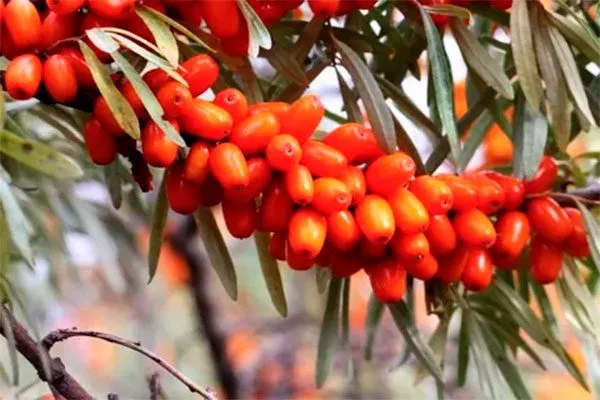
Augustine
The mature plant has a medium-spreading crown and very few thorns, making berry picking easy and enjoyable. Distinguishing features include the following:
- In terms of ripening time, it is an early ripening variety.
- The fruits are ready for harvesting by the end of July, although in northern regions this process can continue until August.
- The berries are bright orange in color, ovoid in shape, weigh between 1.1 and 1.4 g, and have a slightly sour taste.
- Ripe bunches of berries are easy to pick – they come off dry.
- The variety is resistant to fungal infections and pests, and tolerates drought and frost well.
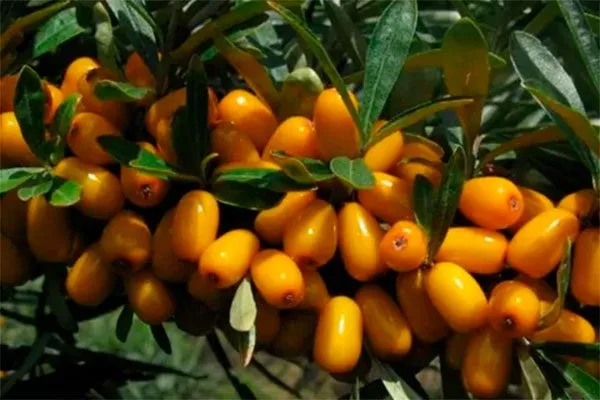
Low-growing and almost thornless sea buckthorn
Sea buckthorn is grown not only for its healthy berries but also as a decorative garden ornament. Breeders have developed compact varieties characterized by a neat and attractive appearance, making them a great addition to any garden. They are often grown along fences.
| Name | Ripening period | Disease resistance | Growing region |
|---|---|---|---|
| Baikal ruby | Late-ripening | High | Universal |
| Thumbelina | Mid-season | High | Universal |
| Squad | Early ripening | High | Universal |
| Elizabeth | Late-ripening | High | Urals, Siberia |
| Sayan | Mid-early | High | Eastern Siberia |
| Turanian | Mid-season | Average | Universal |
| Pepper | Early ripening | Average | Central, Volga-Vyatka |
Baikal ruby
The bush reaches up to 1 m in height, with a compact crown. Thanks to its low maintenance, it thrives even in the coldest regions. Distinguishing qualities of the plant:
- Ripens in the second half of August.
- The weight of a berry is about 0.5 g.
- The fruits are oblong in shape and orange-coral in color.
- The pulp is dense and the taste is sweet and sour.
- Gardeners celebrate strong immunitytet – the plant is resistant to diseases and is not susceptible to attacks by insect pests.
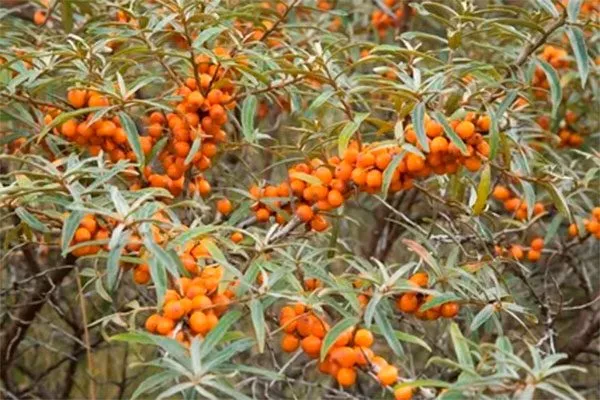
Thumbelina
The bush fits perfectly into small garden plots, not exceeding 1.5 m in height. Is famous with the following characteristics:
- The plant has a compact crown, and on the shoots practically there are no thorns.
- The berries ripen in the first half of August and are dark orange in color. They are quite large, weighing approximately 0.7 g.
- The taste has a slight astringency.
- This variety practically It is not susceptible to pest damage and can withstand severe frosts.
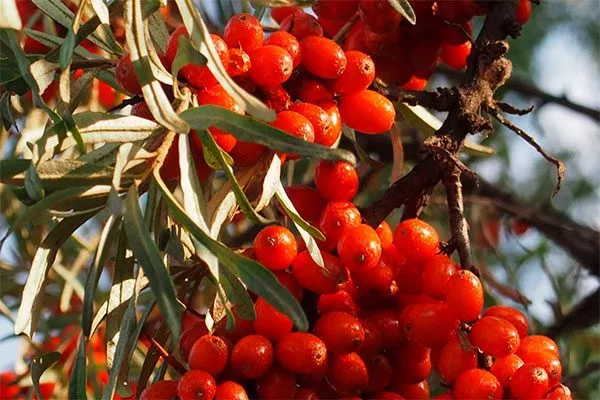
Squad
This early-ripening variety boasts numerous distinctive characteristics:
- The bush is low, with a dense crown.
- The shoots are without lateral branches, moderately thick, and thornless.
- The bark of the shoots is light brown with a slight grayish tint.
- The leaves are medium-sized, green, moderately pubescent, leathery, straight, of medium length and width.
- The fruits weigh about 0.8 g and are orange-red in color, oval-round in shape.
- The taste has a refreshing aroma.
- The berries are suitable for fresh consumption.
- The variety is characterized by resistance to diseases and frost.
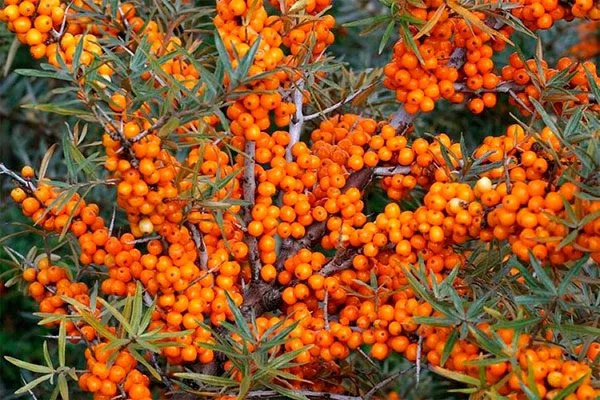
Elizabeth
The bushes are low-growing and compact, making them easy to care for—frequent pruning or crown shaping are not required. Characteristic features:
- The berries are cylindrical in shape and weigh up to 1 g.
- The taste is sweet and sour, juicy and spicy.
- The fruits grow on long stalks, which makes them easy to separate from the branches.
- The bright orange color of the fruits makes them stand out in the garden. They are added to pies and cakes, used to make fruit drinks, and eaten fresh.
- The fruits ripen at the end of the summer season and are highly resistant to pests and diseases.
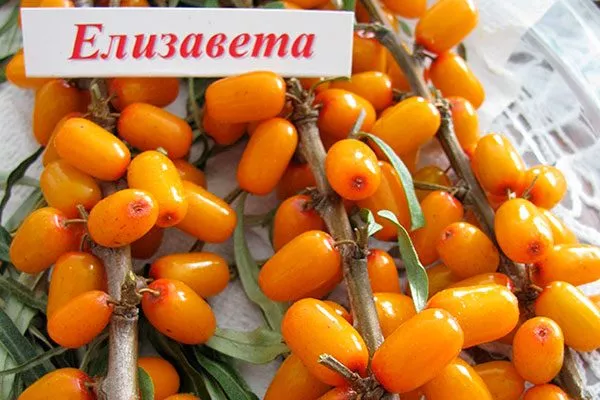
Sayan
This mid-early variety begins bearing fruit in the third year after planting and is recommended for cultivation in Eastern Siberia. It has the following characteristics:
- The bushes are compact and attractive in appearance, so they are often grown to decorate areas.
- The fruits are resistant to cracking, and the variety itself is not affected by fusarium.
- The berries are oval-shaped and bright orange with a red bloom. Their flavor is sweet and sour, and their aroma is moderate.
- The skin of the berries is quite thick, which makes the process of tearing them off easier, and there are only a few thorns.
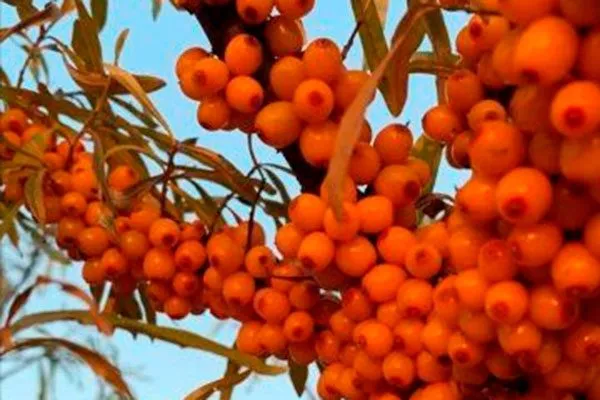
Turanian
The shrub is low-growing and compact, thornless. The cultivar has the following distinctive features:
- The shoots are thin, light green, with matte pubescence.
- The leaves are small, light green, with light pubescence on the surface.
- The fruits are medium-sized (up to 0.6 g), oval-shaped, dark orange in color, with medium-thick skin and medium-length stalks colored brown.
- The taste of the berries is sweet and sour and pleasant.
- Fruit ripening begins from August 14 to 20.
- This variety is winter-hardy, with moderate resistance to drought and fusarium wilt. It is rarely susceptible to endomycosis.
- Bears fruit from the age of 4.
- The variety is universal and can be used for various purposes.
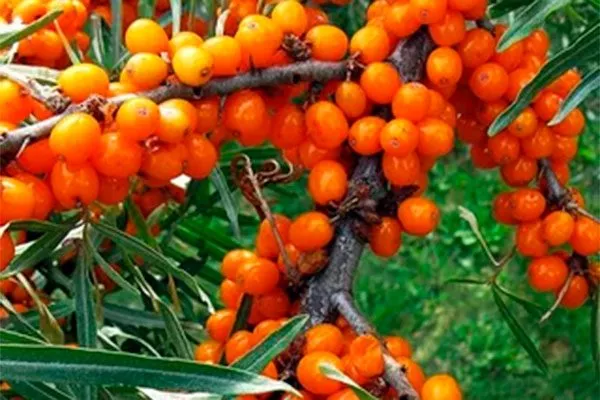
Pepper
Sea buckthorn has small thorns, but they are extremely rare. The plant has a compact, umbrella-like crown. Other distinctive features:
- The weight of the fruits reaches up to 0.7 g, their pulp is dense, and separation is dry and easy.
- The berries are ovoid in shape, orange in colour and have shiny skin.
- The berries ripen at the end of July or in the first half of August, depending on weather conditions.
- The yield of this variety is approximately 7 kg per bush per season.
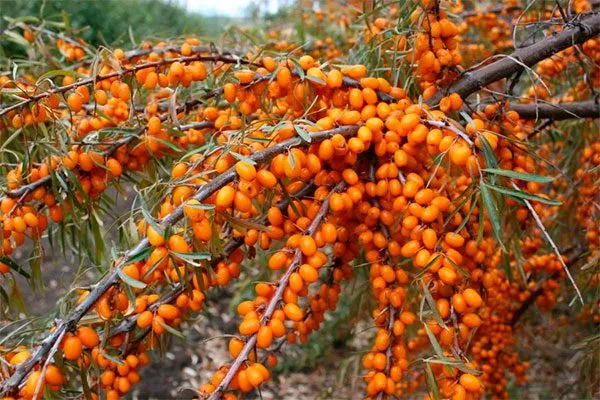
Winter-hardy thornless varieties for the Moscow region
Sea buckthorn growing in the Moscow region delights gardeners with abundant yields and juicy flesh. These varieties are characterized by strong immunity. The berries are harvested in July or August, depending on soil and weather conditions.
| Name | Ripening period | Disease resistance | Growing region |
|---|---|---|---|
| Moscow beauty | Mid-season | High | Moscow region |
| Botanical hobby | Late-ripening | High | Moscow region |
| Moscow pineapple | Mid-season | High | Moscow region |
| Excellent | Late summer | Average | Central, Northern, Northwestern, Volga-Vyatka, Middle Volga, Ural, East Siberian, West Siberian |
Moscow beauty
The bush is small, with a compact crown. It has the following characteristics:
- The fruit weighs about 0.8 g, is bright orange in color, and is oval-round in shape.
- The fruit's flavor is sweet and juicy with a rich aroma. Tasters rated it 4.5 stars.
- Moscow Beauty is winter-hardy and resistant to diseases and pests.
- The berries of this variety are used both fresh and for making tasty and healthy jam.
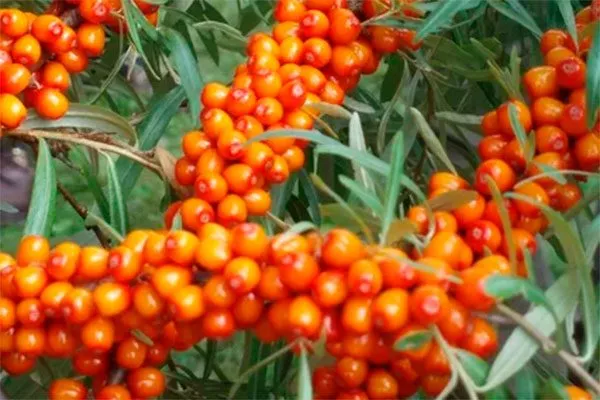
Botanical hobby
Plant reaches height of about 4 m, forming a dense pyramidal crown. Characteristics of the variety:
- The fruits are oval-shaped and orange-yellow in color.
- The skin is glossy and thin, and the stalk is long.
- The average weight of a berry is about 0.9 g.
- The fruits do not store well, so they are consumed fresh or sent immediately for processing.
- The variety is resistant to pests and diseases and can withstand low winter temperatures.
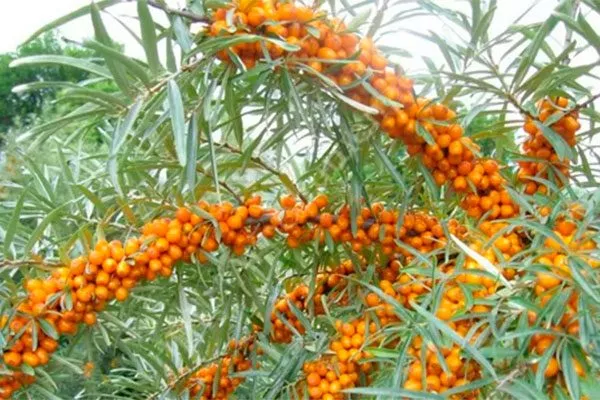
Moscow pineapple
The crop gets its name from the aromatic and juicy pulp of its fruits—they are sweet and pleasant to the taste. Features and positive qualities:
- The bush grows up to 3 m in height with curved and long shoots.
- The weight of a berry is about 0.6 g.
- The shape of the fruit is pear-shaped and elongated, and its skin is thick.
- The variety is winter-hardy, suitable for industrial cultivation and is weakly affected by diseases and pests.
- Sea buckthorn is versatile in use, suitable for both fresh consumption and processing.
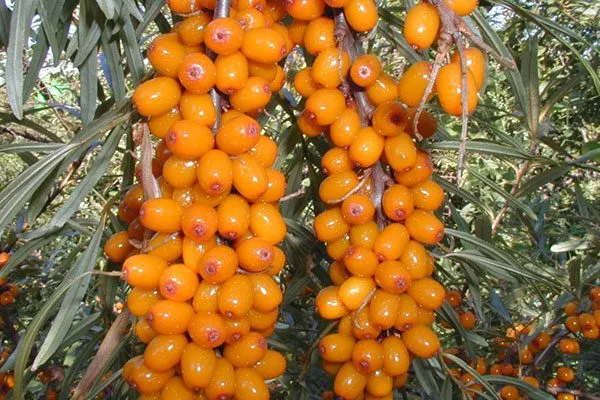
Excellent
The tree grows to a height of no more than 3 meters. It has dense foliage and a rounded, thornless crown. It has many distinctive characteristics:
- The fruits are oval in shape.
- The berries weigh about 0.7 g and are bright orange in color with smooth skin.
- Suitable for all types of processing.
- Frost resistant, but may be susceptible to pest attacks.
- The yield is good, about 10 kg per eachdogo plants.
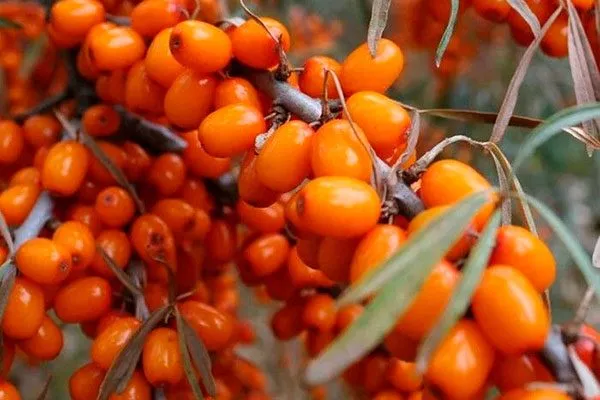
Sea buckthorn varieties without shoots
Young shoots, called suckers, are undesirable for plants. They slow growth, reduce yield, and can promote disease. Gardeners prefer to choose sea buckthorn varieties without thorns or suckers.
| Name | Ripening period | Disease resistance | Growing region |
|---|---|---|---|
| Chechek | Late-ripening | High | Eastern Siberia, Far East |
| Amber necklace | Late-ripening | High | Ural |
| Star Trek | Mid-season | High | Western Siberia |
Chechek
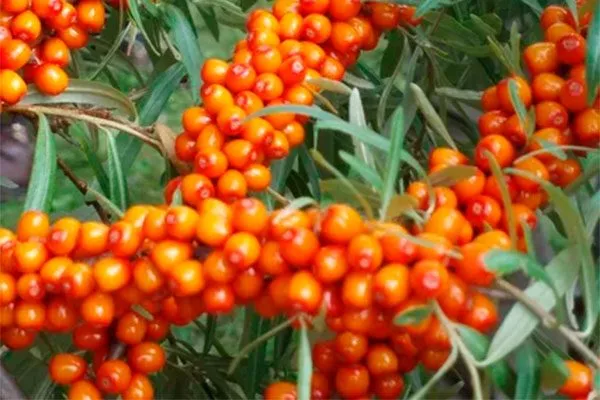
Medium-sized, neat sea buckthorn bushes not only serve a decorative function but also delight with a bountiful harvest. Distinguishing characteristics:
- The crown is spreading.
- The fruits are broadly oval in shape and weigh from 0.8 to 1 g.
- The pulp has a pleasant sweet and sour taste and contains an increased amount of oil, reaching 7.8%.
- The berries are orange in color with a reddish blush at the calyx and base of the stalk.
- Ripens in the first half of September.
- On average, it is possible to harvest up to 168.5 centners of crops per hectare.
Amber necklace
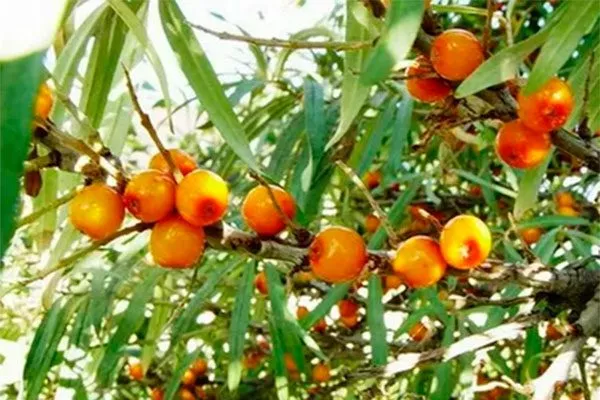
The bushes are medium-height and have a rounded, semi-spreading crown. Characteristics of the plant:
- The shoots are straight and thick, and the leaves are large.
- The berries weigh from 1 to 1.5 g. They have a sweet and sour, slightly tart taste.
- The yield can reach up to 14 kg from one bush, with the first fruits ripening in early September.
Star Trek
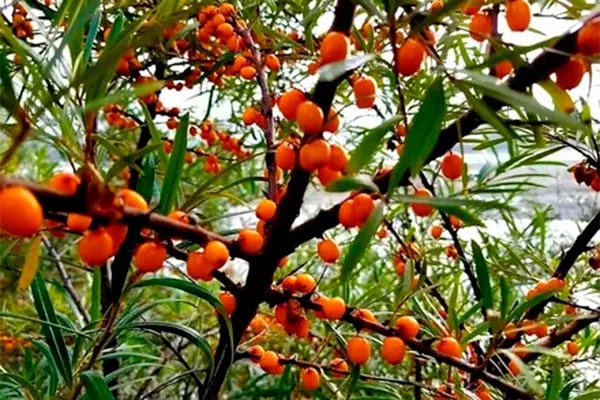
The bush is tall, with a spreading, dense crown. The number of thorns is minimal, making harvesting easy. It has the following distinctive qualities:
- The berries weigh about 1 g, have an oblong shape and a red-orange color.
- Due to the medium thickness of the skin, the fruits are well suited for transportation.
- The taste of the berries is sweet and sour, with a pleasant sea buckthorn aroma.
- It is winter-hardy and heat-resistant, which makes it versatile in use.
Thornless sea buckthorn varieties have become very popular among gardeners in our country. With proper care, they produce abundant harvests, are easy to pick, and are versatile in use. Among the many varieties, you can choose the one that best suits your needs.