
Sea buckthorn (Augustina spp.) is a popular plant whose berries are used for medicinal purposes. It boasts numerous benefits and characteristics, making it a popular choice for even novice gardeners. With proper care, it yields generous harvests of berries that improve metabolism and detoxify the body.
Originators
Variety was developed at the Research Institute of Horticulture and Seed Production (NIISS) by selecting seedlings from the large-fruited elite form 87-72-6a (So Shcherbinki-1 x Katunsky ecotype) based on open pollination.
Augustine was developed by breeders from the M.A. Lisavenko Siberian Horticultural Research Institute in Barnaul: E.I. Panteleeva, T.M. Pletneva, T.M. Chepurnova, K.D. Gamova, and V.V. Kurdyukova. It was submitted for state variety testing in 2001.
What does the bush look like?
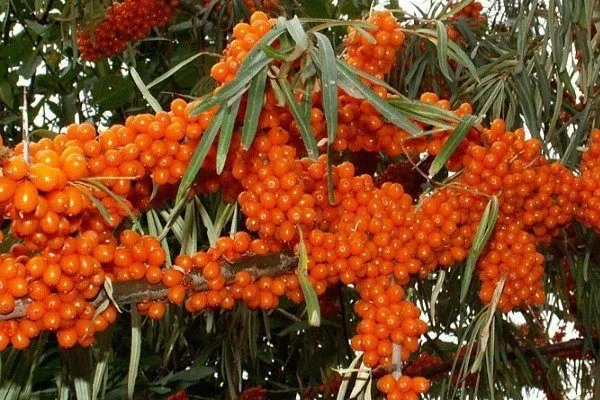
Augustine is a shrub with a medium-spreading crown. Distinguishing characteristics:
- It is characterized by a straight stem and black bark with yellowish patches.
- The shoots are reddish-brown in color and covered with a silvery coating.
- The branches are covered with small, narrow leaves that have a lanceolate shape.
Features of berries and their taste
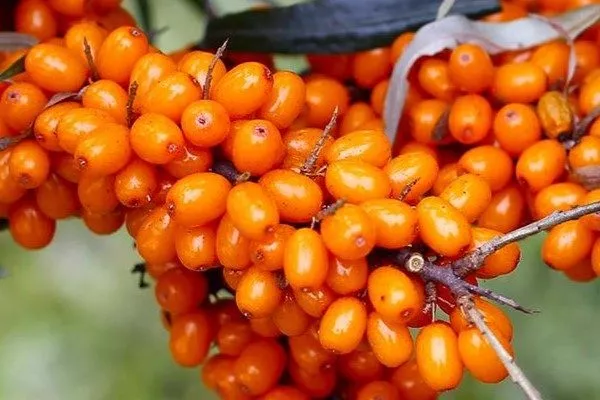
The fruits are ovoid and orange in color. They have a sour taste. The berries contain a variety of beneficial elements: sugar content is 9.6%, and acidity is 1.6%.
With a high vitamin C content (82%), Augustine is a source of health. Furthermore, the fruits contain carotenoids (20.0%) and oils (6.7%).
Fruiting period and yield
This sea buckthorn variety is renowned for its high yield. On average, one hectare yields approximately 52 centners, or approximately 5 kg, per bush. The fruits begin to ripen in August.
Subtleties of planting and cultivation techniques
Sea buckthorn does not tolerate root damage, so it is not recommended to plant it close to garden beds where soil cultivation poses a risk. Instead, choose areas along the edges where cultivation is rarely necessary.
- ✓ The optimal soil acidity for Augustine sea buckthorn should be within the pH range of 6.0-6.5. Deviations from this range may result in poor plant growth.
- ✓ The depth of groundwater should not exceed 1.5 meters to avoid rotting of the root system.
The plant prefers moist conditions and grows well near water bodies, so it thrives in soils that retain moisture, such as chernozem, loam, and sandy loam. However, it does not tolerate stagnant water, so avoid planting it in swampy areas or areas with a high water table.
Consider these factors:
- Sea buckthorn prefers sunny locations, so the site should be open and receive sufficient sunlight. Avoid shade, as this can kill the seedling.
- Plant the crop Keep a few meters away from fences and buildings. Avoid close proximity to trees.
- Before planting, prepare the soil by checking its acidity. If the soil is too acidic, add slaked lime. Heavy clay soils can be lightened by adding sand.
- Two weeks after applying lime, begin fertilizing the area. First, add organic matter, such as humus or compost, then mineral fertilizers.
Fertilizers can be applied to the entire area or to planting holes, keeping a distance of about 2 m between them.
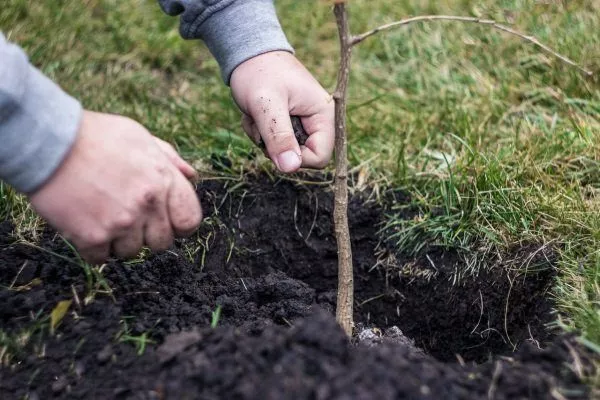
The planting process includes several steps:
- Drive a stake into the center of the hole into solid ground to provide support for the seedling.
- Form a mound of soil and place the seedling's roots on top. It's important that the root collar be 5-6 cm above the soil surface.
- Begin filling the hole with fertile soil mixed with humus, peat, or sand in a 1:1 ratio. Shake the seedling and carefully compact the soil around the roots to avoid creating voids.
- Tie the seedling to the support with a soft material that will not damage its bark.
- After planting, water the plants using approximately 20 liters of water per bush.

Caring for sea buckthorn involves several important aspects. Follow standard agricultural practices:
- Watering. The plant thrives in moisture, especially during periods of drought. Regular watering is necessary, especially during warm and dry periods, to maintain optimal soil moisture levels. Avoid excessive waterlogging, as this can lead to root rot.
- Fertilizer. Regular fertilizing helps maintain health and productivity. Apply fertilizer in the spring before the growing season begins and in midsummer. Organic fertilizers such as compost or humus are beneficial.
- Loosening. Loosening the soil around bushes helps improve oxygen access to the plant's roots and prevents suffocation. This procedure promotes the effective penetration of water and nutrients into the soil.
- Weeding. Regular weeding reduces weed competition for moisture and nutrients and helps sea buckthorn grow better. It's important to remove weeds before they have a chance to develop and compete with the plant.
- Mulching. Applying mulch around bushes helps retain soil moisture, prevents weed growth, and protects roots from overheating or freezing. Grass, sawdust, straw, or other organic materials can be used as mulch.
- Trimming. Regular pruning promotes shaping, improves air and light circulation within the bush, and encourages abundant fruiting. Sea buckthorn is best pruned in the spring before the sap begins to flow or in late fall after harvest.
Gardeners' reviews
Sea buckthorn Augustina is an ideal choice for both beginner and experienced gardeners. It is popular for its abundant harvests, high-quality berries, and attractive appearance. It requires little care, but with proper cultivation techniques, marketability can be significantly increased.