
The Marmalade pumpkin is a delicious variety with large fruits. It's versatile and popular among true pumpkin connoisseurs. It's easy to care for, undemanding, and ideal for growing in private gardens.
The History of the Marmalade Pumpkin
The Marmelad variety was developed by breeder Tatyana Steinert. Originator: Heterosis Selection LLC. The variety was included in the State Register of the Russian Federation in 2021 and is suitable for cultivation in virtually all regions of the country, including the Northern and Far Eastern regions.
What does the plant look like?
The Marmalade pumpkin plant is a medium-vine plant. It has medium-sized, undissected green leaves. The main stem is medium in length.
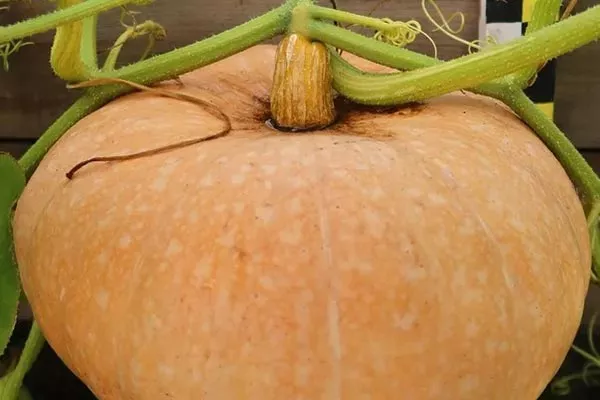
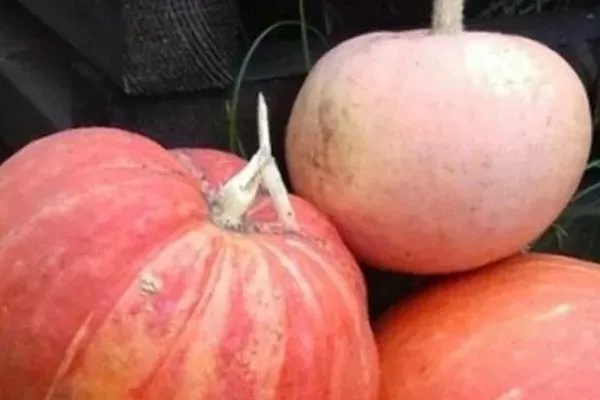
The fruits of the Marmalade pumpkin are flat and round. The rind is pinkish, with a faint pattern of thin stripes that break off before reaching the base of the fruit. The average weight of a single pumpkin is 2.5-5 kg. Individual specimens can reach 7 kg.
The surface is smooth or slightly segmented. The base is slightly concave, and the apex is concave. The flesh color varies from deep yellow to orange. The flesh reaches 6-8 cm in thickness, is dense and crisp.
Taste and purpose of fruits
The Marmalade pumpkin has a very good taste, with juicy and sweet flesh. The fruit contains a very high amount of carotene—94.87 mg%.
Main characteristics
The Marmalade pumpkin was bred for Russian growing conditions, including adverse ones. This variety has excellent agronomic characteristics, allowing it to be grown and yielded abundantly in a wide range of conditions.

Productivity
The variety has a medium yield. When grown commercially, 15 to 25 tons are harvested per hectare. Each plant produces 4-5 full-sized fruits.
Frost and drought resistance
The Marmalade pumpkin is characterized by good cold tolerance, making it suitable for cultivation in northern regions. However, it also has increased drought tolerance, making it suitable for regions with unstable moisture conditions.
Disease resistance
The Marmalade variety is fairly resistant to most common diseases affecting melons. Specifically, the Marmalade pumpkin has good immunity to powdery mildew, root rot, and anthracnose.
Pros and cons of marmalade pumpkin
Besides its catchy and beautiful name, the Marmalade pumpkin has many other advantages that attract gardeners. Before planting this variety in your garden, it's helpful to familiarize yourself with all its advantages and identify any drawbacks.
The Marmalade variety has no particular drawbacks, except that it is worth noting the need for plant shaping - it is necessary to remove excess shoots and pick off side shoots.
Landing features
To get a good pumpkin harvest, it's important to plant it correctly. This crop can be grown from seeds or seedlings. The latter option is typically used in regions with late springs and short summers. In the south, pumpkins are grown by direct seeding.
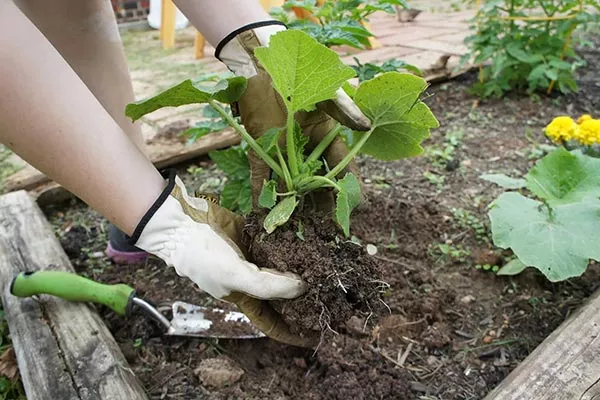
- ✓ The site should be protected from northern winds, which can reduce the temperature of the soil and air around the plants.
- ✓ Soil should have a pH in the range of 6.0-6.8 for optimal nutrient absorption.
How to choose a site?
Pumpkins prefer well-lit areas, which is especially important in northern regions. The soil should be fertile, not waterlogged, and loose. Acidic and heavy clay soils are unsuitable for pumpkins. The site should be protected from drafts and winds.
How to prepare the soil?
The soil for planting is prepared in the fall, dug over, and organic fertilizers are added—5 kg of humus or 7 kg of rotted manure per square meter. Mineral fertilizers such as superphosphate and potassium chloride are also added, as well as peat and coarse sand to improve the soil structure.
If the soil is overly acidic, add wood ash. In the spring, there's no need to dig the soil; simply remove weeds and level the soil with a rake.
When to plant?
Planting times depend on climate conditions. In temperate climates, seedlings are sown in April-May and planted outdoors around the end of May.
- Check the seeds for germination by placing them in water for 10 minutes. Seeds that float to the surface are not suitable for planting.
- Treat the seeds with a solution of potassium permanganate (1%) for 30 minutes to disinfect.
- Soak seeds in warm water (25-30°C) for 12 hours to speed up germination.
Seed preparation
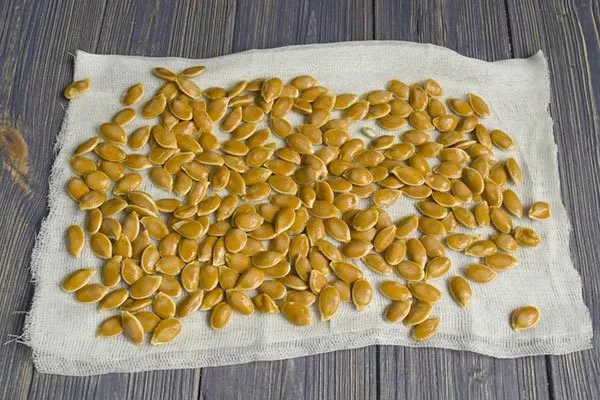
The planting material is calibrated, and damaged seeds are discarded. They are immersed in a saline solution for 5 minutes. Any seeds that float to the surface are not viable. They are then heated for 2-3 hours at 60°C and soaked for half an hour in a light solution of potassium permanganate.
Sowing in the ground
Dig holes 5-10 cm deep for planting. The optimal placement of the holes is a square nest. Place 3-5 seeds per hole, spaced 3-5 cm apart. In light soil, plant slightly deeper.
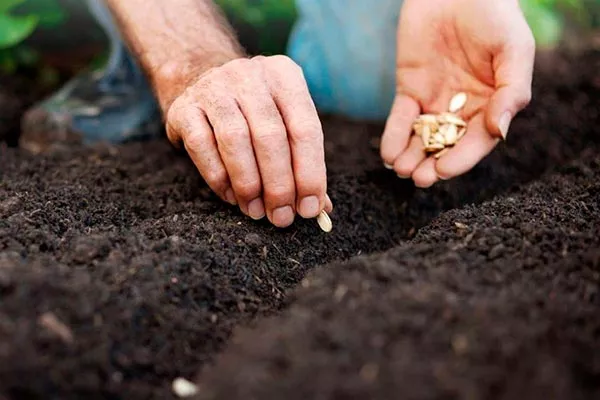
The seeds are covered with loose soil, lightly compacted, watered, and covered with plastic wrap, which is removed after germination. If the weather is warm, the sprouts will emerge in 6-8 days. The optimal sowing pattern is 80 x 60 cm.
Growing from seedlings
The seedlings are grown for about a month in individual containers. Shortly before planting, they begin to harden off by taking them outside every day.
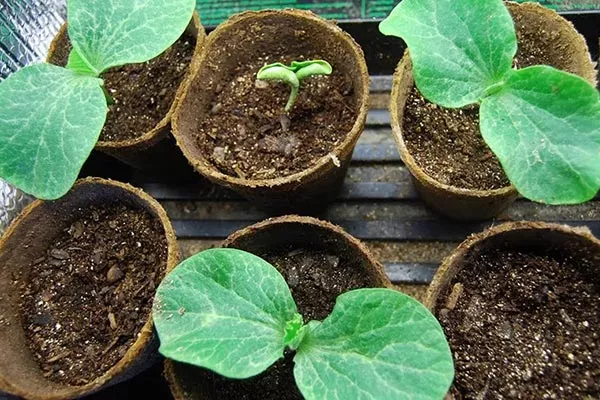
The seedlings are transferred to the ground when at least 3 true leaves appear on the plants and the threat of recurrent frosts has passed.
Good and bad neighbors
Corn, legumes, onions, cucumbers, and mint are considered good neighbors for pumpkins. Potatoes, cabbage, tomatoes, and beets are considered unfavorable neighbors for pumpkins.
Care instructions
To get a good harvest of Marmalade pumpkin, it requires regular care. This care is simple and consists of standard agricultural practices.
Watering
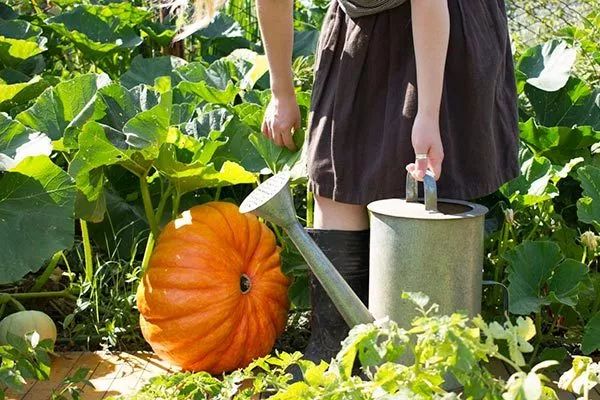
Watering should be infrequent and abundant. Water should be applied at the roots. When the bushes begin to flower, watering becomes less frequent, and the amount of water is reduced slightly. Warm, settled water should be used for watering.
Top dressing
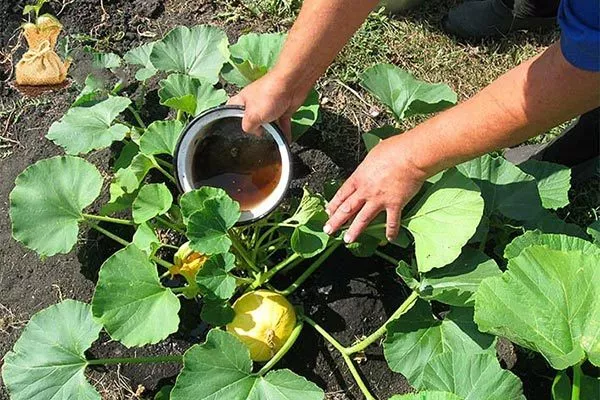
Fertilize pumpkins with organic fertilizer 3-4 times during the season. Two weeks after planting, apply a mullein infusion (10 liters per plant) with 2 tablespoons of nitrophoska added. Repeat the fertilizing at two-week intervals.
Formation
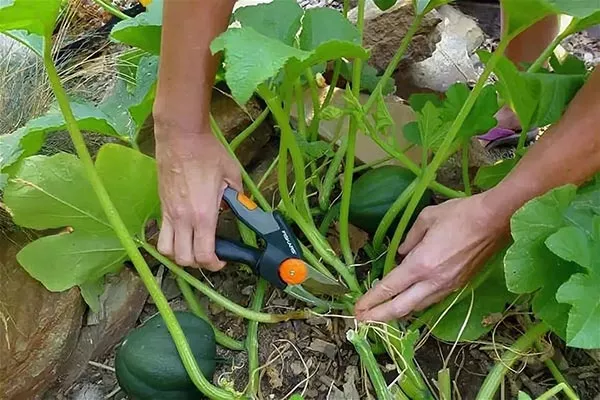
The plant is trained by removing excess shoots and side shoots. Only 4-5 fruits are left on each bush. The remaining shoots are covered with soil and pinned to the ground to ensure rooting, which allows the pumpkins to receive more nutrients and ripen faster.
Loosening and weeding
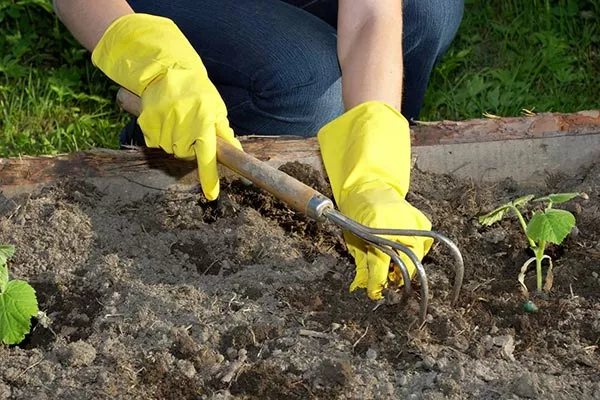
The beds are regularly loosened to prevent a hard soil crust from forming. Weeds are also removed, which is especially important during the first few weeks, while the plants are still small. The beds are loosened until the vines close.
Diseases and pests
To prevent fungal diseases, it is recommended to spray with mullein infusion, colloidal sulfur solution, copper sulfate or potassium permanganate; you can also use regular soda ash.
When symptoms of powdery mildew appear, the pumpkin is treated with the above compounds or appropriate fungicides are used, for example, Quadris, Topaz, Fundazol, etc.
The variety is not susceptible to pest damage, but under unfavorable circumstances, such as widespread pest infestations, excessive weed growth, etc., attacks by whiteflies, melon aphids, and spider mites are possible. If these or other pests are detected, the bushes are promptly treated with insecticides and traps are used—each pest has its own specific control methods.
Harvesting and storage
The Marmalade pumpkin harvest occurs in August and September. When the fruits ripen, the vines and leaves turn yellow, dry out, and die. The fruit stalks harden and dry out, and the rind hardens.
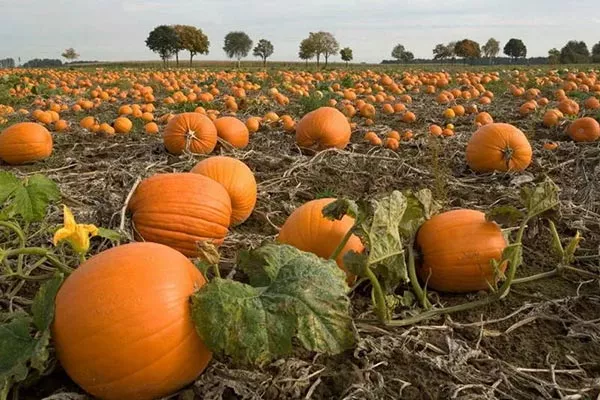
Harvesting is done in dry weather. It's important to gather the fruit before frost sets in, as frozen pumpkins spoil quickly. Cut the fruit with a knife; twisting them off can damage the flesh. Leave the stems about 5 cm long.
The harvested pumpkins are cleaned of soil, dried, and sorted. If the fruits are to be stored long-term, they are kept in the sun for a week. If it rains, they are stored in a ventilated area. The optimal storage temperature is 6 to 8°C, with humidity of 60-70%.
Reviews
The Marmalade pumpkin is a serious contender among the most popular varieties. This wonderful variety, with its excellent flavor, is very close to the ideal pumpkin. It has all the necessary qualities to become a favorite of even the most discerning gardener.