
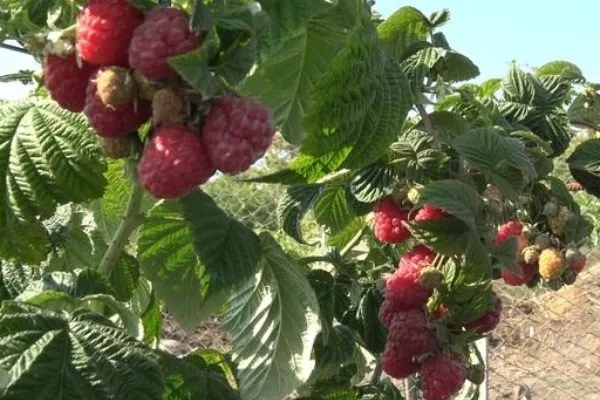
The Zyugana raspberry belongs to the group of everbearing varieties, capable of producing a harvest twice during the growing season. This applies to all regions of Russia except those with harsh climates, where the berries don't have time to ripen a second time. Sugana is distinguished not only by its record-breaking yields but also by its resistance to drought, frost, and diseases/pests. The berries are intended for dessert.
History of selection
The Zyugana variety, which originated in Switzerland at the prestigious Lubera nursery, founded as a family-run agricultural enterprise over one hundred and thirty years ago, became a true discovery in the world of gardening. Features:
- It was created by crossing two elite raspberry varieties: Terri-Louise, a native of Switzerland, and Joan Square, a native of France. Each is renowned for its high yield, large fruit size, and weight.
- Date of development: 90s of the last century.
- Initially, this variety found its use exclusively in Europe, where it was popular in countries such as Germany, Austria, Italy, the Netherlands and Spain.
- Since the beginning of the new millennium, its cultivation has spread to the countries of the former USSR, including Russia.
- The Zyugana variety is now famous for the numerous awards it has received at international exhibitions in Europe, North America, and Asia.
Due to its foreign origin, this raspberry variety has the international name Sugana, which often appears in scientific publications dedicated to this berry.
Introduction to the variety
This variety is often considered a leader in yield and flavor, making its berries particularly sought after in the fresh fruit market. Farmers prefer to grow it over large areas where climate conditions are favorable for its healthy growth, given its moderate frost tolerance.
External characteristics of the bush and berries, their taste and purpose
The shrub is considered compact, upright, and vigorous. Its height ranges from 150 to 170 cm, but some grow up to 200 cm. The plant diameter is approximately 65-75 cm. Other varietal characteristics and qualities:
- Escapes. Their diameter is 12-15 cm, and the surface is covered with light, dense bark. Despite their upright nature, the branches bend easily, but only after they reach one year of age. They remain strong, so they do not break. The length of the branches extending from the skeletal shoots varies from 4 to at least 70 cm.
Buds form at an average spacing of 10 cm. There are thorns, but they are small and not too prickly. This makes harvesting easy. A single skeletal branch produces approximately 20 or more shoots, each bearing numerous ovaries—200 to 300.
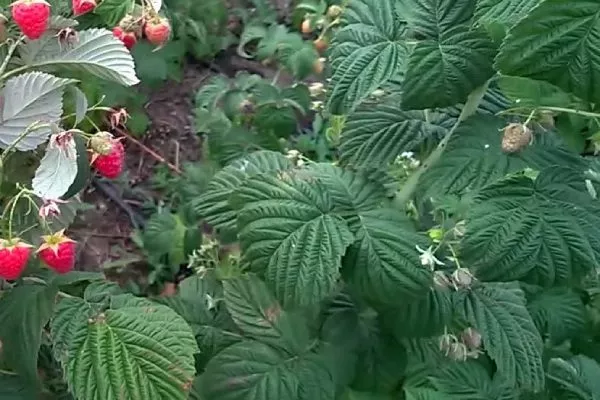
- Leaf blades. They have a slightly wrinkled and heavily pubescent surface. Their shape is considered irregular—very elongated, with arrow-shaped, serrated tips. A bulge is also present. A distinctive feature is that before the berries ripen, there are folds between the veins, but these disappear afterward.
The petiole is short—0.8-1 cm—and the foliage is bright green with an emerald sheen on the outside and a whitish tint on the inside. In autumn, brown spots form on the leaves, indicating that the foliage is beginning to wither before winter.
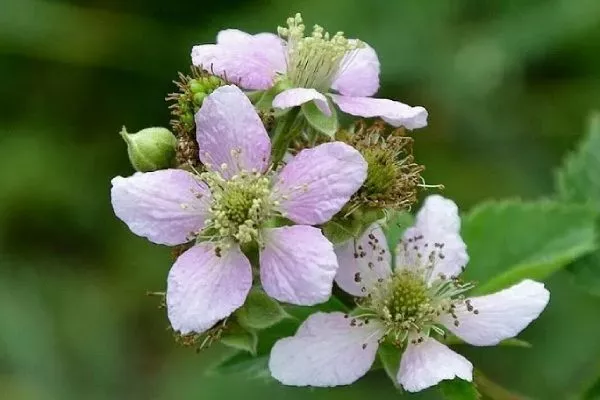
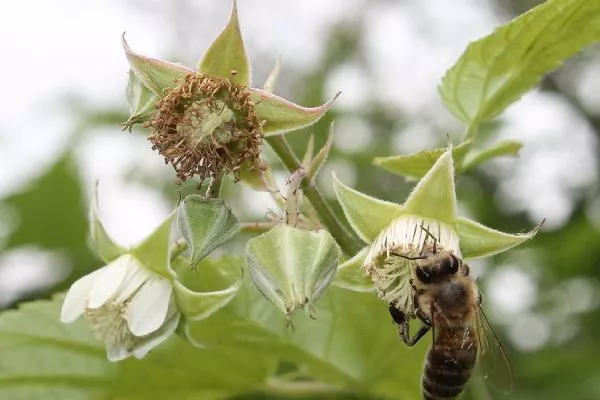
The plates are large in size – up to 10 cm in length and up to 5 cm in width. The veins are filiform and are located across the entire surface. - Inflorescences. Flowering begins in early May. The first buds form in the interior of the bush near the leaves. The flowers are large (3 cm in diameter), white, but with a delicate pink tint. Brownish spots are sometimes found near the receptacle, which has a hemispherical shape and a small diameter (90.6 cm).
Inside is a pistil measuring 9-0.8-0.9 cm and a stigma that measures 0.3 cm when open. The petals are thickened, slightly curved, up to 1-1.2 cm long and 0.5 cm wide. They are oval in shape, with a blunt rounding at the very tip. Quantity: 5.
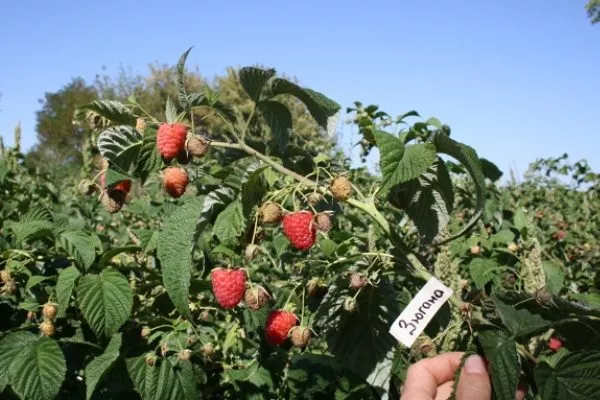
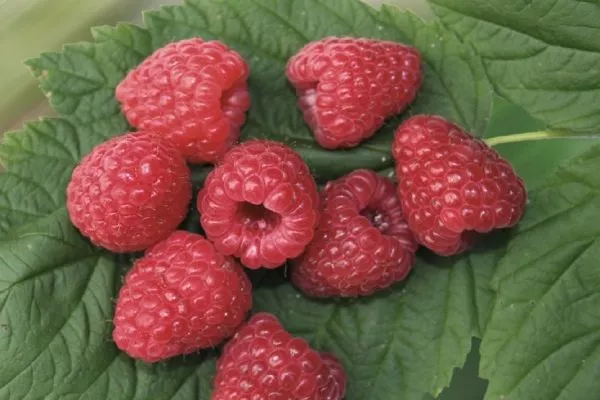
The stamens are located in the central part of the flower, but they are shortened (no more than 1.5 cm), filiform, in quantity from 20 to 40 units. The pollen nodule is yellow-brown. - Berries. Their shape is typical for raspberries—cone-oval. The fruit consists of 8-9 rows of fleshy drupes, containing small, soft seeds—they're not felt when eaten. The surface is thickened and slightly pubescent, which is where the gloss is most noticeable.
The flesh is tender, but the juiciness is moderate, preventing juice from leaking when pressed, ensuring good shelf life and transportability. The stem is firmly attached, and the fruit's color is initially pink, later turning reddish-scarlet and eventually ruby.
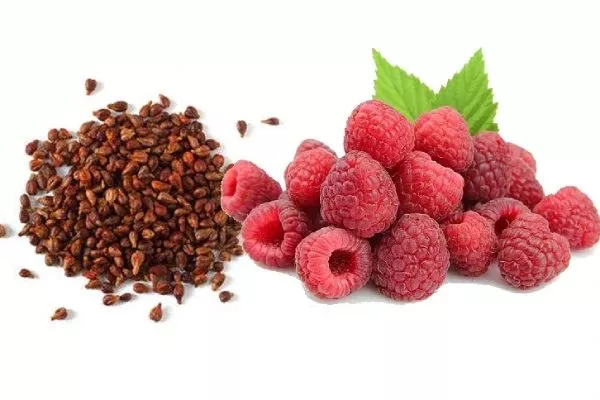
The fruit is medium-large in size, weighing between 5 and 8 grams, sometimes more. It measures 0.8-1.2 cm in length and 0.6-0.9 cm in diameter. The opening after detaching the stem is 0.5 cm in diameter and 0.7 cm deep. - Seeds. They are distinguished by their very fragile and delicate shell and small size—just 0.3 mm in diameter. Therefore, the seeds are imperceptible when bitten and impart no distinctive flavor. The seeds are characterized by the presence of essential oils—approximately 25%.
The Zyugan berry flavor is distinguished by its intense sweetness and dessert-like notes with a subtle tartness, ensuring a light and natural fermentation without the addition of exogenous sugars. The variety is ideal for making a variety of beverages and food substitutes.
The berries have excellent shelf life thanks to their moderate juice content and firm flesh, allowing them to be stored without refrigeration for up to a week. If stored properly in a cool, dark place, their shelf life extends to a month or more.
The product composition includes:
- Natural sugars such as fructose and pentose make up to 15%.
- Proteins, mucus and fiber are present in quantities of up to 4-5%.
- Fats are found up to 0.7-0.9%.
- Carbohydrates, mainly represented by sugars, make up 7-8%, which is higher than many other varieties.
- Vitamin C contains up to 1.3%, and vitamin B – up to 0.4%.
- Tannins, typical of the pits, are present in quantities of up to 0.15%.
- Malic, tartaric, citric and other natural acids make up to 0.8%.
- Caffeine in quantities up to 0.12%.
Frost resistance, where can it be grown?
Zyugana was originally developed for cultivation in central and southern Europe, where favorable climate conditions don't require high frost resistance. However, due to the milder climate in these regions, the variety began yielding later than usual.
In the European part of Russia, this raspberry variety is not always possible to grow, but it is actively cultivated in the southern regions:
- in the territory of Kuban;
- in the foothills of the Caucasus;
- in Crimea, as well as in other southern regions of the Russian Federation.
Characterized by moderate winter hardiness and limited protection from cold, this species can pose a challenge for cultivation in the northern regions of the country, including the Urals and Siberia. These climates impose certain restrictions on harvesting and plant care:
- It is important to provide sufficient sunlight for optimal fruit development.
- To protect the bush from winter frosts, it is necessary to carry out additional measures or create a greenhouse to maintain a favorable temperature, which entails significant costs.
- The lack of a protective covering can lead to the drying out of young shoots and their death.
- The size of the berries may be significantly reduced, and their ripening may be interrupted by the first night frosts, which will prevent the second harvest from ripening.
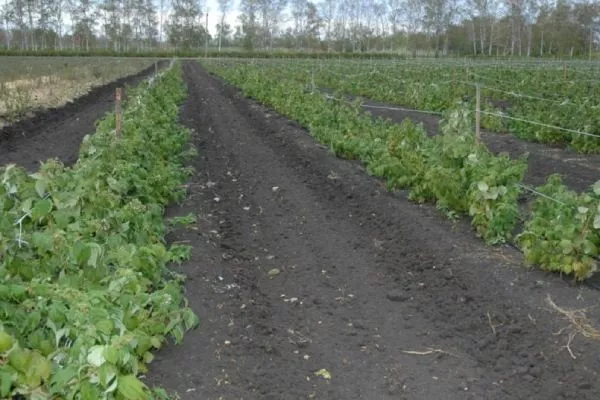
The average temperature tolerance of this variety is down to -15-20 degrees Celsius, making it suitable for cultivation in the central regions of our country, as well as in Crimea, the Caucasus, and other milder climate zones.
Pollination
Each remontant raspberry variety was developed by breeders to be highly productive and self-pollinating, making it self-sufficient in sexual reproduction. The Zyugana variety does not require an external pollinator to bear fruit.
- ✓ The Zyugana variety has a unique ability to self-pollinate, but the presence of other raspberry varieties within 10% of the total number of bushes can increase the yield by 15-20%.
- ✓ The berries retain their marketable appearance and taste when stored in the refrigerator for up to 4 weeks, which is rare for everbearing varieties.
However, if raspberries self-pollinate every year, this can lead to the old genetic data not being updated with new ones, which, in turn, contributes to a decrease in yield and underdeveloped fruits.
Therefore, if a raspberry patch contains a small number (no more than 10%) of other raspberry varieties with the same flowering times, this stimulates cross-pollination and contributes to an increase in yield, which, in turn, increases the profitability of the farm from the sale of finished products.
Fruiting method
The Zyugana variety is a striking example of a remontant raspberry, which produces a continuous harvest throughout the season with careful care.
Characterized by its late ripening period, it is therefore recommended to harvest the second crop before frost sets in, which is especially important for the climate of Moscow and the entire region.
Ripening period, yield
This variety produces two harvests per year: in summer and autumn, a characteristic of all everbearing varieties. In the Moscow region and other regions of central Russia, the average yield is 3 to 5 kg per bush, while in the southern and black earth regions, it can reach 5 to 7-7.5 kg.
The first ripe berries appear on the bushes between July 15th and 20th, and the second harvest occurs between September 15th and 25th. Harvest quantities can vary not only due to weather conditions but also soil quality and farming practices, which explains why many summer residents in the Moscow region continue to complain about insufficient yields.
Storage of the harvest
The quality of the taste and the methods for long-term storage of berries of this variety depend greatly on the conditions in which they are stored after being picked from the bush:
- If you want to keep fresh berries at room temperature, do not leave them untreated for more than 4-6 days.
- Storing the berries in a cool, dark place, such as a cellar or refrigerator, can extend their nutritional shelf life to 2-4 weeks.
- To ensure long-term shelf life, it is recommended to use shock freezing.
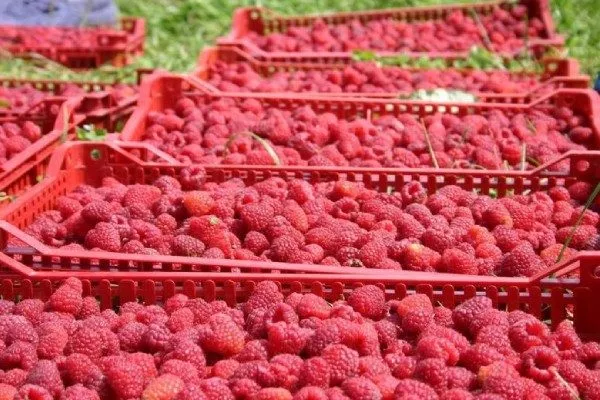
- Storage should be carried out exclusively in ventilated wooden boxes, periodically checking the harvest to avoid close contact between berries.
- Before storing, lay the berries on a soft cloth on a horizontal surface to allow the moisture to evaporate.
- When storing in a cellar, sort the berries every 3-4 days, removing spoiled fruit and weeding out those that are starting to lose freshness to prevent the spread of disease to healthy berries, preserving their marketable appearance for a long time.
Landing features
Zyugana raspberry thrives in sunny locations, sheltered from cool winds, on slightly elevated sites where south-facing slopes provide warmth and protection. For this purpose, use a building wall or fence.
Other requirements:
- This variety requires fertile soil with a neutral or slightly alkaline pH, which is essential for producing large yields. Liming is necessary on acidic soils.
- The optimal groundwater level is 100-200 cm.
- Soil previously used for growing other raspberry varieties, tomatoes, potatoes, or peppers becomes too poor for effective growth of new plants. Legumes and cucumbers are considered the best predecessors for raspberries.
- ✓ The optimal soil acidity for Zyugana raspberries should be between pH 5.5 and 6.5. Checking and adjusting the pH is essential before planting.
- ✓ The distance between bushes should be at least 70 cm, and between rows - 1.5 m to ensure sufficient aeration and lighting.
The spring planting process begins with soil preparation, which must be processed in the fall:
- dig over, removing weeds;
- enrich sandy soil with humus and leaf soil;
- add sand, compost and humus to clay soils;
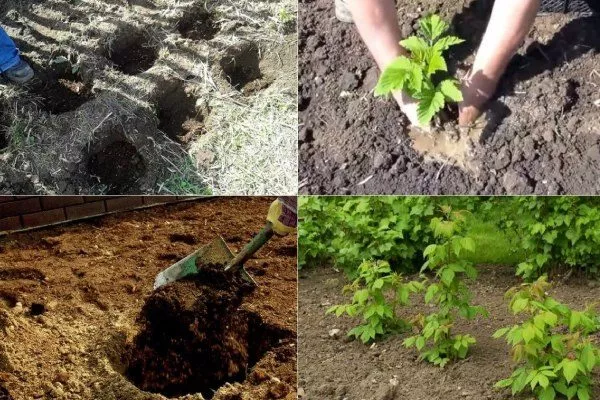
- Prepare holes or trenches 45-55 cm deep, add mineral complexes and wood ash to them.
With the arrival of warm weather in spring, when the soil has warmed up sufficiently, plant the seedlings in the traditional way.
Care instructions
To accelerate growth and increase the size of the Zyugana raspberry fruit, pay special attention to the care of the bushes, shoots, leaves, and roots. Regularly cultivate the soil and fertilize. When performing these activities, it's important to follow certain rules, consider the variety's characteristics, and adhere to planting recommendations.
Features of pruning
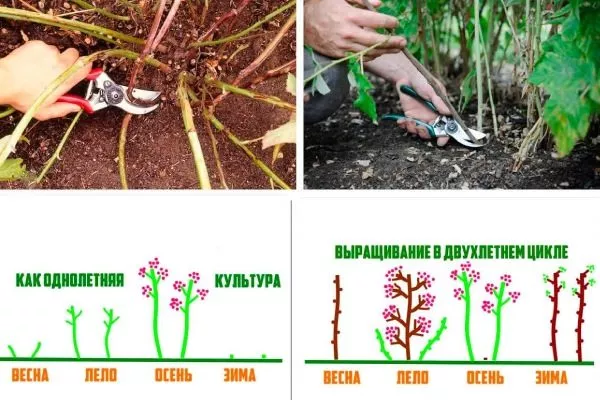
The bush of this variety can reach a height of over 2 m, which prevents the side shoots and stems from effectively processing the nutrients needed for the fruits and leaves. Therefore, trim the top of the bush every spring to a height of at least 10 cm from the edge.
Other features:
- Shorten lateral shoots that have not yet become woody to a length of 35 to 50 cm immediately after they form.
- Zyugana is characterized by large leaf blades, so if necessary, they should be cut off if they begin to hide the fruits and flowers.
- If you plan to shorten stems, shoots, and branches, or if you detect signs of disease or insect damage, immediately remove and destroy the affected parts of the bush to prevent the disease from spreading to healthy areas of the plant.
Watering
As noted earlier, Zyugana is drought-tolerant, allowing garden plot and farm owners to avoid daily watering. However, please note the following:
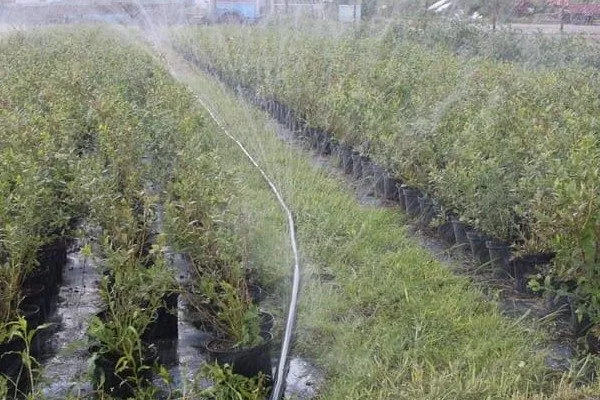
- During hot summer days, when the risk of leaves and flowers drying out is high, use a fine-mist or automatic drip irrigation system to maintain soil moisture at the required level.
- Irrigate the root zone with water no more than once every couple of days under favorable weather conditions (these are periods when there is night dew or summer rain).
- In dry weather, the need for moistening increases up to 10 times a day.
- If prolonged rains begin, temporarily stop watering and then wait until the soil layer around the plant roots dries to a depth of about 10 cm.
Fertilizer
Fertilizing plants increases yield, promotes leaf growth, and strengthens the root system. This procedure is critical during certain periods:
- in the spring, introduce mineral preparations with a large amount of nitrogen, such as saltpeter or nitroammophoska;
- In the summer, before flowering and during fruit ripening, foliar feeding is used, when fertilizers are sprayed on the leaves, using a composition that includes calcium, potassium, urea and phosphorus;
- During the ripening period of berries, add a composition of calcium, phosphorus, potassium and urea to the soil immediately after watering the bushes;
- In the fall, to maintain the health of the crop after intensive fruiting, add wood ash, humus or compost to the soil.
Mulching
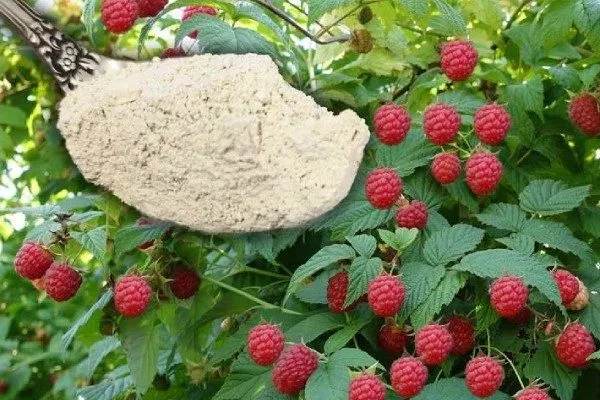
The mulching process involves applying a thin layer of mulch, which allows the rhizomes to grow freely, receive nutrients, and keep the soil moist for a long time.
For mulching, use organic materials such as dried straw, sawdust, or dried grass mixtures. The average mulch layer is 7-10 cm.
Reproduction
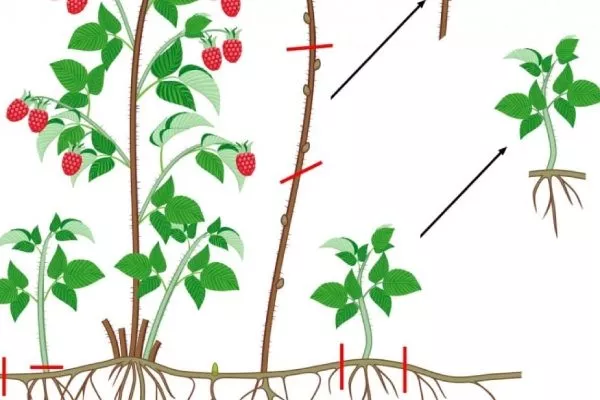
Spreading Zyugana raspberries won't be a problem for experienced gardeners, as this crop is distinguished by a large number of basal shoots:
- For propagation, select a young shoot that is located at a distance of 30-35 cm from the main bush.
- Carefully remove it with a sharp tool along with the roots and the lump of earth.
- Transplant the new raspberry bush into the holes you prepared earlier. The root collar of the seedling should be level with the plant's surface.
- Water new bushes thoroughly and mulch them.
Pros and cons of the species
Zyugana is extremely popular among gardeners and farmers worldwide due to its numerous advantages. In Russia, this Swiss variety is not always successfully grown, leading some consumers to prefer other varieties of everbearing raspberries, given its shortcomings.
Positive qualities of this variety include:
The negative aspects of growing this variety include the following:
Gardeners' reviews
The Zyugana variety, which originated in Switzerland, has successfully adapted to Russian soils and has won the hearts of many gardeners. The only challenge faced in cultivating this raspberry is finding high-quality planting material. Recently, a new Zyugana variety, a yellow one, was introduced, which boasts an even higher sugar content and aroma.