
The Firebird raspberry belongs to the group of everbearing varieties with late ripening periods. It is distinguished by its decent fruiting, ease of cultivation, and excellent flavor. However, its frost resistance is average, which is why in many regions of our country it is cultivated as an annual.
History of selection
The Zhar-ptitsa variety is the result of successful breeding efforts by specialists at the Bryansk branch of the I.V. Michurin All-Russian Scientific Research Institute of Horticulture. The work was conducted under the guidance of renowned scientist I.V. Kazakov.
The variety was registered in the State Register in 2003. Its name reflects the distinctive beauty of its berries, which seem to glow with a bright red color.
Introduction to the variety
Initially, this variety was recommended for cultivation in the Central and Central Black Earth regions of Russia. But today, it can be found in hobby gardens and farm fields throughout almost every area of the country where berry cultivation is possible. Reviews of this variety are particularly positive, especially from owners of gardens located in cooler climates.
Description of the plant and fruits
The Firebird raspberry has the typical botanical characteristics of its species:
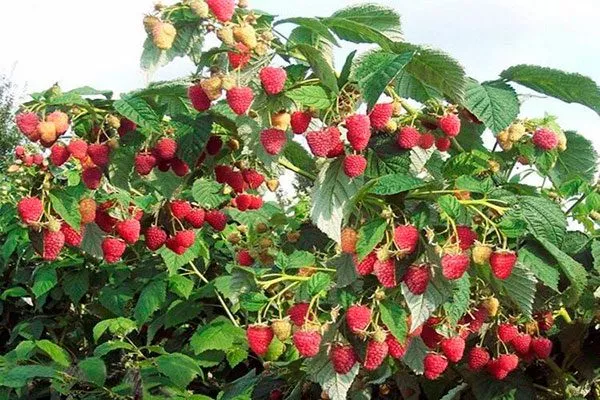
- The bushes are distinguished by their strength and weak spreading, reaching a height of up to 160-200 cm.
- The plant's stems are fairly thick in diameter, resistant to breakage, and light green in color with a delicate sheen. Small spines can be found at the base.
- The branches of the plant are highly branched, completely covering the central trunk with fruiting elements.
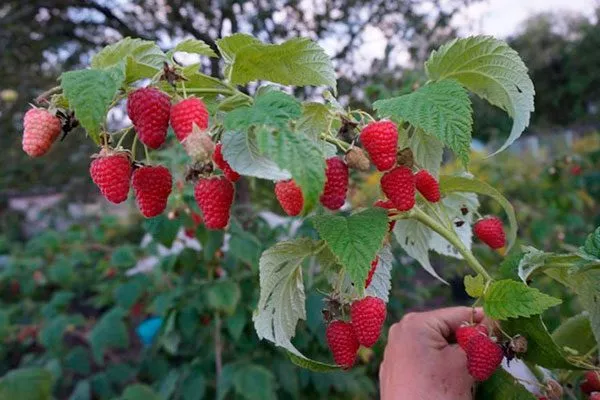
- The leaves are small, with a wrinkled surface, a pale green outer layer and a light beige inner layer.
- No more than 7 replacement shoots are formed per season, which makes the work of gardeners easier.
- The flowers are large, snow-white, and produced in large quantities.
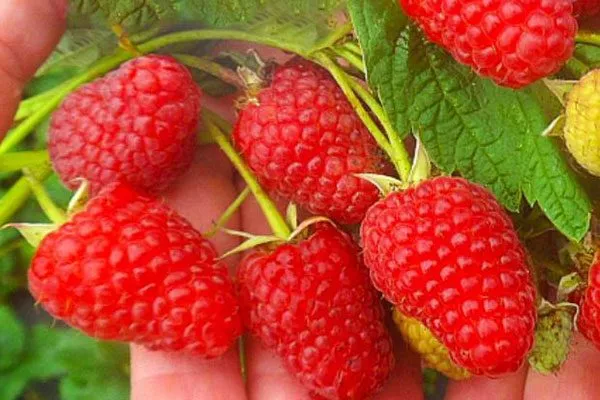
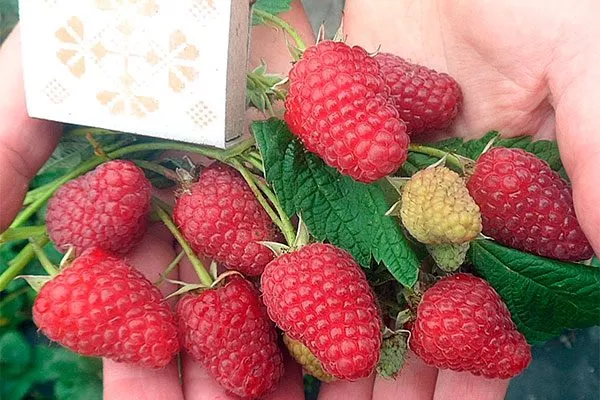
- The berries have a light red hue and a noticeable sheen.
- The shape of the berries resembles a cone, with elongated ends.
- On the branches you can find berries of varying weights – from 4 to 6 g.
- The taste is rich, typically raspberry.
- The ratio of acidity and sweetness is balanced.
- The aroma is distinctly pleasant, the pulp is very juicy.
- The seeds are small and tightly attached to the berry.
Characteristics
To determine whether this variety is worth planting in your raspberry patch, carefully examine all the bush's properties:
- Winter endurance. The Firebird raspberry variety has average tolerance to low temperatures. It requires winter protection. Removing the bushes from their supports requires special attention due to their height and the thickness of their shoots. To avoid these difficulties, it is recommended to grow the raspberry as an annual. This will not affect the overall yield and may even improve its quality.
- Drought tolerance ability. This variety isn't particularly heat-tolerant. At temperatures around 30 degrees Celsius, the leaves begin to dry out.
- Pollination and fruiting ability. Raspberries are capable of producing fruit even without pollinators. During the season, they develop tall shoots and produce berries. This distinguishes the everbearing variety from the common summer raspberry, which produces stems in the first year and then produces fruit the following year.
The variety is late, ripening begins at the end of summer. - Productivity. A single bush can yield 2.3 to 2.8 kg of berries. On an industrial scale, the yield is 13 tons per hectare (this is an average figure). In cold regions, raspberries do not have time to ripen fully.
Harvesting the Zhar Ptitsa raspberry takes about two months. The berries must be picked daily.
How to store?
The Firebird variety is ideal for harvesting with specialized agricultural equipment. Transporting these berries in small crates is easy. Storage life is limited to three days when stored in a cool place.
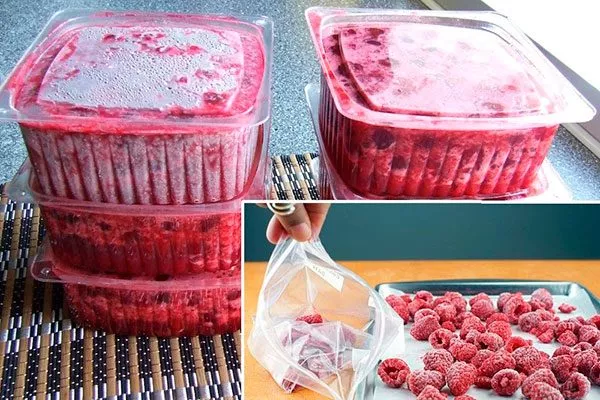
To extend the shelf life of raspberries to one week, it's important to harvest them promptly—before they reach biological ripeness. Unprocessed fruit should be carefully packed into containers, no more than 4-5 layers deep, and immediately cooled to a temperature of 7°C (45°F). This same temperature is typically maintained in the fresh food section of refrigerators.
Landing
When growing Firebird raspberries, it's important to remember certain varietal characteristics that will help maximize yield. Planting time depends on the region's climate:
- in the south, it is preferable to plant raspberries in the fall;
- In cooler areas, bushes take root better in the spring, but seedlings should be planted only after the danger of night frosts has passed.
When choosing a location, consider a number of criteria:
- the place should be protected from gusts of wind;
- the bushes require enough light;
- The firebird prefers fertile soils with a high organic content;
- the groundwater level should be below 150 cm;
- If the soil is highly acidic, lime it before planting;
- thoroughly clear the allocated area of weeds, it is especially important to get rid of rhizomes;
- When preparing a site for spring work, add organic and mineral fertilizers to the holes in advance in the fall.
Preparing a raspberry patch depends on the time of year when planting will take place: if in the fall, then preparatory work is carried out in the spring, and if in the spring, then in the fall.
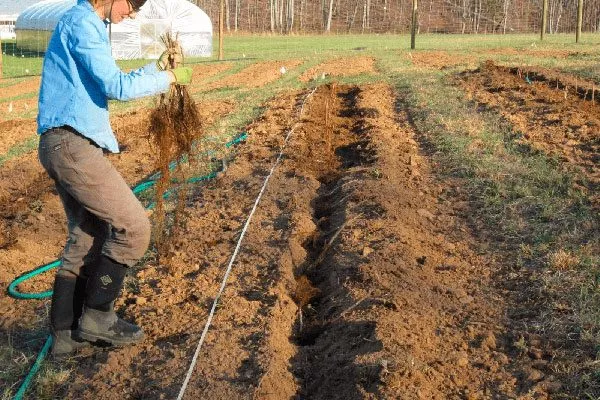
Raspberries are typically planted on a slight slope or on a level surface. If the site's location doesn't allow for this, drainage is necessary. Ditches are dug to drain excess moisture. There are various approaches to planting the everbearing Firebird raspberry:
- When using the bush method, the distance between seedlings should be up to 150 cm, and the width between rows should be at least 250 cm.
- With the trench planting method, about 50 cm remains between the bushes, taking into account that each seedling will lead to the appearance of 5-6 shoots;
- ✓ The optimal soil acidity for Firebird raspberries should be within the pH range of 5.5-6.5.
- ✓ The distance between rows when planting using a trench method should be at least 2.5 meters to ensure sufficient ventilation and access to light.
Care tips
Caring for raspberries includes a range of activities:
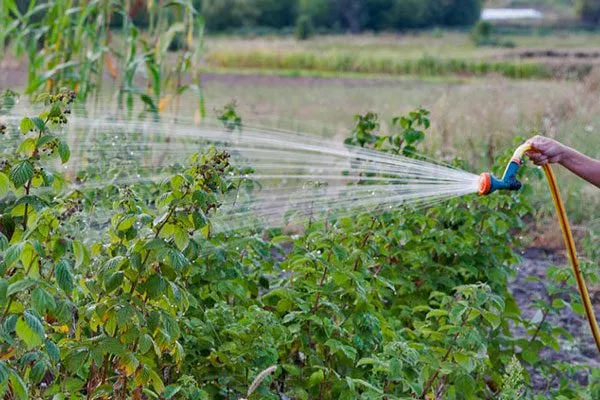
- Irrigation. To meet the bushes' water requirements, water them once a week, ensuring moisture penetrates to a depth of approximately 35-45 cm. During periods of heavy rainfall, watering is discontinued. During hot weather, it is recommended to protect the plants from direct sunlight and mist them in the evening using spray nozzles.

In large raspberry gardens, it is preferable to use a drip irrigation system, since the Firebird does not tolerate even short-term drought. - Mulching and fluffing. Mulching helps protect the root system from overheating and soil dehydration. Organic plant waste is used for this purpose. Periodically loosen the root zone.
- Supports. The bushes grow tall, so when planted individually, they are secured to stakes. They are supported in rows with wire, with the lower trellis stretched 50-55 cm above the ground, and the stems secured with plastic clips.
- Nutrition. Start fertilizing no later than the third year after planting. Recommended schedule:
- At the beginning of spring, apply 1 liter of a solution of mullein or horse manure diluted in a ratio of 1:5 under each plant.
- During flowering and fruit formation, use superphosphate, ammonium nitrate, and wood ash for nutrition. Mix these ingredients with water in a barrel and water the plants.
- After harvesting, use complex mineral compounds to restore the soil.
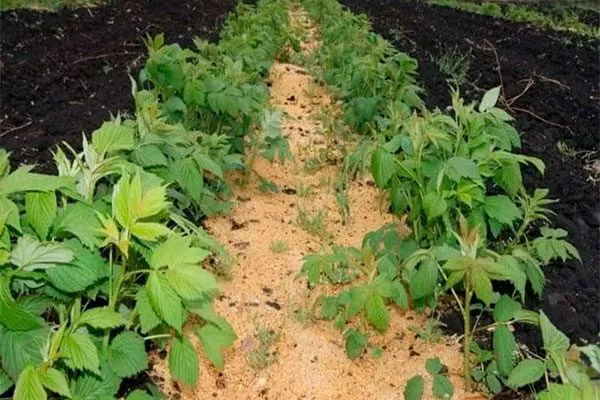
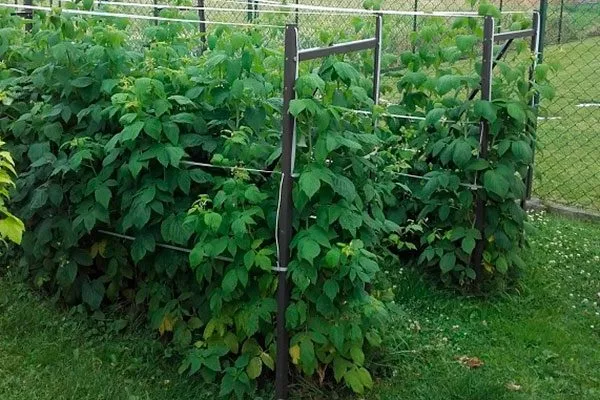
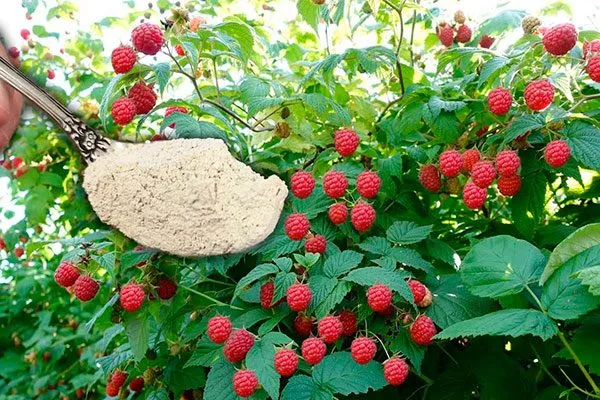
Fertilizing schedules can be adapted to specific soil conditions. For example, if raspberry patches are mulched with compost in the fall, mullein can be omitted in the spring. In commercial orchards, fertilizing is planned for the long term, taking into account the condition of the seedlings, soil quality, planting density, and other agricultural factors.
Preparing for winter
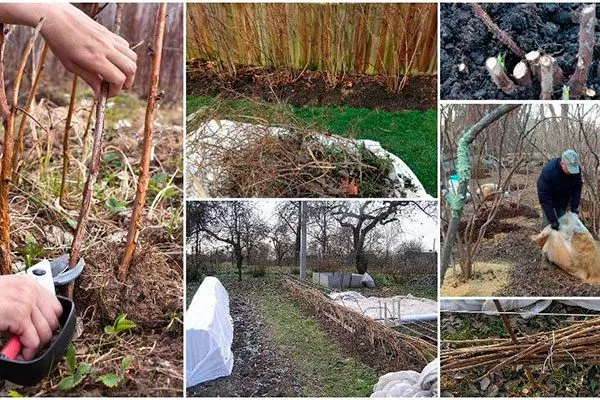
Considering the plant's moderate frost resistance, it's recommended to carefully prepare the garden for winter. Gently bend the branches toward the soil surface, cover them with agrotextile, and sprinkle with soil (peat or sawdust can be used). As cold weather approaches, cover the branches with a layer of snow.
Diseases and pests
The variety is resistant to diseases and pests, but the raspberry bush's main enemy is the raspberry cane fly, which lays eggs so small they are difficult to see with the naked eye. The presence of the pest is only apparent when leaves and shoots begin to die.
To prevent pest infestations in the spring, it is recommended to treat the bushes and the surrounding soil with a 3% solution of Bordeaux mixture. For pest control, you can use Fitoverm and Agravertin. Karbofos and Iskra should be used only in exceptional cases and strictly according to the instructions.
To minimize the risk of pest infestation and proliferation, the following rules should be followed:
- leave enough space between bushes;
- weed the raspberry patch and remove weeds from the area;
- use mulching;
- trim shoots regularly;
- monitor humidity;
- prepare bushes for winter.
Reproduction
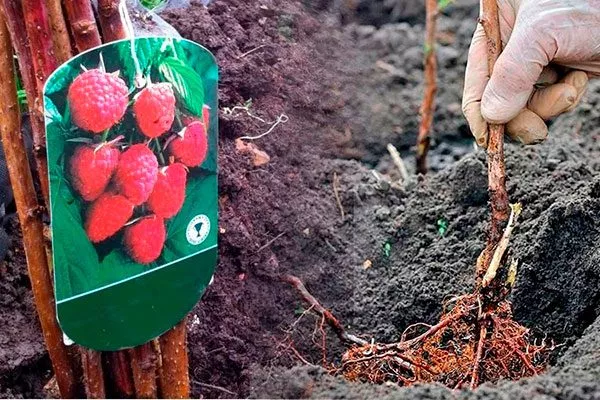
Raspberry cultivation can be accomplished by growing seedlings or using cuttings. When choosing planting material, it's crucial to carefully inspect it for diseases and damage.
The process of propagation by cuttings includes the following steps:
- bury freshly cut branches under a protective layer in a greenhouse;
- In spring, acclimatize raspberries by removing the protective layer;
- With the arrival of autumn, transplant the cuttings into open ground.
What are the advantages and disadvantages?
Gardeners' reviews
The Firebird variety impresses with its tall, vigorous shoots and exquisite berries with a unique raspberry flavor and aroma. However, the bush does not tolerate hot weather and drought very well, requiring support structures and adequate nutrition. Nutrient deficiencies and dense planting can affect yield.