
Japanese raspberries attract gardeners with their unusual, exotic appearance and numerous beneficial properties. This variety is resistant to diseases and pests, and it has high frost tolerance, making it an excellent choice for a variety of climates. Proper care is essential to maximize yields.
History of the variety's development
The crop is widespread in Japan, China, and Korea. It became known in the 19th century, when it began to be widely cultivated in private gardens. It has many names, including "Purple-fruited." In China, it is called "Miao Miao."
Introduction to the variety
This plant has only recently appeared in Russia, but has already received many positive reviews. It is considered a wild plant, so it's important to research its pros and cons before purchasing. Detailed characteristics are provided below.
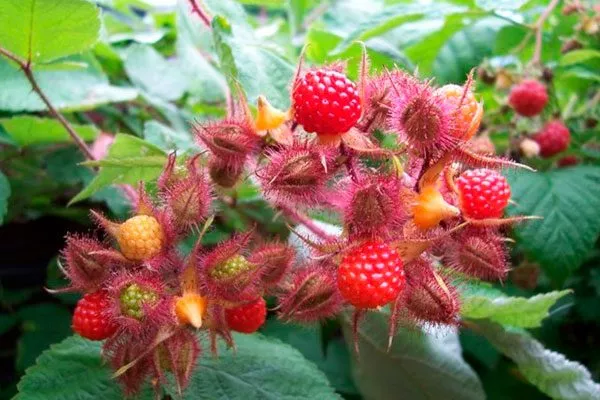
How is it different from other varieties?
Japanese raspberries differ from other varieties in several ways. Here are the main ones:
- Appearance of fruits. They are large, shiny, and brightly colored.
- Taste qualities. This variety has a unique taste that cannot be compared with traditional varieties.
- Climate preferences. The culture is well adapted to different climatic conditions.
- Decorative qualities. The plant is often planted for landscaping and decoration of the area.
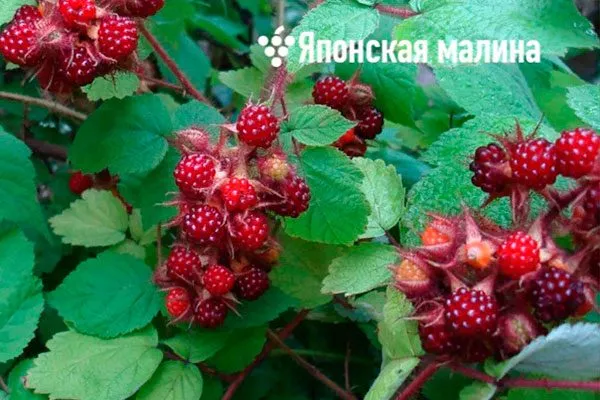
The variety differs from other types not only in appearance and taste, but also in its unique qualities, which make it especially popular in certain regions.
When does it ripen?
Fruiting occurs unevenly, resulting in variable ripening times. This process begins in August and continues until the first autumn frosts. A single cluster often contains both ripe and unripe fruits.
Productivity
Productivity rates are relatively low. Under favorable conditions, with warm and sunny summers, a single bush can yield up to 1.5 kg of berries per season. If the raspberries are small or the weather is less favorable, the yield can drop to 500 g.
Berries and their taste
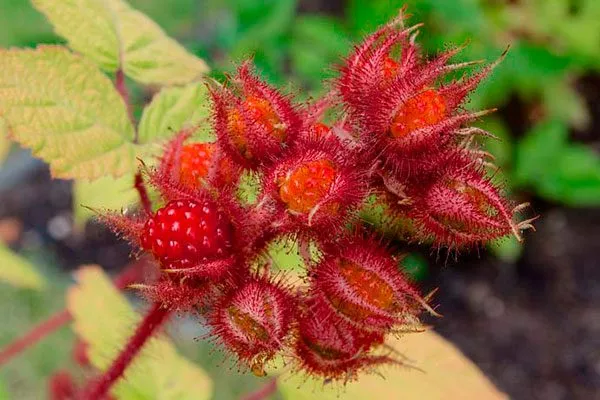
The fruits are oblong, reaching up to 1 cm in length and up to 10 cm in diameter. They change color depending on the stage of ripening, starting with pale red and progressing to purple and violet. Overripe berries are colored in shades of black.
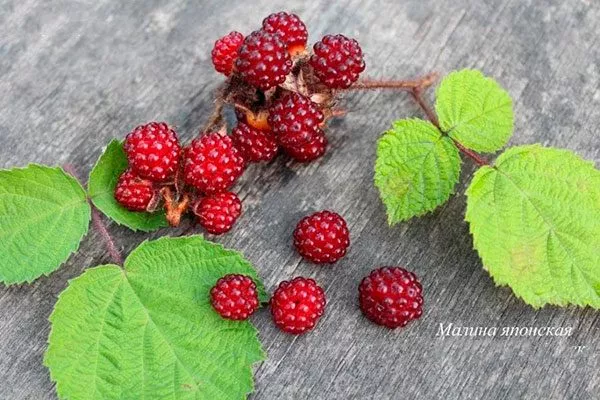
The flavor depends on the amount of sunny days during the ripening period. In warm summers, the berries become sweeter. In cool and rainy periods, tart notes predominate.
Description of the shrub
This is a small subshrub with thin, reed-like stems. Distinguishing characteristics:
- Height - up to 2 m.
- Escapes – long, strongly curled, covered with small hairy bristles.
- Leaves - feathery, with light pubescence on the underside, colored dark green.
- ✓ Presence of small hairy bristles on the shoots.
- ✓ Pinnate leaves with light pubescence on the underside.
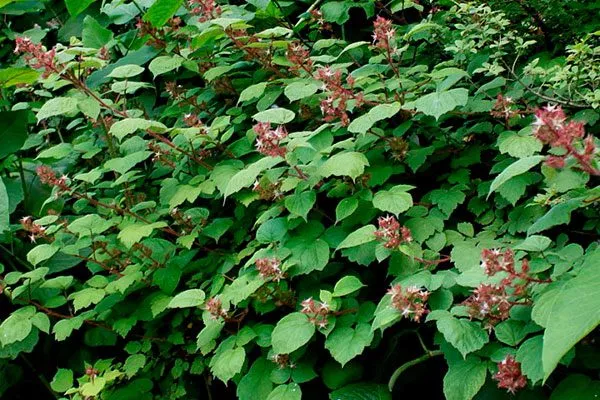
Japanese raspberry: beneficial properties
The fruits are rich in vitamins C, A, and B, and contain numerous beneficial substances. Although the plant is often considered a weed, it possesses numerous medicinal properties that persist even after heat treatment:
- diaphoretic and antipyretic action;
- reduction of swelling and stopping of bleeding;
- stimulation of labor;
- help with diarrhea;
- prevention of anemia and leukemia;
- treatment of various skin diseases using crushed leaves;
- improvement of gastrointestinal tract function with any type of berry consumption;
- facilitating the discharge of sputum;
- lowering blood sugar levels.
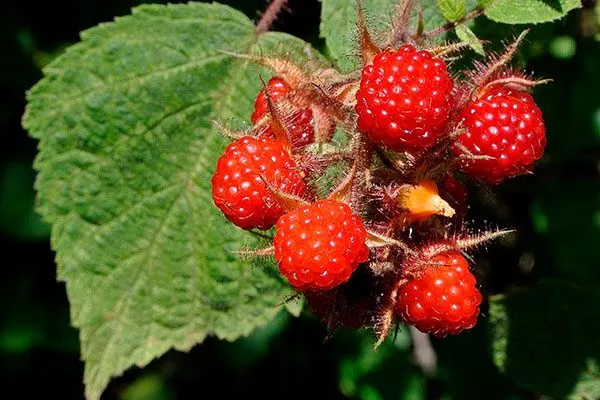
In Eastern medicine, the fruits are used in infusions to calm the nerves, increase tone and improve vision.
Application in landscape design and cooking
Fresh berries are successfully used in cosmetic treatments. The pulp is added to facial masks—it has a moisturizing and rejuvenating effect, nourishing and softening the skin. Thanks to the small seeds, the fruits are ideal for making gentle homemade scrubs.
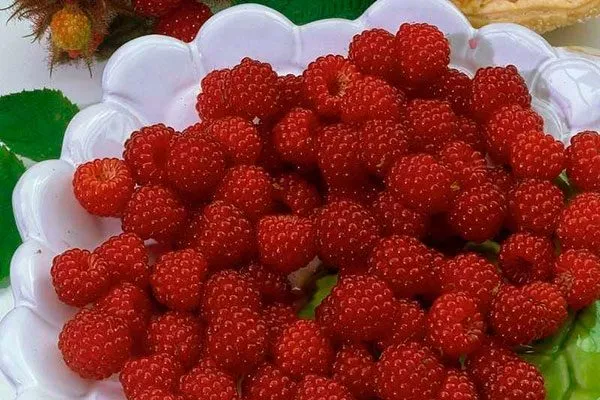
In addition to harvesting, this plant is also planted for decorative purposes. This shrub with its beautiful dark emerald foliage makes an excellent hedge, adding a unique appearance to any garden.
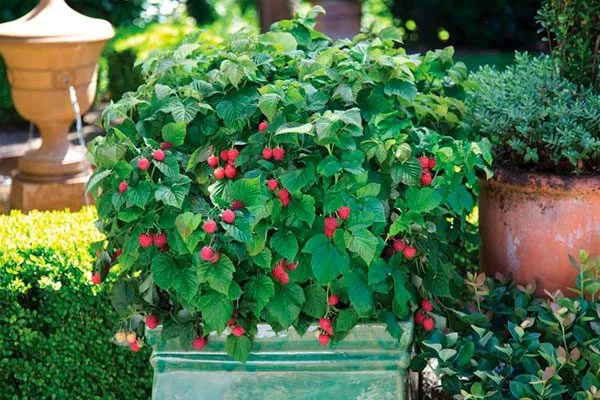
Landing features
Growing and caring for Japanese raspberries is generally straightforward – it's considered one of the easiest varieties to grow in garden plots. To ensure a good harvest, follow these basic growing guidelines:
- The plant prefers neutral or slightly acidic fertile soil and good sunlight. The planting site should be protected from strong winds, and preferably have plenty of snow accumulation during the winter months, which serves as natural insulation.
- Plant seedlings in both spring and fall. A month before planting, thoroughly prepare the soil: dig over the area, remove any remnants of previous crops and weeds. Loosen the soil, add a complete fertilizer, and, if necessary, add compost.
- Avoid planting Japanese raspberries where strawberries, tomatoes, or potatoes were previously grown. These crops are susceptible to the same diseases as purple raspberries, increasing the risk of infection.
- ✓ Soil pH should be between 5.5-6.5 for optimal growth.
- ✓ The soil must have good drainage capacity to avoid water stagnation.
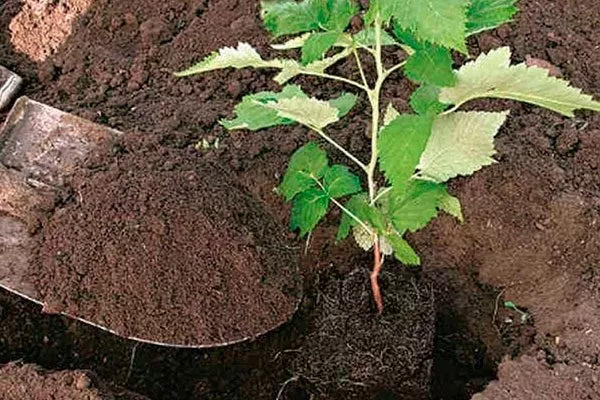
Plant the seedling in the prepared area according to the following algorithm:
- Dig a hole that is approximately twice the size of the root system.
- If fertilizer was added during site preparation, plant it in the hole immediately. Otherwise, add organic fertilizer mixed with the soil.
- Carefully straighten the roots, directing them downwards.
- Cover them with soil, then carefully compact it around the stem so that the root collar is level with the soil surface.
After planting, water the seedling generously and mulch with peat, chopped straw or sawdust.
How to care?
Growing this plant doesn't require much attention. Simple care procedures are sufficient:
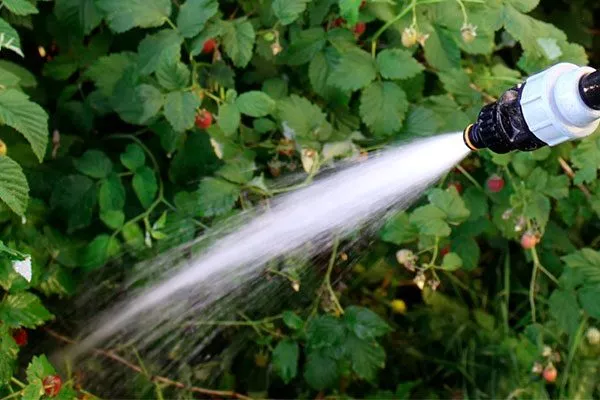
- Watering. Unless there's a prolonged drought, raspberries usually thrive on natural rainfall without additional watering. During periods of drought, irrigate as the soil dries, avoiding excess watering, which can lead to waterlogging.

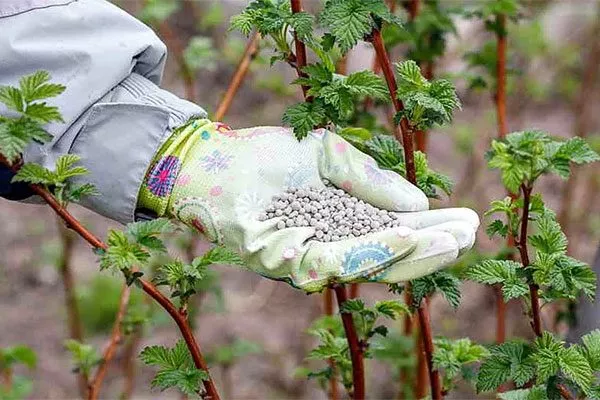
- Top dressing. Fertilizing once a year in the spring is sufficient. Use 30 g of urea to stimulate growth, 50 g of superphosphate diluted in water, and approximately 30 g of potassium.
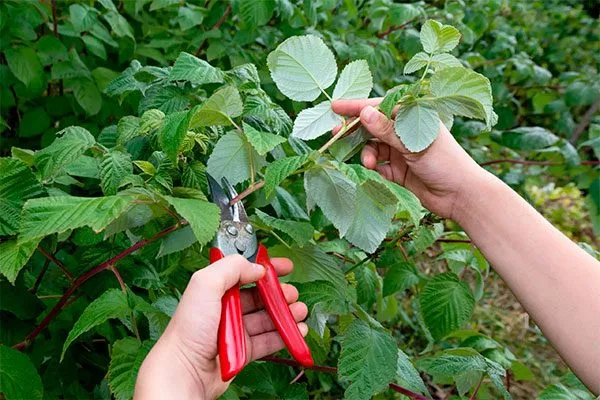
- Trimming. This is important due to the plant's tendency to grow rapidly. Perform this procedure immediately after harvesting. During this process, remove two-year-old shoots and any diseased, broken, or weakened branches. Prune any branches that are crowding the bush, as they can hinder healthy growth and reduce fruiting.
Shorten annual shoots by 20-30 cm annually. This promotes the development of lateral stems, which form buds for the future harvest, which can double the yield.
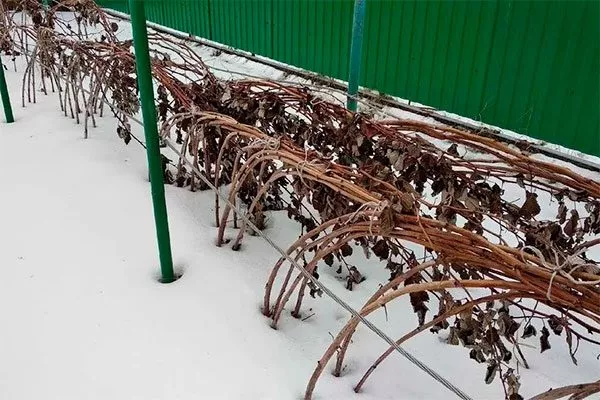
- Preparing for winter. Cover the shrub only in northern regions with extremely low temperatures. Otherwise, natural snow cover will protect it. For additional protection, tie the branches into bundles, bend them to the ground, and cover them with spruce branches or other protective material.
If a snowy winter is expected, cover the bush with snow, which will protect the shoots and roots from freezing.
Diseases and pests
Japanese raspberries are rarely affected by diseases. The main threat is purple spot. This fungus can attack weakened plants, causing brown or purple spots on the stems and leaf attachments. As a result, the bush dies out.
To treat purple spot, use a 1% solution of Bordeaux mixture. Spray in the spring before the growing season and after harvest. This helps control the spread of the fungus and prevent its negative impact on the plant.
Among the pests that can attack the crop, gall midges, spider mites, and common aphids are particularly dangerous. To prevent infestations or eliminate existing insects, treat the plants with Actellic and Karbofos solutions annually.
Reproduction
Increasing the number of seedlings in your garden is a doable undertaking. Propagation isn't particularly difficult, as there are several different methods:
- Green cuttings. In the spring, take cuttings from a mature plant, leaving 3-4 internodes on each. Immediately root them in sand in a temporary bed or plant them in a permanent location. Rooting usually takes about a month, during which time water the plants generously.
Once new green leaves appear, reduce watering, ensuring the bed is moist no more than once every 10 days. - By layering. Young shoots, attached to the soil surface and buried in a trench, take root, and in the fall separate them from the mother bush for planting in a permanent location.
- Root shoots. Such shoots root easily, but require growth control to prevent unlimited spread.
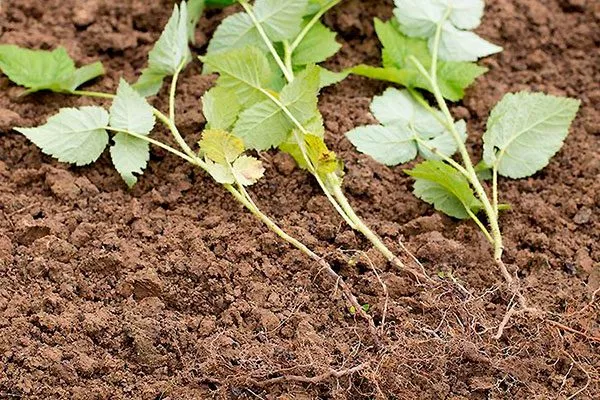
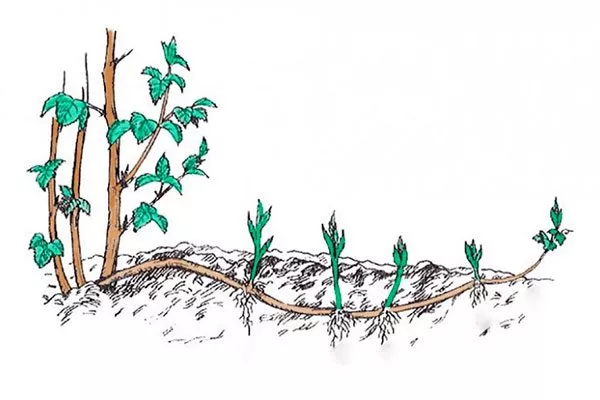
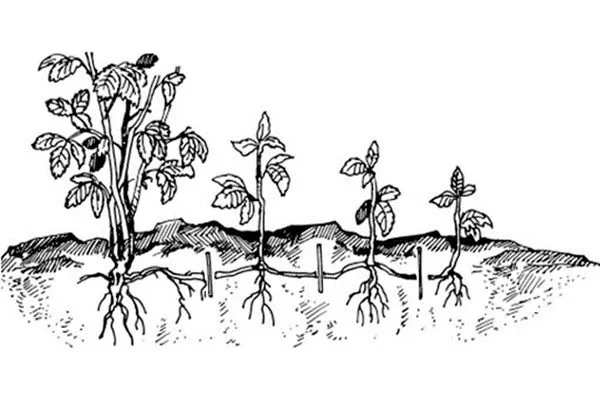
The choice of propagation method depends on your preferences and available resources, but each of them allows you to successfully increase the number of seedlings.
How to get rid of it?
Combating this culture requires a systematic approach, given its high viability and tendency to spread rapidly. Here are some effective methods:
- Digging up young plants. Start with young plants, removing them along with their roots. This will prevent further spread.
- Covering with thick film or fencing. Cover the areas with thick dark film or install metal fences to prevent new shoots from growing.
- Use of herbicides. For more drastic control, use general-purpose herbicides such as Tornado, Roundup, or Agrokiller. These products help destroy roots and inhibit regrowth.
The final stage of control involves uprooting any remaining bushes and young shoots, followed by the installation of a thick plastic sheet or barriers to prevent further growth. These measures will significantly reduce the likelihood of the crop returning to the site.
Advantages and disadvantages of the variety
Japanese raspberries have become popular among gardeners due to a number of advantages that are important to consider before planting. The plant boasts the following characteristics:
Reviews
Japanese raspberries are a source of delicious and healthy berries. The plant beautifies gardens thanks to its ornamental qualities. It tolerates frost and drought, delighting with a stable harvest. To maximize its yield, it's important to provide the plant with proper care and devote more attention whenever possible.