
The Vysokaya raspberry is a popular variety that has become a real find for many gardeners thanks to its unique characteristics. Its compact bushes look harmonious in small spaces and provide a good yield when planted en masse. Proper care is essential to ensure strong immunity and excellent yields.
Appearance of the bush
The variety was developed by L. I. Chistyakova at the Sverdlovsk Horticultural Experimental Station by crossing the Kaliningradskaya and Shartashskaya varieties. It is distinguished by its versatility and possesses a number of characteristics that make it attractive for cultivation.
- ✓ A strong waxy coating on the shoots provides additional protection against pests.
- ✓ Moderate number of shoots reduces the need for frequent pruning.
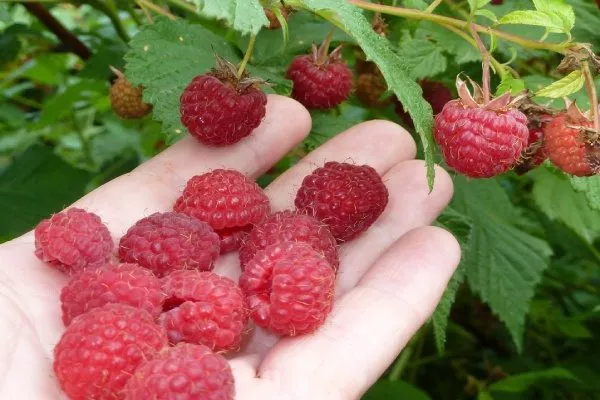
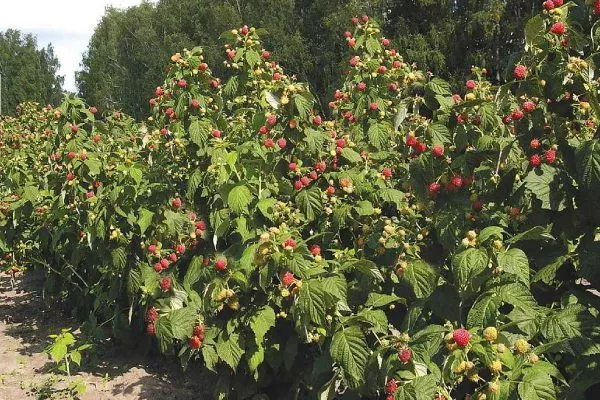
The bushes grow upright and form quickly. They produce a moderate number of shoots of medium diameter with slightly drooping tips covered with a thick waxy coating. The leaves are medium-sized and slightly wrinkled.
Berries and their taste qualities
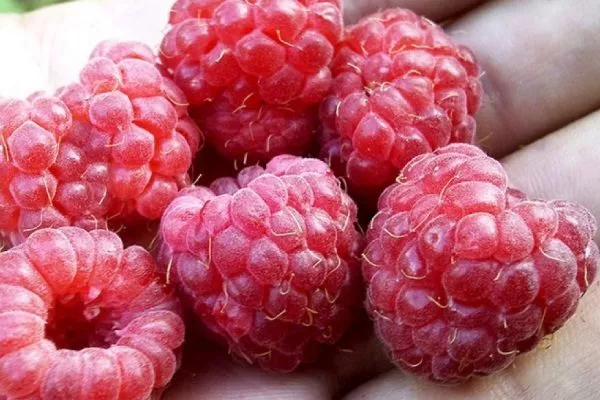
The spherical fruits are raspberry-colored. They range from medium to small in size, weighing approximately 2-2.5 g. The flavor is described as good and pleasant.
Care and cultivation
Raspberries prefer sunny locations with good wind protection. Choose sites with a southern or southwestern exposure. They prefer fertile, well-drained soils with a neutral or slightly acidic pH (6-6.5). Avoid heavy clay or excessively sandy soils.
Step-by-step instructions:
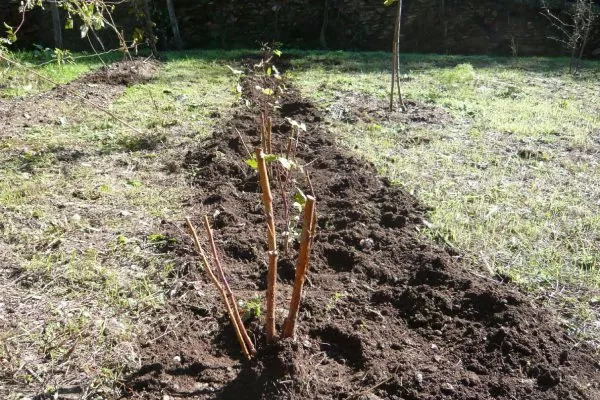
- Place seedlings at a distance of 50-70 cm from each other and 1.5-2 m between rows.
- The depth of the holes is 30-40 cm, the width is 50 cm. Add some compost to the bottom of the holes.
- Place the seedling in the hole, spread the roots, and cover them with soil, compacting them gently. Water each bush with 5-7 liters of water and mulch the soil.
Provide your plants with comprehensive care. Follow these simple gardening practices:
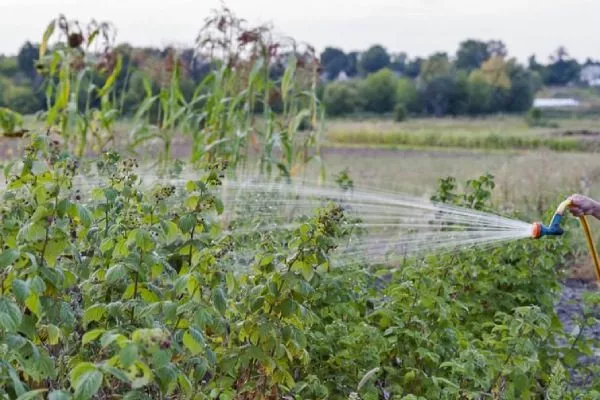
- Watering. Watering should be regular, especially during flowering and berry ripening. On average, water the plants once a week. Apply 10-15 liters of water under each bush. Gardeners recommend using drip irrigation or watering in furrows between rows to prevent the leaves and shoots from getting wet.
- Top dressing. In early spring, apply nitrogen fertilizers (urea or ammonium nitrate) to stimulate growth. Before flowering, use a complex fertilizer containing nitrogen, phosphorus, and potassium. After harvesting, feed the plants with phosphorus and potassium fertilizers to strengthen them and prepare them for winter.
- Trimming. In spring, remove damaged and weak shoots, leaving 5-7 strong stems. In summer, prune fruiting shoots to the ground. In autumn, prepare the bushes for winter by trimming back weak and diseased branches.
- Mulching. Maintain a 5-7 cm layer of mulch (straw, sawdust, peat) to retain moisture and suppress weeds.
- Loosening. Carefully loosen the soil after watering to improve root aeration.
Reviews
The Tsikoy Raspberry is deservedly popular among gardeners due to its low maintenance, strong immunity, and versatile fruit use. Proper planting ensures a consistent and abundant harvest of delicious and aromatic berries. Even beginners choose it because it requires little time and effort to maintain the bushes.