
The Taganka raspberry is a remontant variety that stands out from other varieties not only for its excellent taste but also for its high yield, adaptability to various climates, and ease of cultivation. With proper and timely care, you can harvest large quantities of juicy fruit for further processing.
History of selection
Created by domestic breeders. In the mid-1970s, breeder V.V. Kichina developed this variety, presenting it at an agricultural fair in 1976. To create it, he crossed Scottish hybrid plants with the raspberry variety Krupna Dvuroda.
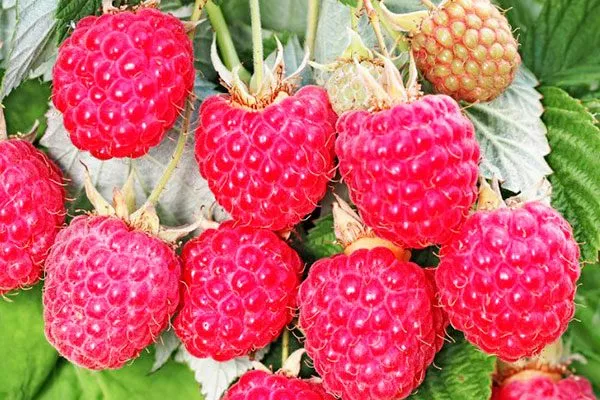
In just a few years, Taganka has gained popularity. This raspberry variety remains popular among gardeners thanks to its many advantages: it produces delicious fruit and is insect-resistant.
Introduction to the variety
Taganka is one of the best varieties for yield, winter hardiness, and ease of care. A detailed description of the crop is provided below.
Description of the plant and fruits
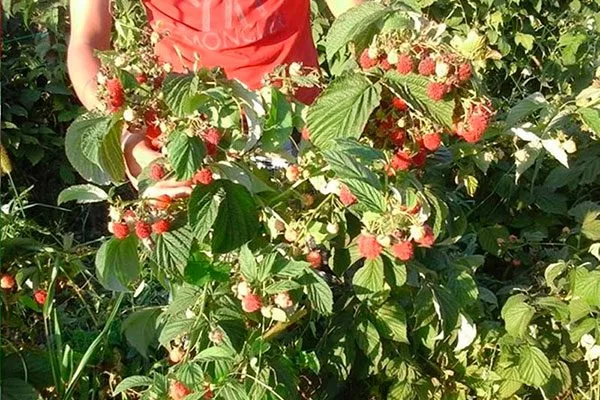
Large bushes reach heights of up to 2 m and have a spreading habit. Features and distinctive characteristics:
- Escapes – The stems are sturdy, brown in color, sometimes with a brownish tint. Each bush produces 7 to 9 strong stems.

- Leaves - large, dark green (emerald) in color, densely covering the shoots.
- Spikes – purple, relatively soft, which makes harvesting and carrying out agricultural activities convenient.
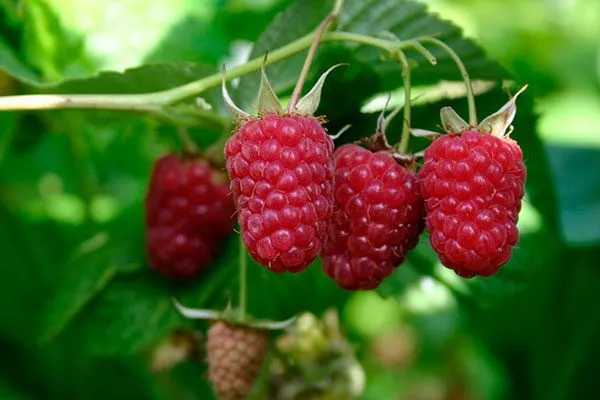
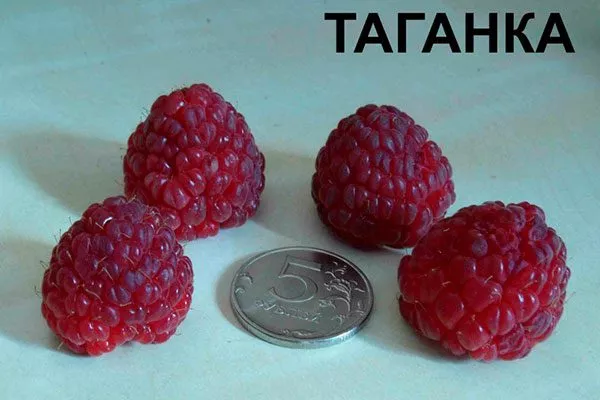
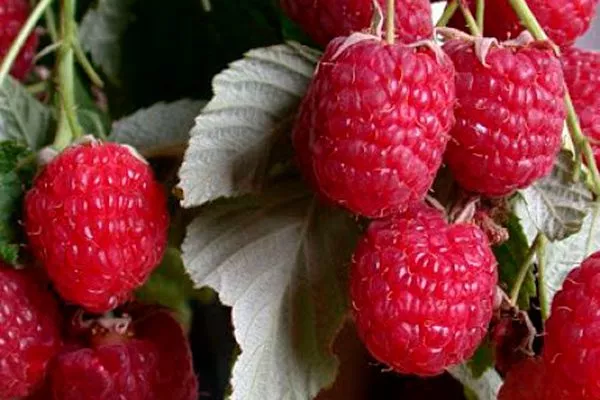
- Berries - large, regular conical in shape, colored dark red.
- Weight - varies from 5.7 to 10 g.
- Pulp – dense, juicy and tender.
- Taste - very sweet, with a harmonious combination of sugar and sourness.
Characteristics
It boasts a unique tolerance to adverse conditions, allowing the shrub not only to survive but also to bear fruit successfully. Its ability to ripen fruit in stages helps prevent insect attacks. The plant flowers and sets fruit later, when the risk of recurrent frosts is minimal.
Quality and characteristics:
- Frost resistance. The plant can withstand frosts down to -25°C.
- Pollination. Insect pollination is necessary for fruit set, as the process can be difficult in strong winds.
- Fruiting method. The berries gradually ripen on the branches after the flowers are pollinated. This process continues for a long time.
- Productivity. Harvest from late June to October. The average yield is 4-5 kg per bush.
These qualities make Taganka an attractive choice for gardeners, especially in variable climates and adverse weather conditions.
How to store?
After picking, immediately place the berries in a container for storage or transportation, avoiding repeated handling, as they spoil quickly. To maintain freshness, use a container with a lid and store raspberries in the refrigerator for no more than two days.
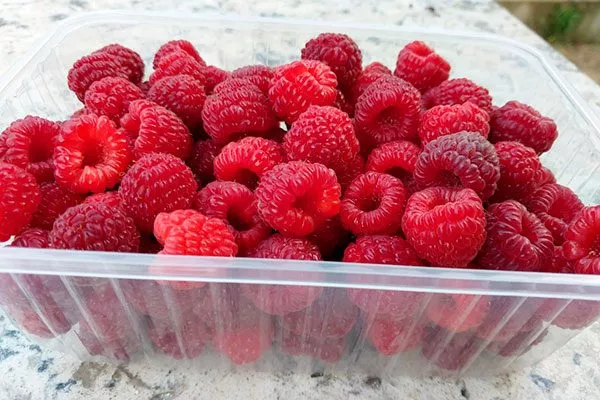
To extend their shelf life and preserve their beneficial properties, use various cooking methods: drying, boiling, blending with sugar, or freezing. Raspberries retain their characteristic aroma and beneficial properties when made into compotes, preserves, marmalades, or purees.
Landing
When choosing seedlings, choose reputable producers, such as large nurseries, agricultural firms, and renowned gardeners who guarantee the quality of their products. Carefully inspect the root system. Healthy seedlings are characterized by:
- fibrous branching of small shoots;
- whole roots without signs of rot;
- stems that do not have cracks, breaks or damage;
- absence of insects or diseases on the branches.
Seedlings may appear weak and unattractive, but this is not a reason to discard them. Stem thickness and height do not affect quality. Produce plants from mature bushes by separating root suckers, which promotes successful establishment and the transfer of all characteristics.
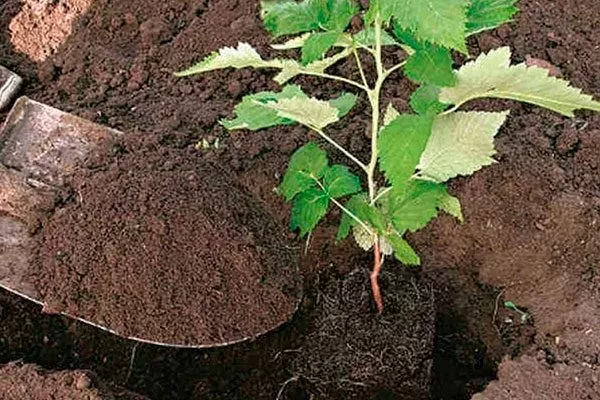
You can also propagate by seed. Crush ripe fruits, wash the seeds, dry them, and use them as planting material. However, this method retains no more than 65% of the varietal characteristics.
Plant seedlings depending on the climatic conditions of the region:
- In southern Russia, where wintering is mild, carry out the procedure in the fall (September-October) so that the plants adapt to spring conditions and produce their first berries in the summer.
- In northern latitudes and Central Russia, it is preferable to plant in the spring before the sap flow begins (late March - early April).
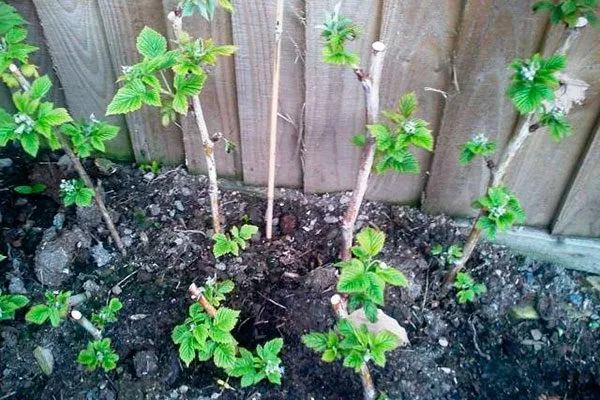
- Choose a planting site in a well-lit area away from strong winds. It's best to plant the bushes along a fence or wall facing south, which helps protect them from the wind.
- ✓ The optimal soil acidity for Taganka raspberries should be within 5.5-6.5 pH.
- ✓ The distance between bushes when planting should be at least 70 cm to ensure sufficient aeration and lighting.
Care tips
Care for everbearing raspberries varies depending on the climate of the region where they are grown. In southern regions, such as Kuban, planting and care conditions are more favorable, but maintaining moderate soil moisture is important.
Adhere to the following agricultural practices:
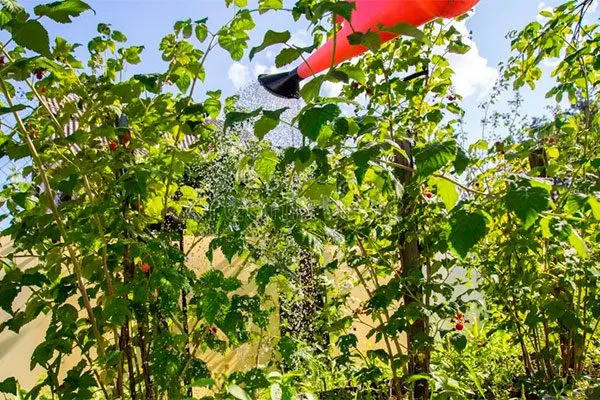
- Watering. It plays a key role in Taganka care. Plants require regular watering, especially during dry periods. The soil should be moist to a depth of 40 cm.
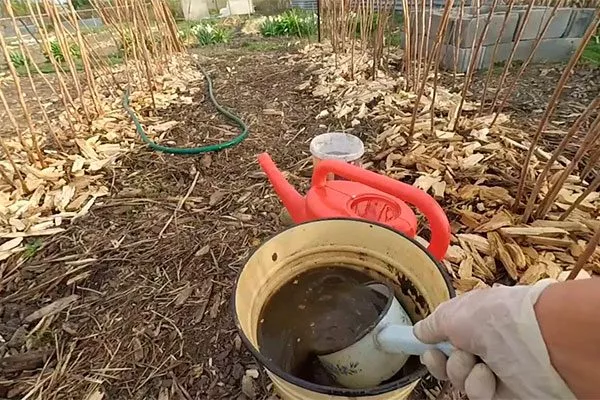
Water the soil before flowering and during fruit ripening, and in the fall, water the last time before winter sets in to help the bushes prepare for winter. - Top dressing. Fertilization is essential for the proper development of raspberries. Starting in the second year after planting, plants require high-quality fertilizer. In June, during the period of active shoot growth, feed the crop with mineral fertilizers.
Pay special attention to the nitrogen content in the soil, for which use organic fertilizers such as mullein infusion or bird droppings.
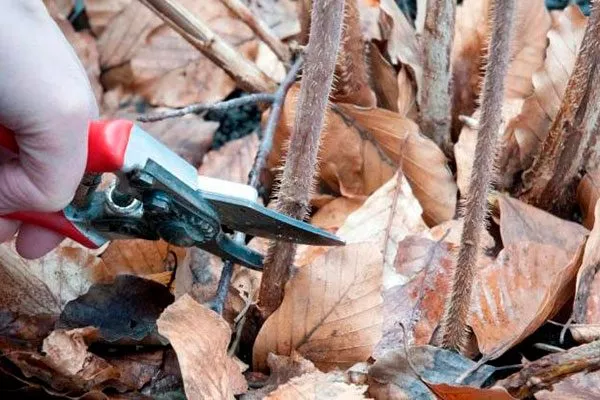
In the fall, add superphosphate to the soil to support the health of the bushes and improve fruiting. Use compost or rotted manure to provide additional soil nutrition. These measures help improve the taste of the fruit and overall health. - Trimming. This procedure is essential for better preparing raspberries for winter. In southern regions, after fruiting, prune the plants almost to the roots, which stimulates the growth of young shoots, which will later produce raspberries. This approach helps prevent insect attacks and the spread of diseases.
By following these recommendations, you will strengthen the health of your crop and achieve high yields.
Preparing for winter
In most cases, Taganka raspberries don't require any special preparation for winter. Simply tie the current season's shoots together, bend them to the ground, and secure them with a metal bracket, then cover them with spruce branches.
Diseases and pests
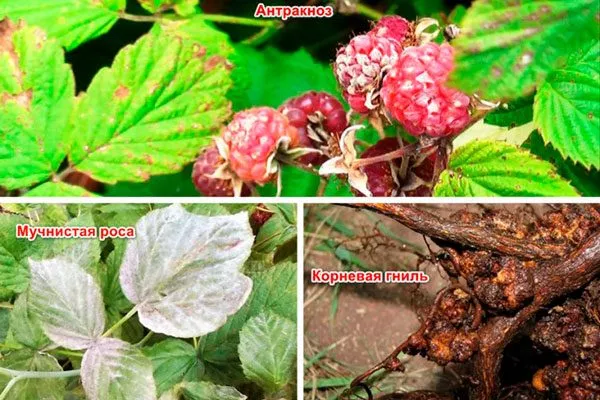
When growing crops, there's always a risk of disease. It's helpful to know the main problems you might encounter:
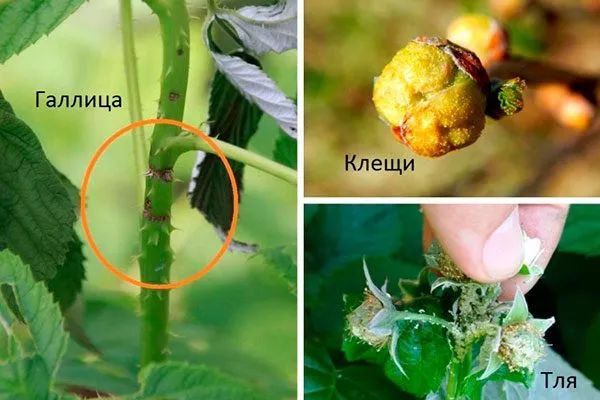
- Raspberry beetle. It feeds on leaves, buds, and berries, which can lead to the gradual death of plants. Control involves mechanically removing the beetles, dropping them onto plastic film, and then destroying them. Use effective insecticides such as Fitoverm, Candifor, and Iskra.
- Purple spot. A fungal disease that typically occurs due to infection or overcrowding or overwatering. Remove and dispose of diseased parts, and treat the plant with fungicides such as Bordeaux mixture or Fundazol.
- Anthracnose. If brown spots and stripes appear on raspberry stems, cracking, and rotting occurs, this indicates a disease that is difficult to treat in its advanced stages. Copper-based products, such as copper sulfate, Oxychom, and Kuproksat, are considered effective in such cases.
Knowing the main problems and methods of control helps reduce the risk of disease and maintain the health of Taganka.
Reproduction
Increasing the number of seedlings in a plot is quite simple. To do this, transplant young shoots from selected bushes that are at least two years old to a new plot. Taganka seedlings may appear thinner and smaller than other varieties, but they take root well and begin growing quickly.
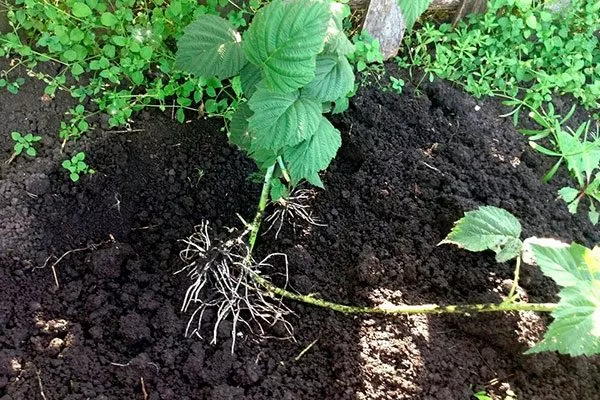
To propagate this variety, select healthy, productive bushes that have produced side shoots with woody trunks. The side shoots should be approximately 30 cm from the mother plant and 10 to 20 cm tall. Dig up the shoots along with the root ball and transplant them to a new location.
What are the advantages and disadvantages?
Before planting a new variety in your garden, research its pros and cons to avoid unpleasant situations. Taganka has many advantages:
Among the variety's disadvantages, gardeners note unattractive seedlings on sale, branches breaking under the weight of the fruit, a short shelf life, and the need for supports or trellises.
Gardeners' reviews
The Taganka raspberry boasts numerous advantages. It boasts high frost resistance, long fruiting season, and large, tasty berries. These characteristics make it a leading variety. It's important to provide this plant with proper care to ensure it rewards you with a strong immune system and bountiful harvests.