
Stolichnaya, known as M-143, is a sought-after large-fruited raspberry developed in Russia. This variety holds a leading position in its category due to its unique combination of thornless bushes and high berry production.
History of creation
Breeding work on this variety was carried out at the VSTISP, with the renowned breeder Kichina playing a key role in its implementation, having worked in this area until 1981.
The Stolichnaya raspberry was introduced to the general public in 1984 and immediately gained popularity among gardeners, who highly appreciated its unique characteristics compared to previous varieties.
Appearance of the bush
Stolichnaya is a bush growing to 200 cm tall. Its branches are straight, strong, and sturdy, yet thornless. This allows for easy berry picking while preserving the plant's natural beauty.
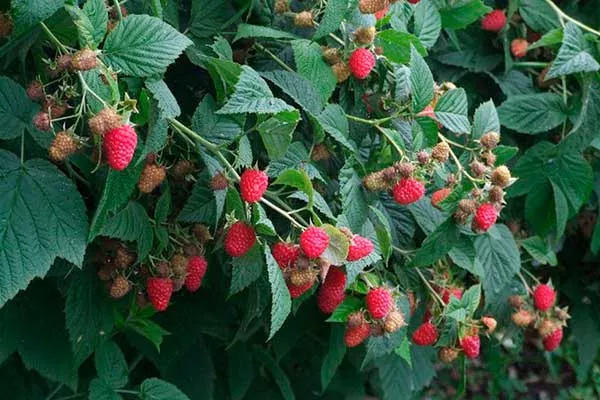
The bush's fruiting shoots are thick and branched. On average, each shoot bears up to 25 berries, mostly located in the upper two-thirds of the bush.
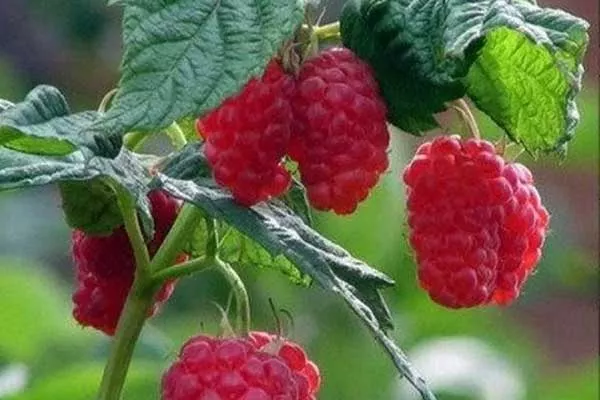
Characteristic features of foliage:
- The leaves are flattened, rich green, uniform in color and covered with warts.
- They are distributed unevenly along the stem.
- The edges of the leaves have an uneven, jagged structure.
The bush's annual shoots are dark brown, robust, and have a noticeable waxy coating. Each bush typically produces 4-5 root suckers, of which only 2 are used for further propagation.
Berries and their taste qualities
The Stolichnaya variety produces berries of considerable size, weighing from 4 to 8 grams, with many specimens reaching 18-20 grams. Their color is bright red. The seeds are large and tightly bound together.
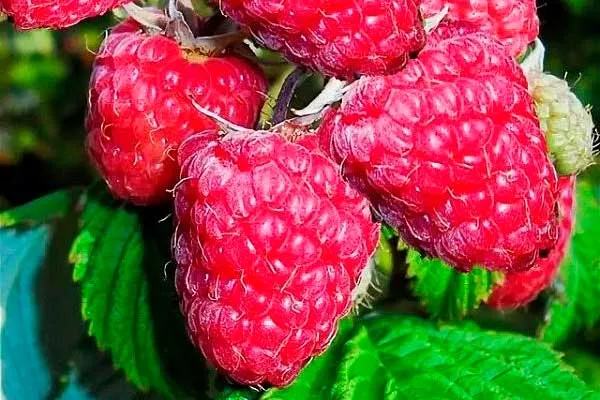
Other varietal characteristics:
- The aroma is particularly intense and pleasant, which is a distinctive feature of this species.
- The shape of the raspberry is conical, slightly elongated.
- The berries are firmly attached to the peduncle and do not fall off even when they begin to overripe.
- The pulp is rich, sweet and juicy.
- The berry has a rich, dessert-like taste with a slight sourness that is barely noticeable.
This raspberry variety is ideal for fresh-picked consumption, as well as for further processing – drying, canning, and creating a variety of drinks.
Composition of berries
Stolichnaya raspberries are renowned for their rich mineral and vitamin content. They contain vitamins B, C, PP, and E, carotene, calcium, sodium, phosphorus, iron, and cobalt. Benefits:
- Vitamins E and B are essential for women's skin, providing firmness and preventing aging, and also promoting the healing of minor injuries.
- Vitamin C or ascorbic acid strengthens the immune system.
- The pulp contains a lot of malic and citric acid, pectin and tannins, and the phytosterol present in raspberries helps lower blood cholesterol levels and reduces the risk of developing malignant tumors.
- Not only the fruits, but also the leaves are rich in microelements, in particular pectin substances, which effectively cleanse the body of toxins and maintain the health of intestinal microflora.
- The sweet taste is associated with the high content of copper, which has a beneficial effect on the functioning of the nervous system.
Time of maturity, productivity
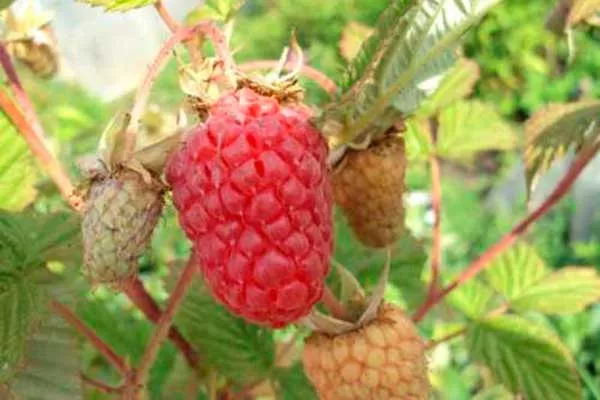
Although this raspberry variety is not classified as everbearing, it provides the opportunity to harvest from each bush up to five times during one season.
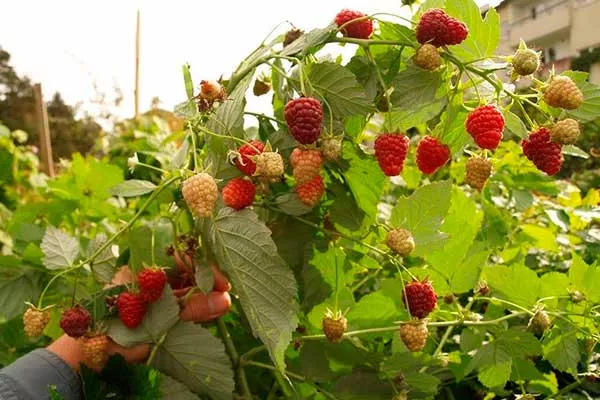
The Stolichnaya variety is considered late-ripening, with harvesting beginning between July 12th and 15th. This ripening period ideally complements the harvest gap between regular raspberry varieties, which ripen in the first half of the month, and everbearing raspberries, which are ready for picking in early August.
A single bush of this raspberry can yield approximately 4-4.3 kg of sweet and aromatic berries. Experienced gardeners claim that with strict adherence to all care recommendations, yields can reach up to 5 kg per plant.
Other characteristics
Stolichnaya is distinguished by its large berries, considered the sugariest of all large-fruited varieties. These berries remain on the bush for 3-4 days after ripening, retaining their shape and aroma.
Other indicators:
- The fruits are easily separated from the stems without any consequences, which makes them easier to transport over long distances.
- Stolichnaya raspberry is a late-ripening variety, which means the harvest will not be damaged by spring frosts.
- It has excellent resistance to most diseases and pests, although it is susceptible to diseases such as verticillium wilt and purple spot.
- This plant is very cold-hardy. It can survive temperatures down to -30 degrees Celsius without additional protection. In central Russia, shelter may be necessary only during the harshest winters.
Planting the Stolichnaya raspberry variety
Even plants that are easy to grow require basic care for successful growth and harvest. Choosing the right location for raspberry seedlings and the quality of the planting material are key factors in their success.
How to choose a seedling?
The main rule to follow when buying is to avoid sellers who do not have a positive reputation and only contact established nurseries and stores.
Select seedlings according to the following criteria:
- With unblown leaves, the so-called green cones.
- The roots should be healthy, without damage or growths, and approximately 15-17 cm long.
- The outer shoot is 30 to 40 cm long, without cracks or bulges.
- The length of the root collar should be 8 cm.
- ✓ The presence of at least 3 healthy roots at least 15 cm long.
- ✓ No signs of disease on shoots and leaves.
Avoid planting materials that lack obvious cultivar characteristics.
Choosing a location for planting raspberries in Stolichnaya
Raspberries prefer warm, sunny days with little wind and non-saline soils with a groundwater level of about 150-200 cm. Potatoes, tomatoes, and strawberries are not suitable as predecessors. The ideal location for them is near a fence, where the vines can be strengthened.
To ensure raspberries grow easily and produce a harvest for several years, you need to do the following:
- Clear the area of weeds, especially creeping couch grass, which multiplies quickly and robs plants of their nutrients. This can be done manually or with Roundup herbicide.
- Loosen the area.
- Add compost or compost sand in the amount of 10-20 kg per 1 sq. m, respectively, as well as mineral preparations.
- If the soil is acidic, add wood ash, limestone or dolomite flour.
- Prepare planting holes or dig trenches.
Raspberries can be planted in two ways: by digging individual holes or by digging trenches. The holes should be 40 x 40 cm and 30 cm deep. Trenches shouldn't be too deep either, about 30 cm.
Planting pattern for seedlings
When planting, it is recommended to add composted manure, superphosphate, and potassium salt. Wood dust can be used as an alternative to the latter.
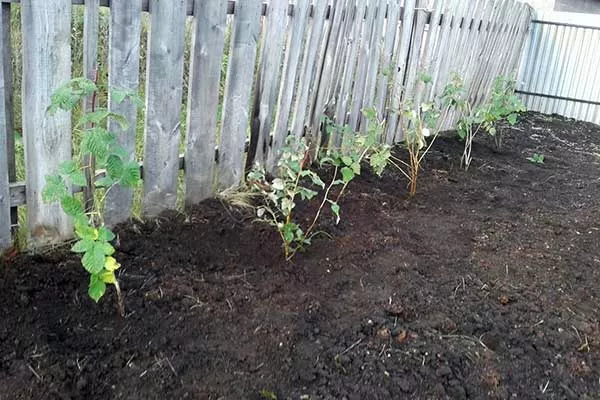
All fertilizers must be carefully mixed and evenly distributed throughout the trench, then thoroughly watered. This will be sufficient for the young bushes for the first two years, until they reach maturity and begin to bear fruit.
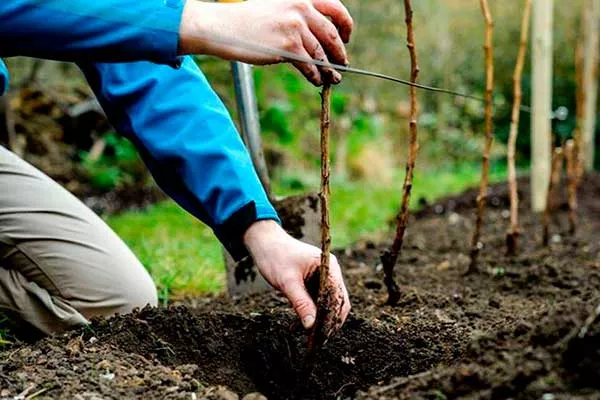
The key to successful seedling adaptation is proper planting. This is a simple task if you follow the established instructions:
- Carefully, so that the roots do not curl upward, place the seedling into the hole already dug for it.
- Cover it evenly with prepared soil, making sure that the root collar is level with the surface of the bed.
- Compact the surface and moisten it – approximately 5 liters of water per bush.
- After the water has soaked the soil, fill the resulting “niches” with an additional layer of soil.
- Mulch the plantings with straw, sawdust or peat to retain moisture.
Growing and care
Caring for the Stolichnaya raspberry variety includes regular watering, timely application of fertilizers, periodic pruning, and proper preparation for the dormant period.
Watering
Raspberries need adequate moisture, but it's important not to overdo it. During flowering and fruit formation, each bush requires at least two waterings per week, especially during droughts.
Rules:
- For watering, it is preferable to use the area near the roots, avoiding moisture getting on the leaves.
- Despite rain, it's important to regularly check the soil moisture, as precipitation often doesn't saturate it to the required depth. If the dry layer exceeds 8 cm, watering is necessary.
- Remember that raspberries do not tolerate cold water, so it is recommended to use pre-settled and warmed liquid.
- During periods of prolonged drought, gardeners recommend intensively moistening the tree trunk area and mulching it to reduce moisture evaporation.
- Water the raspberries with 10 liters of water.
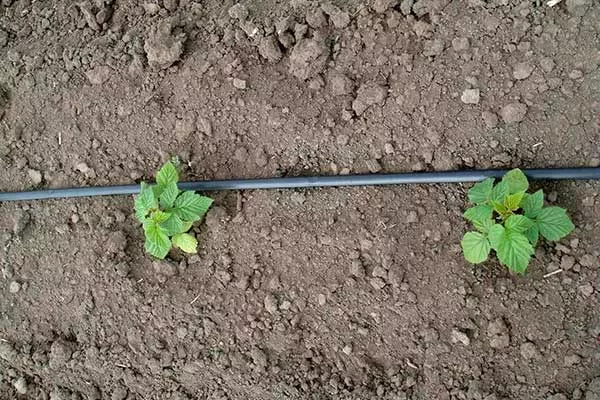
Sprinkler systems are often used in the morning and evening hours, and the most effective method is drip irrigation.
Trimming
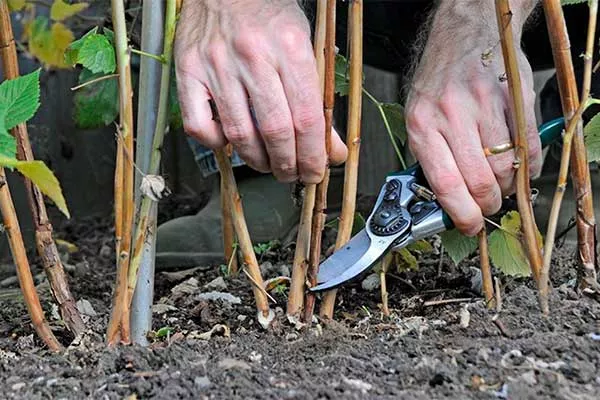
This raspberry has a two-year growth phase, which determines its pruning and shaping strategy. Pruning rules:
- At the beginning of summer, young shoots are shortened by 10-15 cm, which stimulates the growth of lateral branches.
- The following year, at the beginning of spring, the lateral branches are shortened by the same distance to obtain a fruitful bush.
- In early spring and autumn, diseased and old shoots are removed from the base of the bush.
- During the season, dried-out, frost-damaged or fruit-bearing shoots are completely shortened to healthy wood.
- Pruning removes weak or diseased stems, which has a positive effect on the harvest.
Top dressing
The Stolichnaya variety is easy to care for. In the first few years after planting, the plants require sufficient nutrients, which were added to a pre-prepared hole or trench. In subsequent years, to maintain health, the bush requires regular application of organic and mineral compounds:
- Raspberries require a large amount of nitrogen, so in the spring it is recommended to add urea in the amount of 45-50 g per 1 square meter of plantings.
- In autumn, it is advisable to use Superphosphate and potassium salt at 20-25 g.
- If the Stolichnaya variety bushes quickly reach a height of two meters, the nitrogen dosage should be reduced.
- In spring, apply nitrogen fertilizer to stimulate growth.
- In summer, add potassium fertilizers to improve the quality of berries.
- In the fall, apply phosphorus fertilizers to prepare for winter.
To ensure the productivity of this raspberry variety, experts recommend adding organic matter annually in the following amounts: 12-17 kg of rotted manure or 18-22 kg of compost or peat per 1 sq. m.
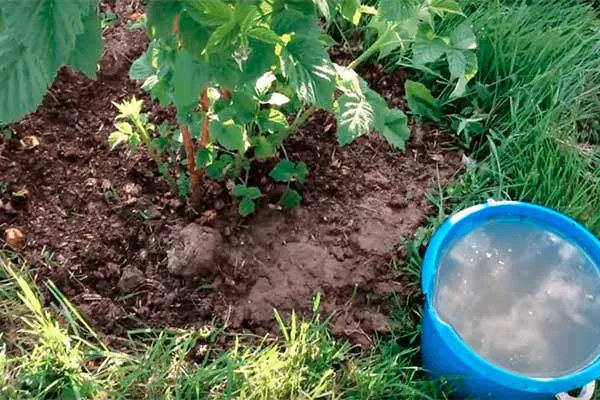
This amount will be enough for the whole year, since the Stolichnaya variety is distinguished by the rapid absorption of nutrients from organic components.
Preparing for winter
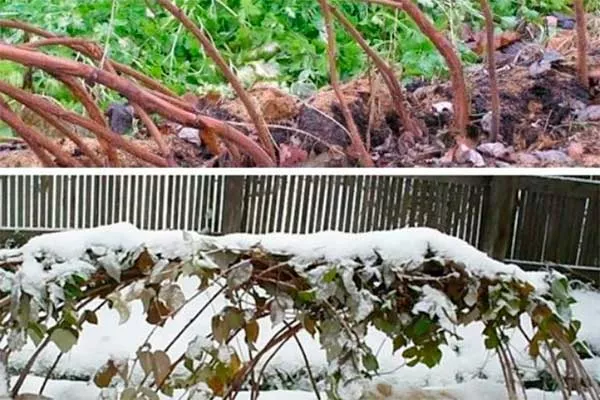
In areas with particularly harsh winters, it's important to overwinter the plant under cover to protect it from frost. It's best to lay the stems down and cover them with protective material. This will help prevent damage to the root system and the above-ground part of the plant.
Other features:
- In the central regions of the country, it is not necessary to lay the stems down, but if the winter period is characterized by a small amount of snow, it is recommended to additionally protect the raspberries using special covers.
- When preparing raspberries for winter, remove leaves from the shoots.
- It is useful to cover the bushes with snow.
- If winters are characterized by frequent thaws, ice may form on the surface of the snow. To prevent oxygen deprivation for the plant, it is necessary to make cuts in this crust.
Reproduction
The growing season begins in March, signaling the time to propagate this variety. Stolichnaya raspberries have a small number of shoots and root suckers, making dividing the bush into sections the most effective method.
When dividing the bush, carefully remove it from the soil, avoiding damage to the root system. The bush should be divided so that each resulting part has at least two or three shoots. This will allow the raspberry to begin bearing fruit next year.
Pest and parasite control
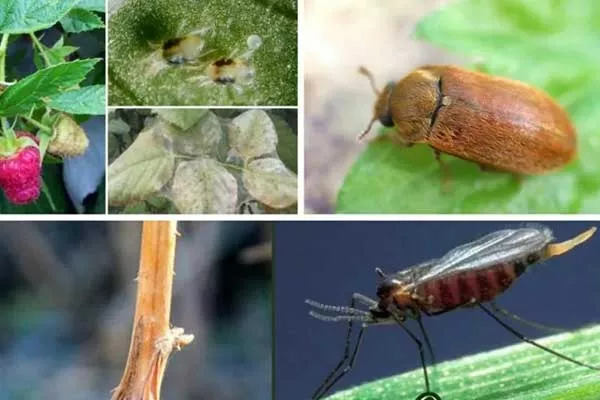
The Stolichnaya raspberry has good resistance to many diseases, but is often attacked by pests. The most dangerous include the raspberry beetle, stem fly, gall midge, weevil, and aphid.
An effective method of protection is prevention:
- It is necessary to regularly remove dried and diseased stems, ensure timely watering and fertilization, as well as destroy weeds and dig the soil between rows, and avoid too dense planting.
- Chemical pesticides can be used. Preventative spraying of bushes with 1% Bordeaux mixture twice before flowering provides good results.
- In case of infection of bushes, it is advisable to use Actellic, Fufanon and Karbofos.
Among the dangerous diseases, the following are distinguished:
- Purple spot - The fungus leaves purple and red marks on the leaves where they attach to the stem. Subsequently, the bark begins to crack, and the shoots become weakened and wither. To prevent the disease from developing, it is important to carefully follow agricultural practices.
To combat purple spot, various chemicals are used, such as Fitolavin, Fundazol, Farmayod and Biocomplex BTU. - Verticillium wilt – is the result of a soil-borne fungus. Leaves at the base of the bush first turn pale, then yellow, and then fall off. This process gradually spreads up the stem.
The disease requires complex control measures, including soil fumigation and particularly careful selection of planting material.
Positive and negative qualities
The Stolichnaya raspberry has many advantages for the gardener, but it requires certain conditions and investments to obtain a high-quality harvest.
Key benefits:
- A bountiful harvest. This variety is particularly productive, promising gardeners an abundance of fruit. It will delight its owners not only with the quantity but also with the size of its berries.
- Versatility. Stolichnaya has a sweet aroma and flavor. This makes it ideal for fresh consumption, as well as for making exquisite desserts and winter preserves.
- Protection from diseases. It is distinguished by good resistance to many diseases and pests, which allows gardeners to reduce costs on chemical protection and guarantee a harvest even in conditions unfavorable for the crop.
- Duration of fruiting. This makes it possible to harvest fruits several times per season.
There are also disadvantages:
- Care requires special conditions. To ensure the Stolichnaya raspberry blooms and produces its maximum fruit, it requires careful care, which may require additional time and resources from the gardener.
- Not suitable for some climate zones. Due to its specific growing conditions, Stolichnaya may not be suitable for regions with insufficient sunlight.
Reviews
The Stolichnaya variety has earned the respect of gardening experts for many years. It is prized for its exquisite flavor, moderate-sized berries, and decent productivity. Caring for this crop has its own unique characteristics, but generally requires little effort and is no different from caring for other raspberry varieties.