
Raspberry plants, left in the same spot in the garden, lose fertility over time, and the soil beneath them becomes severely depleted. In such cases, it's possible to rejuvenate the raspberry plantation without purchasing new planting material.
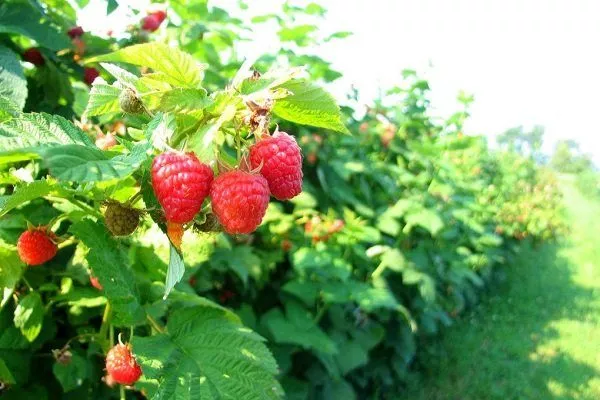
How do you know if your raspberries are old?
Raspberry bushes can bear fruit actively in one place for 5 to 10 years, sometimes up to 15. Much depends on soil fertility and plant care—timely fertilization, weeding, and removal of old shoots.
Signs of raspberry bushes approaching aging include:
- a sharp decrease in yield or a complete absence of berries on the shoots;
- absence of young shoots or new plants look weak, their height is 15-20 cm lower than last year’s;
- they lose immunity and become affected by fungal and viral infections;
- There are many old dry shoots in the raspberry patch.
If you notice that your raspberry patch has become old, start updating it.
Types of work for renovating old raspberries
Raspberry rejuvenation is performed to preserve high-yielding varieties, increase yields, and eliminate soil-borne pests, fungal, and viral diseases. There are several ways to rejuvenate an old raspberry patch.
- ✓ The area must be well lit, with at least 6-8 hours of direct sunlight per day.
- ✓ The soil should have a neutral or slightly acidic reaction (pH 5.5-6.5).
- ✓ Avoid low-lying areas and areas with high groundwater levels.
Transplant the roots
Apply in early autumn if it's possible to relocate the raspberry patch to another location on the plot. The advantages of this method are:
- plants are given the opportunity to take root in a well-prepared, fertilized layer of soil;
- With proper treatment of planting material, you can get rid of pathogens that have accumulated in the old location.
Carry out the transplant in the following sequence:
- During the fruiting period, mark the healthiest, most productive bushes.
- Select two plots—one for the nursery bed and one for the new permanent raspberry patch. Avoid shaded and poorly ventilated areas.
- Apply fertilizer to the selected area. It should contain nitrogen, potassium, and phosphorus, such as ammophoska or any complex fertilizer. The application rate is 15-20 g per square meter. Manure and wood ash are also good choices.
- After fruiting has finished, dig up the marked bushes. If they contain old branches, remove them along with the root section they grew on.
- Place the underground portion of the plants in a rooting solution for 20 minutes. Alternatively, soak them in a slurry made from dry, crushed manure (approximately 1 kg), 10 liters of water, and a small amount of clay. The consistency should be similar to liquid cement or thick sour cream.
- Remove the roots from the solution and let them dry.
- In the area designated for the nursery, make holes 10-15 cm deep. Place the prepared raspberry bushes in them and cover with soil, compacting the soil around the trunks.
- By the end of October, new young shoots should have grown from the bushes in the nursery. Carefully dig them up and plant them in their permanent location.
With timely watering and weed control, new plants will take root before late autumn sets in. Within a year, you'll have your first harvest.
Planting material can be prepared from raspberry roots. To do this, dig up the entire raspberry bush and its rhizomes in early spring, then cut the roots into small pieces with white bumps—the root buds. Plant the cuttings in a greenhouse at a depth of 8 cm.
- ✓ Soil temperature should be at least +10°C for optimal rooting.
- ✓ Maintain soil moisture at 70-80% of its full capacity.
In the fall, plant the resulting seedlings in a place intended for raspberries.
Mow everything down
One method for rejuvenating old raspberries is to completely remove all shoots in the area. This is done if the plants show signs of fungal diseases.
The procedure is carried out in the fall, in September-October. Burn the cut branches. Fertilize the area with complex mineral fertilizers and add wood ash.
In the spring, young, strong branches will grow in the renovated area. If everything is done correctly, you will reap a harvest this same year.
Add more manure
This method does not guarantee the renewal of a very old plantation. It is effective when the soil under the raspberry bush is severely depleted and disease-free.
Chicken, horse, or cow manure is a versatile fertilizer for raspberries, and it's also environmentally friendly. Enzymes and nutrients stimulate the growth of new, strong shoots on the bushes, increasing the yield.
Partial rejuvenation
If you don't have the space to allocate a new spot for raspberries in your garden, you can replant some of them. When doing this, remove the oldest and worst-performing bushes.
Carry out the procedure in early spring or autumn:
- Carefully make bayonet-deep cuts with a shovel on all four sides and dig out the designated bushes. Be careful not to damage the adjacent shoots or their root system.
- Add humus and soil to the remaining holes in the ground and water.
- Transplant the young branches that have grown during the summer in October next to the main raspberry patch.
- Repeat this process over several years. Your raspberry patch will gradually move around the site, replacing old bushes with new ones.
This method will allow you to renew old bushes while preserving proven varieties.
An experienced gardener will tell you how to renovate an old raspberry patch in the following video:
Errors when updating an old Raspberry Pi
When renewing raspberry plantings, the following mistakes are often made:
- choosing a shaded or swampy area;
- planting new plants in the same place - this way the plants become infected with fungal diseases and pests from the bushes that previously bore fruit in this place;
- untimely or, conversely, too abundant watering (watering should be done when the soil dries out to a depth of 5 cm or more);
- too heavy soil with an acidic reaction in the renewed area;
- planting seedlings at too great a depth;
- young shoots that take away strength from the main bush are not removed;
- insufficient amount of fertilizers applied.
All these mistakes can lead to your efforts to improve raspberries being wasted.
If your raspberries are showing signs of age, you need to begin rejuvenating them immediately. Rejuvenating aged raspberries is a labor-intensive and painstaking process that requires a meticulous approach. But it will reward you with a bountiful harvest of your favorite berries.
I successfully followed your recommendations for rejuvenating raspberries. Although, at first, I was afraid that new ones wouldn't grow. We bought a house with a lot of very old raspberry bushes, some of which were diseased. After reading the article, I realized I needed to cut them all back. Figuring out what specific diseases were involved would be tedious and time-consuming. So, at my own risk and peril, I cut back all the shoots in the fall, then prepared the remaining cuttings for winter, and in the spring, I began to notice new stems sprouting. They were so fast that by July, there was a forest of raspberries. True, we didn't get any berries that year, but that's understandable—the shoots were too young, and the variety was apparently one that would bear fruit the following year. In any case, thank you so much!