
The Solnyshko raspberry is the best choice for both beginner and experienced gardeners. Its excellent fruit appearance, delicious flavor, and resistance to diseases and pests make it a good choice for those seeking abundant, high-quality harvests. To ensure a plant with strong immunity and enjoy juicy fruits, it's important to follow simple care procedures.
History of the variety's development
This is the result of meticulous genetic work by zootechnicians at the Kokinsky Research Center of the All-Russian Scientific Research Institute of Poultry Breeding (VSTISP), under the direction of I. V. Kozakov. Breeding work began in early 1990 and was successfully completed in 1992.
This variety has received worldwide recognition and has been officially entered into the state register. The Novost Kuzmina and Kostinbrodskaya varieties were used as the source genetic material.
Introduction to the variety
Raspberries are among the most popular berries and fit beautifully into any landscape. So, if you're choosing a variety to plant, Solnyshko is an excellent choice.
Ripening time
This is a high-yielding, early-ripening crop. In temperate climates, the harvest is generally in the second half of June and the first half of July. This variety is not everbearing—it produces fruit only once per season.
Productivity
With proper care, the plant will reward you with a bountiful harvest. A single bush can yield up to 1.5 kg of berries. It's versatile: the fruits can be eaten fresh, processed, and even frozen, preserving their flavor and aroma.
Berries and their taste, shrub
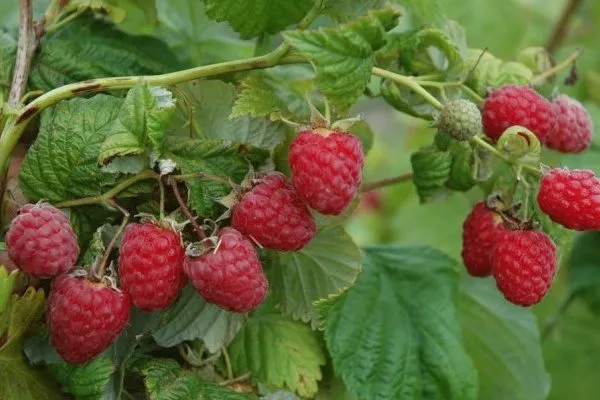
The Solnyshko raspberry is a robust plant, with branches that can reach 3 meters in height. Despite its considerable size, it produces little lateral growth, preventing the crown from becoming dense. The leaves are small, pentagonal, and corrugated, with a light green, matte finish.
Tall branches with an attractive curve at the top are decorative and can be used as a hedge in combination with vertical supports. During the first year of growth, the shoots have a thin green covering, but as mature plants grow, the bark turns reddish-brown.
It produces large fruits weighing up to 4 grams and up to 30 mm in diameter. When ripe, they are raspberry-red in color and have an elongated, conical shape. They are sweet with a slight tartness. The flesh is juicy, with a delicate texture and a rich, fruity aroma.
Features of cultivation
The bushes have a shallow root system, so it's important to consider this when choosing a site. They grow well in light loam. The topsoil should be fairly fertile and slightly acidic. To reduce this, lime the soil beforehand.
Selecting a location and preparation, basic requirements
Proper site selection and soil preparation are key to successful cultivation. This variety requires specific conditions for optimal growth and fruiting:
- Choose well-lit areas. The location should be exposed to sunlight, as the taste and size of the berries depend on the amount of sunlight.
- The variety is sensitive to strong cold winds, so the area should be protected from drafts.
- The plant does not tolerate stagnant water, so the site should have good drainage. The groundwater level should be no higher than 1 m from the surface.
- Light loam soil is best for Solnyshko raspberries. The soil should be fertile and well-drained. The optimal pH is slightly acidic (pH 5.5-6.5). If necessary, apply lime to reduce acidity.
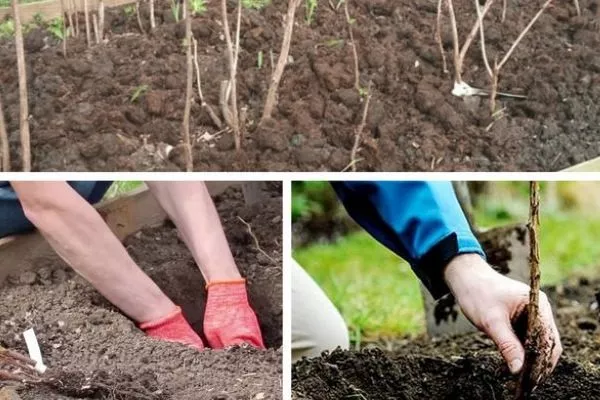
- Prepare the planting holes or trenches 2-3 weeks before planting. Place a nutrient-rich mixture of rotted manure and superphosphate mixed with garden soil and a small amount of wood ash at the bottom.
Pit planting method
Prepare the holes 2-3 weeks before planting. Follow these recommendations:
- The distance between the holes is at least 1 m, and the width between the rows is up to 2 m.
- Place a nutrient mixture of rotted manure and superphosphate at the bottom of the holes.
- Mix it with garden soil and a small amount of ash.
Nitrogen-containing compounds can damage crops by delaying rooting, so avoid adding them to the nutrient mixture. Adding too much ash can increase the alkalinity of the soil, which is just as harmful to plants as acidity.
Trench method
Many gardeners prefer to plant seedlings in trenches. Although this method is more labor-intensive, it has its advantages:
- The plantings receive nutrients evenly.
- Caring for raspberries is made easier by watering, weeding between rows, and mulching.
- The yield of bushes increases.
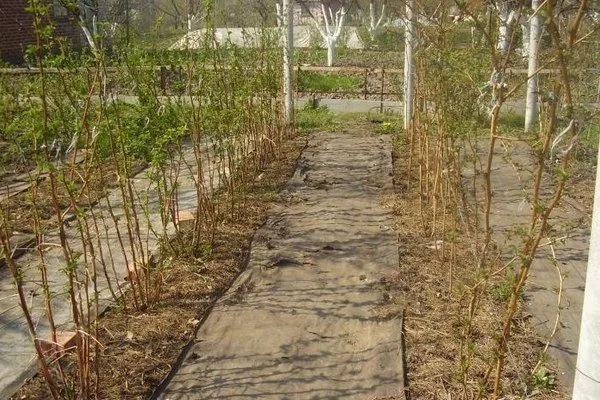
About 2-3 weeks before planting, clear the area of weeds and mark it with a cord. The trench should be up to 50 cm wide, and its length should correspond to the size of the area. Install sturdy supports at the ends of the trench and stretch wire between them to tie up the stems.
Trimming
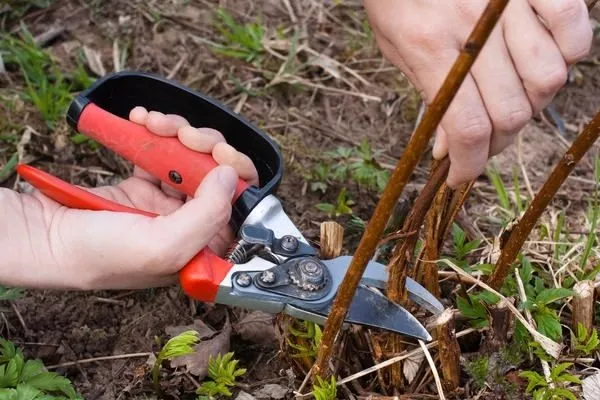
Raspberries grow very quickly and fill the surrounding space, so prune them regularly. This promotes stronger growth. In early spring, perform sanitary pruning, including:
- removal of dried and broken shoots;
- removing diseased and weak branches from the bush;
- pruning healthy stems to the first bud.
Raspberry pruning regulates density. Excessive shoots reduce light levels and nutrient levels. In early summer, when the seedlings have grown a little, perform a second pruning, leaving up to 10 healthy shoots and removing all weak branches.
Don't dig up excess stems to avoid damaging the roots—cut them carefully at the base. After harvesting, perform a third pruning, removing any fruiting or damaged shoots.
Watering and fertilizing
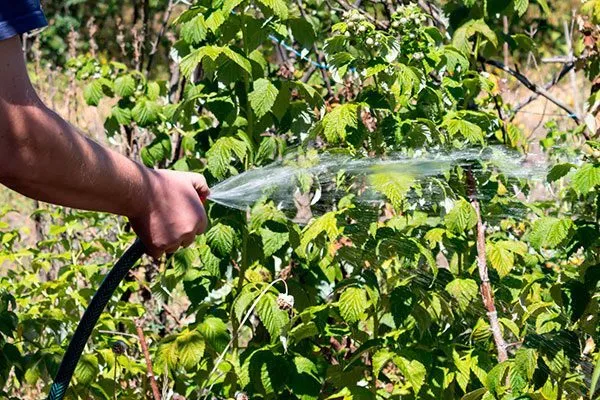
The crop reacts to moisture deficiency with a significant reduction in yield, as the root system is located close to the soil surface. However, excess moisture is no less harmful:
- The berries lose their aroma and taste.
- The roots are rotting.
- The fruits fall off before they are fully ripe.
- The degree of hardening decreases, which increases the risk of bushes freezing in winter.
The frequency and intensity of watering depend on local climate conditions. Provide ample watering during the initial stages of fruit formation and ripening, typically in late May or early June.
Drip irrigation or furrow irrigation are preferred methods, as they minimize water exposure to the crowns of the bushes. After watering, loosen the soil to prevent weed growth.
Raspberry Solnyshko requires microelements, which can be easily determined by its appearance:
- Weak and thinned shoots – a consequence of phosphorus deficiency.
- Yellowing leaves - iron or magnesium deficiency.
- Reduction in size and yellowing of leaves – nitrogen deficiency.
- Intensive bush growth – excess nitrogen.
- Brown, burnt leaves - potassium deficiency.
During the summer, raspberries expend a significant amount of nutrients on growth and fruit formation. To maintain a productive harvest next year, apply organic fertilizers in the fall before wintering—well-rotted manure, compost, and liquid chicken manure.
Frost resistance and preparation for winter
The Solnyshko plant is winter-hardy, allowing it to successfully survive winter conditions. With sufficient snow cover, the bushes can withstand temperatures down to -25°C. In areas with cold winters and insufficient snowfall, cover the plants to prevent them from freezing.
To ensure good fruiting next season, properly prepare your raspberries for winter, starting in mid-autumn. First, water them generously to ensure the roots are sufficiently hydrated and better able to withstand the winter. After this, prune them back to a sanitary level and cover the surrounding soil with hay or straw.
Diseases and pests
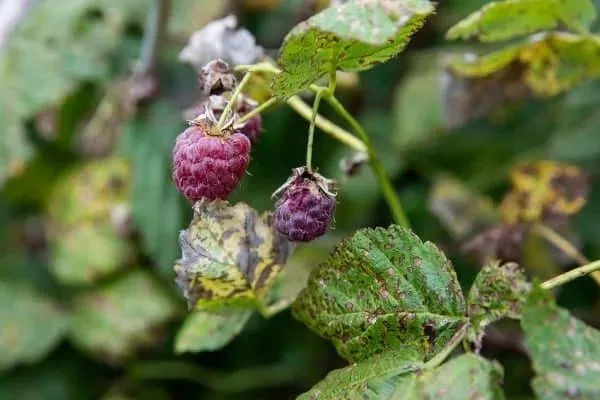
This variety is characterized by moderate resistance to fungal infections, diseases, and pests, such as raspberry mites and anthracnose. To prevent pest problems, follow a few simple steps:
- Timely removal of diseased and damaged branches and fallen leaves.
- Planting green manure crops between rows improves soil structure, reduces the risk of disease, and improves overall soil health.
- Proper care, including regular watering and fertilizing, helps strengthen its immune system and increase resistance to disease.
Following these simple measures will help maintain health and productivity for many years.
Reproduction
Increasing the number of seedlings in a plot while maintaining varietal characteristics is easy. There are two main methods for propagating the Solnyshko raspberry:
- Using basal cuttings. This method helps prevent the bush from dying if its stem is damaged. Dig up the stem roots, then divide them into sections, each containing a bud.
Place the cuttings in pre-prepared holes and cover with soil. Water them regularly until the first shoots appear. - Dividing the bush. This method involves dividing an overgrown plant into several sections. Dig up the main plant, then divide it into sections, each with strong shoots. Plant them in the ground as usual.
Choose the most suitable option for yourself depending on your personal preferences.
Advantages and disadvantages of the variety
This popular and high-yielding crop attracts the attention of gardeners worldwide thanks to its positive characteristics. It has many advantages:
Flaws:
Reviews from summer residents
The Solnyshko raspberry boasts high yields, excellent flavor, and resistance to a variety of climates. These characteristics make it a popular choice among gardeners and homesteaders. Proper and timely care is essential to ensure high-quality, juicy berries.