
Many gardeners frequently encounter the problem of raspberry bushes drying out. To resolve the problem, it's important to identify it first and then begin immediate treatment.
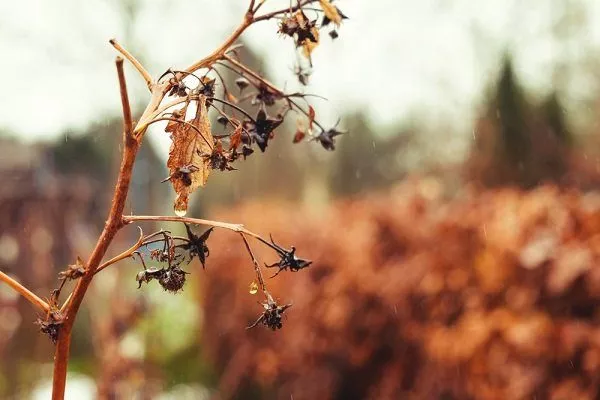
How do you know if raspberries are starting to dry out?
The drying out of raspberry leaves and stems is called dieback syndrome. Young shoots are especially at risk, as they are prone to cracking during the active growth period.
Signs of bush wilting:
- yellowing and curling of leaves;
- reduction in foliage size;
- increased stem elongation;
- deformation of the root system;
- absence of ovaries or partial drying of berries.
When planting seedlings, always pay attention to their condition. Healthy shoots are less susceptible to pests and diseases.
- ✓ No mechanical damage to the stem and roots.
- ✓ The presence of at least three well-developed roots at least 10 cm long.
- ✓ The stem should be flexible and not break when slightly bent.
Causes and symptoms of drying raspberry bushes
There are several main reasons why raspberries dry out: improper agricultural practices, failure to comply with growing rules, the occurrence of various diseases, or pest attacks.
Improper care
Raspberry bushes grow quickly, sending out roots that produce suckers and new shoots. If the excess shoots aren't removed or the plantings aren't thinned, the raspberries turn yellow and dry out, as they lack sun and nutrients.
You can fix the problem as follows:
- Water the raspberries as the soil dries out.
- Water early in the morning or evening (2-3 liters per plant). In hot weather, moisture evaporates quickly, and the roots don't have time to absorb it.
- Mulch the beds so that moisture is retained in the soil longer.
During severe drought, up to 80% of the crop can be lost.
Bad weather
Shoot dieback syndrome typically occurs in hot weather. Stems and leaves begin to dry out due to lack of water. Then, the ovaries are also left without moisture and nutrition.
If the bush is planted in a lowland, prolonged rains and heavy downpours can cause groundwater to rise to the surface, which can lead to root rot and shoot wilting. In this case, it's best to plant raspberries in raised beds.
Increased acidity
Increased soil acidity in plants negatively impacts their growth and development. Acidic soil is a breeding ground for various diseases and pests.
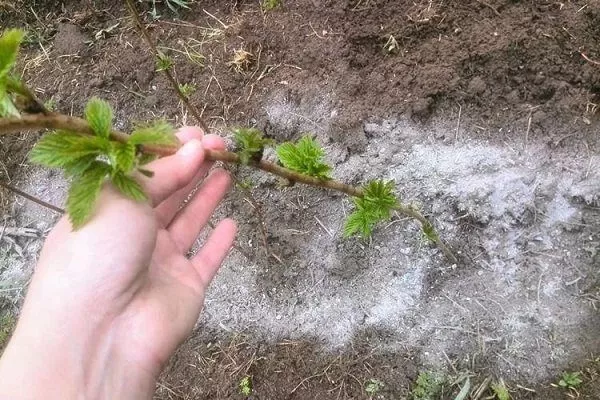
To determine your soil's acidity level, a chemical soil test is ideal. However, if this isn't possible, litmus test strips are a good option. Follow the instructions on the packaging.
To reduce soil acidity, you need to use:
- chalk - 0.5 kg per 1 sq. m;
- slaked lime - 0.4 kg per 1 sq. m;
- dolomite flour - 0.5 kg per 1 sq. m.
Liming causes the loss of mobility of the boron and manganese compound, therefore, in parallel with the application of lime, it is recommended to add boron fertilizers to the soil.
Diseases
The main diseases that cause raspberry bushes to dry out and how to combat them:
| Name | Description | Prevention and treatment |
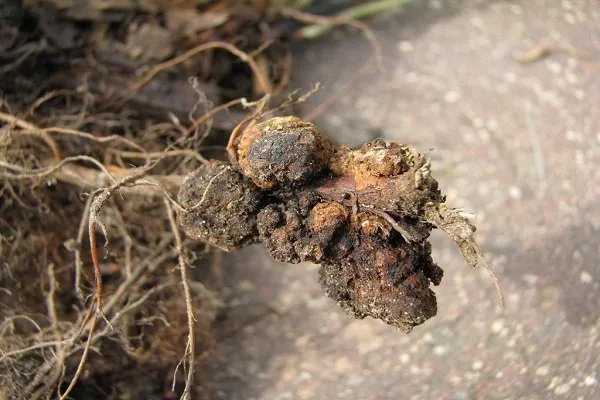
| Root cancer | A bacterial disease that affects the root system of the bush.
Its appearance can be provoked by:
Growths up to 12 cm in diameter form on the roots. They prevent the roots from absorbing moisture and nutrients contained in the soil. As a result, the raspberries turn yellow and dry out.
| Eliminate and burn infected plants. Do not plant anything in this area for 2-4 years. |
| Raspberry rust | The disease is incurable and causes the leaves to dry out and curl, resulting in the death of the entire bush. | Methods of combating the disease:
|
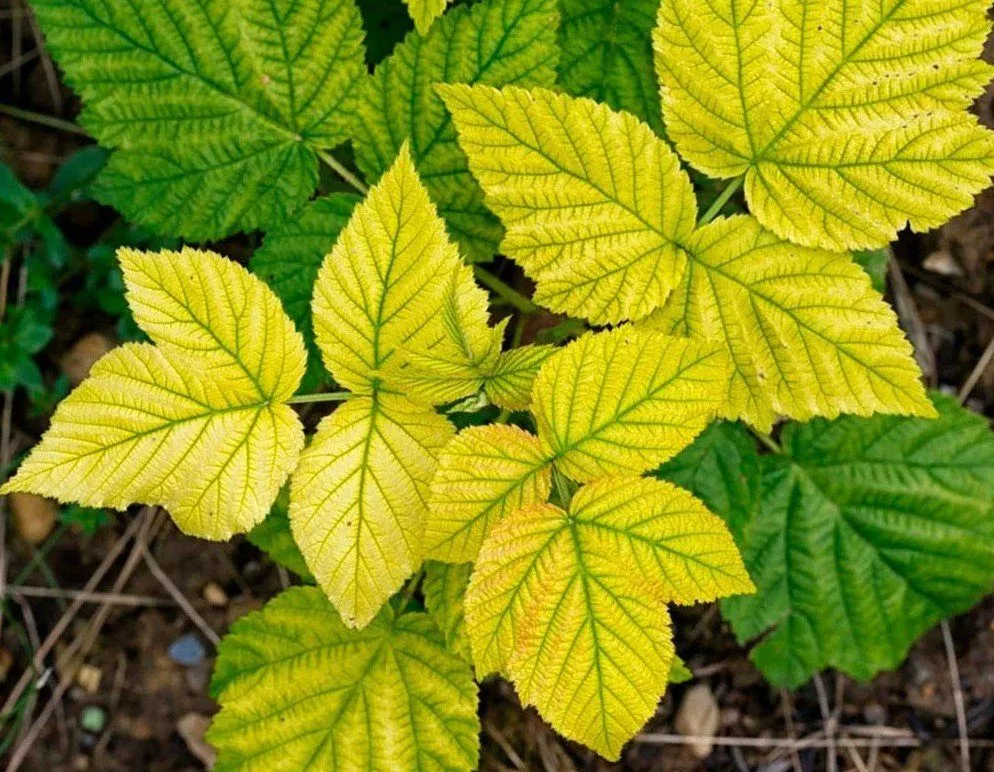
| Chlorosis | The virus enters through cracks in the bark, causing the leaf tips to curl.
The main carriers are nematodes and mites. The development of the disease is provoked by a cold summer and a lack of:
In June, the infected bush changes color, the leaves turn yellow at the edges, and the shoots become thin. | Treatment of raspberry chlorosis:
|
Root cancer
Raspberry chlorosis
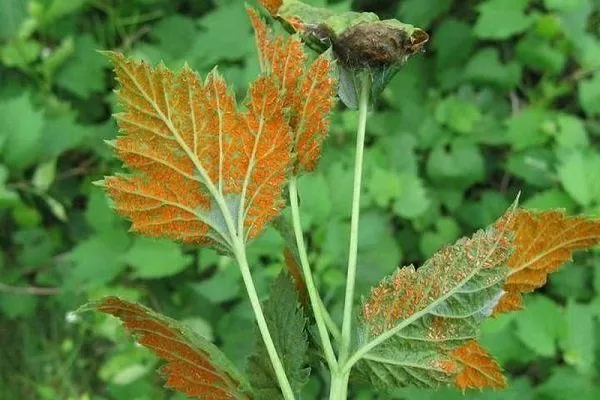
Raspberry rust
Pests
Pests that contribute to the drying out of raspberries:
| Name | Description | Methods of control |
| Spider mite | A webbing appears on the underside of the leaves. Over time, they become discolored, begin to dry out, and eventually fall off completely.
Most often, the pest attacks raspberries during prolonged dry and hot weather. | Raspberries are processed:
|
| Stem gall | The adult lays eggs in cracks in the bark of young branches.
The waste products of the larvae are strong poisons that lead to the formation of tumor-like growths. The bark in this area is cracking badly. The branch, weakening, gradually dries out. | To prevent the appearance of larvae, preventive treatment is carried out in the spring.
Fufanon has a good effect. The substance (15-20 ml) is dissolved in water (10 liters). The resulting solution is applied to the soil. First, the soil is dug to a depth of 10-15 cm. |
| Aphid | The first generation of larvae emerges during bud maturation. If the infestation is severe, branches dry up and leaves curl up.
Aphids form a sugary coating on the leaves. | To combat the insect, use a solution of actellic (15 ml per 10 liters of water). |
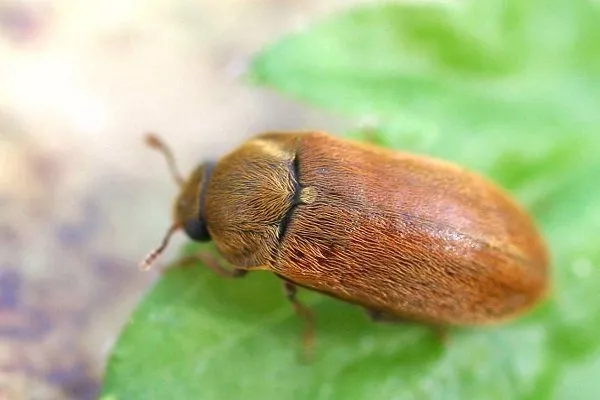
| Raspberry beetle | The female pest lays up to 50 eggs per season. In June, the voracious offspring ruin most of the harvest.
The berries dry out at the very base and fall off. | In the fall, the garden is dug up to destroy beetles that have decided to spend the winter under the bush.
In summer, use "Guapsin." To prepare a working solution, dissolve 250 ml of suspension in 10 liters of water. |
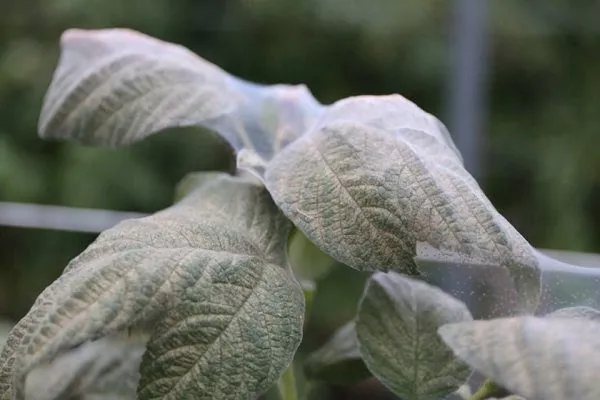
Spider mite
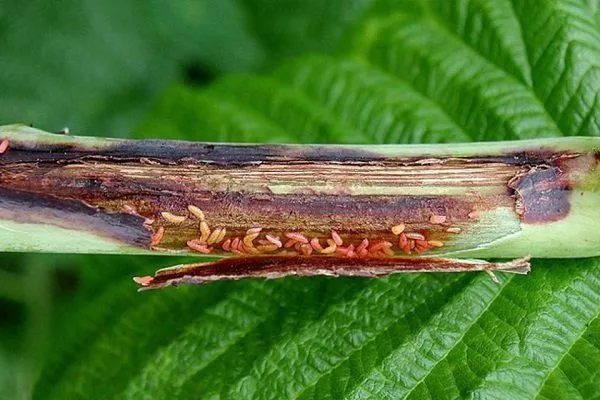
Stem gall
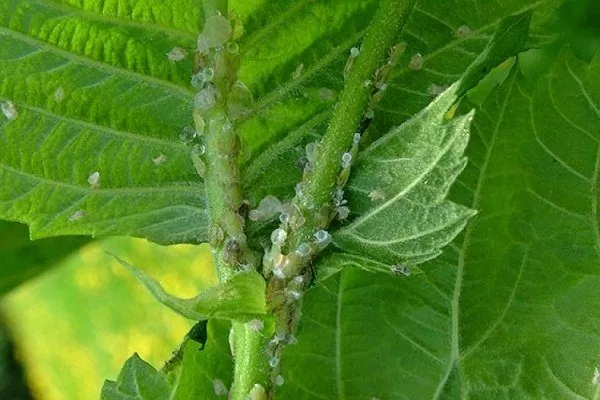
Aphids on raspberries
Raspberry beetle
Root damage
Raspberry roots can be damaged in the following cases:
- from diseases;
- if the soil was loosened incorrectly;
- when the soil becomes waterlogged.
To prevent root damage, be very careful when loosening and weeding. To detect any shrub diseases, closely monitor the shrub's condition.
When roots are damaged, plants cannot fully absorb moisture from the soil. This results in nutrient deficiencies. If the root system is severely deformed, new shoots stop growing. Old branches begin to dry out and die.
How to save raspberries?
Sometimes the berries are already starting to turn red, and the leaves are curling and drying out. To avoid losing the harvest, you need to identify the problem and fix it.
Leaves dry out and curl during fruiting
Aphids transmit viruses that cause yellow mosaic. The disease may not manifest itself for a long time, but as the berries ripen, light spots appear, and the leaf tips curl and become deformed. To prevent the disease from developing, the bushes are treated with fungicides.
Effective drugs:
- Inta-Vir. Spraying is carried out before and after flowering of plants at the rate of 1 tablet per 10 liters of water.
- "Spark". The composition is diluted in a ratio of 5 ml per 5 liters of water or a 10 ml bottle per bucket.
They use pesticides to control insects that carry pathogenic microorganisms. Diseased leaves are plucked and burned.
The leaves are turning yellow
Raspberries react negatively to micronutrient deficiencies, excess moisture, and lack of moisture. When physiological chlorosis develops, the bushes are fed with nitrogen-containing fertilizers and watered with diluted bird droppings.
Raspberries often turn yellow and dry out in the heat. In dry and hot weather, water the plants more frequently with warm water. During frequent rainfall, avoid watering.
The stems are drying out
High temperatures, excess humidity, and dense plantings activate anthracnose pathogens. This causes raspberry shoots to become spotted and stems to dry out. To prevent the disease:
- remove weeds regularly;
- weed the plantings;
- In spring, spray the raspberry bush with Bordeaux mixture;
- Use a solution of “Alirin B” (2 tablets per 1 liter of water) to treat plants.
Treating infected bushes is useless; they need to be removed and burned, and the soil treated with copper oxychloride and the fungicide "Oxychom" (15 g per 10 l of water).
The branches are drying up
Raspberry berries only form on one-year-old shoots; older shoots begin to dry out and die. Regular pruning helps rejuvenate the bush.
If branches dry out due to lack of moisture, water the raspberries generously. If the plant is damaged by insects, insecticide treatments are applied.
The bush dries up along with the berries.
To prevent the plant from drying out during the fruiting period, it is necessary to follow agricultural practices when planting:
- regularly feed and water the bushes;
- remove old shoots;
- thin out young growth.
How to protect raspberries?
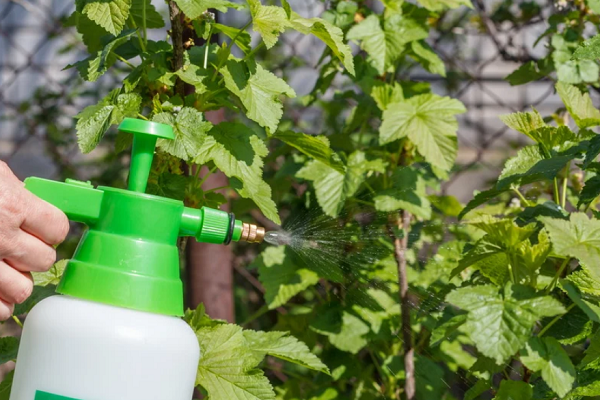
Raspberry treatment is only effective in the spring. At this time, insect activity is still low. During this time, the air temperature should not exceed 12 degrees Celsius. To protect against pests, spray the shoots with a 0.2% Chlorophos solution (20-30 g per 10 liters of water). Repeat the treatment after two weeks.
During the period of ovary formation, insecticides are used to treat the lower part of the stems:
- "Karate" (4 ml per 10 liters of water);
- "Confidor" (1 g per 10 l of water).
Helpful tips if your raspberries are spoiled
Preventing the spread of most diseases in raspberry gardens can be achieved by following proper agricultural practices for growing this crop and taking a number of preventative measures:
- In the fall, the area is cleared of last year's leaves, the soil under the raspberries is loosened, fertilizer is applied, and Bordeaux mixture is applied. If acidity increases, gypsum is added to the soil to bring it up to standard.
- In spring, plants are pruned, the soil is loosened, fertilizer is applied, and the bushes are sprayed with Bordeaux mixture.
- During the period of budding, budding and before flowering, raspberries can be treated with insecticidal and biofungicidal preparations.
- Everbearing raspberries are sprayed in early May with Topaz (2 ml per 10 liters of water). At the end of May, they are treated against pests with Actofit (4 ml per 1 liter of water) or Lepidocid (20-30 g per 10 liters of water).
An experienced gardener will give more advice on what to do if your raspberries are drying out in the following video:
With proper and timely care, you can get rid of the problem of raspberry bush drying. Prevention is easier than cure. After all, serious raspberry infections, such as fungal ones, can completely destroy the bush.
I had no idea my raspberries were drying out because my soil was too acidic. I compared all the symptoms, possible causes, and everything else I read in the article and figured out what was causing it. But to be sure, I measured the pH level. And sure enough, it was off the charts. Thank you for helping me figure this out. I managed to save the bushes just in time.