
The Ruby Giant raspberry belongs to the group of high-yielding everbearing varieties, but stands out among them in that a gardener can harvest berries up to six times during the growing season. This result is achieved only under the most favorable climatic and agricultural conditions. Otherwise, the number of harvests per year does not exceed three.
History of selection
Ruby Giant is a relatively new variety, created by specialists at the Moscow Scientific Research Institute of Horticulture. Its genetic material was taken from the Patricia raspberry, from which it inherited its best qualities. For this reason, among gardeners, Ruby Giant is sometimes called an improved Patricia.
Where can it be grown?
The Ruby Giant is distinguished by its high frost resistance and drought tolerance, allowing it to grow throughout Russia without restrictions. It thrives in southern, temperate, and northern climates.
Considering that the variety was developed in Moscow, it can be said that this region is its natural habitat.
Introduction to the variety
Ruby Giant is also unique in that it has dual uses—table and dessert. This allows for a wide variety of uses. The variety easily withstands long transportation, is not related to blackberries, and produces excellent yields, but does not tolerate severe frosts well.
Bush, branches, leaves
Plants of this variety reach a height of 160-200 cm, with medium-sized, strong, and robust stems. The absence of thorns significantly improves harvesting. On average, each plant produces 8-10 new shoots, while older stems die back after fruiting.
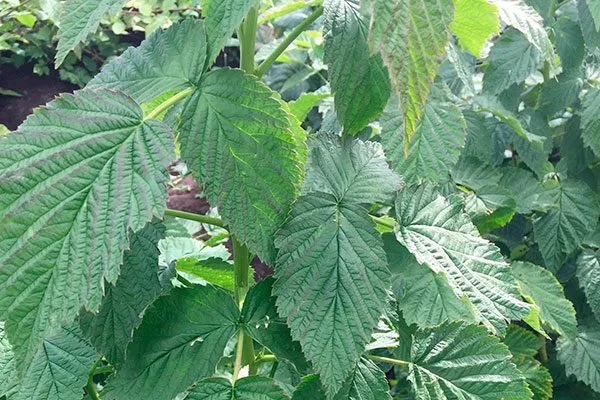
The foliage consists of leaves with a textured surface and sharply serrated tips, typical of raspberry crops. They are distinguished by an intense emerald sheen and considerable size, forming a dense crown.
Flowers, fruits, seeds
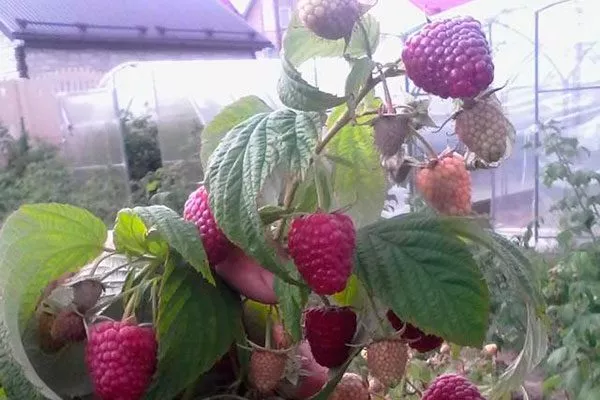
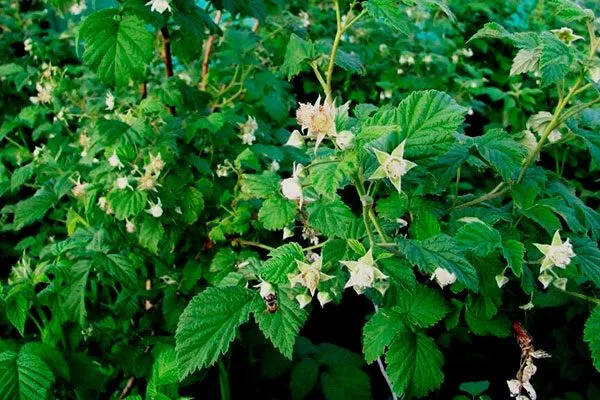
The flowers of this raspberry variety are large and snow-white. The berries are seedless, making them even more convenient to eat and cook. Other characteristic features of this variety include:
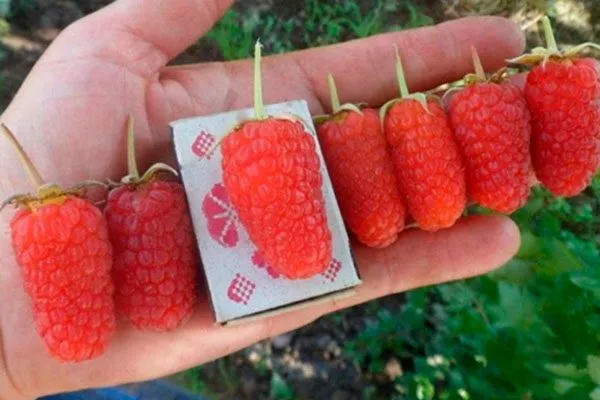
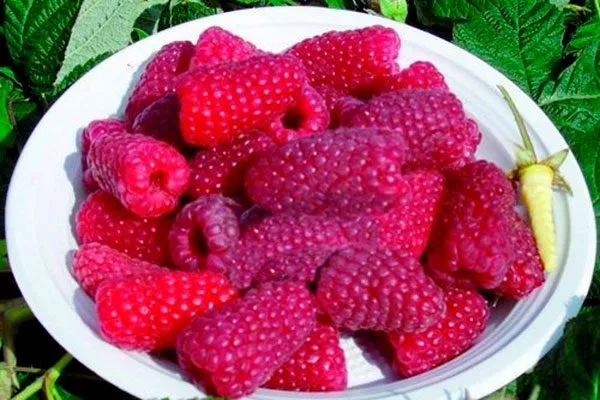
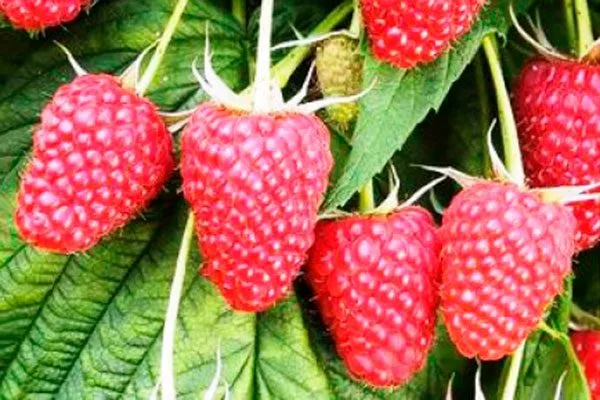
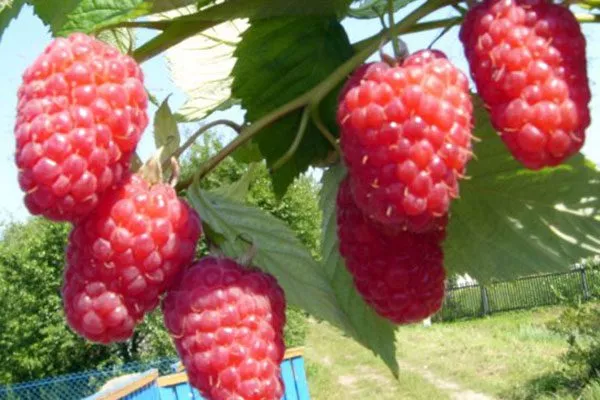
- The fruits are distinguished by their large size and shape, resembling a truncated cone.
- The weight of an individual berry varies from 7 to 14 g, although the average is 11 g.
- The berries are adorned with a bright red, sometimes even ruby hue, which is the basis for their name.
- The taste is sweet with a slight sourness that adds freshness, making the fruit ideal for fresh consumption, as well as for freezing, making jam or compotes.
- The berries are firm and dense, and do not flow when cut.
- ✓ The absence of seeds in the berries increases their consumer value.
- ✓ Self-pollination ability, which increases yield even in the absence of other raspberry varieties nearby.
Beneficial properties
This fruit has powerful antioxidant properties and stimulates the immune system thanks to its high vitamin C content. In traditional medicine, raspberries are used for their anti-inflammatory and antimicrobial properties.
Resistance to cold and heat
The Ruby Giant variety is distinguished by its good frost resistance, reaching temperatures as low as -30°C. This allows it to be grown even in northern regions. In extremely low temperatures, the tops of the bush may freeze, but with proper protection, this does not significantly affect the upcoming harvest.
Pollination and fruiting methods
Ruby Giant is a self-pollinating variety, meaning its bushes produce bisexual flowers that don't require an external pollinator. However, if other raspberry varieties are present in the garden, they will increase fruit production through cross-pollination.
Productivity
This variety boasts impressive yields. With careful care and proper pruning, each bush can yield over 2 kg of berries in a single fruiting wave. Considering that the fruit on this variety ripens not just once, but several times per season, the yield can reach 9 kg per bush.
Fruiting begins in July and continues until September, even longer under favorable temperatures. This period is considered typical for this variety, which is considered an early-ripening variety.
Storage
The berries have an impermeable structure, preventing them from separating or spreading. They preserve well and can be transported efficiently over long distances, making them an ideal choice for commercial use. Refrigeration is recommended for extended shelf life.
Landing rules
The Ruby Giant raspberry prefers moist but well-drained soil with a pH of 5.6 to 6.2, which corresponds to slightly acidic or neutral conditions. The soil should be rich in minerals. If your soil is too acidic, you can use dolomite flour to reduce its acidity.
- ✓ The soil temperature during planting should not be below +10°C for optimal rooting.
- ✓ The distance between bushes should be at least 1.5 m to ensure sufficient aeration and lighting.
Other important aspects:
- This variety does not tolerate direct sunlight or drafts. Under such conditions, the Ruby Giant's leaves are susceptible to sunburn, and the berries lose their juiciness.
- It is best to plant this raspberry in an area that receives enough sunlight in the morning, but should not receive direct sunlight in the afternoon.
- Avoid planting bushes in the shade, as this will reduce the yield, and the berries, which are not particularly sweet, will become even more sour.
- Ruby Giant won't survive in heavy, excessively wet, or clayey soil, where root rot can develop. To improve drainage, it's recommended to add compost to the soil.
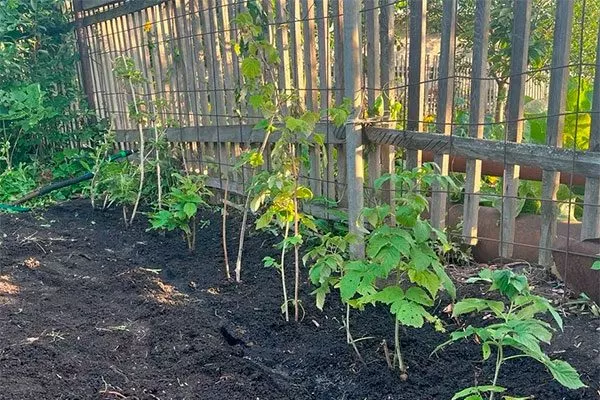
The boarding procedure includes a number of important steps:
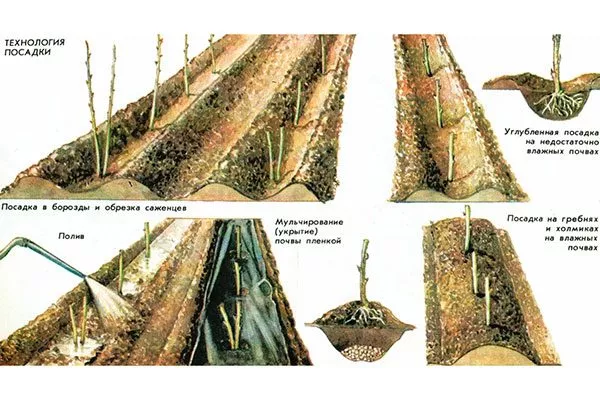
- Dig holes for the seedlings. Considering that the plants will grow and spread, leave 100-150 cm between them and 150-200 cm between rows.
- At the base of each hole, create a small mound of soil.
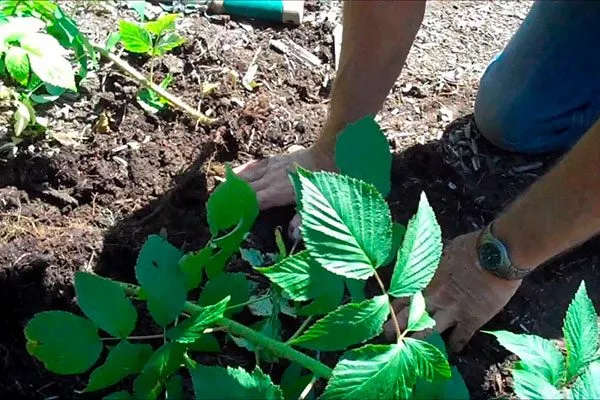
- Then, place the seedling on this hill, making sure that its roots are evenly distributed over the surface.
- Fill the hole with soil and compact it carefully to eliminate any air pockets.
- After planting, moisten each plant with water.
- Mulch around the roots using peat or sawdust.
Raspberry seedlings of this variety can be planted in spring and fall, taking into account weather conditions and the specific climate of the region. When planting in the fall, it's especially important to allow the plants time to adapt to the upcoming frosts.
Care activities
Caring for this variety of raspberry includes a number of important rules:
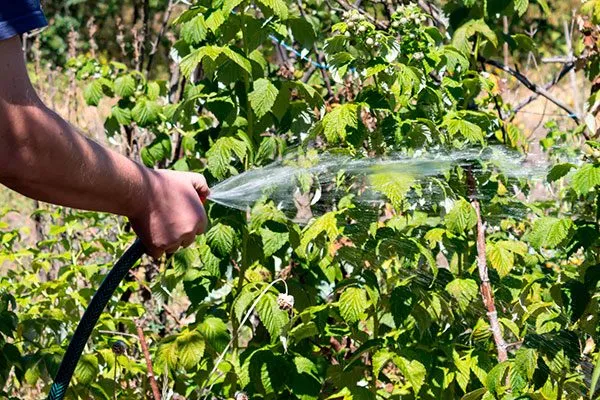
- Watering. Regular and abundant irrigation is essential – moisture should penetrate the soil to a depth of approximately 40-45 cm. Particular attention should be paid to watering during periods of active plant growth and fruit formation.

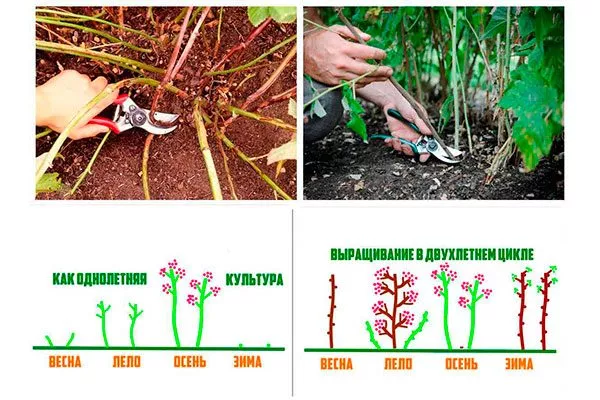
Before harvesting, it's recommended to reduce the amount of water to prevent berry rot. Regardless, before winter, another generous watering is necessary. - Trimming. This process must be performed annually. This raspberry variety can produce fruit on both first- and second-year shoots, so pruning should be approached with particular care:
- In the fall, remove only shoots that have already produced fruit twice, as well as any excess growth at the base of the bush. Young shoots should be cut back to the level where berries began to form.
- In spring, perform only sanitary pruning, removing all damaged and infected branches. It is also recommended to remove excess shoots if there are more than ten of them.
- During pre-winter care for this raspberry variety, complete pruning is recommended, but this can delay ripening. To speed up ripening, instead of pruning, simply press the young shoots down to the ground.
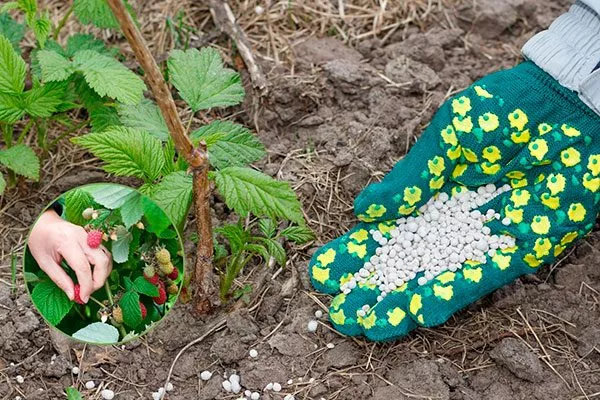
- Top dressing. To ensure your raspberries receive the necessary nutrients, fertilize them three times per season. In the spring, apply nitrogen fertilizers, and before harvest, apply phosphorus-potassium fertilizers.
- Support. Because the bushes of this raspberry variety are quite tall, they should be secured to special support structures called trellises. This will prevent them from falling to the ground and make caring for the plants easier.
- Fluffing. To ensure optimal ventilation around the roots, it is recommended to loosen the soil. The soil should be loosened to a depth of no more than 6-8 cm. This procedure can be repeated up to 4-6 times throughout the summer.

Diseases and pests – how to control them
This variety demonstrates high resistance to diseases and pests. However, preventative measures are important. Overwatering the roots can lead to fungal infections and rot, which can lead to the death of the seedlings, so watering should be moderate. In the spring, it's advisable to use special treatments for the bushes.
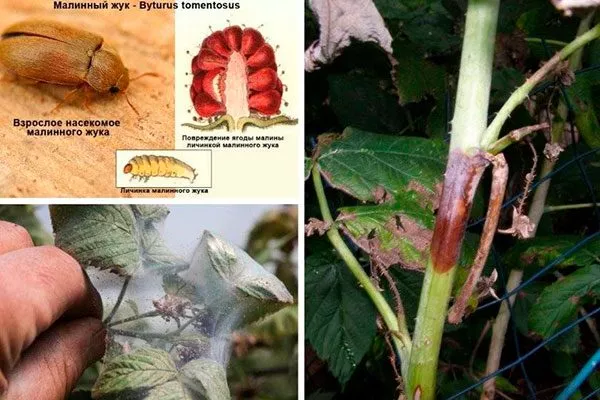
Some pests can cause damage to plants, including:
- Spider mite, from which it is necessary to free the bushes with the help of insecticides or folk remedies, such as an infusion of onion or garlic peels.
- Raspberry beetle, against which it is necessary to use specialized means before the berries ripen.
- Aphid, which can move from other plants in the garden, its elimination also requires the use of insecticides.
What are the pros and cons?
Ruby Giant has many positive qualities, but it's also important to pay attention to its downsides to avoid problems during cultivation. The variety's advantages include the following:
Among the disadvantages we can note:
Gardeners' reviews
Based on all the listed advantages and characteristics of the Ruby Giant raspberry, it's safe to say that it won't disappoint gardeners. This variety has excellent flavor and requires little care. It adapts well to a variety of climates and is suitable for long-distance transportation. Furthermore, the Ruby Giant boasts high yields.