
Ruby raspberry is suitable for gardeners with no experience growing this crop. Its abundant yields, excellent flavor, and unique qualities make it one of the best options for those seeking a beautiful and fertile garden. Proper care will help you grow plants with excellent varietal characteristics.
Appearance of the bush
Created at the M.A. Lisavenko Siberian Research Institute of Horticulture under the supervision of I.P. Kalinina and V.A. Sokolova. It was obtained by crossing an open-pollinated Canby seedling.
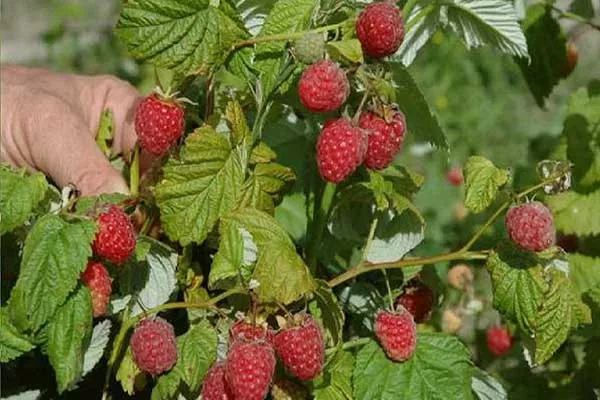
The bushes are vigorous, medium-spreading, and yet upright. The geniculate shoots are either virtually thornless or covered with soft spines. It is considered a medium-sized plant.
Taste qualities and characteristics of berries
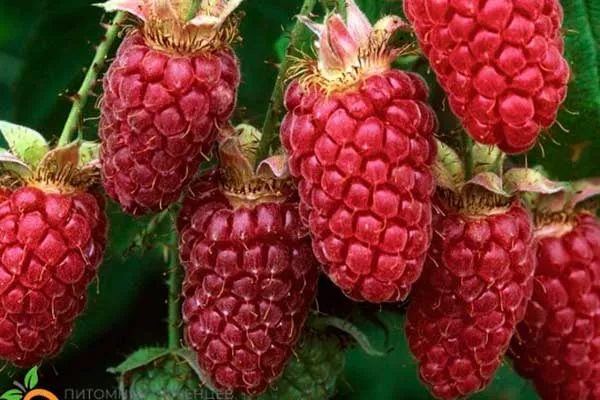
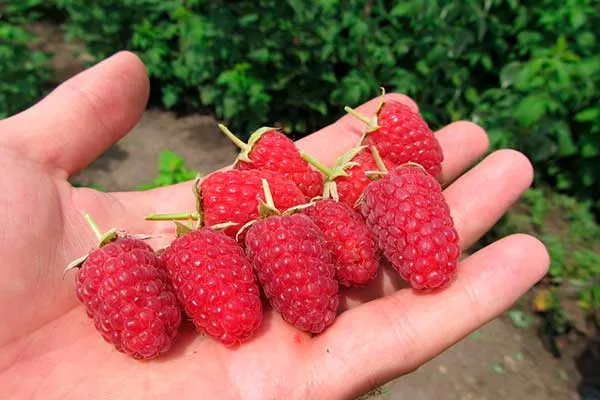
They are colored crimson and have many distinctive qualities. These include:
- Broadly obtuse conical configuration.
- The average weight is 3-4 g, although in rare cases it can reach 5.5 g.
- The pulp is dense, with strong adhesion of the drupes.
- The aroma is very strong.
Productivity and ripening time
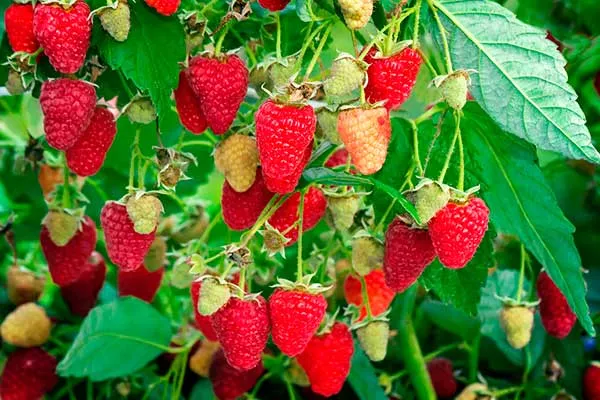
This mid-late variety begins to ripen after July 20-25 or early August and continues to bear fruit until October. It has a high yield. With proper care, it can yield 50 to 85 centners of fruit per hectare.
Growing conditions
The Rubinovaya raspberry is a frost-resistant variety, allowing it to be grown outdoors in a variety of soil and climate conditions. It has moderate drought and heat tolerance.
How to plant Ruby raspberries?
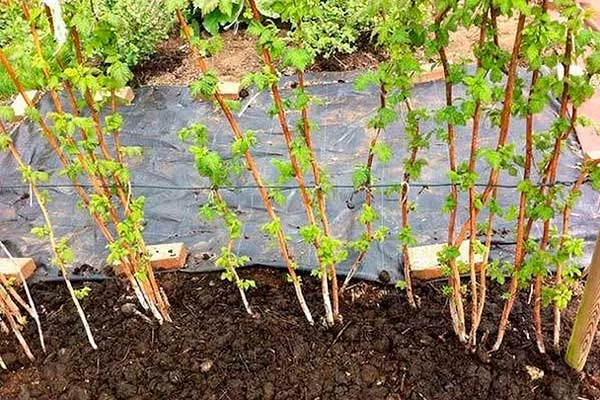
To successfully grow the crop, it's important to follow several steps when planting seedlings. Follow these recommendations:
- Choose a spacious, elevated, sunny, draft-free site. Make sure the raspberry bushes are protected on the north side by a fence or house wall, but not so much that they block the sun.
- Avoid lowlands and high groundwater levels.
- The soil should be light, fertile, with a neutral or slightly acidic reaction.
- Clear the area of weeds and plant debris, dig over and loosen the soil. Add organic fertilizer if necessary.
- Select a planting pattern (ribbon or square-bush).
- Depending on the chosen scheme, dig trenches or holes at the required distance from each other.
- Provide sufficient space between rows to allow for easy maintenance of the plantings and harvesting of berries.
- Prepare the holes by adding organic fertilizer to the bottom.
- Place the seedling with a developed root system into the hole and cover it with soil.
- Compact the soil around the seedling to remove excess air from the rhizome.
- Water the plants generously with warm water and mulch the area around the trunk to retain moisture.
- ✓ The site should be protected from northern winds, but not shaded by buildings or tall trees.
- ✓ Groundwater must be no closer than 1.5 meters to the surface.
How to care for Ruby raspberries?
Good annual harvests are only possible with timely and proper care. Follow these simple agricultural practices:
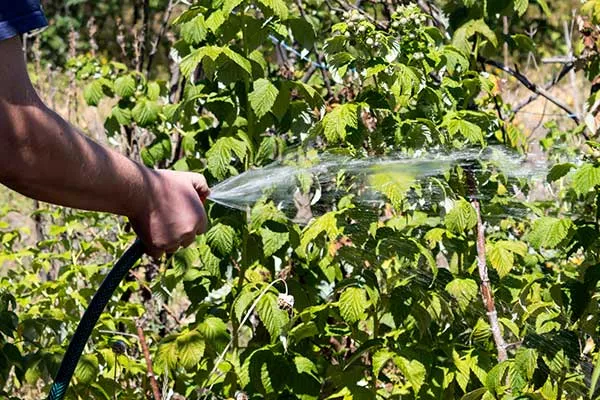
- During mild summers, water once a week. During hot and dry periods, increase the frequency to 2-3 times a week, watering as the soil surface dries.
- Do not water the bushes during rainy periods.
- Avoid standing water around seedlings to prevent root rot and various diseases. Excessive moisture during the fruiting period can cause the berries to become watery and lose flavor.
- To save time and effort and prevent the risk of plants drying out or becoming overwatered, set up a drip irrigation system.
- Starting in the second year of growth, apply nutrient supplements. In the spring, apply nitrogen-rich fertilizers to stimulate active shoot growth and foliage. In the summer, during flowering and before the fall harvest, add fertilizers rich in potassium and phosphorus to increase yield and improve the flavor of the berries.
This raspberry variety is resistant to many diseases, although it can occasionally be affected by purple spot. For prevention, spray with Bordeaux mixture in the spring. Tie the plants to trellises to ensure access to fresh air. Weed and remove dead branches and leaves.
Frost resistance and preparation for winter
The plant has moderate frost resistance, easily surviving moderate frosts. In colder regions, additional measures may be required to protect the bushes from low temperatures. Use the following protection methods:
- Cover the bushes with special materials to create a greenhouse effect. Use spunbond or agrofibre.
- Rake snow around plants for natural insulation from cold temperatures.
- Feed your raspberries at the end of the season with fertilizers that contain a high amount of potassium, which will help boost immunity before the onset of winter.
Reviews
The Ruby Raspberry is one of the most unique varieties of this fragrant and delicious berry. It has gained popularity among gardeners due to its abundant yield, excellent flavor, and disease resistance. Its bright red berries, reminiscent of the precious ruby, are an indispensable source of vitamins. This plant requires proper care.