
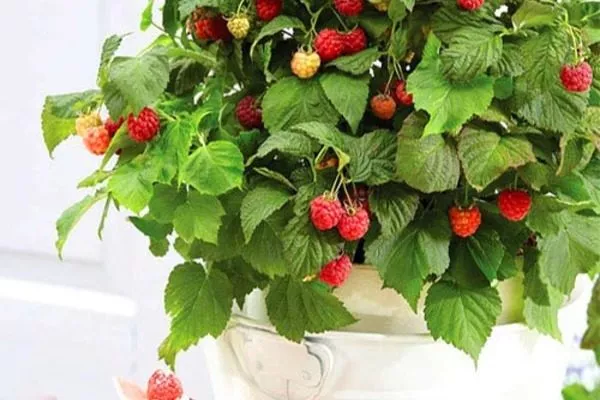
Ruby Beauty raspberry is one of the most attractive varieties for gardeners seeking delicious berries without wasting time. This variety boasts early and long ripening times, as well as resistance to cold and disease. With proper care, you can grow robust plants that will reward you with an abundance of juicy berries.
Who developed the variety and when?
The variety was created by New Zealand breeders. Although there is no official registration data, Ruby Beauty is widely sought after.about the whole world.
Appearance of the bush
It is characterized by a compact bush size, reaching a height of 90-100 cm. The shoots are low, covered with green leaves and devoid of thorns.
- ✓ Absence of thorns on the shoots, which makes harvesting easier.
- ✓ High resistance to the main raspberry diseases, such as anthracnose and gray rot.
Berries and their taste qualities
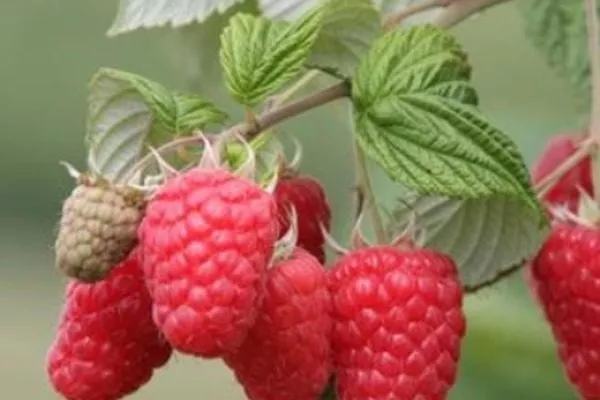
They are light red in color and medium in size. They are conical in shape and reach 2 cm in length. Each berry weighs 6 g. The flesh is juicy, with a sweet flavor and rich aroma characteristic of wild berries.
Ripening period and yield
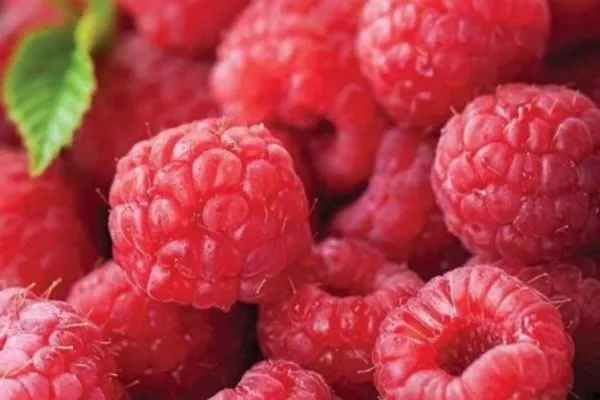
It's an early-ripening variety. The first fruits begin to ripen as early as late June, and the harvest continues in waves until the end of summer.
Planting methods
Use several cultivation methods, depending on conditions and preferences. Choose the most suitable option:
- Trench planting:
- Dig a trench approximately 40 cm deep and wide.
- The length of the trench depends on the number of seedlings. Leave 50-60 cm between plants and 1.5-2 m between rows.
- Place a drainage layer on the bottom and add fertilizer.
- Place the seedlings in the trench, carefully spreading out the roots.
- Water plants thoroughly and mulch.
Critical parameters for a successful landing- ✓ The optimal soil acidity for Ruby Beauty raspberries should be within the range of 5.5-6.5 pH.
- ✓ The distance between rows should be at least 2 m to ensure sufficient ventilation and prevent fungal diseases.

- Hole (bush) planting:
- Dig a hole approximately 40x40x40 cm in size.
- Add a drainage layer (gravel, broken brick) to the bottom to improve water drainage.
- Mix the excavated soil with compost or rotted manure in a 1:1 ratio.
- Add some wood ash to increase fertility.
- Before planting, carefully inspect the roots of the seedling. Remove any damaged or dry parts. Place it in a bucket of water for 1-2 hours to ensure the roots are well-hydrated.
- At the bottom of the hole, form a mound of prepared soil mixture.
- Place the seedling on the mound, carefully spreading the roots to the sides.
- Fill the hole with prepared soil, compacting it lightly to eliminate any air pockets. Make sure the root collar (the point where the root meets the stem) is level with the ground.
- Water the plant thoroughly after planting to ensure the soil adheres tightly to the roots.
- Mulch the tree trunk area with a 5-7 cm layer of straw, hay or compost to retain moisture and prevent weed growth.
- Planting in containers:
- Select pots or containers with a capacity of about 10 liters per raspberry bush.
- Fill the containers with the nutrient mixture. The grafting site should be a few centimeters above ground level.
- After planting, water and make sure the soil level remains the same.
- Ensure there is good drainage in the container to prevent water stagnation.
The correct process, taking into account all recommendations, will help raspberries successfully take root and develop, ensuring a good harvest in the future.
Care and cultivation
To achieve good results, ensure proper care. This includes several key steps:
- Watering. During the summer, especially on dry days, water your raspberries regularly. Apply about 10 liters of warm, settled water under each bush. Water in the evening or morning to avoid water getting on the leaves, which can promote bacterial or viral infections. Drip irrigation is ideal.
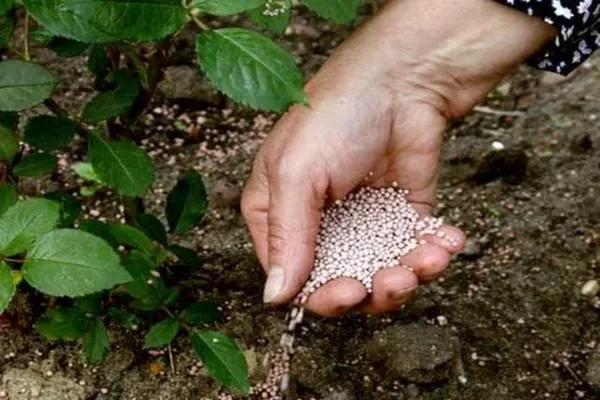
- Top dressing. When preparing for planting, add ample compost and mineral fertilizers to the soil. Supplemental fertilizing is important, especially in the first few years. In the spring, add 10 kg of well-rotted manure. In the summer, use wood ash and complex fertilizers.
- Trimming. Prune fruiting shoots in the spring by 20 cm to a strong bud, removing immature and frost-damaged tips down to healthy tissue. During the fruiting season, trim back diseased and weakened shoots at the root. Perform the final pruning in late summer after fruiting.
By following these care recommendations, you will create favorable conditions for growth, development, and fruiting, which will lead to a good harvest throughout the season.
Propagation of the Ruby Beauty variety
Ruby Beauty raspberry can be propagated in several ways, but the easiest and fastest is by root suckers. Dig up the young shoot along with the root ball and transplant it to its permanent location. The plant produces numerous suckers, providing plenty of seedlings for propagation.
Pests and diseases, preventive measures
The crop is susceptible to attacks by various insects, but it has strong immunity to diseases. To prevent pest problems, follow these care measures:
- Weed and rake dirt between bushes regularly to reduce hiding places for pests.
- Remove diseased and weak plants to reduce the chance of infestation.
- Treat with Actellic, Decis, Calypso, and Fufanon. These are effective fungicides.
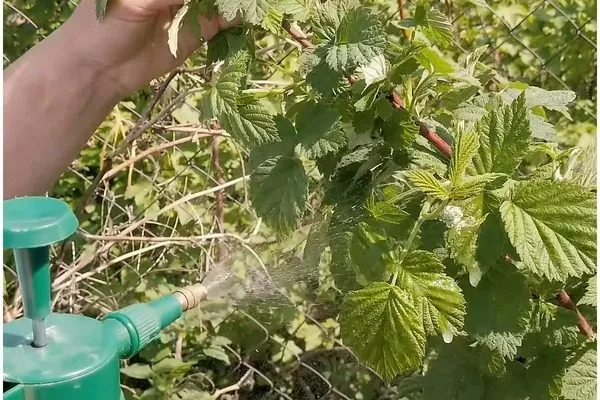
Avoid using these products during the flowering period to avoid harming bees.
Pros and cons
Before planting a new variety, study its pros and cons. Ruby Beauty has many advantages:
The variety has no significant drawbacks. These characteristics make it an attractive choice for both professional gardeners and amateurs who value reliability and convenience when growing berries.
Reviews
The Ruby Beauty raspberry is a popular variety, chosen by many gardeners in our country. It's easy to grow and thrives in a variety of climates. It boasts generous yields and a strong immune system. It's important to ensure consistent and proper care to protect the plant from problems and harvest high-quality fruit.