
Przehyba is the name of a very popular raspberry variety bred abroad. It has become a favorite among domestic gardeners and commercial farmers due to its early maturity, excellent yield, large fruit size, and exceptional flavor. It is grown not only in open gardens but also indoors for the earliest harvest.
History of the variety's development
This variety of berry crop is a new product of Polish selection, which was born in 2015. It was developed by employees of the Horticultural Research Institute of the Ministry of Agriculture (Poland):
- I. Daneku;
- A. Ozhelu.
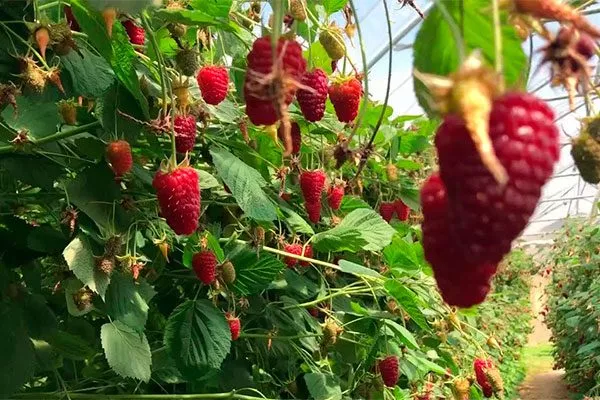
Description of the Pshekhiba raspberry variety
This variety of garden crop is renowned for its excellent technical characteristics. Experienced gardeners can easily identify it by sight, just by the appearance of its bushes and berries.
External characteristics of the bush and berries, their taste
The Pshekhiba shrub is vigorous and produces abundant branches. Over the course of a season, it produces 7 to 10 new shoots, as well as numerous root suckers. The plant is characterized by the following traits:
- “height” – up to 2 m (up to 2.3 m if you grow raspberries in a greenhouse);
- spreading;
- powerful and well-developed root system;
- four-order branching;
- strong shoots, distinguished by their medium thickness and low thorniness;
- young stems of a juicy green color, covered with thin hairs;
- foliage: large, corrugated, oval-shaped with a pointed tip;
- flowers: large, white, collected in a brush.
In May and June, the Pshekhiba variety's bushes bloom in clusters. Each cluster then produces 15 to 20 fruits.
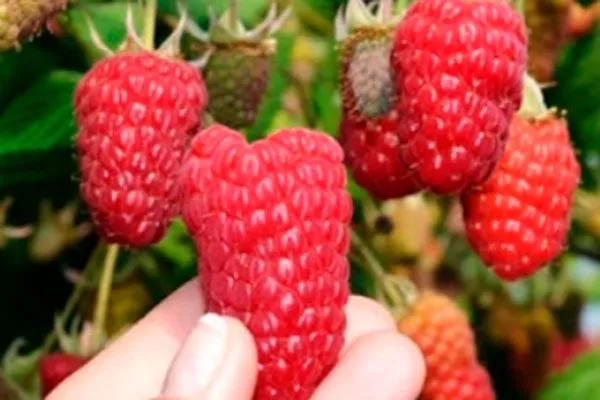
The berries are uniform and have an attractive commercial appearance. Their characteristics are as follows:
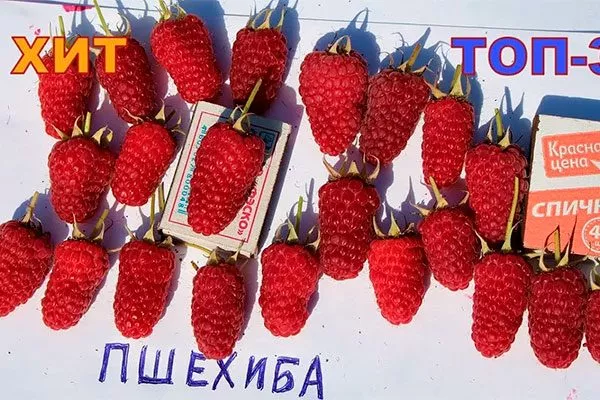
- large size - 3-5 cm in length (with enhanced agricultural technology the figure reaches 7 cm);
- weight - from 7 to 14 g;
- elongated obtuse-conical shape;
- bright red color, which becomes darker in fully ripe specimens;
- the thinnest skin with a shine and slight pubescence, distinguished by its strength and elasticity;
- The drupes are medium-sized, well-attached to each other, with firm, but very juicy, aromatic fleshy pulp and small seeds inside.
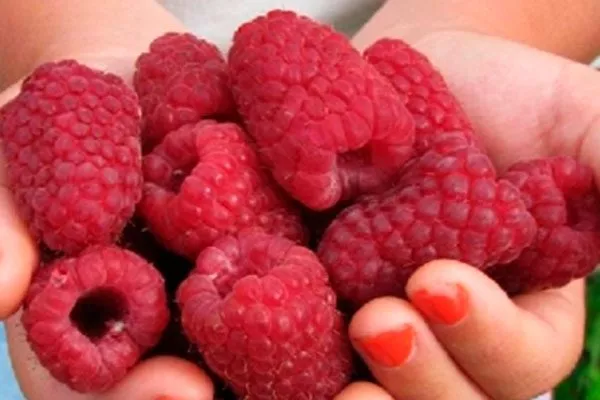
The harvest is versatile. The fruits of this garden crop are eaten fresh, added to desserts, and frozen. Housewives make delicious jams, syrups, marmalades, and compotes from them.
Ripening time
Raspberry fruiting is abundant and uniform. The berries ripen in clusters on second-year shoots. Ripening times vary depending on the local climate and growing conditions:
- in the southern regions the first fruits can be tasted as early as June 20;
- In the central regions of the Russian Federation, summer residents harvest in the first half of July;
- Raspberries ripen 20-30 days earlier when grown indoors.
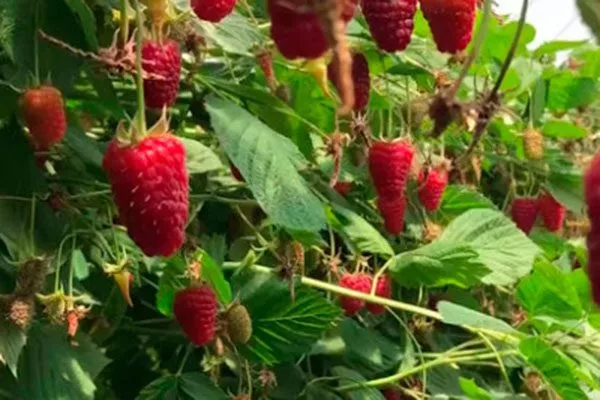
Pshekhiba berries don't tend to rot on the branches after they're fully ripe. They don't crumble when picked. They're also excellent for keeping and transporting.
Productivity
This variety of garden crop is famous for its stable and excellent yield:
- One shoot on a bush produces 1-1.5 kg of berries;
- Farmers harvest from 20,000 to 35,000 kg from 1 hectare of raspberry planting;
- 450 kg of fruit per 100 sq. m is the yield obtained when cultivating this variety in closed ground.
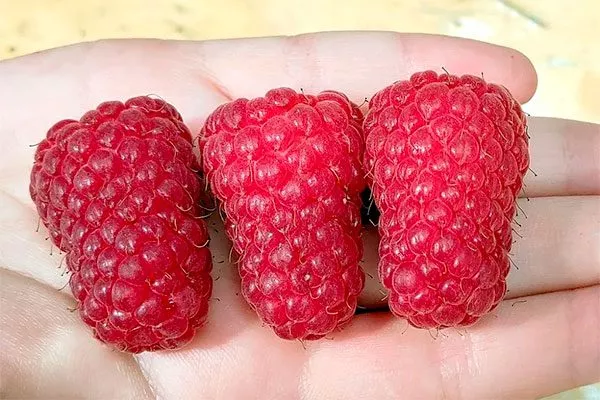
A shrub's productivity directly depends on the number of shoots it contains. Fertilizers, weather, and growing conditions also influence productivity.
Pros and cons of Pshekhiba raspberries
The variety has become popular among domestic gardeners and farmers who grow berries for sale due to its many advantages:
Planting and caring for Pshekhiba raspberries
If you've purchased a seedling of this variety, be sure to plant it correctly and provide it with proper care. Following proper cultivation practices will help ensure your raspberry bush grows well and produces abundant fruit.
Selecting and preparing a planting site
Raspberries will grow well and bear fruit in a site that meets the following requirements:
- well-lit by the sun (the variety grows well in the shade, but in sunny areas it bears fruit more abundantly, producing tastier and larger berries);
- with free air circulation, but protected from strong winds and drafts;
- located on level ground;
- not located in a lowland with groundwater close to the surface of the earth;
- not the place where the raspberry patch was previously located.
- ✓ Soil pH should be between 5.5-6.5 for optimal nutrient absorption.
- ✓ The groundwater depth must be at least 1.5 meters to prevent root rot.
The type of soil in which you plan to grow berries is also important. They thrive in the following types of soil:
- fertile;
- well drained;
- loose, oxygen-rich;
- slightly acidic or neutral;
- loamy or sandy loam.
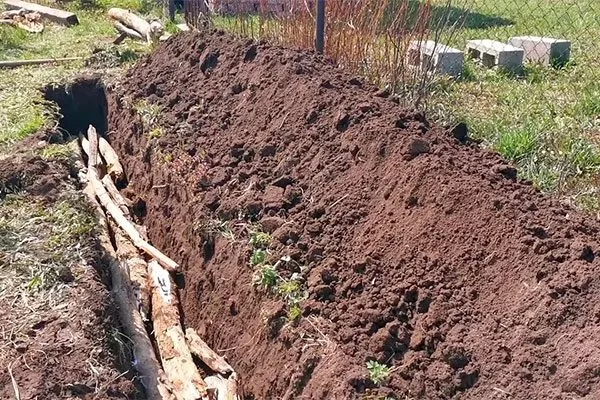
Be sure to improve the fertility of the soil in the area designated for raspberry bushes. Two to three weeks before planting, enrich it with organic matter:
- manure or chicken droppings;
- humus;
- compost.
The day before planting the raspberry seedlings, level the area, dig it over again, and remove weeds. When determining the size, remember that the Pshekhiba raspberry bush tends to grow extensively. It's a good idea to plant an apple tree nearby to protect the plant from rot, as well as roses and barberries.
Landing rules
Plant raspberry seedlings purchased from a nursery at your dacha using bush or strip planting. Follow the recommended planting pattern for the variety:
- place the bushes, maintaining a distance of 0.7-0.8 m between them;
- the distance between rows is 1.5–2 m.
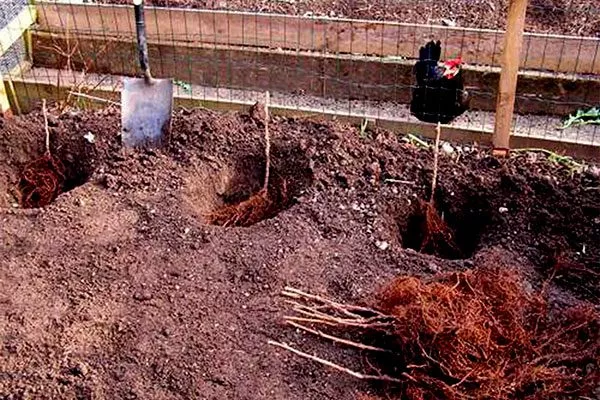
Carry out the procedure in spring or autumn, following the following sequence of actions:
- Dig a trench or planting holes.
- Add a mixture of fertile soil, humus (5 kg per 1 plant) and mineral fertilizers (60 g).
- Place the cutting in a hole or trench.
- Water its roots before you start burying them.
- Fill the roots and planting hole (trench) with soil and compact it.
- Trim the branches of the seedling to a height of 20–25 cm.
- Mulch the tree trunk circle with sawdust or straw to retain moisture in the soil.
Watering and fertilizing
Pshekhiba raspberries require regular watering. The variety is drought-resistant, but to ensure a bountiful harvest, provide the bushes with sufficient moisture (especially during the fruiting period). Avoid overwatering the soil to avoid waterlogging.
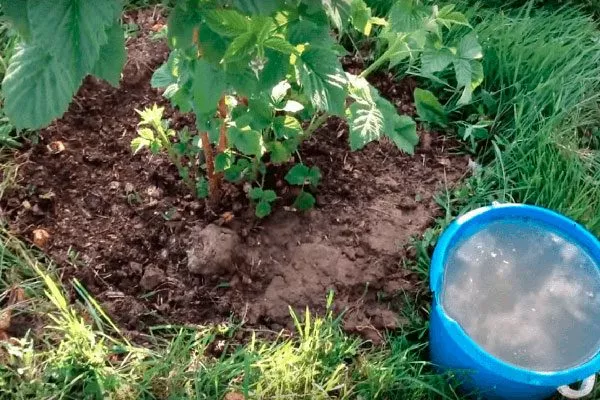
Water regularly:
- 1-2 times every 7 days - if there is enough precipitation;
- daily - if the summer is dry and hot.
Water consumption per bush is 10 liters. For mass planting of the crop - 30-40 liters per 1 square meter of raspberry patch.
The variety yields best with intensive fertilization. Pshekhiba responds well to organic fertilizers:
- mullein,
- compost;
- humus;
- chicken droppings,
- herbal infusion.
Prepare a liquid nutrient mixture for watering the raspberry bush, following the step-by-step instructions:
- Fill a large barrel 1/3 full with compost, manure and chicken manure.
- Fill the organic matter with water. Leave for 14 days.
- Before use, dilute the resulting concentrate with water (1:5).
Use commercial mineral fertilizers for berry bushes. Apply them strictly according to the instructions.
Feed raspberries at the following times:
- carry out the first feeding in the spring during the period of active plant growth;
- the next one - before winter, after the harvest.
Trimming
Prune the Pshekhiba shrub to promote shoot development. Follow these steps:
- Trim the tops to encourage branching.
- Remove shoots that thicken the crown.
- Leave 7–8 branches per 1 m of row.
- Remove root suckers.
This berry variety bears fruit on two-year-old shoots. After harvesting, be sure to prune them to encourage new growth.
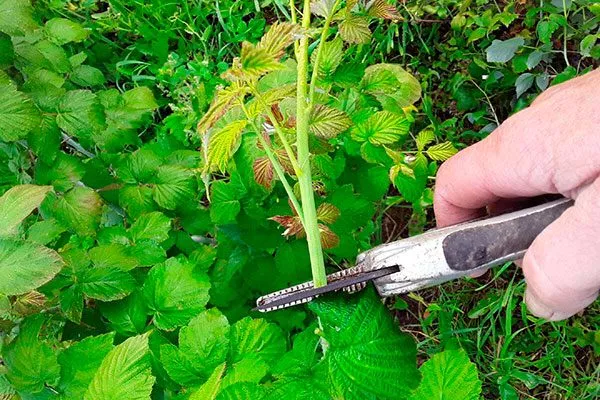
Perform sanitary pruning of your raspberry bushes in the spring. Remove shoots that are no longer useful:
- frozen;
- weak;
- sick;
- broken.
Shorten the remaining branches to the level of the first healthy bud.
Preparing for winter
A distinctive feature of this variety is its frost resistance and resistance to bud damage. In regions with harsh winters, raspberry bushes will still require shelter.
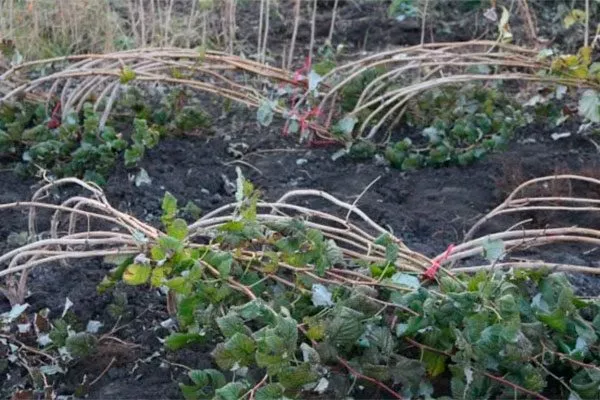
Prepare the bushes for winter as follows:
- Remove the shoots from the supports.
- Bend them to the ground.
- Cover with agrofibre or spruce branches.
Reproduction
Propagate the Pshekhiba raspberry in two ways:
- cuttings;
- root shoots.
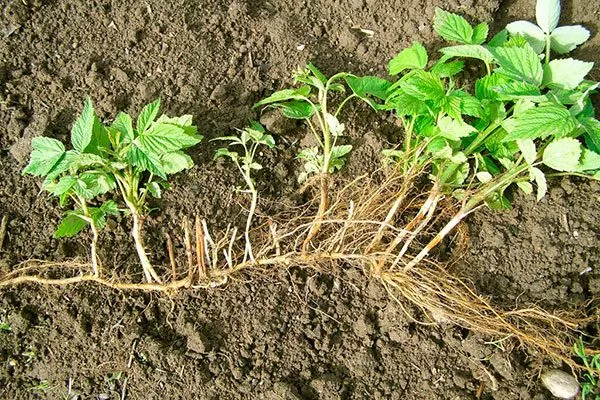
If you prefer cuttings, follow the procedure step by step:
- In the fall, cut the shoots to a length of 20-25 cm.
- Cover them with spruce branches for the winter.
- In spring you will receive full-fledged seedlings.
When propagating a variety by root shoots, proceed differently:
- Separate healthy and strong specimens.
- Dig them out along with the soil.
- Transplant to a permanent location in the garden.
Propagating raspberries by seed is a labor-intensive and time-consuming process. Experienced gardeners rarely resort to it. Another significant drawback is the loss of the parent plant's characteristics.
Diseases and pests
A distinctive feature of the Pshekhiba raspberry variety is its excellent resistance to diseases and pests. In rare cases, infection can occur. This complication is caused by improper care.
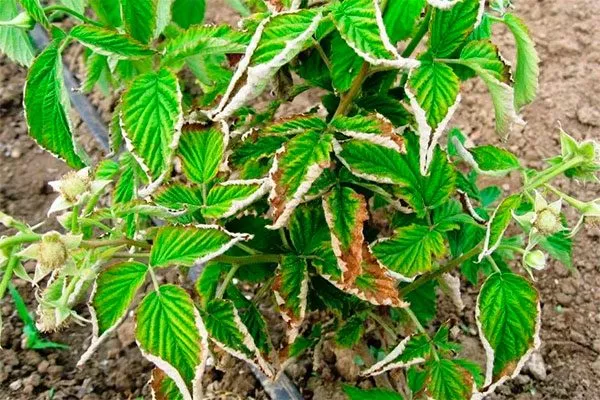
If the rules of agricultural technology for garden crops are violated, they become susceptible to diseases:
- Late blightRaspberry bushes suffer from this disease due to stagnant moisture in the soil where they grow. If left untreated, the bush wilts and dies. Treat the problem by treating the plant with fungicides (Radomil, Quadris).
- Raspberry rustShrubs growing in areas with high humidity are susceptible to the disease. Infected plants develop leaf blades covered with protruding, dark yellow bumps. Affected shrubs are unable to survive the winter.
Get rid of the disease using Bordeaux mixture or copper-containing preparations.
A raspberry bush that doesn't receive proper care also suffers from pest attacks:
- spider mite;
- aphids.
Pests damage shrubs and carry diseases. If the infestation is minor, treat the shrub with folk remedies:
- with soapy water;
- onion peel decoction;
- garlic infusion.
If there are a lot of insects, folk remedies won't be effective. Treat your berry patch with insecticides.
To avoid raspberry diseases, do not neglect problem prevention:
- Buy seedlings only from trusted sellers;
- take good care of them;
- weed regularly;
- destroy plants affected by diseases and pests;
- Stick to crop rotation on your plot.
Harvesting and processing of crops
Harvesting ripe raspberries is a long and labor-intensive process. The Pshekhiba variety makes harvesting easier thanks to its unique characteristics:
- large size of berries;
- their friendly maturation;
- density of drupes;
- a small number of thorns on the branches.
The berry crop's fruiting season is extended, lasting several weeks. Harvest the fruit every few days. Pick the fruit within a couple of days of full ripening to ensure longer shelf life.
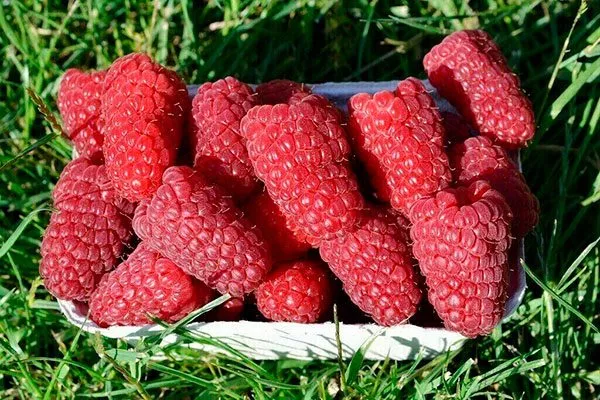
When picking raspberries, use shallow containers. This will prevent the berries from getting crushed. Don't wash them before storing them in the refrigerator. They will keep for up to a week in the refrigerator without losing their appearance, juiciness, or flavor.
Reviews of the Pshekhiba raspberry variety
The Pshekhiba raspberry is rapidly gaining popularity in Russia. Its early maturity, resistance to diseases and pests, and high yields have earned it increased interest from gardeners and farms.