
The Pokhvalinka raspberry holds a special place among gardeners and homesteaders in our country. Its large berries, abundant harvest, and disease resistance make it an attractive choice for those seeking to grow delicious and nutritious berries with minimal effort. The key is to provide the crop with proper care and follow simple farming practices.
History of the variety's development
The variety was developed by Russian farmers and breeders Ilya and Vladimir Shiblev. It was registered in the State Register after undergoing extensive testing. While the crop is only just gaining popularity among gardeners, it is primarily grown in small garden plots.
Introduction to the variety
The Pokhvalinka raspberry is becoming increasingly popular and sought after due to its low maintenance and high yield. It can be successfully grown both in home gardens and on an industrial scale.
External characteristics of the bush and berries, their taste and purpose
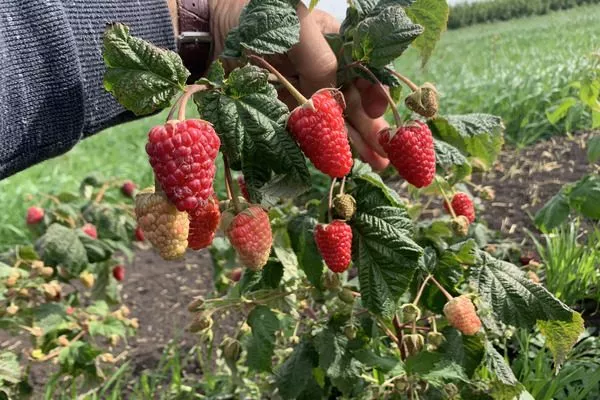
The raspberry bush is vigorous, upright, and medium-height (130-150 cm), with abundant new shoots forming throughout the season. Distinguishing features:
- Leaves - large, bright green, moderately wrinkled, slightly twisted and slightly pubescent.
- Escapes – Brown with a slight waxy coating. The underside has prominent short, purple-brown spines on a green base.
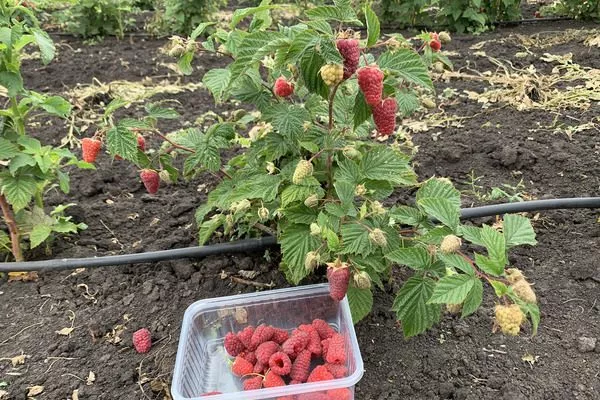
- Flowers – big ones.
- Berries - with an average weight of about 6.5 g, and a maximum of 10.6 g. They have an elongated conical shape and a bright red color.
- Pulp – Sweet and sour, juicy, with a distinct aroma. Sugar content is 7%, acidity – 1.3%.
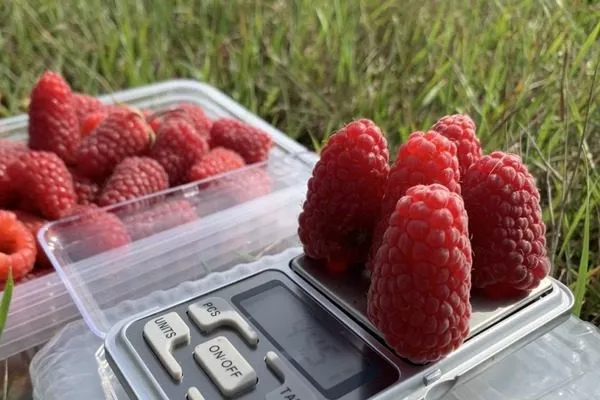
The fresh berries received a tasting score of 4.2 points. The berries have excellent shelf life and transportability.
Growing regions
This fruit bush can be grown in all regions of the country. The crop is well adapted to the climate of Nizhny Novgorod, so the Volga-Vyatka region is considered the most favorable for its cultivation. It demonstrates high productivity in any region of the country with proper care.
Productivity
The yield of the Pokhvalinka raspberry is high – 6-10 kg per bush or 15-20 tons per 1 hectare.
Frost resistance and preparation for winter
The everbearing variety is frost-resistant, able to withstand temperatures down to -30°C. However, the next year's harvest depends on the quality of winter preparation. The preparation method depends on the pruning method.
If you're only pruning two-year-old shoots, water the bushes thoroughly in the fall and bend them down to the ground. In Siberia and the Urals, cover them with non-woven material, especially for young seedlings.
Basics of Growing
In southern regions, plant raspberries in areas with light shade at midday, as the variety does not tolerate heat well. When planted in Siberia or the Urals, they require winter protection.
Features of planting operations
Choose a site with good sun exposure from all sides. Planting in the shade will cause young shoots to stretch, overwhelming second-year plants and resulting in reduced yields.
Follow these recommendations:
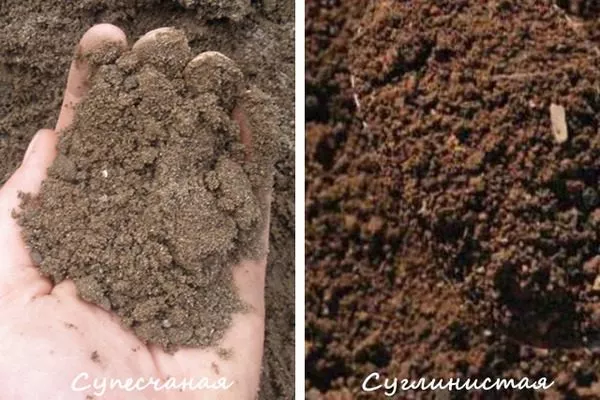
- Everbearing raspberries thrive in light, fertile soils such as chernozem, sandy loam, or clay loam. Avoid planting in high areas, lowlands, or on slopes where moisture levels may be too low or too high.
- The planting area must be level, a slight slope is allowed.
- After growing raspberries in the same spot for about seven years, move the planting location. Returning to the same spot should be done no sooner than after five years.
- Good predecessors are legumes or grain crops. Avoid planting raspberries after potatoes, tomatoes, or peppers.
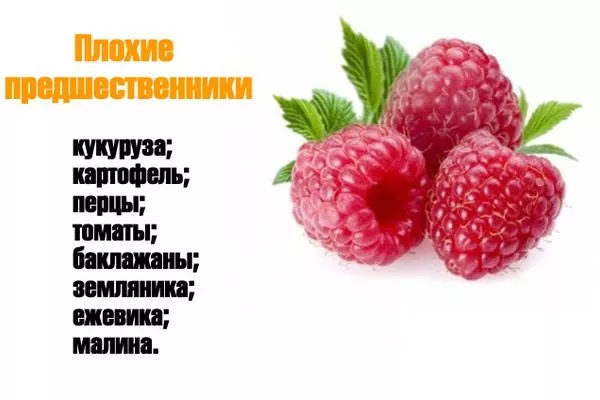
- The optimal soil acidity is 5.8–6.3 pH.
- Autumn planting should be done in late September or early October, and spring planting should be done after the snow melts. If weather conditions cause planting delays, survival rates will be significantly reduced.
Plant before the soil freezes, or in the spring, before bud break. Seedlings should be healthy, with a collar thickness of about 1 cm and a root system of about 15 cm.
Plant raspberries in any way:
- Bushy. Prepare the holes.
- Ribbon. Dig trenches.
The distance between rows should be 1.3 m, and between plants – 50 cm. If a seedling has several shoots, cut all but the strongest one, leaving it no more than 30 cm high.
Follow the instructions:
- Dig spacious holes measuring 50x50x40 cm.
- Mix the top fertile soil layer with 5 kg of compost, 40 g of superphosphate and 40 g of potassium fertilizers, pouring them into the bottom of the hole.
- Place the seedling on a mound, fill the hole with soil, compact it slightly and water generously with 10 liters of water.
- To retain moisture, mulch the soil with peat, humus or pine needles.
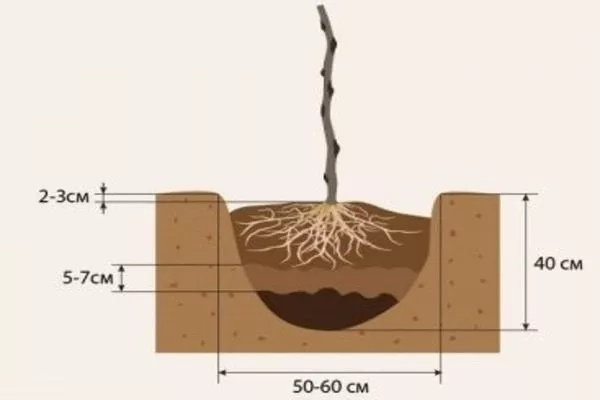
When planting in autumn, hill up the seedlings 10 cm up to prevent the roots from freezing in winter.
Trimming
Prune the plant in two ways. Follow these recommendations:
- Cut back two-year-old shoots after fruiting in midsummer. This allows the plant to focus all its energy on the one-year-old branches, which will later yield the fruit. These shoots become the main source of berries the following year.
- Harvest only first-year shoots, and prune them completely at the end of the season. In southern regions, do this in the fall, and in northern regions, in the spring to help retain snow on the site.
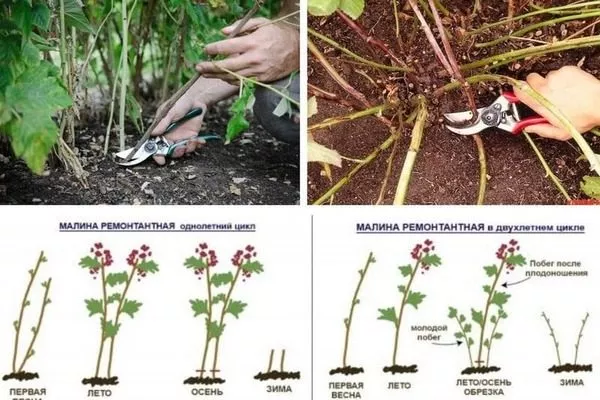
The second method is preferable because complete pruning reduces the risk of disease and pest infestation. This method makes it easier to prepare the plants for winter without reducing the yield.
Watering and fertilizing
To ensure plump and juicy berries, ensure regular soil moisture. Drip irrigation is optimal, as it delivers moisture directly to the roots. Sprinkler irrigation in sunny weather can cause foliar burn, and in cloudy weather, it can lead to the development of fungal diseases.
It's convenient to water raspberries using pre-dug grooves along the rows, which channel water to the seedlings' root system. If there's no rain, water the bushes once a week, pouring 10 liters of water under each.
After a few years of planting, the soil under your raspberries becomes depleted. Fertilize to replenish nutrients:
- Apply nitrogen in early spring to promote shoot growth.
- During flowering, fertilize with an infusion of chicken manure diluted in a ratio of 1:20.
- Potassium and phosphorus affect next year's harvest.
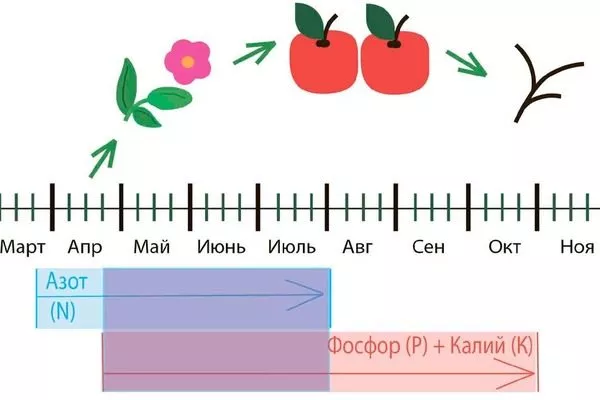
Don't ignore folk remedies for fertilizer, such as nettle infusions, which you can add to your irrigation water.
Prevention and protection from pests and diseases
The crop is highly resistant to pests and most diseases, such as anthracnose, chlorosis, leaf curl, and rust. This eliminates the need for chemicals.
To prevent this, maintain a distance between bushes when planting to avoid overcrowding. Water only at the roots to prevent the spread of fungal infections.
Shelter for the winter
Pokhvalinka can withstand significant temperature drops, so special shelter is not required. To protect the root system, cover it with snow or a thick layer of mulch.
Harvesting
This is one of the new and promising varieties, distinguished by its large, sweet berries. To preserve their flavor and nutritional value, properly organize the harvest and storage of the crop.
Follow these recommendations:
- The optimal time for picking is in the morning after the dew has cleared, or in the evening when the heat subsides. This helps prevent damage to the berries and reduces the risk of spoilage.
- Use small baskets or containers. It's important that the containers are shallow to prevent the berries from getting crushed. The container material should be breathable to prevent moisture accumulation.
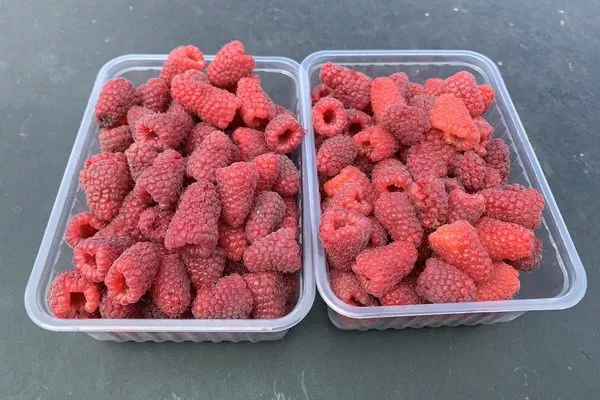
- Pick berries carefully, removing them with stems attached, to prolong shelf life. Avoid picking damaged or overripe berries, as they spoil quickly and can spread mold to other berries.
- After harvesting, carefully sort through the berries, removing any damaged or spoiled ones. Don't wash them before storing, as moisture promotes mold growth.
- For short-term storage (1-3 days), refrigerate raspberries at 0-2°C. Use plastic containers with lids to prevent moisture loss, or special ventilated containers.
- For long-term storage, freeze the harvested berries. To do this, spread the berries in a single layer on a tray and place them in the freezer. Once the berries are frozen, transfer them to bags or containers for further storage.
- An alternative method is to dry the raspberries. To do this, spread the berries on a dehydrator or tray and leave them in a dry, well-ventilated area. You can use an electric dehydrator for a faster and more even drying process.
Reproduction
Pokhvalinka is characterized by abundant shoot formation, which makes it easy to propagate. To increase the amount of planting material, you can intentionally damage the root system using a shovel. This stimulates the emergence of new shoots.
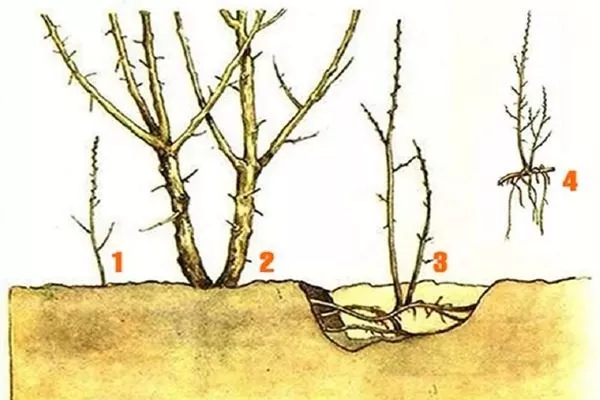
In the spring, carefully separate the new shoots from the parent plant and transplant them to their permanent location. They will produce a berry harvest within the current season.
A more labor-intensive method of propagation is by cuttings. Take the cuttings while pruning the shrub and bury them for the winter. Moisten them periodically in the spring. As soon as the first leaves appear, the seedlings are ready for transplanting to their permanent location.
Pros and cons of the Pokhvalinka remontant raspberry
The crop is characterized by excellent varietal qualities, making it increasingly popular among gardeners. Before choosing it, it's important to be aware of its drawbacks.
Advantages:
Among the disadvantages, gardeners note:
Review of reviews
The Pokhvalinka raspberry is an ideal choice for gardeners of all experience levels. Its abundant harvest, large, juicy berries, and disease resistance make it an indispensable garden plant. With minimal time and effort, it can achieve excellent results, regardless of the growing region.