
The Penguin raspberry is a hybridization product that was added to the Russian state register in 2008. It was created by I.V. Kazakov, V.L. Kulagina, and S.N. Evdokimenko. This everbearing variety is distinguished by its ability to bear fruit early in the season, its transportability, and a tasting score of 3.7 points.
Botanical description
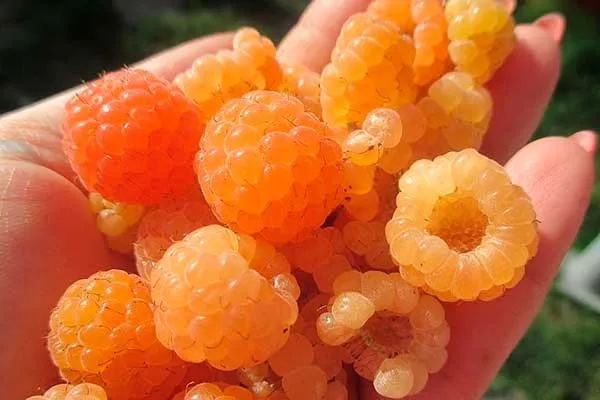
The early-ripening Penguin variety gave rise to two more varieties: Penguin Royal and Yellow. The new hybrids are characterized by larger berries (10 and 8 g, respectively) and a rounded shape. The Yellow variety produces fruit with a yellowish tint.
Appearance of the bush
| Name | Ripening period | Disease resistance | Berry size |
|---|---|---|---|
| Penguin | Early | High | 4-7 g |
| King Penguin | Early | High | 10 g |
| Yellow Penguin | Early | High | 8 g |
The shrub is considered medium-sized, reaching a height of 120-150 cm. The shoots are upright, so the plant doesn't spread too much. Other varietal characteristics:
- the bark on strong thick shoots is light brown;
- On one-year-old branches there is a waxy coating, the color of the thin bark is green;
- the leaves are medium in size, classic green with serrated edges;
- the surface of the leaf blade is slightly wrinkled and pubescent, and the shape is medium-pointed;
- thorns are present - there are a lot of them at the bottom, but in the middle of the shoot and at the top their number decreases;
- the spines are shortened and slightly bent, brown;
- foliage is strong, especially during fruiting;
- The root system is of a superficial type, but with a taproot that goes deep to 150 cm.
Berries and their taste qualities
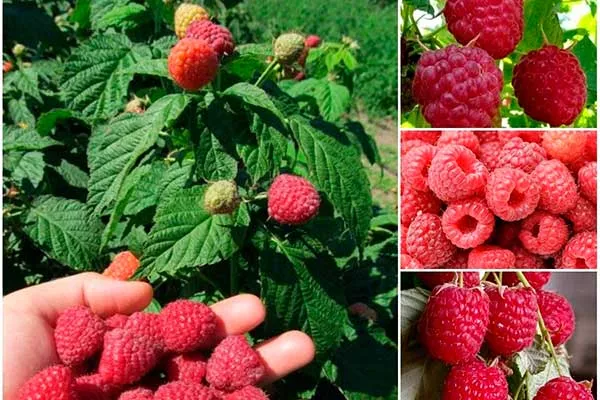
The fruits don't have a high sugar content—they're more sweet-tart than sweet-tart. Other characteristics of the berries:
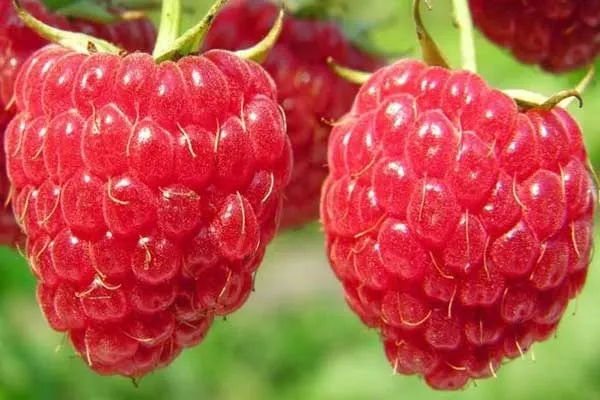
- form - wide conical (20-25 mm in width, 25-35 mm in length);
- weight - from 4 to 6.5-7 g;
- shade – dark crimson;
- pulp – compacted;
- aroma – absent;
- detachability from the stalk – light;
- seeds inside raspberries – small.
Key Features
The Penguin variety boasts high yields for an early-ripening raspberry. Over the course of the season, you can expect 2-3 kg of berries per bush, with a total yield of 8-12 tons per hectare.
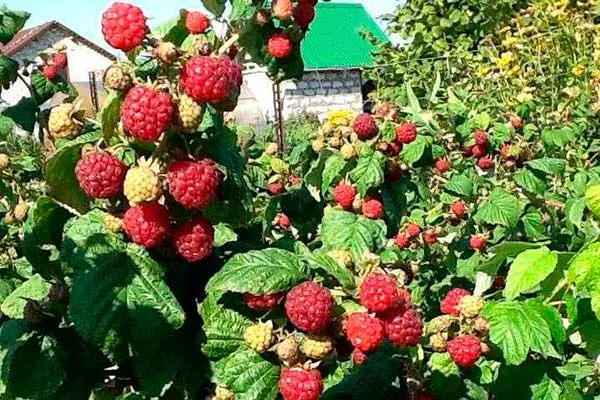
Ripening begins on July 15th in the south and in early August in the north, with harvesting ending after mid-October. With biennial cultivation, the yield of this variety may decrease.
Other characteristics of the variety:
- It has a high resistance to various diseases - with a one-year cultivation system, raspberries are practically not susceptible to diseases and pest damage, and wormy berries are not found on the bushes, since they are formed during a period when insect activity decreases.
- Cultivation is possible in various climatic conditions due to its high frost and drought resistance.
Landing features
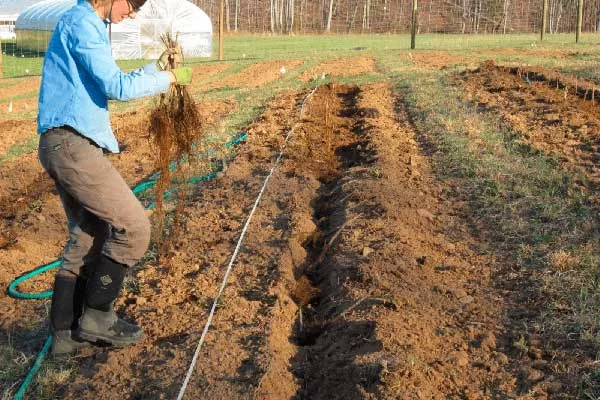
A specially prepared site is allocated for planting. When choosing a site, consider the degree of light, soil quality, and groundwater depth.
Selection of seedlings
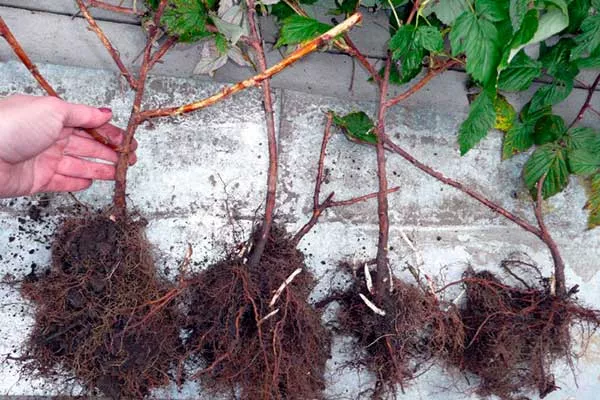
It's best to purchase seedlings from nurseries, as the planting material will definitely meet all standards (disease/pest treatment, etc.). Choose healthy seedlings with a developed root system and no signs of rot, damage, insects, or any other damage.
- ✓ Check for a certificate of conformity for the variety.
- ✓ Assess the condition of the root system: it should be moist, with no signs of drying out.
Site preparation
The Penguin raspberry prefers bright spots where sunlight is present throughout the day. This determines the ripening speed and flavor of the fruit. Growing it in the shade will reduce the yield and the berries will become very sour.
Peculiarities:
- This raspberry does not tolerate excessively wet conditions: if the groundwater level is high, the root system may rot. Therefore, the raspberry patch should be sited so that water does not accumulate.
- It is not recommended to plant Penguin after plants such as potatoes, tomatoes and peppers, as well as after other varieties of raspberries.
- Everbearing raspberries grow particularly well in loamy soils. For acidic soils, use limestone or dolomite.
- Before planting, it is recommended to sow green manure crops such as lupine or mustard, which are dug up and put back into the ground three months before applying fertilizer.
- Before planting raspberries, enrich the soil with humus at a rate of 17-20 kg per square meter. When digging, add 200 g of complex minerals containing phosphorus, potassium, and calcium.
Work order
Raspberry planting occurs at specific times of the year: either after September 20th or in March-April. The process is always the same, regardless of the time of year.
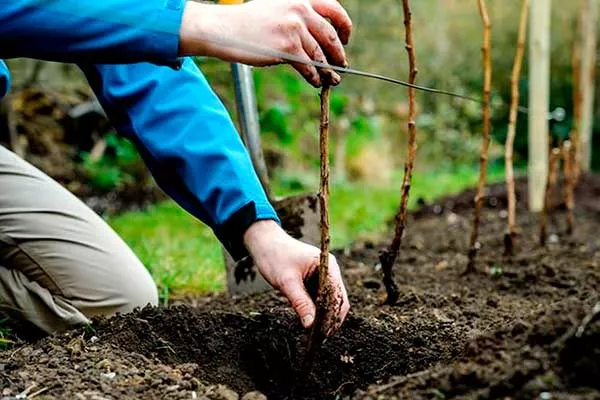
The disembarkation procedure includes the following steps:
- Dig holes 45-55 cm in diameter and 40-50 cm deep, with a spacing of 70-80 cm between bushes. The exact dimensions depend on the size of the seedling's root system.
- Place the roots of raspberry seedlings in a growth stimulation solution for two to three hours.
- Then carefully place the raspberry bushes into the holes, distribute the roots and cover with soil.
- After this, compact the soil with your hands and water it generously.
Caring for the variety
Everbearing raspberries require careful care to ensure fruiting. They require frequent watering and fertilization. In winter, shoots are pruned. To prevent diseases and insect attacks, preventative treatments with insecticides and fungicides are used.
Watering
Penguin requires careful watering frequency. Insufficient water will reduce yield, while excess moisture can cause disease and slow growth.
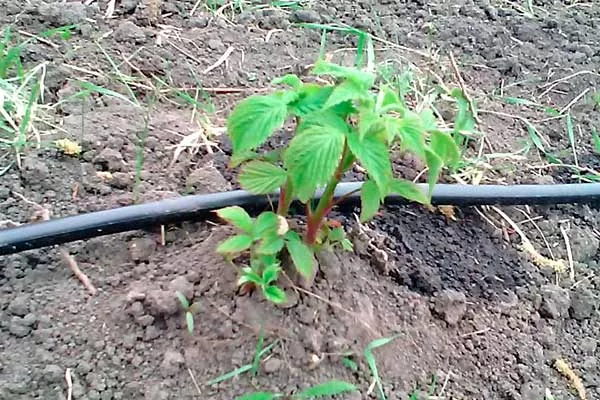
Features of “water procedures”:
- soft and warm water is used;
- choose a time in the morning or evening when there is no direct sunlight;
- the soil around the raspberries should be saturated to a depth of at least 35-40 cm;
- Water once a week, but during hot periods the frequency of watering increases.
After watering, allow the soil to dry out to ensure the raspberry root system receives sufficient oxygen. Also, prevent weed growth.
Top dressing
Before planting, the plant receives sufficient nutrients for two years to come. Subsequently, to maintain its health and growth, periodic supplemental feeding is recommended:
- At the beginning of spring planting, the bushes are watered with an organic liquid composition, which is enriched with nitrogen compounds, which have a beneficial effect on the formation of new shoots.
- In summer, preference is given to superphosphate and potassium sulfate.
- To provide raspberries with essential minerals, use 35-45 g of fertilizer containing phosphorus and potassium per square meter of soil. These substances can be evenly distributed throughout the soil during loosening. Alternatively, they can be dissolved in water before irrigation.
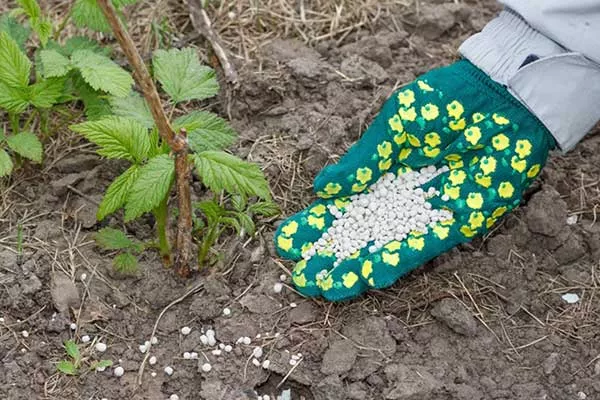
During the summer, natural fertilizers such as bone meal can be used to fertilize the soil. After harvesting, wood ash is applied between the raspberry rows, which has a positive effect on soil fertility.
Trimming
Proper pruning of Penguin bushes increases their yield and reduces the risk of disease. Here are some tips:
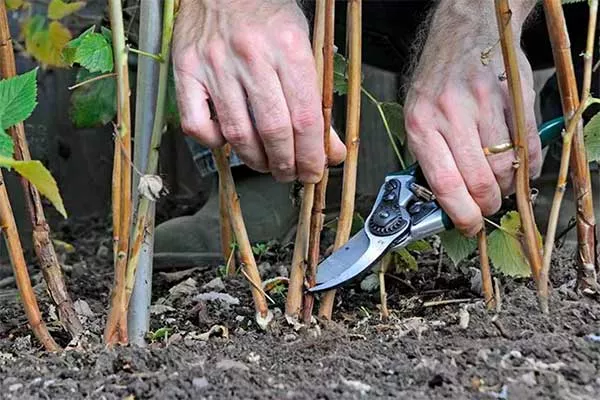
- To achieve these results in everbearing raspberries, prune them in the fall. In the spring, new shoots will emerge on the bushes, which will later produce berries.
- To ensure a harvest both in summer and autumn, preserve the shoots that formed last year.
- In spring, dried and frost-damaged branches are removed.
Diseases and pests
The Penguin variety has a moderate immune system against common diseases. Using high-quality planting material and strictly following agricultural recommendations reduces the risk of infection. For preventative measures, treating plants with the active ingredients Oxychom or Topaz is recommended in the spring and fall.
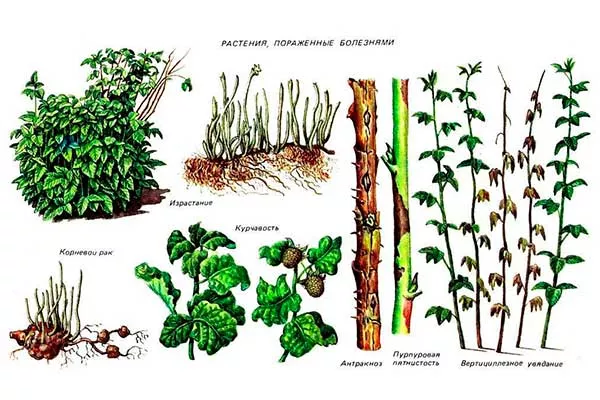
Raspberries are prey to various pests, including caterpillars, weevils, beetles, mites, aphids, and others. These insects not only damage plants but also contribute to the spread of diseases. Therefore, before flowering, treat the plants with Lepidocide or Actofit.
Preparing for winter
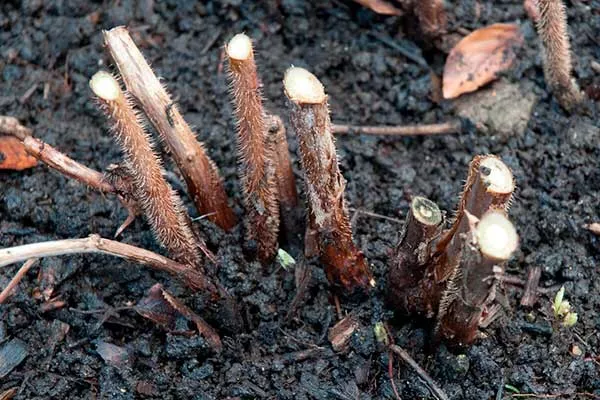
Before the onset of frost, carefully remove all above-ground parts of the raspberry bushes. Fallen leaves and berries are collected and destroyed by burning. Then, the soil is thoroughly dug over and enriched with humus. In harsh climates, bushes are covered with non-woven fabric, spruce branches, or snow.
Reproduction
To propagate remontant raspberries from an old bush, use the following methods:
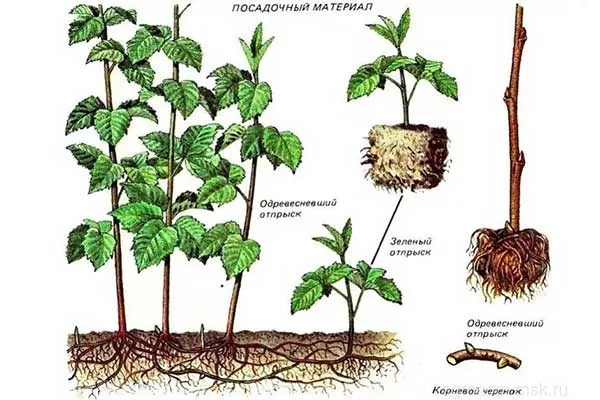
- Planting rhizome shoots. If propagating independently, dig up the basal shoots. These plants are transferred to a greenhouse, planted, and kept thoroughly moist until transplanting. Once the shoots have established themselves in the substrate, they are ready for transplanting to their permanent location.
- Formation of cuttings. Propagate in the fall using root cuttings. To do this, divide the shoots into 8-10 cm long segments. Place the cuttings in dug furrows to a depth of 6-8 cm, cover with soil, and water. The following season, they will grow into young plants that require regular watering and fertilizing.
- Dividing the bush into parts. When replanting, carefully remove the raspberry bushes by the roots, which are then divided into sections. Afterwards, treat the cut sections with charcoal. Replant every 10 years.
Gardeners' reviews
The Penguin raspberry is characterized by resistance to certain diseases, excellent yields, and large, vibrantly colored berries. Although the fruit's flavor may be inferior to that of other varieties, this is compensated by its attractive appearance and transportability, which are key factors in commercial cultivation.