
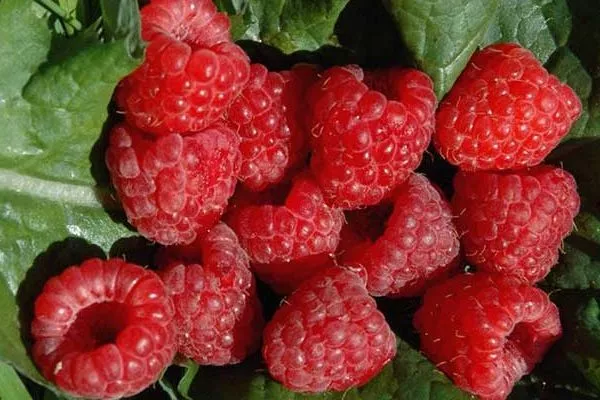
The Peresvet raspberry is one of the most popular varieties. It has earned the recognition of gardeners thanks to its unique qualities and reliable yields. It produces magnificent berries and is easily adapted to various climates. Proper care and proper agricultural practices are essential.
Who developed the variety and when?
Peresvet is part of the renowned "Golden Collection of Caucasian Raspberries," created by renowned breeder I. V. Kazakov. Developed by crossing the Solzh and Stolichnaya varieties, it was registered in the State Register in 2000.
Introduction to the variety
Raspberries ripen quite late. They are highly prized for their tasty and juicy fruits. This variety is easy to care for and resistant to even the most severe frosts.
Description of berries, bush, taste and purpose
Medium-sized, compact bushes consist of light green young shoots and red-brown woody stems, without a waxy coating and with stiff, aggressive, medium-sized thorns.
The upper portion of the branches is covered with large, dark green, slightly wrinkled leaves, with a lighter, slightly pubescent underside. Each branch produces up to 10-12 laterals. The plant blooms with fragrant, light-colored, medium-sized flowers.
Ripening time
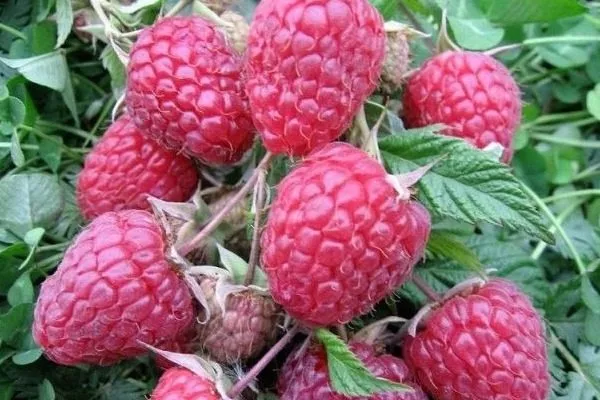
The Peresvet raspberry is a large-fruited variety and begins to ripen quite late, around the end of July or beginning of August.
Growing regions
Currently, the crop is most commonly grown in the Volga region and the Central Non-Black Earth Region, where it was originally developed and remains highly prized. Due to its undemanding climate, the variety has spread widely throughout the country.
Productivity
Much depends on the growing region. In southern Russia, the harvest ripens in mid-June, while in cooler regions, it occurs in early August. On average, a single bush can yield up to 5 kg, and a whole garden can yield around 25 kg. The berries stay fresh on the branches for a long time.
Location and soil requirements
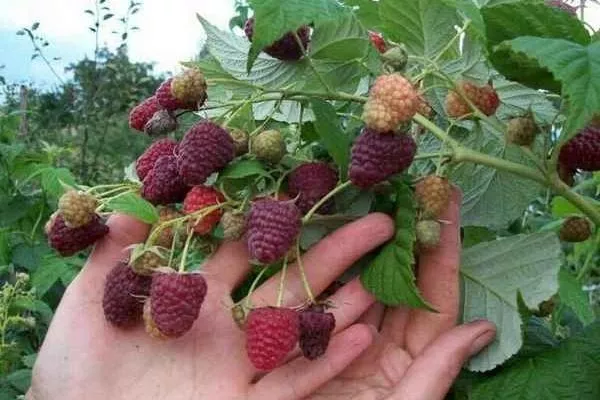
Peresvet, like any raspberry, prefers warm, well-lit areas protected from northern winds and constant drafts. Helpful tips:
- This variety thrives in neutral or slightly acidic fertile soils rich in humus, organic matter, micro- and macroelements, with good drainage, moisture capacity and air permeability.
- The optimal time to transplant seedlings to their permanent location is autumn in warmer regions and spring in colder ones. It's important to give young plants time to develop strong roots and adapt to the new climate, especially if they were brought from other regions, before winter sets in.
- The recommended distance between rows is 1.5-2 m, and between plants – 40 to 50 cm.
Prepare planting holes measuring 30x30x60 cm with a drainage layer, organic matter and complex mineral fertilizers.
Pros and cons of the variety
Before planting, it's important to study the pros and cons of raspberries. Peresvet has many advantages:
There's only one drawback: the fruiting period is prolonged. While this may be undesirable for farmers, gardeners, on the contrary, are pleased, as they can enjoy the fruits for as long as possible.
Growing in the garden – features
To ensure a good harvest, purchase high-quality planting material. It's best to buy from specialized nurseries. The plant should have 1-2 shoots, at least 3 fruiting buds at the base, and a well-developed root system consisting of 2-3 main roots at least 20 cm long.
Planting seedlings in the ground
Plant in the fall or spring. Fall planting allows you to save on fertilizer, as the small root system requires fewer nutrients. Spring planting will also help your seedlings cope better with harsh winter conditions.
Step-by-step instructions:
- Dig holes or trenches to a depth of 50 cm. The distance between them should be 1.5 m for ease of harvesting.
- Add fertilizer, preferably compost, to the holes. If compost is unavailable, use other organic compounds.
- Place the bushes in the holes, lightly sprinkle with soil and compact it.
- Water using 10 liters of water per bush or 40 liters per 1 sq. m.
How to care for Peresvet bushes
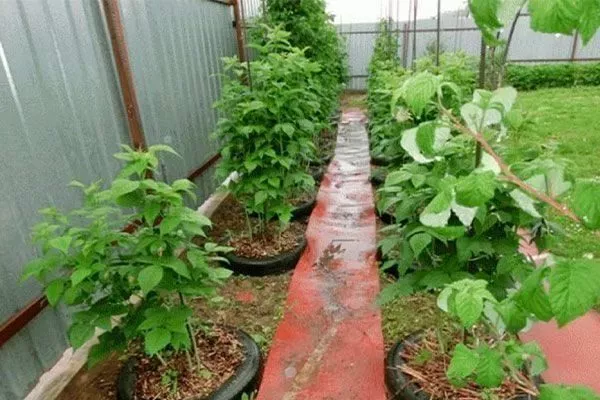
Using trellises significantly increases crop yields. This type of cultivation provides the necessary amount of light and facilitates the process of regulating the number of shoots.
Watering and fertilizing the soil
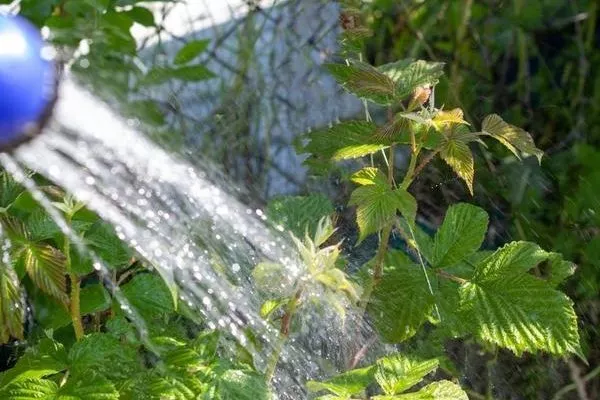
Despite good drought tolerance, regular irrigation, taking temperature conditions into account, is essential for achieving high yields. Maintaining adequate moisture levels is especially important during fruit formation and development.
After harvesting and before pruning, water thoroughly, combining this with autumn fertilizing. For example, apply at least 20 liters of water per square meter of raspberry patch.
Although Peresvet tolerates nutrient deficiencies quite well, to ensure normal development and productive fruiting, fertilize it regularly. Apply the first fertilizer only three years after planting, using the following schedule:
- In early spring (at the beginning of the growing season) use nitrogen (urea, carbamide).
- Add potassium before flowering.
- Apply phosphorus at the end of the season.
Pruning and tying to a trellis
Standard fall pruning involves removing weakened and damaged shoots and branches that have borne fruit. This leaves approximately eight healthy stems on each bush. Properly performed pruning is an important preventative measure against many diseases.
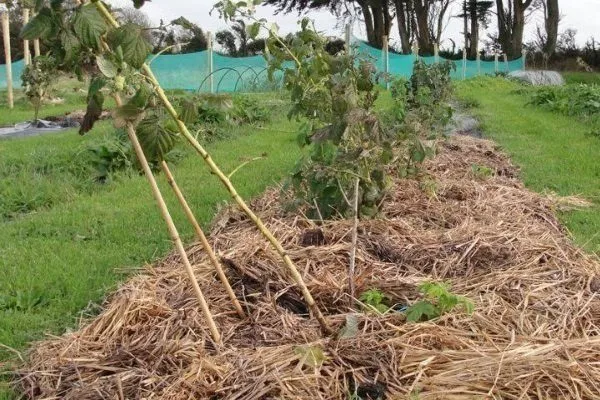
The weight of ripe berries can cause the branches to droop toward the ground. To prevent this, tie them to a support. To do this, drive stakes (at least 2.2 m) into both ends and tie three rows of wire. As the lateral shoots grow, secure them horizontally and support the main stems vertically.
Mulching, preparing for winter
It tolerates winter cold well without cover, but to prevent potential losses, provide additional protection. At the end of October, clear the area around the bushes of old mulch and fallen leaves. Afterward, water the bushes thoroughly and apply a new 20 cm thick layer of mulch made from a mixture of peat and sawdust.
Bend the shoots down, secure them, and cover them with agrofibre. After snow falls, add an additional layer of snow to the covering material. In winters with little snow, install frames over the raspberry patches to hold bags of sawdust or dry leaves.
Possible diseases or pests
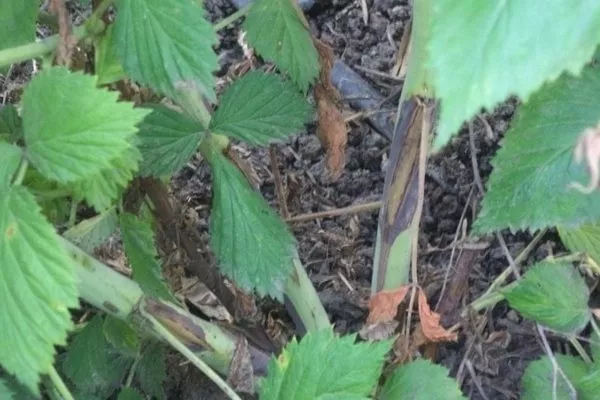
The Peresvet raspberry has demonstrated high resistance to most fungal and bacterial diseases, including purple spot and anthracnose. For prevention, apply fungicides in the fall. In the spring, spray the bushes with a potassium permanganate solution. These measures will protect against pests.
Reproduction
There are several ways to increase the number of seedlings in your garden. There are three propagation options:
- By layering. Carry out this procedure in early spring. Bend the tops of the shoots down to the soil, secure them with metal staples, and cover them with nutrient-rich soil. Water and fertilize the cuttings throughout the season. The following spring, separate the successfully rooted cuttings from the mother plant.
- Cuttings. Begin collecting the material in early June. Take cuttings about 10 cm long, then soak them in water with a small amount of hydrogen peroxide to stimulate the root system. Once roots appear, plant the cuttings in peat pots. In the fall or spring, transplant them into the ground.
- Root shoots. Separate the one-year-old shoots that formed near the mother plant in the spring and plant them in a pre-prepared location.
Each of these methods has its own characteristics and is suitable for different conditions, and depends on personal preferences.
Reviews
The Peresvet raspberry is very popular due to its excellent varietal characteristics, including frost hardiness, disease resistance, and high yield. With proper care, the crop is problem-free and rewards with large, juicy berries in abundance.