
The Novost Kuzmina raspberry is the fruit of a scientist's years of research and development. This variety's distinctive features include not only its high yield and excellent berry flavor, but also its adaptability to a variety of climates. Proper and timely care is essential for this variety to reap the rewards of high-quality fruit.
Who developed the variety and when?
The exact date of this variety's creation is unknown. According to some sources, the hybrid was developed in the late 19th century in the Kostroma province by the renowned breeder N.V. Kuzmin, which is why his last name appears in the variety's name.
Other sources indicate that it was developed in 1912 in Vetluga, Nizhny Novgorod Province. It has been established that the cultivar is the result of hybridization between the American variety Cuthbert and the domestic raspberry Smelyanskaya.
Introduction to the variety
Kuzmin's new variety has been in high demand for many years. The hybrid has earned recognition among gardeners for its excellent characteristics and delicious taste. This variety is comparable even to modern foreign raspberry varieties.
Appearance of the bush
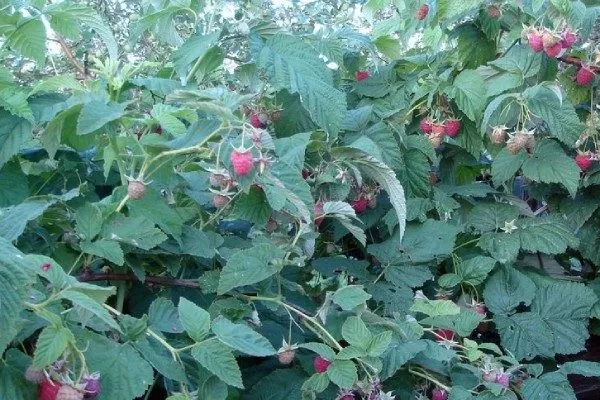
The bushes grow large and branched, reaching a height of 2-2.5 m in favorable conditions. Characteristic features:
- The plant consists of erect shoots with medium-length thorns, covered with medium or large dark green, slightly wrinkled leaves.
- The leaves are slightly curled, with serrated edges and small soft spines on the underside.
- The thorns of two-year-old stems are light brown, while those of one-year-old stems are dark purple.
Berries and their taste qualities
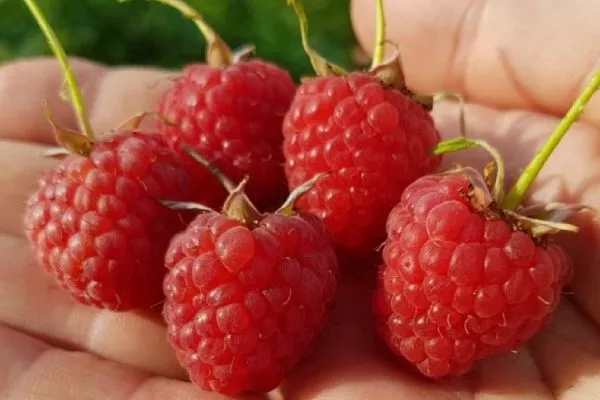
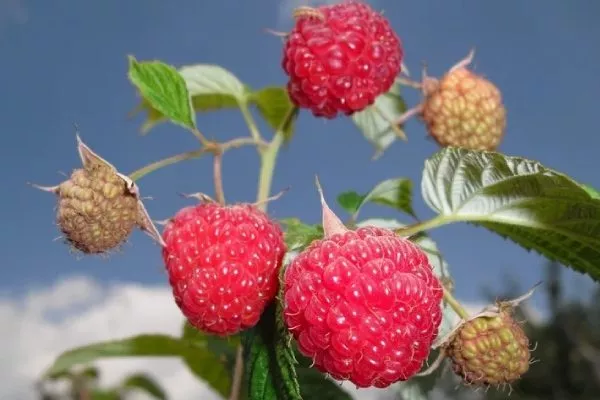
The elongated, conical fruits, rounded at the tip, are raspberry-colored. They are medium-sized, with each berry weighing 2-2.5 g. The flesh is tender and juicy, with a rich flavor and aroma.
In terms of fruit acid, sugar, and nutritional content, it's comparable to wild raspberries. The delicate texture of the berries prevents them from being stored for more than 24 hours, so they're only suitable for fresh consumption or for preserves such as compotes, liqueurs, jams, and preserves.
Ripening period and yield
This is a mid-early variety. The harvest begins in late June and continues for about two months. A single bush yields approximately 1.5 kg. After a hot and rainy summer, the tips of young branches may also bear fruit.
Sustainability indicators
The crop has low resistance to diseases and pests. The plant is often attacked by spider mites and gall midges. It is resistant to infections such as didymella (purple leaf spot) and anthracnose.
Growing regions
This variety is grown in southern Russia, the central part of the country, the Urals, and Siberia. It is suitable for cultivation in the northern regions of our country.
Location and soil requirements
Avoid planting raspberries in damp areas or low-lying areas. If the soil is constantly damp, the variety will die from severe cold or fungal diseases. Choose a sunny location, as shaded areas will delay the ripening of the fruit.
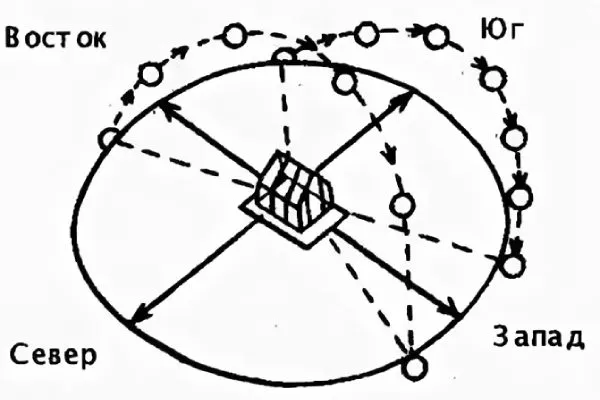
Kuzmin's news: Grow in a spot previously occupied by vegetables (zucchini, cucumbers, pumpkins) or gooseberry bushes. Orient the beds in a north-south direction to allow the plants to receive more sunlight.
Care and cultivation
Plant raspberries in the fall or spring. Choose a suitable location with good lighting. Fertilize the soil with compost and minerals.
Follow the recommendations:
- Avoid planting raspberries in damp areas or low-lying areas. If the soil is constantly damp, the variety will be susceptible to frost or fungal diseases.
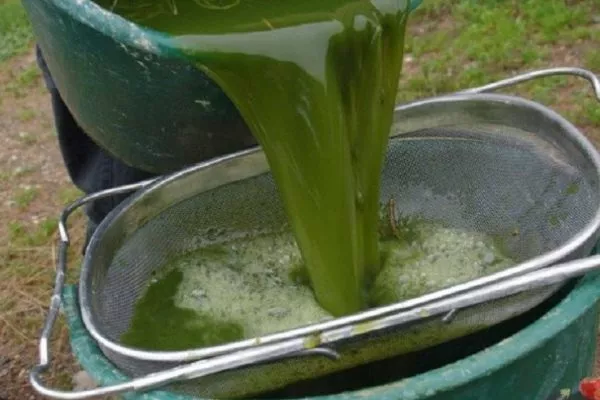
- Raspberries grow best in loamy or sandy loam soils with good drainage. Before spring planting, grow legumes in the area, which enrich the soil with beneficial minerals. In July, harvest the green manure and incorporate it into the soil as fertilizer.
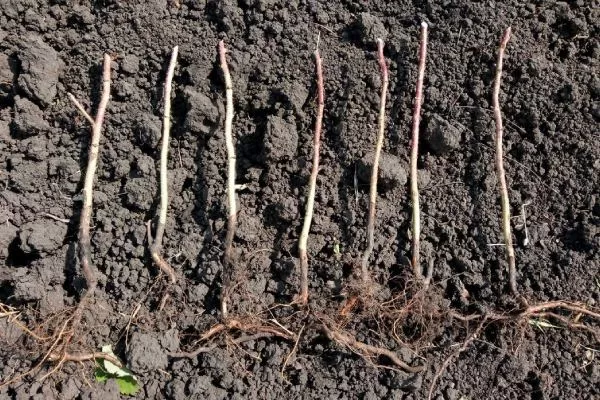
- Use seedlings about 20 cm tall. Cut long raspberry branches to the specified sizes.
- Plants should have medium-thick shoots. It's better to choose plants with thinner branches and a strong root system.
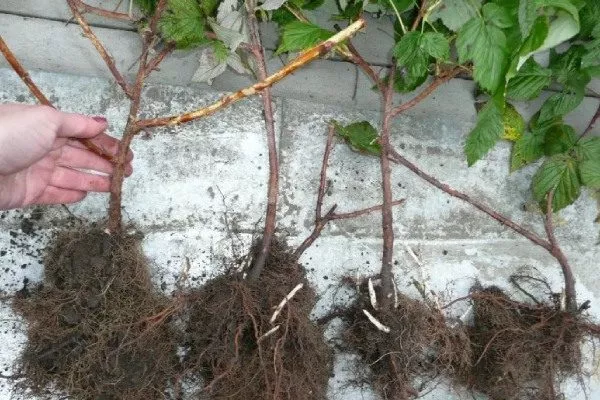
The raspberry planting procedure includes several stages:
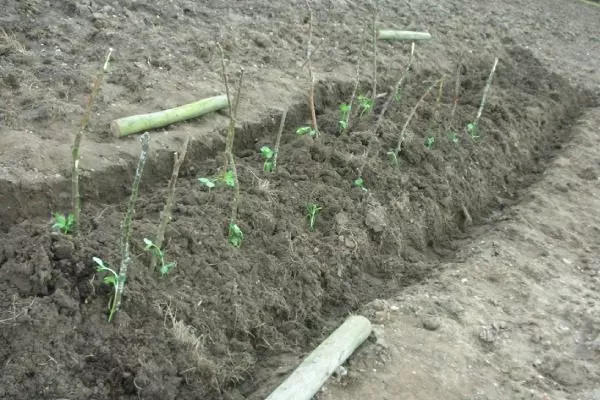
- 20 days before planting, prepare furrows 50 cm wide and 40 cm deep in the beds.

- Place a 10 cm layer of compost into the hole, add superphosphate and vermicompost on top.
- Immediately before planting, immerse the roots of the seedlings in a solution consisting of water, clay, mullein and humates.
- If necessary, trim the shoots, leaving no more than 25 cm.
- Place the plants in the trenches at intervals of 30 cm and cover with fertile soil.
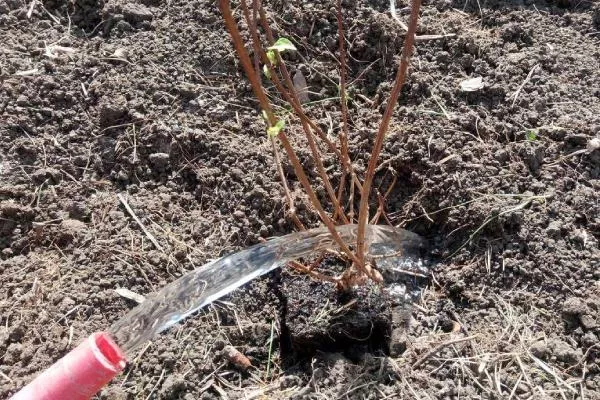
- Compact the soil and water the raspberries generously.
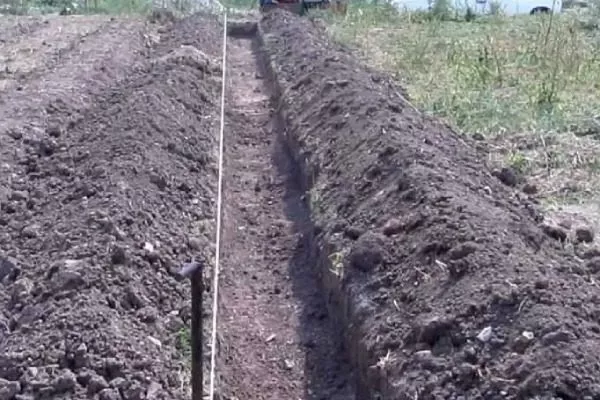
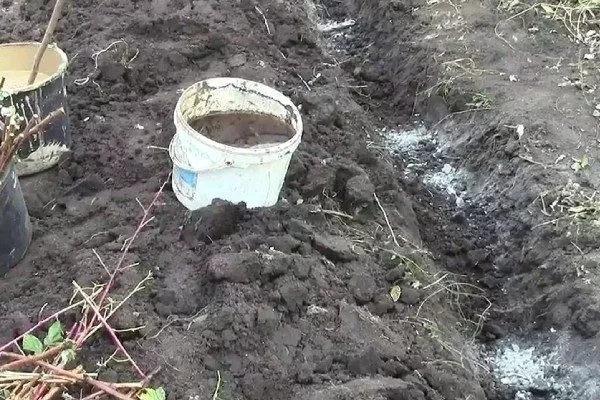
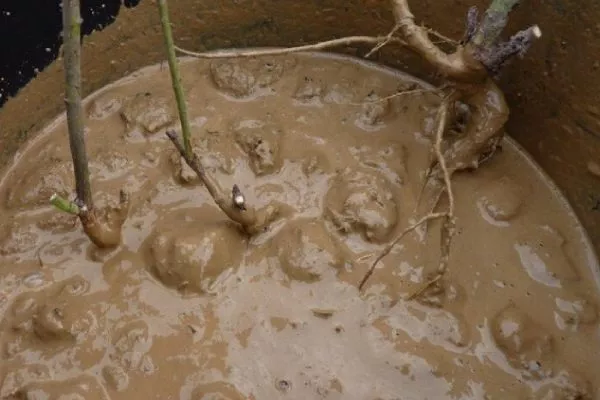
The culture is very responsive to care. The list of standard procedures includes:
- Watering. The plant suffers greatly from drought, so provide it with regular watering, especially during the fruiting period. Water weekly (if there's no rain), using 10 liters of water per square meter. Apply the water into grooves dug along the rows.
Raspberries thrive on organic mulch, which helps keep the soil moist and cool, creating favorable conditions for earthworms. Place straw, hay, or wood chips in a 15-20 cm layer under the bushes. - Trimming. To increase yield, prune the tips of fruiting shoots in mid- to late May, before fruit clusters form. Prune the top of the trunk by 5-7 cm, which stimulates the growth of dormant fruit buds and the formation of more fruit clusters.
Perform the second pruning in the fall, removing old, damaged, and weak shoots. Leave no more than 8 future fruiting shoots and 3-4 replacement branches on the plant. - Top dressing. To ensure a bountiful harvest, fertilize your raspberry bushes regularly. They thrive on organic matter, especially rotted cattle and horse manure. Apply the fertilizer to a 10-15 cm layer of mulch over the entire soil surface of your raspberry patch.
Perform this procedure in the fall, before removing the shoots from the trellis. In the spring, the manure will penetrate the soil along with the meltwater and provide the plant with the necessary nutrition.
During the season, carry out 3 additional feedings:
- In April, water with a urea solution (30 g per 10 l), using 10 l of solution per bush.
- During flowering or ovary formation, apply fertilizer with microelements (Humate 7+, Plantafol, Florovit, Hera).
- In September, feed with ash (300 g per 1 sq. m) or a mixture of superphosphate (40 g) and potassium sulfate (20 g).
Frost resistance and preparation for winter
The Novost Kuzmina raspberry is highly winter-hardy. It tolerates winter well, even at temperatures down to -30°C, without the need for covering. In regions with harsh winters and little snow, bending the branches of the bushes to the ground will make it easier to withstand low temperatures.
Diseases and pests
Diseases caused by fungi (spots, rust, rots, powdery mildew) are more common in damp and cool summers. Crowded plantings, large weed populations, and over-fertilization with nitrogen fertilizers also contribute to the spread of infection.
Signs of raspberry damage by a fungal infection include the appearance of:
- brown or yellow spots on leaves and shoots;
- gray-white coating on green mass and fruits;
- plant wilting.
To combat fungal infections, use fungicides. Use strong products such as Skor, Horus, Topaz, and Bordeaux mixture before flowering and after harvest. For prevention and during the fruiting period, spray with biofungicides such as Fitosporin, Trichodermin, and Planriz.
The crop is threatened by a variety of pests, including the raspberry beetle and bug, weevils, spider mites, aphids, glassworms, and stem flies. For prevention and treatment, use insecticides such as Iskra, Aktar, and Karbofos. Biological agents such as Baktofit, Bitoksibacillin, and Biokill are also effective.
Reproduction
Raspberry propagation is an important aspect of shrub cultivation, allowing for replanting, expanding the area under raspberry cultivation, and maintaining varietal characteristics. There are several propagation methods, each with its own characteristics and advantages:
- Cuttings. This method involves producing new plants by rooting cut shoot tips. Take cuttings in early summer, when the shoots are still young and healthy. Root them in special containers with nutritious soil or directly into the ground.
- Dividing the bush. This method involves dividing mature raspberry bushes into several parts. Divide the bush so that each half has roots and buds. Replant each part in a new location for further growth and development.
- Seeds. This involves growing new plants from raspberry seeds. Collect the seeds from ripe berries and sow them in soil or containers. Once sprouts appear, plant the seedlings in their permanent location.
The choice of raspberry propagation method depends on your preferences, available resources, and growing goals. Regardless of the chosen method, raspberry propagation is a key step in ensuring a consistent harvest and preserving the plant's varietal qualities.
Advantages and disadvantages
The crop adapts well to adverse weather and climate conditions. On chernozem soils, it can reach tall heights and spread widely, while on poor loamy soils, it takes on a more upright habit, yet still maintains a decent yield.
A distinctive feature of this variety is its increased self-fertility, which has a beneficial effect on harvest yield. It also has other advantages:
Gardeners consider the following to be disadvantages of Kuzmin News:
Review of reviews
The Novost Kuzmina raspberry pleases with abundant harvests and excellent flavor, and has become a reliable companion in many gardens. Its high resistance to various weather conditions and ease of cultivation make this variety a favorite among many raspberry lovers. The key is to ensure timely care.