
The Loganberry blackberry is an ideal choice for both beginner and experienced gardeners. Thanks to its robust growth habit and long fruiting period, this variety will grace any garden and delight with a bountiful harvest. Growing it requires little effort, but with proper care, the fruits will grow large and juicy.
Who developed the variety and when?
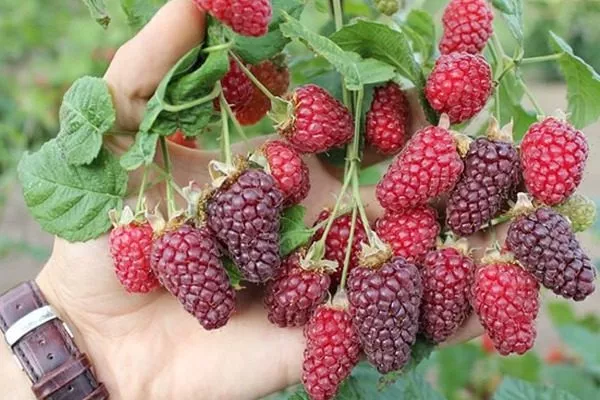
The blackberry originated in the United States. Judge Logan discovered Auginbaugh blackberries and Red Antwerp raspberries growing nearby. The breeder sowed seeds from one of these varieties and grew seedlings. Selecting the largest fruits, he developed a new hybrid, which he named Loganberry.
Description of the Loganberry blackberry variety
This variety inherited unique characteristics from its parents: the decorative qualities, low maintenance, and high yield of blackberries, and the rich nutritional profile and excellent flavor of raspberries. Designers actively use the plant in landscape gardening.
External description
Loganberry is a medium-height, creeping shrub, reaching up to 1.5 meters. Its shoots are arching, and its gray-green leaves are pinnate. The plant is thornless and considered a medium-sized shrub.
Other characteristics of the variety:
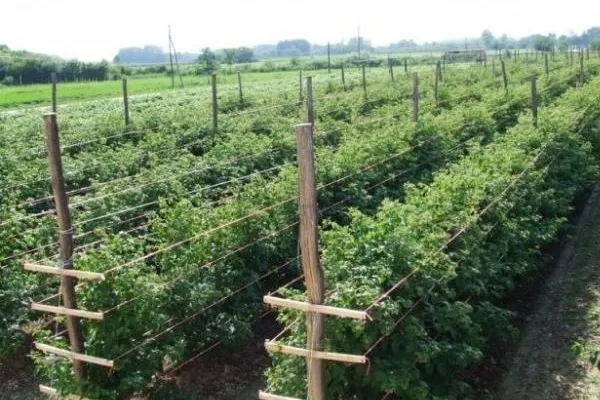
- The stems may require trellis support so that after harvesting the bushes can be laid on the ground, making it easier to cover for the winter.
- The variety is self-fertile.
- The root system penetrates deep into the soil, but this does not make the crop resistant to drought.
During dry periods, the crop requires watering, although in normal times natural rain irrigation is sufficient.
Taste qualities of berries
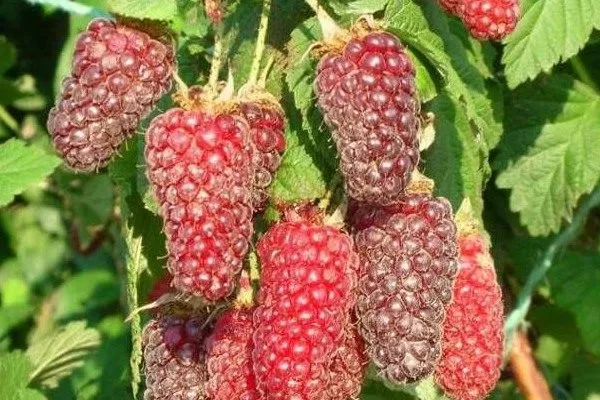
The fruits are gathered in clusters of 5-7. When ripe, they are a deep crimson color and cone-shaped. They reach up to 4 cm in size and weigh around 8 g, making them large. The flavor is sweet and juicy, with a distinct raspberry aroma.
Use of the variety and its purpose
The fruits are eaten fresh, frozen, or processed. The berries make delicious preserves, compotes, wines, liqueurs, and jams.
The benefits and harms of blackberries
Blackberries offer significant health benefits, similar to raspberries and blackberries. Their high vitamin C content helps strengthen the immune system and improve resistance to colds.
Berries have numerous beneficial properties:
- For the heart muscle, thanks to its high potassium content, which improves brain function, strengthens blood vessels, normalizes blood pressure, removes excess fluid, and improves the functioning of the nervous system.
- Its primary benefits stem from its high anthocyanin content, reflected in its dark hue. These natural antioxidants help slow the aging process and protect cells from toxins.
- The fruits contain a significant amount of manganese, which plays an important role in the synthesis of insulin and thyroxine, which helps normalize blood sugar levels and improves metabolic processes.
- Organic acids have a diuretic and choleretic effect, prevent the development of putrefactive processes in the gastrointestinal tract, improve appetite and promote better absorption of food, and help with digestion problems and constipation.
Despite the benefits of raspberries, there are contraindications to their consumption, such as individual intolerance, kidney disease, and exacerbation of ulcers and gastritis. Start introducing them into your diet with small portions to monitor your body's reaction.
Flowering period, ripening period and yield
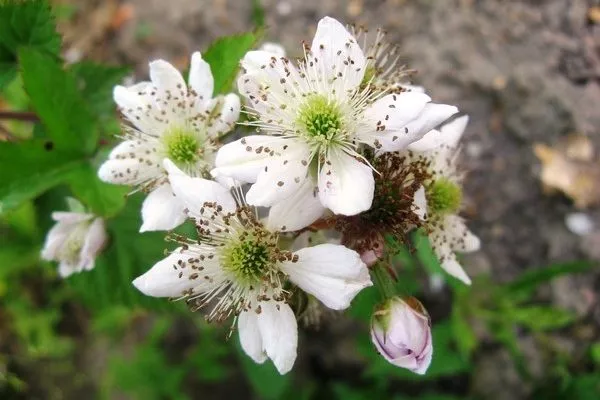
Inflorescence formation begins in mid-June and continues until late July or early August. The pale pink flowers are clustered in clusters of 15-20. They look striking against the dark green leaves.
The fruits ripen in mid-August and appear before frost. Thanks to the long fruiting period, you can stock up for the winter by freezing the fruit or using it for preserves. The yield is high – up to 12 kg per bush.
Frost resistance and protection
The hybrid is successfully grown in the central and southern regions of the country, as it can withstand temperatures down to -15°C. In areas with colder winters, take measures to protect the shrubs.
Resistance to diseases and pests
The crop is susceptible to several diseases and pests, requiring systematic protection and proper care. Common problems and their management methods include:
- Powdery mildew. If signs of this disease are detected, thin out the plantings and treat them with a solution of washing soda. Dissolve 100 g of soda in 10 liters of water. This helps prevent the development of the fungal infection.
- Verticillium wilt. Caused by a fungus of the genus Verticillium. To combat the disease, treat plants with copper sulfate (20 g per 10 liters of water). The solution helps stop the infection and strengthens the immune system.
- Fungal diseases during overwatering. They appear as dark spots on the trunk. To prevent and treat them, use Bordeaux mixture. Prepare a solution of 100 g of Bordeaux mixture per 5 liters of water and apply it to the shrubs twice, two weeks apart.
- Pests (raspberry beetle, weevil). To combat them, use ammonia (20 ml per 1 liter of water) or whey (2 liters per 5 liters of warm water). Perform the treatment 1-2 times per month.
To prevent diseases and pest infestations, maintain the condition of your bushes: avoid overcrowding, remove weeds promptly, and loosen the soil. Preventative pruning helps maintain the health of your plant.
Advantages and disadvantages of the variety
Before planting a hybrid in your garden, consider its pros and cons. Loganberry has many advantages:
Among the disadvantages, gardeners note:
How to plant correctly?
Purchase seedlings from a nursery. Plant in the fall, preferably in mid-October. If planting is necessary in the spring, do so before the buds begin to swell. Choose a well-lit area with loose, well-drained soil.
Prepare a planting hole 40 cm deep. Place sand and crushed stone at the bottom for drainage, then add humus and fertilizer. In the fall, add double-strength superphosphate and wood ash to the hole and cover it with fallen leaves.
Rules for caring for blackberries
To successfully grow the crop, it's important to consider several key aspects. Ensure proper and timely care:
- Watering. The plant requires regular watering, especially during flowering and berry ripening. Use a drip irrigation system to maintain constant soil moisture and prevent it from drying out. Moisten the soil to a depth of 30-40 cm, where the plant's main roots are located.
Water your plants early in the morning or late in the evening to reduce evaporation and prevent sunburn on the leaves. During dry periods, water 2-3 times a week. During normal periods, watering once a week is sufficient. - Loosening and mulching. After watering, loosen the soil around the bushes to a depth of 5-10 cm to improve root aeration and prevent crust formation. Apply a 5-7 cm layer of mulch (such as peat, sawdust, or straw) to retain moisture and reduce weed growth.
- Top dressing. In early spring, apply nitrogen fertilizers (ammonium nitrate or urea) at a rate of 20-30 g per 1 sq. m to stimulate the growth of new shoots.
In summer, during flowering and fruit formation, fertilize the bushes with potassium and phosphorus fertilizers. Use superphosphate and potassium sulfate, as well as organic fertilizers such as mullein or bird droppings.
In the fall, after harvesting, apply complex mineral fertilizers or humus (3-5 kg per 1 sq. m) to strengthen the plants before winter.Comparative characteristics of fertilizersFertilizer type Deadline for submission Quantity per 1 sq. m Nitrogen Early spring 20-30 g Potassium and phosphorus Summer According to the instructions Complex minerals Autumn 3-5 kg - Trimming. In spring, remove weak, damaged, and old shoots, leaving only strong and healthy stems. In summer, prune new shoots to direct the plant's energy toward berry ripening. In autumn, trim back spent fruiting branches to ground level to encourage new growth for the following season.
Does the variety need to be pruned?
Pruning is an important procedure for hybrid growth. It affects its yield and health:
- Sanitary pruning. Perform this procedure after harvesting, in late autumn. Remove excess shoots, dried branches, and diseased leaves, which helps prevent disease and improves the overall health of the plant.
- Formative pruning. In spring, shape the bush properly. This promotes even light distribution on the shoots, prevents light blockage, and reduces the risk of disease. Prune the bush before active growth begins to avoid damaging new buds.
- Rejuvenating pruning. Perform this procedure every few years. It involves removing old shoots to the ground, which stimulates the growth of new, healthy branches.
Pruning helps control the growth of the bush and improves its fruiting, so regular pruning is important for successful cultivation.
Harvesting and storage
They play a key role in preserving the quality of berries. Here are the main aspects:
- Ripening begins in mid-August and continues until frost sets in. The optimal time to pick them is when they are fully ripe and have acquired a deep crimson color. Pick them carefully to avoid damaging them.
- Inspect the bushes regularly and pick ripe berries. The first berries to appear are usually the largest and tastiest.
- The harvest has a long shelf life. The fruits do not crack or fall off, making them resistant to transportation and storage.
- After harvesting, store the berries in a cool, dry place. Ideally, keep them at a temperature between 0 and 4°C, such as in the refrigerator. Arrange the berries in a single layer on trays or in containers lined with paper towels or damp bags.
When stored properly, blackberries can last up to five days. To extend their shelf life, freeze them or use them in jams, compotes, and other preserves.
Breeding Tips
The plant is propagated by cuttings. Increasing the number of seedlings in your garden is very easy. Just follow the instructions:
- In August, select healthy and fruiting shoots.
- Cut the tops of the branches to a length of up to 25 cm. This is the ideal length for cuttings.
- Place the cuttings in a container or bucket of water for two weeks. This will encourage root formation.
- Prepare loose soil and plant the cuttings to a depth of about 20 cm.
- Provide good drainage and moderate moisture to prevent root rot.
- To protect the cuttings from frost, cover them with leaves, straw, or a special non-woven material. This helps retain heat and protect the young plants from temperature fluctuations.
- In the spring, check the root system. Select strong, healthy seedlings for transplanting to a permanent location.
- Select healthy shoots in August.
- Cut the tops of the branches to a length of up to 25 cm.
- Place the cuttings in water for two weeks.
- Prepare loose soil and plant the cuttings.
Gardeners' reviews
Loganberry is a unique hybrid that combines the best qualities of raspberries and blackberries. This variety has not only gained popularity among gardeners due to its resistance to adverse weather conditions and high yields, but also provides delicious and healthy berries. Proper planting and care are essential.