
Crimson Night raspberries are distinguished by their high winter hardiness and disease resistance, making them a reliable choice for growing in colder regions of the country. Compact bushes with unusual stems and vibrant berries combine excellent flavor with versatility. This variety attracts gardeners with its ease of care and easy transportability.
Description of the variety
Crimson Knight is a modern variety created by crossing NY270 Cornell and NY357 Cornell. Its creator was K. Weber of the New York Agricultural Experiment Station (USA).
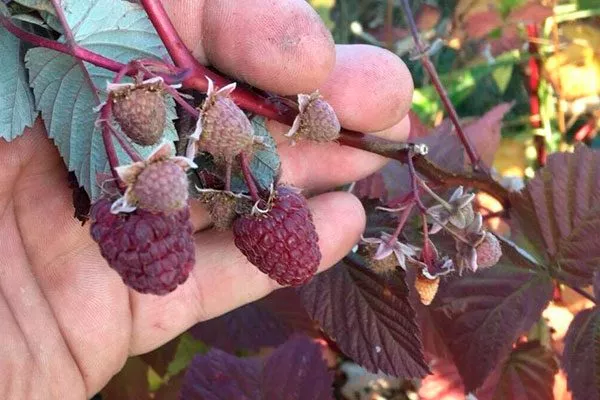
Distinguishing characteristics:
- bushes – upright and compact, height from 130 to 160 cm;
- shoots – colored purple;
- leaves - have a red-purple hue, and the spines are short and “non-aggressive”;
- berries - characterized by a burgundy-violet color and a conical shape;
- weight - varies from 2.8 to 4.2 g;
- pulp – dense and juicy, with an aroma reminiscent of wild raspberries;
- taste - sweet with a slight sourness.
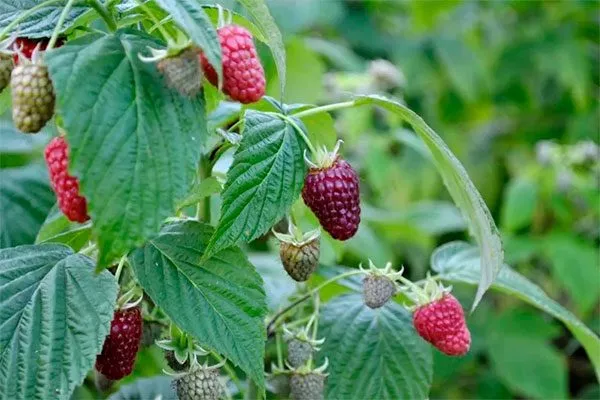
The variety is versatile: the fruits are suitable for fresh consumption as well as for making jams, compotes, and other preserves. Thanks to its good transportability, Crimson Night is an ideal choice for farmers and agricultural producers.
Main characteristics
This variety has a medium ripening period: the first harvest wave begins in mid- to late July, and the second in August-September. Productivity is average – approximately 2.5 kg per bush.
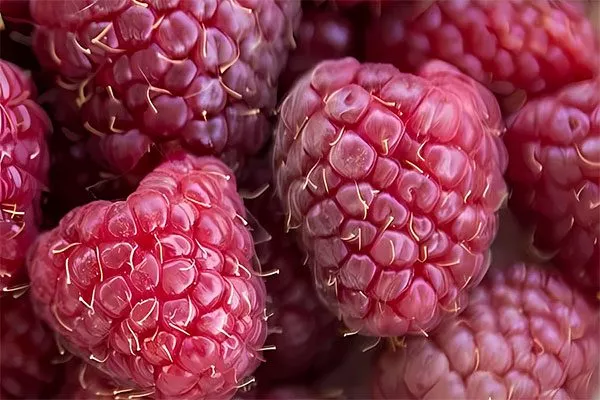
Raspberries are characterized by good winter hardiness – they can withstand temperatures down to -29°C, making them suitable for cultivation in cold regions.
Growing and care
To ensure successful planting and subsequent cultivation, it's important to consider the crop's site and soil requirements and follow proper planting practices. Below are some key recommendations:
- The plant prefers sunny, well-lit areas, at least 6-8 hours per day. Ideally, choose a location protected from strong winds and drafts.
- The best soil type is fertile, loose, well-drained loam or sandy loam with a neutral or slightly acidic pH (pH 5.5-6.5). Avoid low-lying areas and stagnant areas with high groundwater levels.
- The optimal time for planting is spring, when the soil has warmed up sufficiently (usually April to early May). In regions with a mild climate, fall planting is also possible (September to early October), but it's important to plant before the first frost.
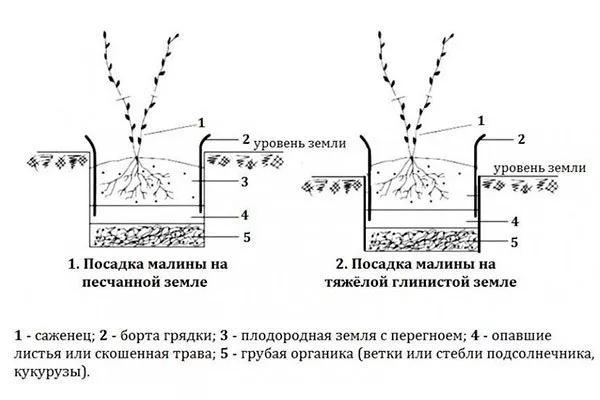
Step-by-step algorithm:
- Two to three weeks before planting, thoroughly dig the area and remove weeds. If necessary, add humus or compost at a rate of 4-5 kg per square meter. You can also add a small amount of complex mineral fertilizer. Space rows 1.5-2 m apart, and plants within a row 40-50 cm apart.
- Dig holes about 40x40 cm in size and 30-40 cm deep.
- Place the seedling in the hole so that the root collar is level with the soil or slightly above. Spread the roots, cover with soil, and compact lightly.
- Water each plant generously (about 3-5 liters of water).
- Mulch the soil around the bush with a 5-7 cm layer of mulch (peat, straw, tree bark) to retain moisture and suppress weeds.
- If necessary, install support immediately to prevent the bushes from breaking and to ensure good air circulation.
Caring for the Crimson Night raspberry is quite simple and involves several basic steps:
- Watering. Raspberries require regular watering, especially during the fruiting period. During the growth and development phase, the bushes require adequate moisture, but it's important to avoid overwatering.

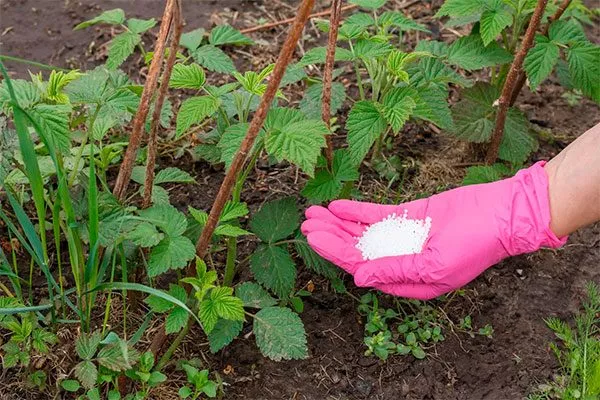
- Top dressing. In spring and early summer, feed the bushes with complex fertilizers, which will help increase yields and improve the taste of the berries.
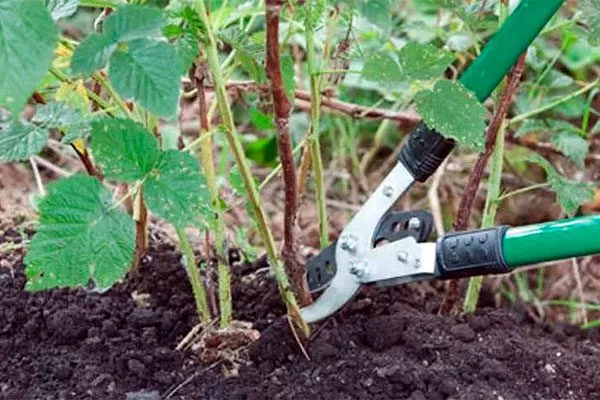
- Trimming. Prune raspberries either in late fall or early spring. This will help remove old shoots and shape the bush properly.

The crop is characterized by strong immunity, but with improper care or unfavorable growing conditions it may suffer from some problems:
| Disease/Pest | Symptoms/Signs | Methods of struggle |
| Gray mold | Gray fluffy coating on berries, brown spots on shoots and leaves.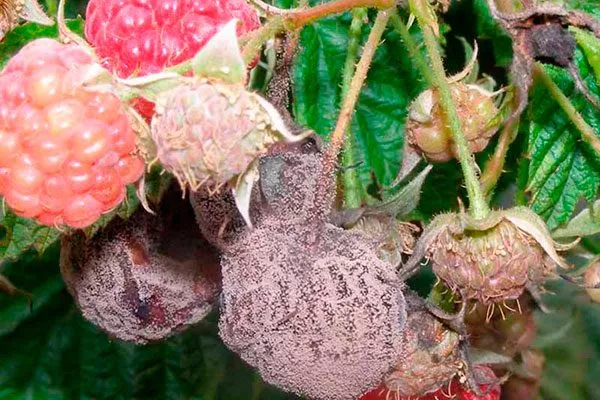 | Removing affected parts, spraying with Bordeaux mixture, Horus, Switch. |
| Purple spot | Purple spots on shoots, cracks, weakening of the bush.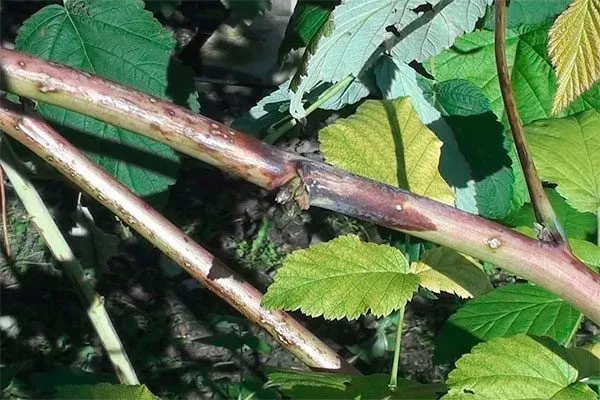 | Spring pruning, treatment with 1% Bordeaux mixture or Skor preparation. |
| Anthracnose | Light grey spots with purple borders on leaves and stems.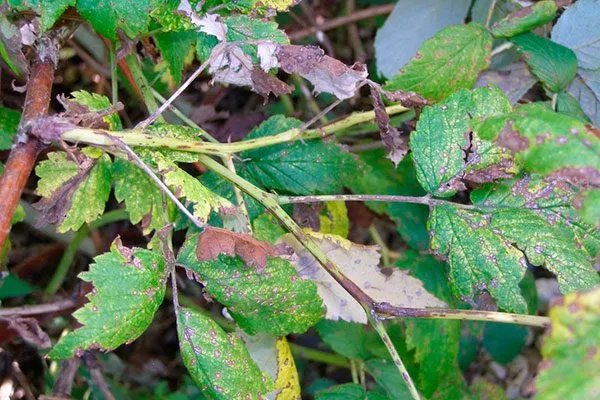 | Removal of diseased shoots, application of fungicides – Fundazol or Oxyhom. |
| Raspberry aphid | Curling of leaves, deformation of shoots, sticky coating.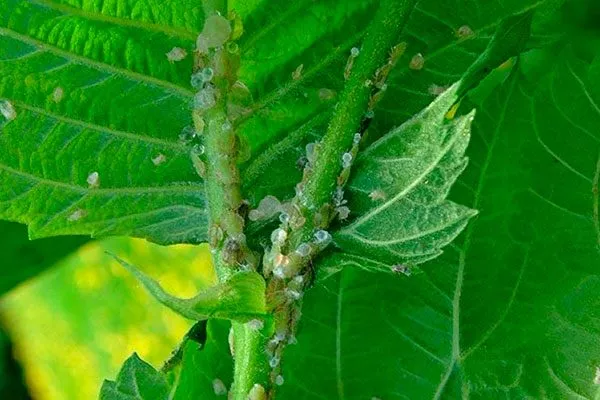 | Use of garlic or tobacco infusion, insecticides: Actellic or Fufanon. |
| Spider mite | Light spots on leaves, cobwebs, yellowing and drying of foliage.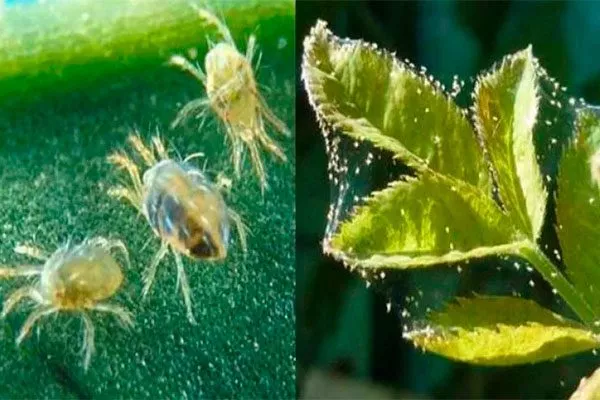 | Spraying with soap solution, acaricides: Fitoverm, Akarin, Neoron. |
| Raspberry stem midge | Swellings on the shoots, larvae inside, shoots break.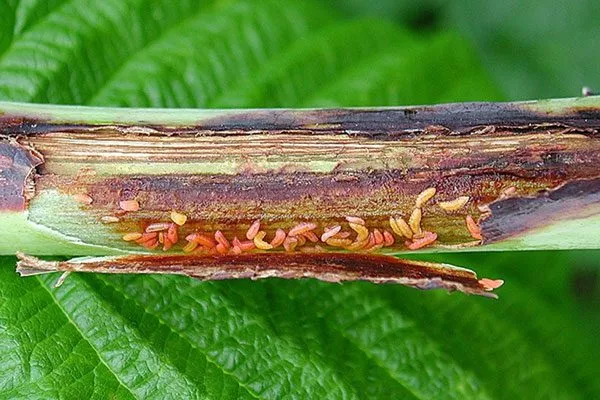 | Timely cutting out of affected shoots, digging up the soil, treatment with Iskra. |
Septoria (white spot)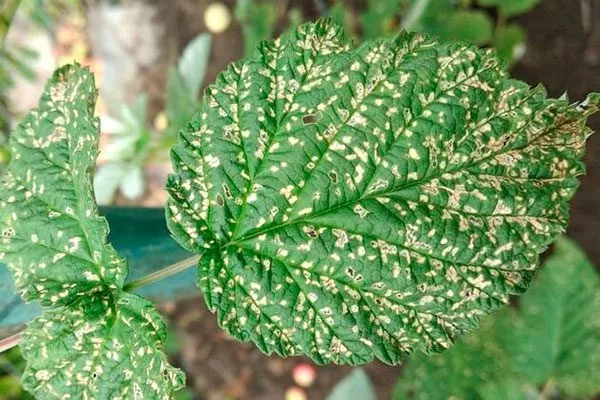 | Light spots with dark borders on leaves, leaf fall. | Collection and burning of fallen leaves, treatment with Hom or 1% Bordeaux mixture. |
Pros and cons
Reviews
Crimson Night raspberry is a robust variety with a pleasantly flavorful berry. Its resistance to low temperatures and pests makes it easy to care for, and the firm, flavorful fruit is suitable for use in a variety of recipes. Despite its moderate yield, this variety remains popular, but requires proper farming practices.