
The Krasa Rossii raspberry is characterized by high yields, extended fruiting, and resistance to typical raspberry insects and diseases. It is also frost-hardy, making it suitable for cultivation in all regions of Russia, including the Urals and Siberia. It is considered an easy-to-grow dessert variety.
Who and when did the selection take place?
In the early 1990s, a unique raspberry variety was developed, thanks to the Moscow breeder Viktor Kichina. It was based on the Maroseyka and Mirage varieties, which, individually, had no remarkable characteristics.
But it was their combination that led to the creation of a hybrid with superior qualities. The process of developing the new variety took ten years outdoors, and it was only in 1996 that the new variety began its triumphant march across the country. Kichina relied on the discovery of Scottish scientists who identified the gene responsible for raspberry size.
Introduction to the variety
Experts highlight the variety's key characteristic as its ability to actively develop fruiting branches after pruning. Up to 5-6 new shoots form on the sides of the main branches, promising a bountiful harvest. These branches, growing parallel to the ground, are called laterals.
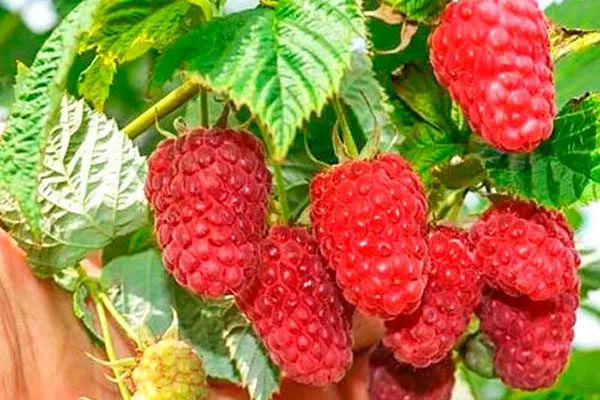
External characteristics of the bush and berries, their taste and purpose
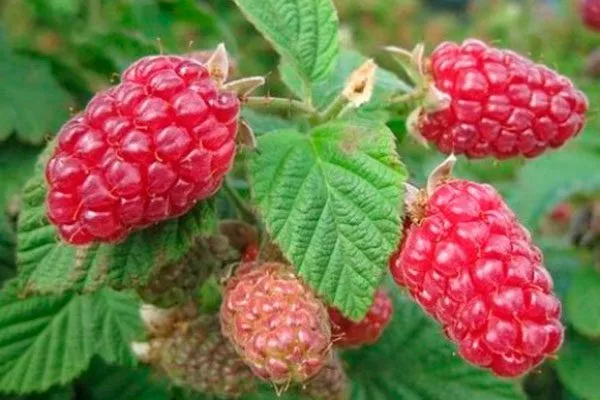
The bush is vigorous and medium-sized, reaching a height of 150-160 cm. It is completely thornless, a significant advantage for gardeners. The hybrid can also be identified by other varietal characteristics and qualities:
- the leaf blades are large and dark green, with a shiny surface;
- the bark of the shoots has a waxy protective coating;
- racemose inflorescences;
- branching is average, but if pinched, it increases;
- Over the summer, about 4-5 basal shoots and about 8-10 fruit-bearing shoots are formed on the bush;
- the branches are dense and strong enough, so they hardly bend under the weight of the berries;
- auxiliary tendrils are present on fruit-bearing branches;
- about 16-20 fruits are formed on one stem;
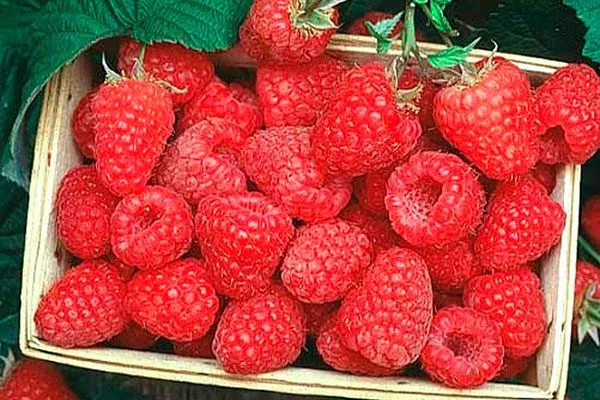
- the berries are elongated and conical in shape and have a rich raspberry-red color;
- the fruits are large in size – their weight varies from 4 to 6-8 g;
- drupes contain a small number of seeds;
- the pulp is dense, but at the same time juicy and tender;
- the aroma is pronounced;
- the taste is sweet, but there is a very slight sourness;
- the walls between the drupes are fleshy.
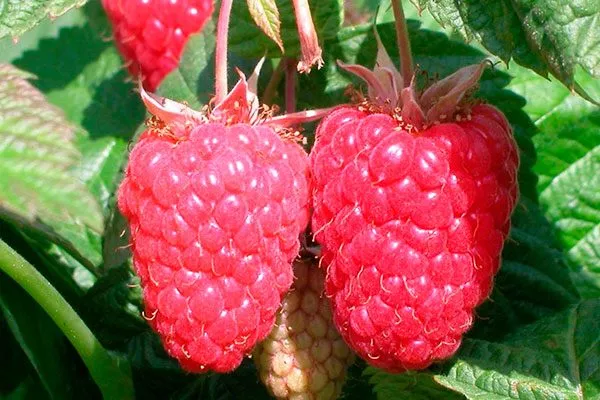
The Krasa Rossii raspberry is versatile—it can be eaten fresh, preserved for the winter, frozen, and dried. This variety produces an exclusive wine and liqueur. The leaves and twigs can be used to brew a medicinal tea.
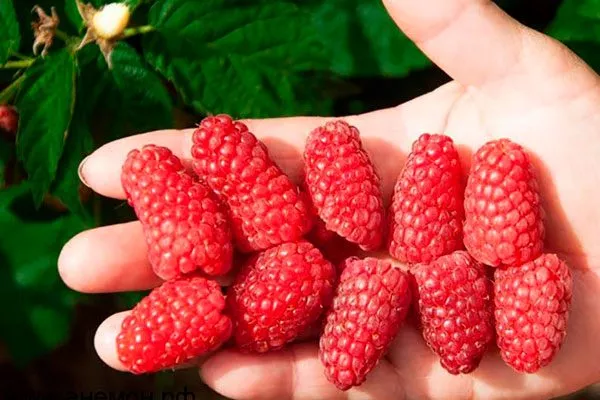
When ripe, the yield
In central Russia, the berry ripening period begins between July 12th and 16th and continues until the last days of August, which accounts for almost a month and a half of the summer period. Berries of this variety tend to fall quickly after ripening.
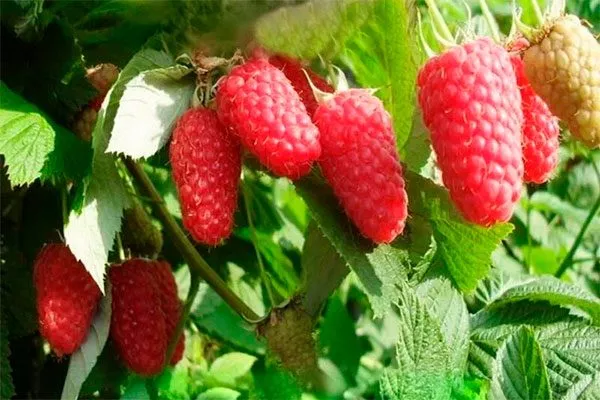
The Krasa Rossii variety is known for its high yield and can be considered a leader among other crops. A mature plant yields up to 4.2-4.5 kg, even with minimal care. Fruiting remains consistent year after year, but yield declines can occur in conditions of insufficient sunshine and excessive summer humidity.
Which regions is it suitable for?
Krasa Rossii is a versatile variety that can be successfully grown throughout virtually all of Russia. It is cultivated in both the hot, arid southern regions and in more northern areas. This is possible thanks to the variety's unique characteristics, which guarantee its high adaptability to a variety of climatic conditions.
Features of cultivation
Carefully select a location for your garden, taking into account the specific characteristics of the chosen variety. Areas with ample sunlight are preferable. It's best not to have underground watercourses close to the surface.
Soil selection criteria include:
- moderately acidic reaction;
- the presence of sand and clay components in the composition;
- Fertility is not a prerequisite, as it can promote excessive root sucker development, which negatively impacts crop yield.
This variety prefers bright light, while shade and excess moisture are unsuitable, as they can lead to the development of rot bacteria and fungal infections. The yield of this variety depends on the space between plantings.
Care
Care procedures are simple and standard, but be sure to take into account the varietal requirements.
Trimming
To ensure a high yield, it's essential to carefully and frequently cultivate the plants. The Beauty of Russia is not without its basal shoots and young branches.
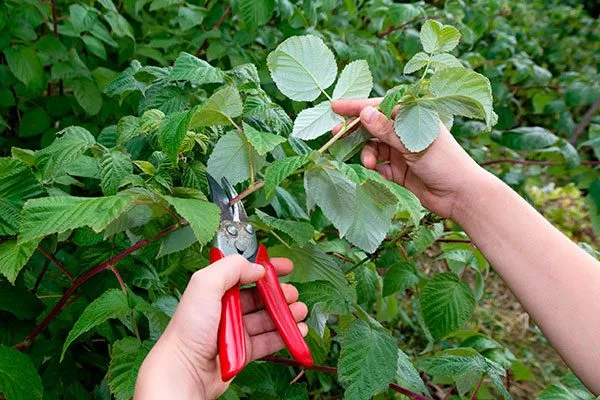
Therefore, carry out at least two prunings during the season:
- In the spring Remove old and damaged stems. Leave no more than 8 young shoots on the bush to avoid overcrowding, which can negatively impact fruiting and ripening.
- In the fallBefore preparing the plant for winter, perform a second pruning. This should be done with a sharp tool to ensure a smooth, scratch-free cut, rather than a jagged one.
Watering and nutrition
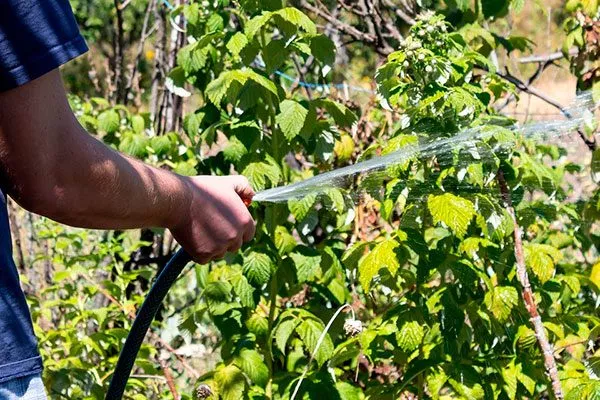
During the first two years after transplanting, young bushes require intensive watering. Mature bushes are watered when the soil begins to dry out, usually between May and July. Once the berries begin to ripen, reduce watering to four times a month. After each watering, mulch the soil to retain moisture near the roots for longer.
- ✓ The mulch layer thickness should be at least 5 cm to effectively retain moisture.
- ✓ Use organic mulch (straw, sawdust), which additionally enriches the soil.
After harvesting all the fruit, it's crucial to maintain the bushes and continue caring for them, including regular watering. Apply water carefully to the root zone, avoiding drips on the trunks, berries, and foliage.
To maintain vigorous growth and abundant foliage, young bushes are enriched with organic and mineral fertilizers in the spring. After harvesting, urea and potassium-rich fertilizers are added to the root zone.
Cold resistance and preparation for winter
This variety has good tolerance to dry conditions and low temperatures, which can reach -35°C. This allows it to be grown in a wide range of climates. Krasa Rossii is relatively resistant to common diseases and pests.
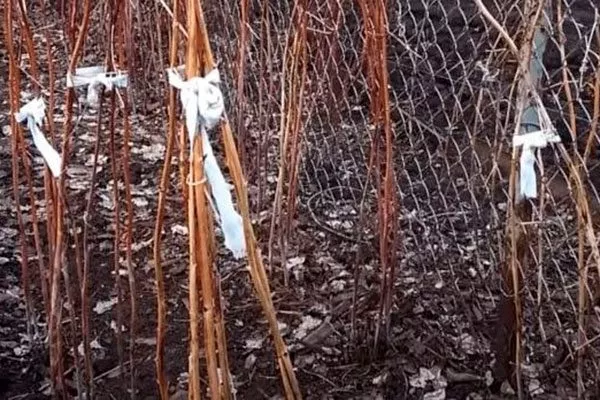
For wintering, bend the bushes to the ground using special clamps and cover them with a layer of peat mixed with wood shavings and spruce branches. Non-woven materials such as spunbond can be used for covering. Insulate the bushes when the temperature begins to drop below freezing.
Reproduction
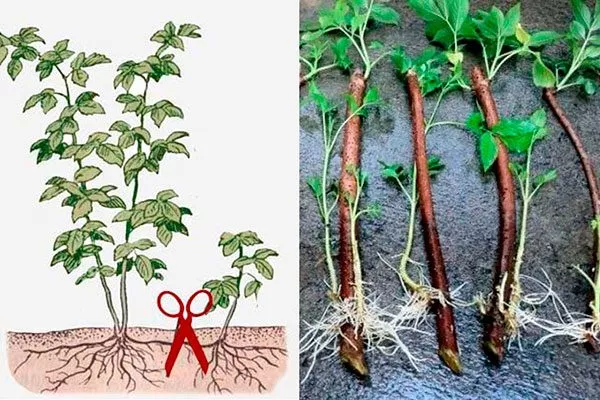
Krasa Rossii propagates through basal suckers, which the bush produces several times per season. In the spring, usually in May, the young shoots are separated from the main plant. Healthy shoots with well-developed root systems are preferred.
- ✓ Choose seedlings with a developed root system, without signs of rot or disease.
- ✓ Give preference to seedlings with 2-3 shoots at least 5 mm thick at the base.
Use a shovel to separate the young plant from the parent plant. Before planting, soak the roots in a Kornevin solution for 40 to 60 minutes.
Pros and cons
Krasa Rossiya has a number of advantages that make it particularly attractive for gardening:
Reviews
The Krasa Rossii raspberry is renowned for its impeccable characteristics: it's resilient to all adverse conditions, produces excellent yields, requires little attention, and delights with its ultra-sweet, large berries. This variety is easy to grow and produces fruit both in the southern heat and in the northern cold.