
Himbo Top raspberry is an ideal choice for those who value long-term fruiting and excellent berry quality. Its disease resistance and ability to harvest twice make it a favorite among other varieties. To achieve excellent results, it's important to provide the plants with the necessary conditions and follow proper cultivation practices.
History of the variety's development
Developed in Switzerland by crossing the Himbo Queen and Autumn Bliss varieties, the hybrid was developed by breeder Peter Hauenstein. The hybrid was approved for use in 2001.
Introduction to the variety
The Himbo Top everbearing raspberry is suitable for both commercial and private cultivation. Its fruits are distinguished by their excellent taste and appearance.
Description of berries, bush, taste and purpose
The bushes are vigorous, reaching 150-200 cm in height. Characteristic features:
- Escapes – large and spreading.
- Spikes – small, stretched along the stems.
- Leaves - pubescent, dark green in color with a whitish underside.
- Flowers – large, forming racemose inflorescences.
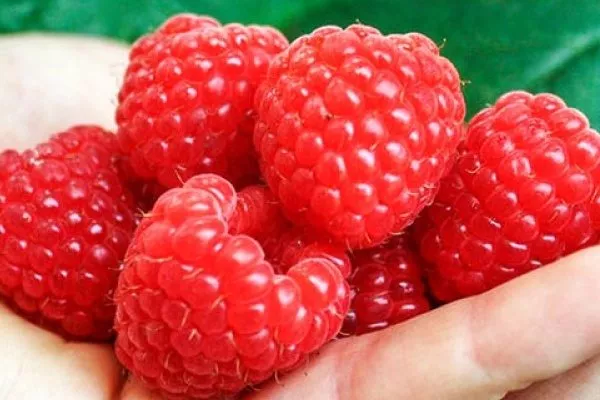
- Fruits – conical in shape, bright red in color, weighing 6-8 g.
- Pulp – medium density.
- Taste - sweet, with a slight sourness.
- Aroma – expressed.
Ripening time
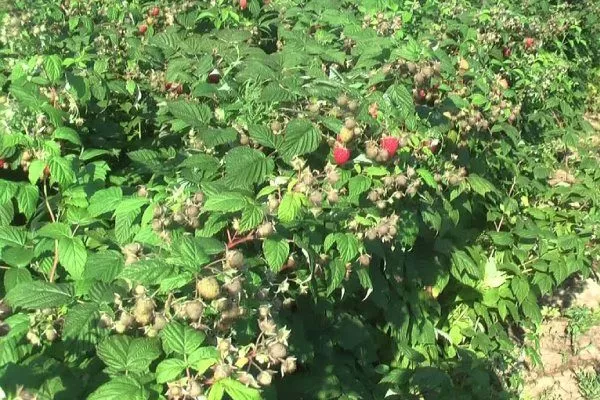
Himbo Top is a remontant, early-ripening variety. Fruit ripens on one-year-old shoots from August to September, and on last year's stems in June. From flowering to fruit ripening takes no more than 55 days.
Growing regions
It is adapted to the climate of many European countries and the United States. It is successfully grown throughout Russia. In the southern regions of the country, seedlings are planted in areas that receive light partial shade during the hot midday hours.
In northern regions, the plants are covered for the winter, as their root system is located in the upper soil layer. In central Russia, the variety produces abundant harvests with minimal care, thanks to the more favorable climate.
Productivity
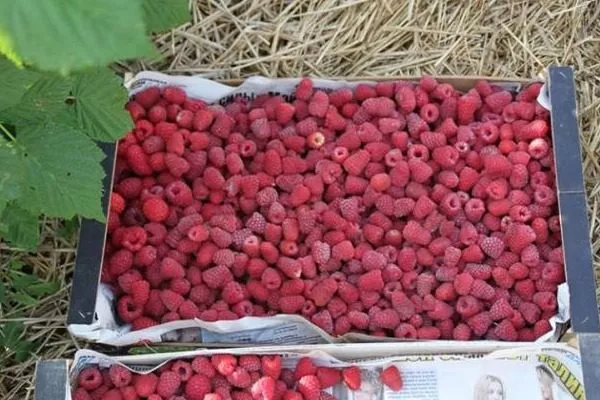
On private plots, each bush yields up to 3 kg of ripe berries per season. On an industrial scale and on private farms, the yield reaches 15 tons per hectare.
Pollination
It is self-fertile, so it does not require additional pollinators. This allows it to bear fruit even in unfavorable seasons.
Storage of the harvest
To keep fresh raspberries fresh longer, store them in the refrigerator. Place them in wide containers in 1-2 layers and cover with a paper towel. In these conditions, they will retain their shelf life for up to 8 days.
Features of cultivation
Yield and flavor depend on choosing the right location for your raspberry patch. Plant in a well-lit area with fertile soil. Choose healthy seedlings for planting.
Selecting a site and landing
Prefers loamy, nutrient-rich soil. If the soil is acidic, add dolomite or limestone before planting. Avoid steep slopes and low-lying areas where moisture can accumulate. An elevated site or a gently sloping area is ideal.
Follow the recommendations:
- Choose a location protected from strong winds, as the crop is sensitive to them.
- The bushes produce fruit in good natural light but can grow in partial shade. However, insufficient sunlight reduces yield, and the berries may develop a sour taste.
- To prepare the plot, use green manures such as lupine, mustard, or rye. Work them into the soil 45 days before planting.
- Avoid planting raspberries after tomatoes, potatoes, or peppers due to common diseases and soil depletion. Replanting raspberries in the same area is recommended only after 5-7 years.
- Carry out the procedure in spring or autumn, having first prepared the bed by digging up the soil and adding organic fertilizer.
- ✓ The optimal soil acidity for Himbo Top raspberries should be between pH 5.5 and 6.5. Checking and adjusting the pH is essential before planting.
- ✓ The distance between rows should be at least 1.5 m to ensure sufficient ventilation and access to sunlight.
The planting procedure includes the following steps:
- Dig holes 40x40 cm in size and 50 cm deep, with a distance of 70 cm between them.
- Place the seedling in a growth stimulator solution for 24 hours.
- Fill the hole with fertile soil to form a hill.
- Place the seedling in the center of the hole, cover the roots with soil, without burying the root collar.
- Firm the soil around it and water thoroughly.
After planting, provide the plants with proper care.
Trimming
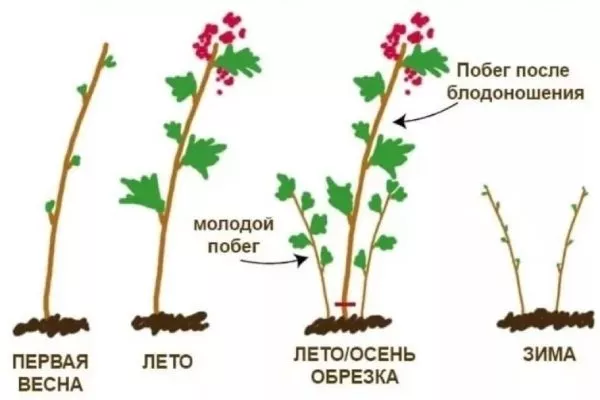
In the fall, prune the bushes to the roots, leaving branches 20-25 cm above ground. New shoots will begin to grow from these branches the following year, which will bear fruit. If you didn't prune in the fall, remove frozen and dead branches in the spring. If part of the plant is frozen, trim the shoots back to healthy buds.
Watering and fertilizing
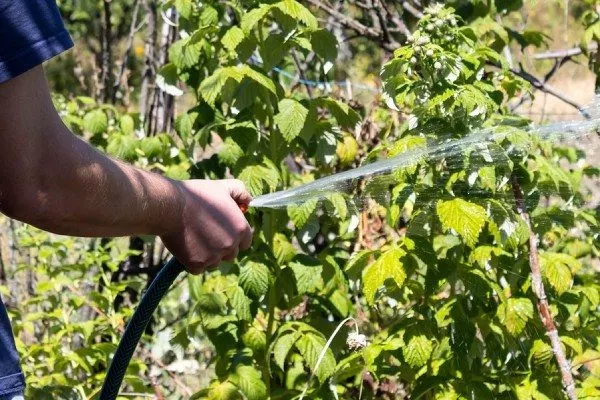
Pay special attention to watering, especially during periods of dry weather. Moisten the plants weekly with warm water, ensuring the moisture penetrates the soil to a depth of 30 cm. Afterward, loosen the soil and remove weeds. Water during flowering and berry formation, otherwise the ovaries will fall off.
Useful activities:
- Use drip irrigation for even moisture distribution. Avoid overwatering the soil, as this can reduce the root system's access to oxygen and increase the risk of fungal diseases.
- In the fall, carry out the last pre-winter watering to prepare the crop for winter.
- Fertilizers have a positive effect on growth and development. In fertile areas, begin fertilizing in the third year. Use mineral and organic fertilizers, alternating them at intervals of 2-3 weeks.
- In spring, apply nitrogen fertilizers to promote foliage growth. During flowering and fruit ripening, stop using nitrogen fertilizers. Instead, use an infusion of mullein (1:15), nettle (1:10), or ammonium nitrate (20 g per square meter).
- In summer, apply fertilizers containing potassium and phosphorus. Dissolve 30 g of superphosphate and potassium sulfate in 10 liters of water. Water at the roots.
These measures will help ensure good growth, development and productivity.
Tying up
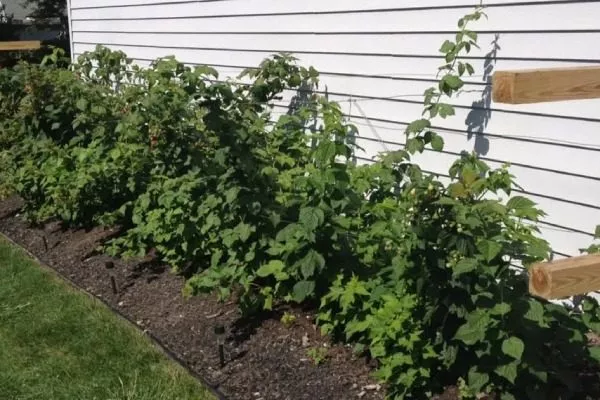
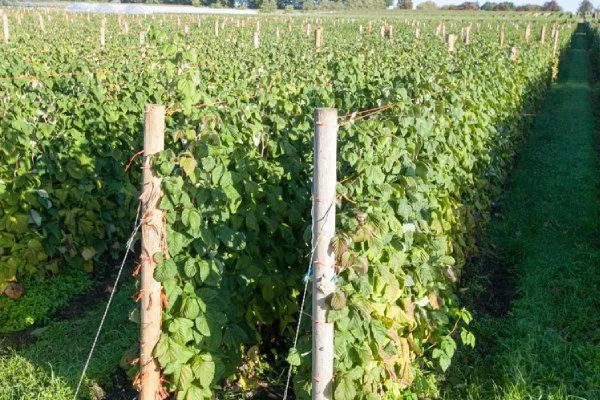
To support plants and prevent damage to shoots, use a trellis system or individual supports. Install stakes at the edges of the raspberry patch, stretching wire or rope between them at heights of 60 and 120 cm from the ground. Arrange the branches in a fan-shaped pattern along these supports.
If necessary, increase the number of supports to ensure reliable support. This system helps maintain the shoots upright, makes plant maintenance easier, and helps preserve the harvest by preventing contact with the ground and, consequently, contamination and rot.
Frost resistance and preparation for winter
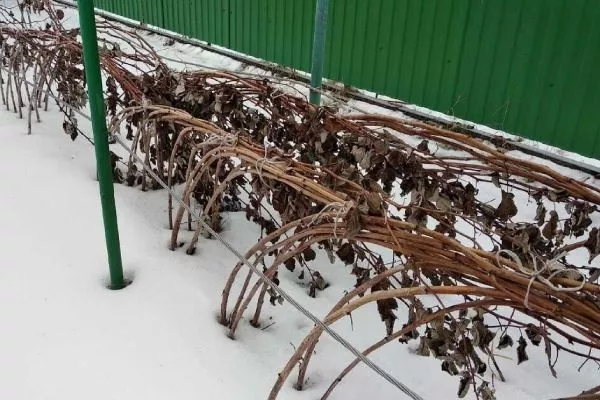
It has average frost resistance. In northern regions, it is grown under cover and with sufficient snow cover during the winter. However, it is resistant to late spring and early fall frosts. Flowers and fruits can withstand temperatures as low as -5°C.
- ✓ Ability to withstand short-term frosts down to -5°C without damage to flowers and fruits.
- ✓ High resistance to spider mites and aphids, which reduces the need for chemical treatments.
In areas with harsh or low-snow winters, cover the root zone with a 5-10 cm layer of mulch (such as peat or humus). This will help keep the soil moist and protect the roots from frost.
Diseases and pests
It exhibits resistance to fungal diseases that often attack the root system. These diseases develop under high humidity, poor plant care, and dense plantings.
Fungal infections appear as brown spots on stems and leaves. To combat them, treat the bushes with Bordeaux mixture, Topaz, Fitosporin, and Oxychom solutions.
The most dangerous pests include spider mites, aphids, beetles, caterpillars, leafhoppers, and gall midges. Before flowering, use chemical treatments such as Iskra, Karate, and Karbofos. During berry ripening, replace chemical treatments with folk remedies such as infusions of onion peels, garlic, or tobacco dust.
Reproduction
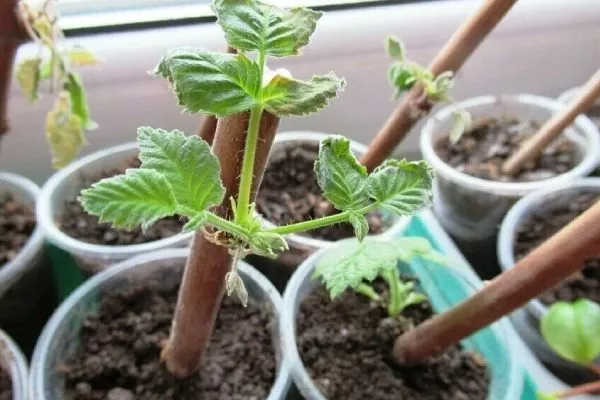
Himbo Top raspberry is propagated exclusively by cuttings, as its seeds are not used to grow new plants. Follow these instructions:
- Select healthy and strong specimens with a well-developed root system and no diseases.
- Use lateral shoots (basal layers) or apical cuttings. Separate them from the mother plant at the beginning of the growing season, when they reach approximately 10-15 cm in length. Take apical cuttings at the end of the growing season or in early spring.
- Treat the seedlings with a rooting stimulator solution to promote rooting.
Prepare the soil in the garden bed and plant the seedlings.
What are the pros and cons?
Before planting a new variety in your garden, it's important to study its positive and negative qualities to avoid problems. The hybrid has many advantages:
Reviews
Himbo Top raspberry is a variety popular among gardeners due to its high yield, flavor, and disease resistance. This everbearing variety not only offers excellent commercial qualities but also produces two harvests per season. To achieve maximum yield, it's important to provide timely care.