
The Pride of Russia raspberry variety is a new-generation hybrid considered large-fruited and drought- and disease/pest-resistant. Many farmers and gardeners claim this hybrid is the most sought-after of all raspberry varieties, despite its appearance only at the end of the last century.
History of the variety's appearance
Russian gardeners have long dreamed of developing a raspberry variety with large fruit, capable of withstanding adverse environmental conditions, and resistant to various diseases. Their dream has become a reality thanks to renowned breeder Viktor Kichina.
American and Scottish hybrids, already renowned for their large fruits, were used as the material for developing the new variety. The result of this work was a raspberry variety nicknamed "Ispolin" by gardeners. Created in 1998 by hybridizing the Stolichnaya and Shtambovy-20 varieties, it was officially registered in the State Register with the name "Pride of Russia."
Description of the variety
This Russian variety, a treasure of our country, is sensitive to lack of light and water. If prolonged rainfall occurs during the ripening period or temperatures drop sharply, the fruit may lose its attractive appearance, often developing cracks, and its flavor becomes less pleasant.
- ✓ The optimal soil acidity for the Pride of Russia variety should be between pH 5.5 and 6.5. Outside this range, the plant may not be able to absorb the necessary nutrients.
- ✓ To prevent berries from cracking during rain, it is recommended to ensure soil drainage to avoid water stagnation.
External characteristics of bushes and berries
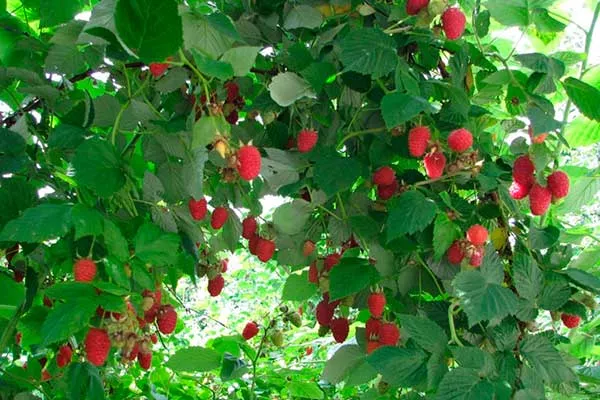
The bush is considered medium-sized – its height does not exceed 180 cm, but is more often 150-160 cm. Characteristic varietal characteristics of the plant and berries:
- thick and strong shoots of an erect type in numerous quantities;
- the crown is more compact and, as it is called, compressed;
- the shoots are completely thornless, which simplifies the process of picking berries;
- the number of fruits on one shoot varies from 20 to 32 pieces;
- the leaves are serrated and glossy, dark green in color with rosettes at the top;
- the bark of old branches has a waxy coating;
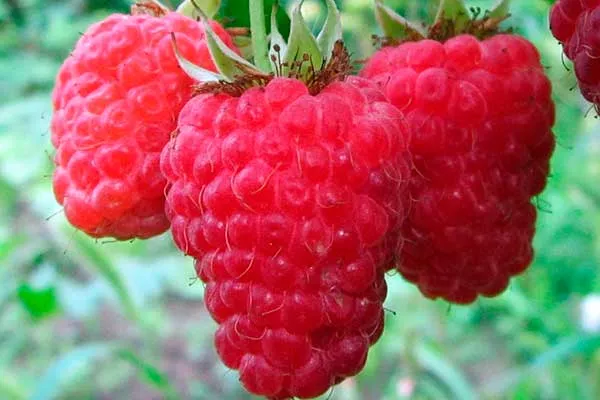
- the parameters of the berries are impressive - the weight of one is 6-12 g, but there are specimens weighing about 20 g;
- the main color is dark red;
- the berries are shiny and velvety, with juicy pulp inside;
- there are practically no testicles;
- the shape is classic conical, but with a blunt end;
- the aroma is weakly expressed, but the taste is rich and sweet, therefore the variety is classified as a dessert variety;
- Once fully ripe, the berries do not fall off without human intervention or external factors.
When to harvest, fruiting
Fruit ripening begins in July and ends in August. This variety doesn't require frequent fertilization, yet its yield is impressive, allowing for up to six harvests in a single season.
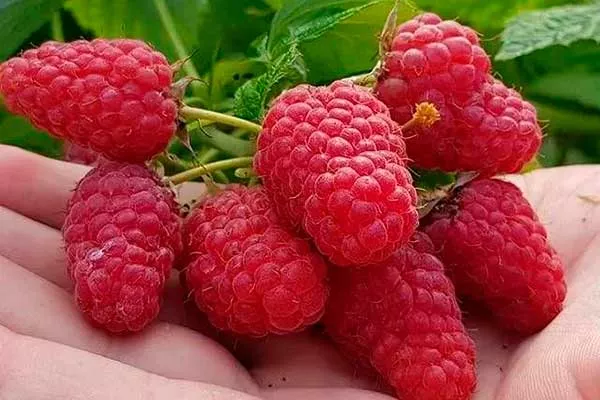
The Pride of Russia is distinguished by its high yield, as each shoot produces 12 clusters, each bearing up to 18-22 berries. Each bush yields approximately 6 kg of fruit, and up to 18 tons per hectare, making it one of the highest yields among raspberry varieties.
How to plant seedlings correctly?
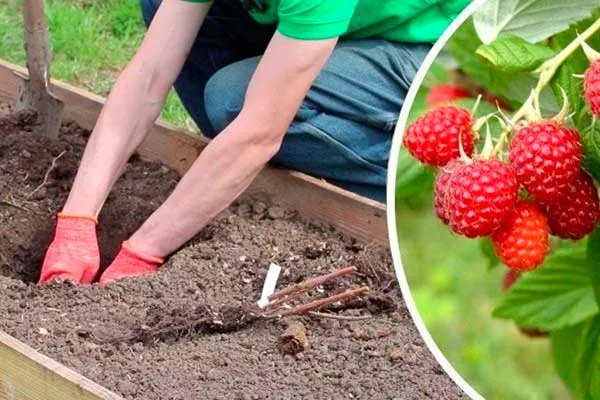
If seedlings are planted in September or October, they will quickly establish themselves and produce a harvest the following season. Spring planting is also possible, but temperatures should remain at least 15-17 degrees Celsius. When choosing a time in the fall, allow at least a month between planting and the first frost.
It is important to pay attention to other nuances:
- When choosing a planting site, consider good light, as berries in the shade don't reach the desired sugar levels. Additionally, pay attention to:
- the distance to the groundwater level is not less than 150-200 cm;
- protection from strong winds;
- no proximity to crops that are not recommended for planting near raspberries, such as potatoes, strawberries, tomatoes and peppers;
- soil fertility, acidity, which should be neutral or slightly acidic.
- The ideal place for planting raspberries is an area next to a fence or structure on the south side.
- Before planting, the soil should be dug up, weeds removed, and trenches or holes 40-45 cm deep prepared. There should be at least 50-60 cm of free space between seedlings.
The process of planting raspberries includes the following steps:
- Dig a hole and place compost at its base to a thickness of 10-12 cm.
- Add a starter fertilizer containing a significant amount of Superphosphate – 55-65 g.
- Add a layer of soil and form a mound in the center.
- Place the seedlings, carefully spreading out the roots so that they do not get tangled.
- Fill the spaces between the roots with fertile soil.
- Water the plantings with warm water.
- Protect the tree trunk circle from drying out by filling it with sawdust or small pieces of tree bark.
When planting raspberry bushes in multiple rows, space them at least 100-120 cm apart, which will facilitate maintenance and harvesting. This raspberry variety requires support, so you can immediately install trellis-like supports.
Care and cultivation
Providing raspberry bushes with sufficient water is a key aspect of their care. Insufficient moisture can lead to stunted shoots, smaller berries, and reduced yields. Regular watering is recommended for mature bushes, once a week, and even more frequently for young seedlings. The standard amount of water per bush is 10-12 liters.
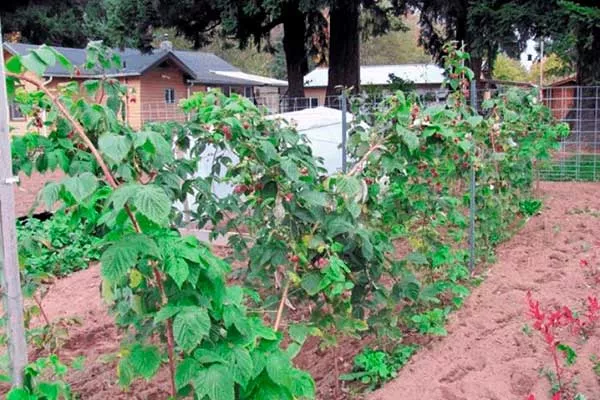
Fertility of the soil in the raspberry patch is a guarantee of successful harvests:
- In the first year after planting, the plant does not need any fertilizer.
- In the second year after the snow has melted, it is recommended to apply urea in the amount of 30-35 g per 1 sq. m to stimulate shoot growth.
- In June, it is advisable to fertilize raspberries with potassium salt or nitrophoska, based on the manufacturer's recommendations.
- In the fall, you can add superphosphate and potassium salt to prepare for bud formation in the spring.
Caring for the Pride of Russia raspberry requires three-stage pruning throughout the growing season:
- In March, when winter ends, remove all dry and damaged branches at the base of the bush. Healthy branches should be trimmed back.
- When raspberries begin to bloom, the stems should be trimmed again, leaving them at a length of approximately 12-17 cm. This will help increase the yield of ripe berries.
- Before wintering, about 2-3 weeks before the first frost, you should do your final pruning. Remove branches that have been bearing fruit for two years, as well as old, stunted shoots. These do not produce new fruit, take up unnecessary space, and will not survive the winter frosts.
If you notice that your raspberries have grown so large that there is not enough space between the bushes, it is recommended to dig the soil to the depth of a shovel blade, leaving a free space of 30-50 cm around each bush.
Harvesting and storing raspberries
The best time to pick raspberries is early July. Although this variety has firm flesh, raspberries are still considered a more fragile fruit. Therefore, carefully stack the berries in flat containers or baskets, with the recommended depth not exceeding 15 cm. If you follow these recommendations, transporting raspberries will not present any particular difficulties.
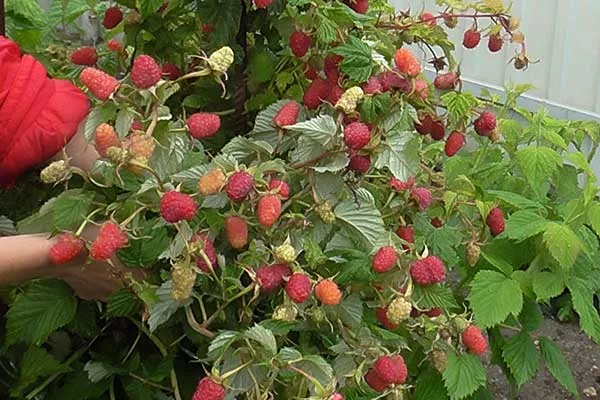
Russia's pride is not only distinguished by its taste and freshness, but also preserves perfectly when canned. Raspberries are versatile and ideal for producing products such as:
- jam;
- compote;
- jam;
- juice;
- confiture;
- wine.
You can freeze raspberries, mix them with sugar, or dry them. Fresh raspberries of this variety retain their quality for about three days in the refrigerator.
How does it reproduce?
To increase the number of varieties in a raspberry patch, you can use two methods:
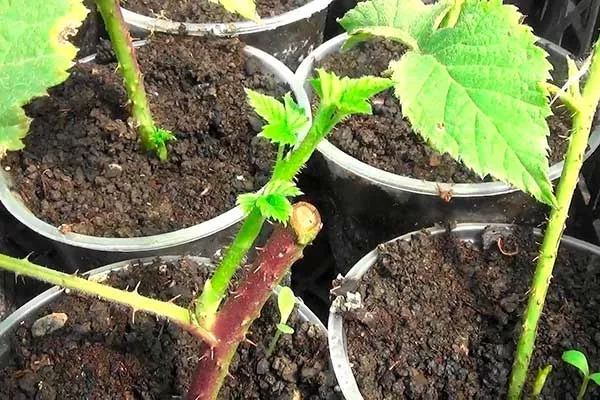
- By cuttings. To grow new plants from cuttings, you need to cut young shoots, root them in sand or other light-loose substrates, and you can also use water with the addition of Kornevin or a similar product to stimulate root formation.
When the cuttings have roots, they are transplanted into open ground at a 45 degree angle or into a greenhouse.

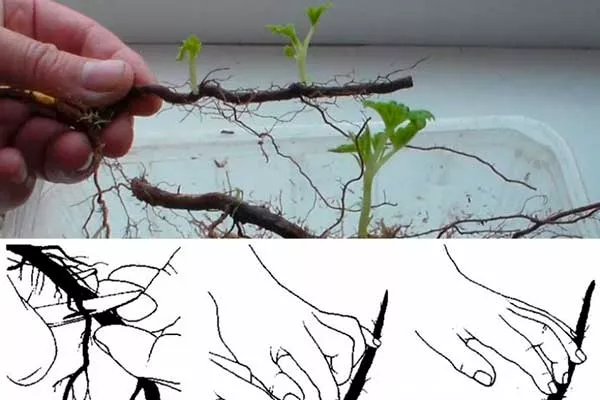
- Reproduction through offshoots. This method is simpler and more effective. Offshoots are selected 30-35 cm from the main trunk, carefully dug up along with the roots, and transplanted into a prepared hole using the standard method.
Diseases and pests
For gardening enthusiasts, the key aspect is the resistance of crops to diseases and pests. The Pride of Russia raspberry stands out for its unparalleled resistance to most diseases and pests – this variety has a genetically proven resistance to disease.
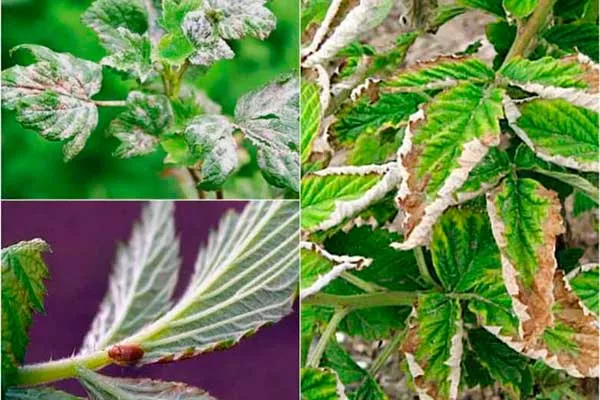
Plants may occasionally be attacked by aphids, but standard control methods are usually sufficient to eliminate them. Fertilizers play a key role in pest control, significantly boosting the plant's immunity.
Reviews
The Pride of Russia raspberry is a self-sufficient variety capable of bearing fruit throughout the country. The key is proper care, and in colder climates, careful covering before winter. A sunny site is essential, otherwise the berries will not develop their sweetness.