
Glen Coe raspberries are a hybrid, making them versatile and easy to grow. However, the variety's key feature is the unusual color of the edible part, which is why Glen Coe is often called a masterpiece. The fruits are used not only in cooking but also in winemaking.
Who developed the variety and when?
A company of Scottish breeding specialists recently introduced a new variety, conceived in 1989. Bred from Glen Prosen and the black raspberry Manger, Glen Coe became the first variety to produce purple berries.
In Russia, gardeners are just beginning to develop this variety, less than five years ago, but they are already delighted with the exclusive color and impeccable taste of the fruit.
Introduction to the variety
The shelf life and long-haul transportability of this unusual hybrid are impressive – the berries can be easily transported over very long distances.
Plant characteristics
This dark-fruited raspberry variety is a compact shrub, reaching a maximum height of 190-210 cm, but most commonly 140-165 cm. The trunks are strong and spreading, so they need to be secured with staking during growth.
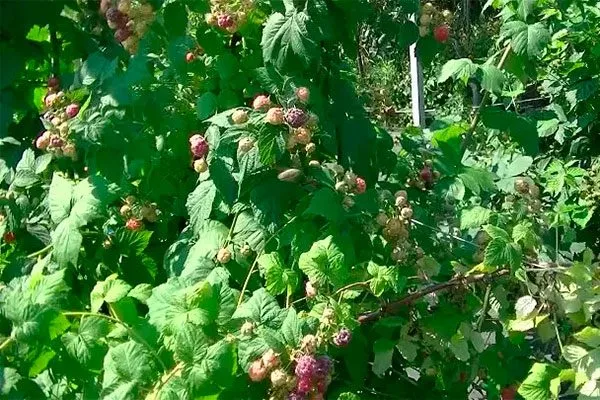
Unlike other varieties, Glen Coe raspberries have a unique feature: their elongated stems are thornless. During the first year of cultivation, branches form, which are pollinated the following year and produce fruit.
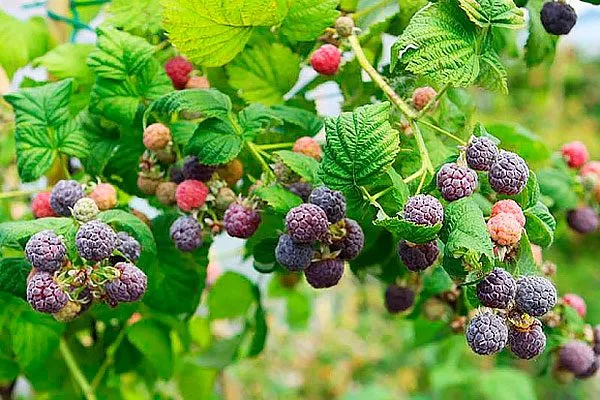
The leaves of this variety are distinguished by a deep green hue and a complex structure, which can be trifoliate or odd-pinnate.
Signs of fruits
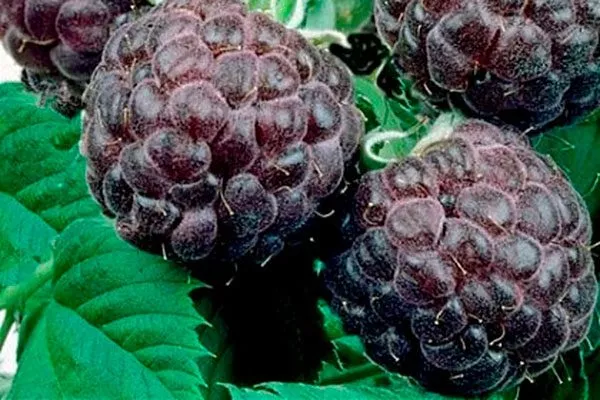
Glen Coe is striking in its exoticism, as Russia has never before been able to grow such large berries with a pink-purple hue as these. Each fruit has a distinctive waxy coating. The fruit has a pleasant aroma and a sweet flavor reminiscent of blackberries.
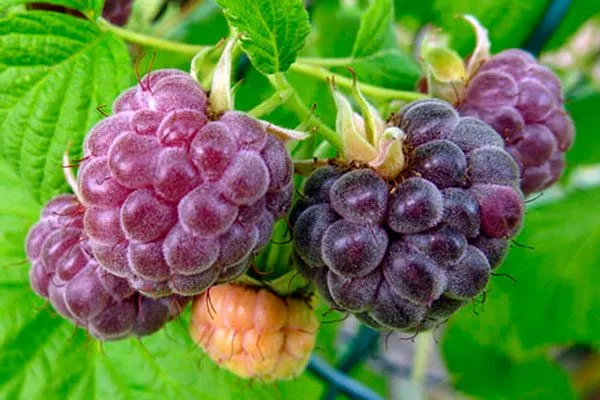
The conical, elongated berries are grouped in clusters of 7-9 on each shoot, weighing approximately 5-6 grams each. The black-purple fruits ripen sequentially, requiring several harvesting passes. The berries separate easily from the stems during picking, do not fall apart, and do not fall to the ground.
Purpose
Glen Coe's purple-hued berries make exquisite preserves, jams, and sweet cake fillings, which are given a beautifully rich reddish hue by the cooking process.
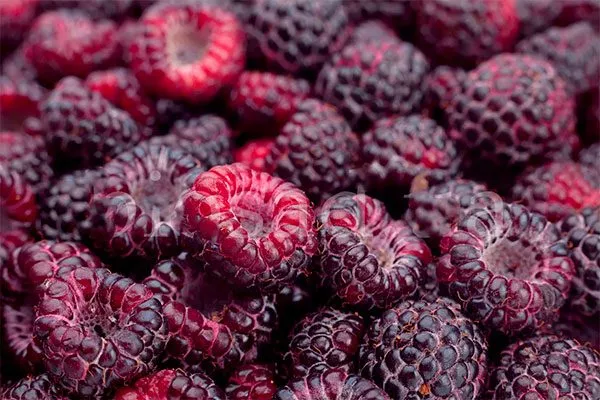
These berries are excellent for making freshly squeezed juices, aromatic wines, and spirits. Fresh raspberries of this variety, especially straight from the bush, impress with their aromatic flavor.
Ripening period and yield
Scottish raspberries belong to a group of berries that ripen in the middle of the season. Fruiting begins in June-July and continues until mid-September, thanks to a prolonged ripening period caused by the gradual maturation of the berries.
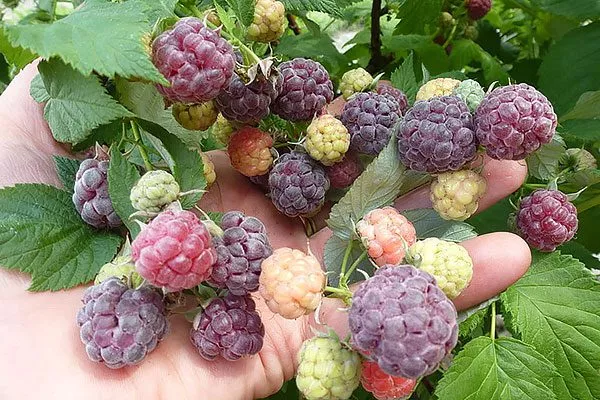
They retain their properties, do not crumble, and are not susceptible to sun damage. Harvesting can begin within a year of planting.
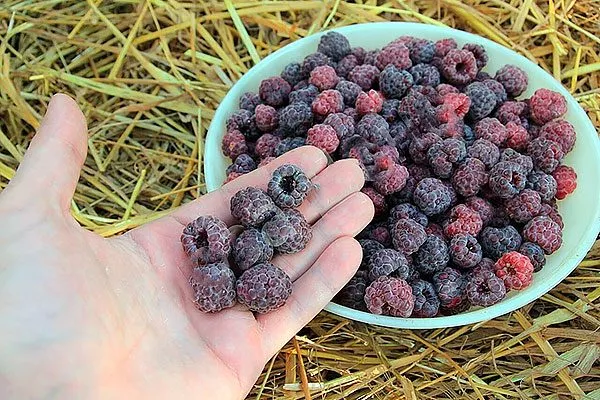
This variety has a high yield. Average estimates suggest that a single mature bush can yield 6-7 kg of fully ripe berries.
Location and soil requirements
The ideal location for growing Scottish raspberries is a level site with full sun and protection from strong winds. Avoid low-lying areas where cold air and excessive moisture can accumulate.
Soils that are well-oxygenated, quickly moistened and rich in nutrients with moderate acidity will provide optimal conditions for the growth and yield of this crop.
Winter hardiness
Given raspberry bushes' high ability to withstand temperatures down to -30 degrees Celsius, it's still advisable to take steps to protect them before the winter months. This involves bending pruned branches toward the soil surface and covering them with a special protective insulating material.
It is recommended to carry out this step at the first noticeable drop in temperature to minus 8-10 degrees to avoid possible damage to plants.
Advantages
Every experienced gardener understands that choosing the right variety requires not only its characteristics and expert opinions, but also an understanding of its strengths and weaknesses. The Glen Coe raspberry variety offers several advantages:
The Glen Coe variety's advantages far outweigh its limitations. However, it's worth noting that winter hardiness may be an issue when growing this raspberry variety. During cold winters, it's recommended to protect young shoots by providing them with adequate protection and shelter.
Methods of reproduction
Hybridization allows raspberries to reproduce in a wide variety of ways, each with its own characteristics that are best learned in advance.
Apical layering
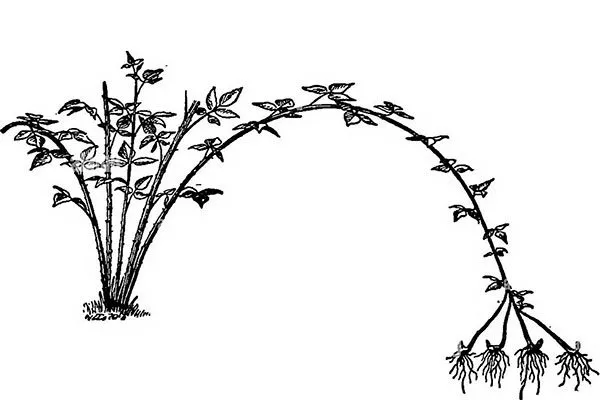
After the seasonal fruiting process is complete, the Glen Coe raspberry variety undergoes exciting changes: the tops of the bushes begin to bend toward the ground. A characteristic loop, surrounded by small leaves, forms at their tips, indicating the raspberry's readiness to reproduce.
How to do the right thing:
- To stimulate rooting, gently bend the shoot towards the surface of the soil.
- Cover its base with fertile substrate.
After some time, the rooting process of the apical layer begins. The time for replanting young raspberry bushes is autumn or spring.
Cuttings
This method is one of the most popular ways to continue the raspberry lineage:
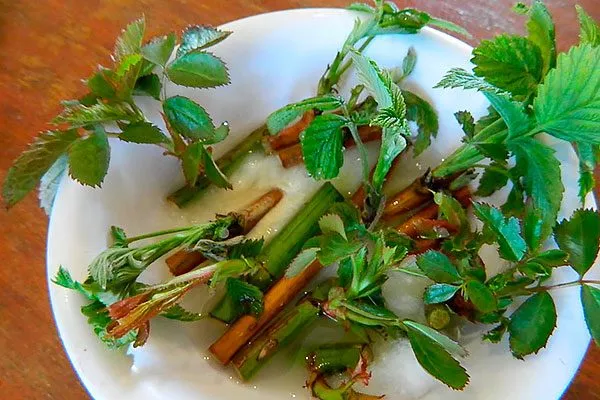
- In the fall, select healthy, fruitful bushes that have produced a good harvest and prune the shoots. They should be no longer than 8-10 cm. Use carefully cleaned and sharp pruning shears.
- To protect against fungal diseases, place the cuttings in an antifungal preparation before placing them in boxes.
- Place slightly damp peat at the bottom of each box, into which you then place the cuttings.
- Store them in cool places with temperatures above freezing, such as basements or cellars. Remember to regularly check the condition of the substrate; it should always remain moist.
- Replant the cuttings in the spring, when the danger of frost has passed.
Propagation by roots
Root development is a natural method of propagation. Excavated rhizomes will always be covered with numerous shoots, ready to root.
To increase the variety's population, do the following:
- Dig up the bush.
- Separate the pieces of roots with shoots.
- Place them in trenches.
- Dig it in.
- In the fall, when you receive new bushes, hill them up to protect the roots from the cold and cover them.
- In the spring, when the bushes begin to grow actively, dig up the young seedlings and transplant them to a permanent location.
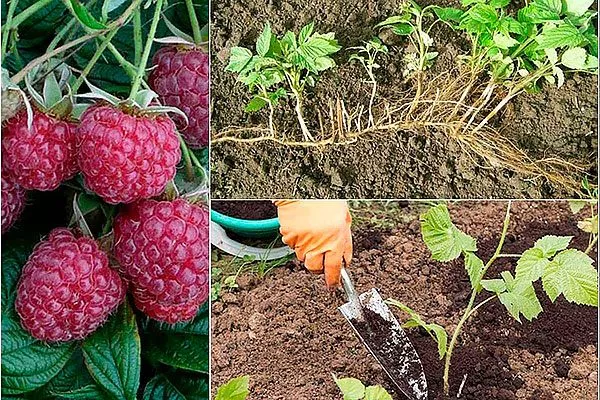
If you decide to propagate Glen Coe through root suckers in the spring, replant the young plants after six months, when the leaves have fallen from the trees.
Seed method
This variety reproduces by seed, like most species. To obtain seeds, you can go to a specialist store or collect them yourself. The process is relatively straightforward:
- select berries that fully correspond to the description and characteristics of a given variety;
- lightly dried in the sun and then rubbed through a sieve to obtain a pulp and seeds paste;
- the pulp is placed in water, stirred and the seeds settle to the bottom;
- The seed material is laid out on a napkin to dry.
Next steps:
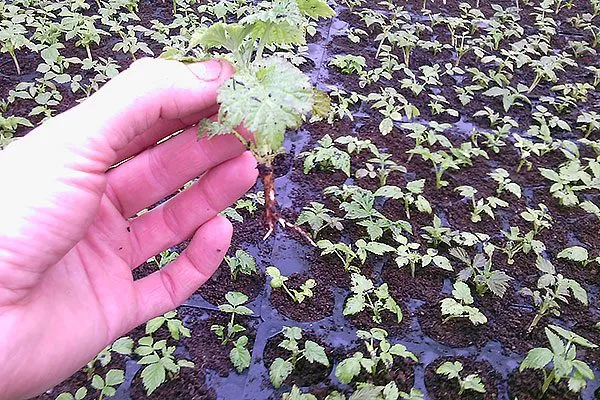
- In spring, mix the seeds with damp sand and sow them for seedlings. A mixture of sand and peat in equal proportions is suitable.
- After the first shoots emerge, raspberry seedlings require long-term light, so turn on the grow lights. Water the seedlings moderately, but do not allow the top layers of the soil to dry out.
- Pick out the seedlings when the raspberries have 2-3 true leaves.
- Plant the seedlings outdoors when temperatures become consistently warm. Initially, place the seedlings in a separate bed for further growth, and then transplant them to their permanent location in early autumn.
Key subtleties of planting and subsequent care
The Glen Coe variety requires locations with bright, long-lasting sun. Horticultural experts emphasize that berries ripened in sunny, open locations have a more intense flavor, sweetness, and aroma than those ripened in partial shade or shade.
For successful cultivation of Glen Coe raspberries, the following conditions are optimal:
- Soils with high fertility and sufficient aeration.
- Locations with low groundwater levels or stagnant water are not suitable for this crop. The Glen Coe raspberry's root system is very sensitive to prolonged waterlogging.
- It is ideal to choose a place where raspberries, potatoes, tomatoes and eggplants have not been previously grown.
- It is necessary to add organic compounds to the soil and thoroughly dig up the area.
- Depleted soils should be enriched with organic fertilizers or mineral complex mixtures.
- It is important to remember that Glen Coe raspberries do not tolerate acidic soils, so dissolved lime, dolomite flour or chalk are added to the soil before planting.
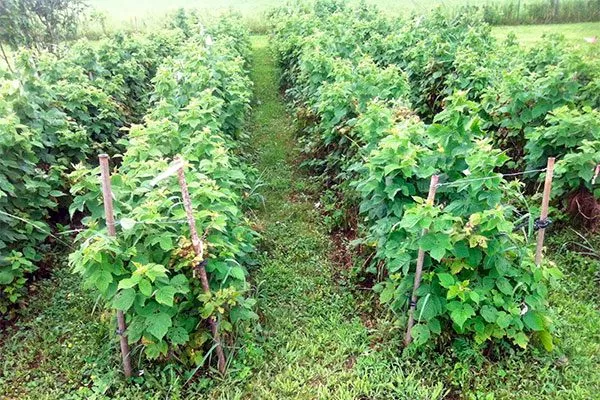
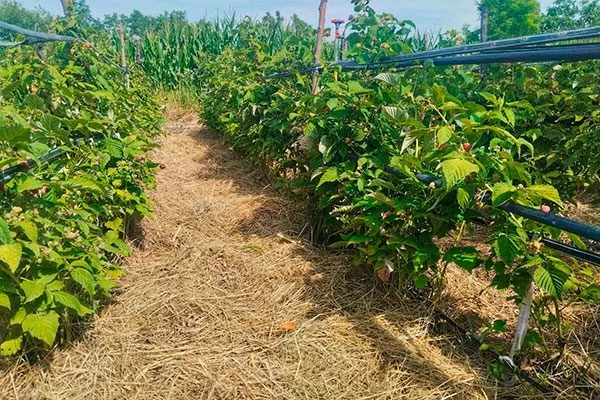
According to the detailed description and advice from the developers, the preferred growing technique for Glen Coe is to plant it in rows. This simplifies subsequent care. As with other varieties, planting can be done in spring or fall.
Please note:
- The minimum distance between plants in a row should be at least 30-50 cm, and between rows – 150-200 cm.
- It is important not to bury the root collar too deep to avoid the risk of fungal infections of the root system.
- After work, water the seedlings thoroughly and trim them to a height of 50 cm so that the young plant can focus on rooting and forming a healthy root system.
Care procedures are standard:
- Mulching is a key element of caring for the Glen Coe variety. The mulch layer should be at least 6-10 cm thick. After fruiting has finished in the fall, the old layer should be dug under the bushes and covered with a new layer.
Optimal mulching materials include:- peat;
- compost;
- crushed tree bark.

- Caring for Glen Coe raspberries requires attention to proper moisture—this affects not only the yield but also the preservation of the hybrid's unique characteristics, as well as its resistance to disease and adverse weather conditions.
Although Glen Coe is considered quite drought-tolerant, according to information and gardener experience, regular watering is still highly recommended. This raspberry's root system develops in the topsoil, up to 40-45 cm deep, so keep the area around the trunk of your raspberry patch constantly moist, especially during flowering, berry formation, and ripening.
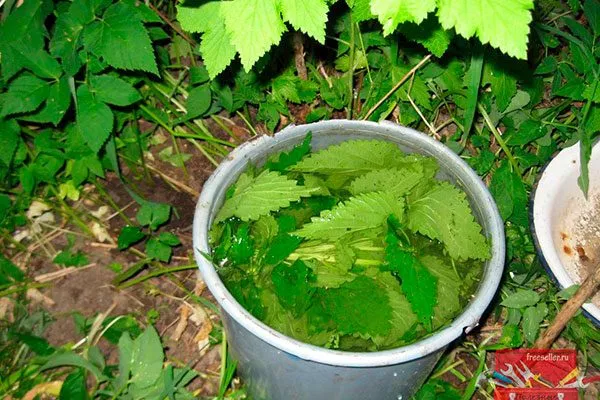
Raspberries do not tolerate excessive waterlogging, so watering must be carefully regulated. - During the raspberry growing season, it's important to combine watering with fertilization, whether mineral or organic. Place mullein or herbal infusion under the raspberries. Add wood ash to the bushes, which is also beneficial for dusting the leaves.
During the flowering period, applying organic fertilizers will ensure the production of particularly sweet and large raspberries.
Protection from diseases and pests
Raspberries, regardless of variety, are susceptible to disease and insect threats. Immediately after digging, before buds begin to grow, protect the plants by spraying Bordeaux mixture not only on the stems but also on the soil.
When the first leaves appear on the raspberries, you can apply a protective pink solution of potassium permanganate or wood ash infusion to prevent pest damage, which is especially important for the Glen Coe variety with its delicious black berries.
The use of chemical pest control agents should be limited to extreme cases and until the berries begin to ripen.
Wintering
Once the harvest is complete, prepare the raspberries for winter as follows:
- remove from the trellis and cut off the fruiting shoots at a height of 5-8 cm;
- perform pre-winter watering;
- renew the mulch layer;
- Bend the shoots to the ground and cover them thoroughly with straw or spruce branches.
Reviews
Glen Coe raspberry, being a hybrid, is characterized by increased resistance to diseases and pests, but only if proper cultivation practices are followed. This variety produces purple berries, often referred to simply as black. It is versatile and easy to care for, but prefers moist soil.