
Gigant Moskovsky is a new variety of large-fruited raspberry, one of its key features being its early ripening. The first ripe and aromatic berries appear on the plant in early July. Read on for more information about this variety.
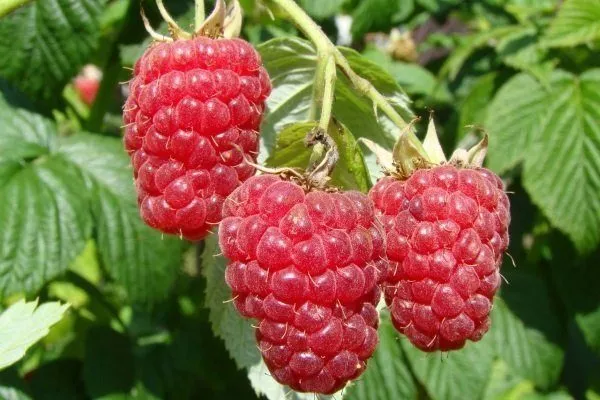
Raspberry variety "Giant Moscow"
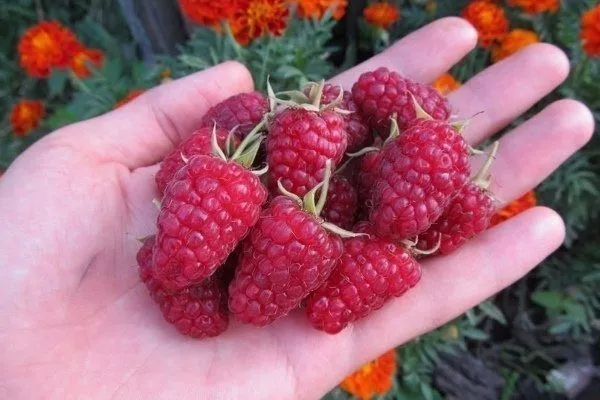
semi-remontant, large-fruited raspberry variety "Giant Moskovsky"
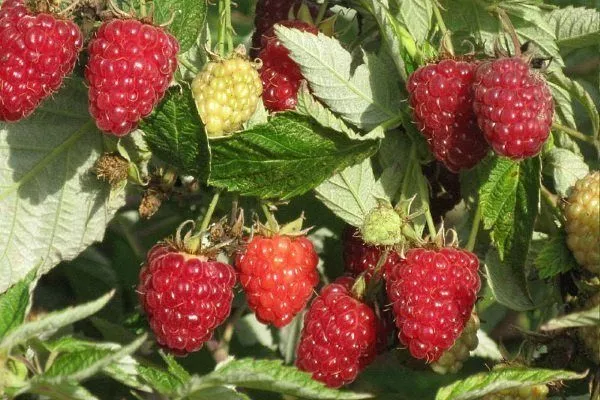
The "Giant Moskovsky" variety is actively distributed and advertised by large garden centers
Description of berries and bushes
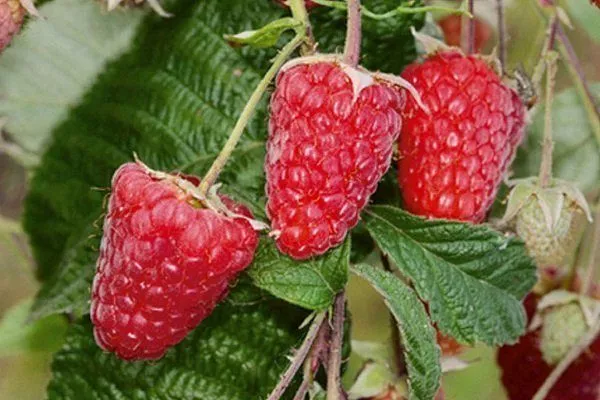
The Giant Moskovsky raspberry is a striking specimen of this berry crop, very popular among gardeners. A single berry can weigh almost 30 g. The fruits are beautifully conical in shape, firm in consistency, and have a bright sheen on the surface.
Against the green foliage, the berries resemble bright red light bulbs. The fruit has a sweet flavor, tender and juicy flesh, and a rich aroma. The seeds are very small, making them safe for even young children to eat.
The Moscow Giant bushes are quite voluminous. A single stem can reach 2-3 meters in height. The bush tends to become dense quickly due to its rapidly growing shoots, so regular pruning is essential. The leaves are large and rich green.
Main characteristics of the Moscow Giant
The Moscow Giant is grown throughout the country and can even thrive in the harsh Siberian climate, thanks to its high winter hardiness. This variety is often grown in the central part of the country and the Moscow region, where it is successfully spreading each year.
Productivity
The main feature of this raspberry variety, which has made it so popular among gardeners, is its high yield. Just one berry bush can produce approximately 10-12 kg of aromatic and healthy raspberries per season.
Fruiting begins in July and, under favorable weather conditions, can continue until almost mid-October. Therefore, this variety is grown not only in private gardens but also on large agricultural farms.
Taste and application
The fruits of the Moscow Giant are delicious, aromatic, and very beneficial for the human body. The berries can be eaten raw or frozen, preserving all their valuable nutrients. Raspberries are also used to make jam and preserves, and, of course, in cooking, they can be used in a wide variety of desserts.
Repairability
Moskovsky Gigant is a semi-everbearing variety. This trait is also known as partial everbearing or pseudo-everbearing. Fruit will appear exclusively on the high portion of young stems. The lower portion of the shoot also bears fruit, but not until the following year.
Sustainability
This raspberry variety isn't particularly resistant to various fungal diseases. It can also be susceptible to insect pests, most often aphid infestations.
- In early spring, treat the bushes with a solution of copper sulfate (100 g per 10 liters of water).
- During the growing season, apply biological preparations against aphids every 14 days.
- In the fall, remove and burn all affected shoots to prevent the spread of infection.
To avoid these problems and preserve the plant, avoiding loss of harvest, it's important to regularly take simple preventative measures. Weeds, which can carry infections, must be removed.
Pros and cons of the variety
The main advantages of the Moscow Giant raspberry are the following qualities:
- large fruits;
- high yield;
- the stems are thornless, making harvesting easier;
- the plant is self-pollinating;
- During one season the variety can produce a rich harvest several times;
- berries can easily be transported over long distances;
- The fruits have high taste and commercial qualities.
But the Moscow Giant also has some disadvantages:
- there is a rapid and strong growth of the green mass of the bush;
- The variety has not been sufficiently studied for cultivation in northern territories.
Preparatory work before planting
Starting in early spring, once the snow melts and warm weather sets in, you can begin planting this raspberry variety. Planting can continue until fall. The best choice is a location well protected from the wind to prevent the plant from dying during the cold season.
It's a good idea to prepare the site where you plan to plant raspberries in the fall. To improve the soil, it's recommended to grow various cereal crops in the area where you plan to plant your raspberries.
Plant this variety in a level area, but a slight slope is acceptable. This will help prevent waterlogging and root rot.
Planting instructions
The planting process is straightforward. The key is to select strong, healthy seedlings that are free of visible mechanical damage.
Row planting is best. This method allows you to plant half your garden with fragrant and delicious raspberries at once, which will produce a bountiful harvest the following year.
How to plant raspberries in spring is described in this article.
Selecting soil
Choose sandy or loamy soil with neutral or slightly acidic pH. Therefore, it's recommended to prepare the soil to the desired pH in the fall. Use humus, sand, peat, lime, and wood ash.
- ✓ Optimum soil acidity for Moscow Giant: pH 6.0-6.5.
- ✓ Recommended distance between rows to ensure sufficient ventilation: 2.5 m.
You should not add too much fertilizer, as oversaturating the soil with nutrients is not desirable.
Row planting method
Planting using this method is very simple to perform, just follow the following sequence of steps:
- Prepare trenches approximately 45 cm deep.
- Leave a distance of at least 1.5 m between each bush.
- Fill the holes with a mixture of humus (10 kg), potassium sulfate (90 g), wood ash (350 g), and superphosphate (230 g). Top with a layer of fertile soil.
- Place the seedling in the hole, but not too deep – the root collar should be 3 cm above the ground level.
- At the end of planting, water the bushes taking into account the proportion - 2 buckets of water per plant.
- Mulch the soil using sawdust and rotted manure.
How to care for a seedling?
Proper care of berry plants determines the growth of the bush and the quality of the harvest. Particular attention should be paid to watering and preparing raspberries for winter, which will help them survive even severe frosts.
Top dressing
If you apply fertilizer to the soil before planting, you can skip fertilizing for the next 3-4 years. Fertilizer should then be added in early spring, before flowering and fruiting begins.
For feeding you can use:
- An infusion of bird droppings or manure makes an ideal fertilizer for shrubs. Manure is diluted with water at a ratio of 1:10, and bird droppings at a ratio of 1:20.
- Dry fertilizer is the best option. In this case, it's best to use well-rotted manure.
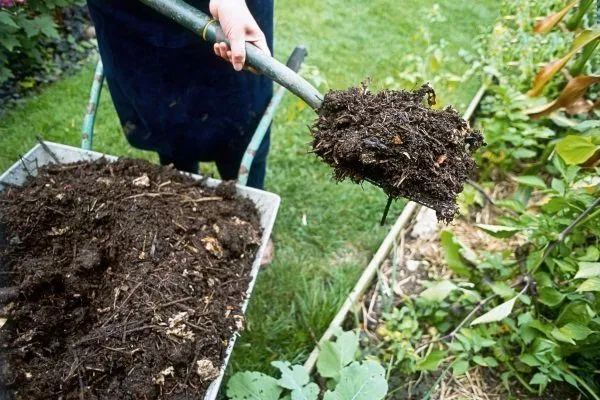
The frequency of feeding should not exceed once every 5 weeks.
It is not recommended to apply fertilizer too frequently, as this raspberry variety tends to increase the green mass of the bush, which is detrimental to the quality of the fruit.
Watering
This variety is considered easy to grow and requires little care. Maintaining optimal soil moisture will ensure high-quality fruiting and healthy plant development.
Depending on weather conditions, the frequency of watering is selected:
- During severe drought, water raspberry bushes every 2-3 days.
- If it rains frequently, water the plant no more than once a month.
- During the summer, water only in the evening. This will help prevent sunburn on the roots.
Trimming
Unlike other raspberry varieties, the Moscow Giant requires more frequent pruning. Excessive shoot growth leads to excessively dense bushes. This creates shade, and the shoots absorb all the valuable nutrients needed for proper berry growth and formation.
It is recommended to carry out the pruning procedure according to the following scheme:
- Before the onset of cold weather, remove the tops of first-year shoots that have already borne fruit.
- Remove the tops even if there are still green fruits left on them.
- Don't prune all the shoots in the fall, otherwise you will lose part of the harvest that could have ripened on these stems next season.
Garter
Metal pipes or wooden stakes can be used for support. They should be installed next to the bush and the stems tied at a height of about 1.5 m.
A fan-shaped garter is often used: a support is installed between two bushes, after which stems are tied from the two bushes in a fan shape.
If you have several rows of raspberries planted in your garden, you should use the trellis method of tying them up:
- Take the trellises that will act as a support and place them at a distance of 3 m.
- Stretch wire between the trellises in several rows.
- Carefully tie each shoot to the wire.
- Make sure that the tops of the shoots rise 20 cm above the wire.
Mulching
Of great importance in caring for this variety of berry crop is the mulching procedure, which must be carried out before wintering. For soil mulching You should use peat, sawdust, straw, or dry hay. This will help the raspberries survive the cold better.
Wintering
A distinctive feature of this variety is its good resistance to low temperatures. The plant can easily withstand frosts down to -20°C. To ensure raspberries survive the winter well, special preparation is required:
- In the fall, when all the leaves have fallen, prune the raspberries, removing both old and new shoots. If the branches are too long, trim them back by about half. For information on pruning raspberries in the fall, read here.
- Loosen the soil around the plant and mulch with sawdust, humus or peat.
- Leave the mulch in place until spring, when the weather becomes consistently warm.
- If winter brings severe frosts, bend the raspberry stems to the ground and cover them with agrotextile, or leave them as is. With the first precipitation, snow will cover the plants and provide additional insulation.
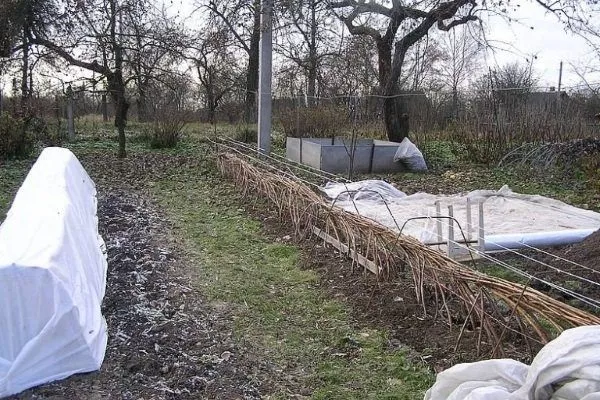
Be sure to treat the cut areas with garden pitch or hydrogen peroxide, which will help disinfect them.
Where to buy and approximate prices
You can purchase raspberry seedlings from experienced gardeners who are engaged in breeding or in a specialty store.
Online ordering has become increasingly popular recently, allowing you to choose the desired variety and quantity of seedlings. Delivery typically begins in early spring.
The approximate cost of one Giant Moscow raspberry seedling is about 350 rubles.
Reviews of the Giant Moscow raspberry
The Moscow Giant is one of the most successful examples of new berry varieties. Each year, this variety becomes increasingly popular among gardeners. By following all the proper growing and care guidelines, you can reap a bountiful harvest of aromatic, delicious, and healthy berries every year.