
The Tayberry blackberry, with its large berries and high yield, has become one of the most popular varieties among gardeners. This hybrid combines the best qualities of its parents, allowing you to grow tasty and healthy fruits in virtually any climate. Regular care and attention are essential.
History of selection
This variety was developed in 1979 in the UK at the Scottish Horticultural Research Institute. It is a hybrid of the Malling Jewel raspberry and the Aurora blackberry.
Description of the Tayberry blackberry
It boasts high yields, quick ripening, and low maintenance requirements. These are vigorous bushes with large fruits. Thanks to their long shelf life and excellent transportability, they are used in cooking even after freezing, maintaining their quality and flavor.
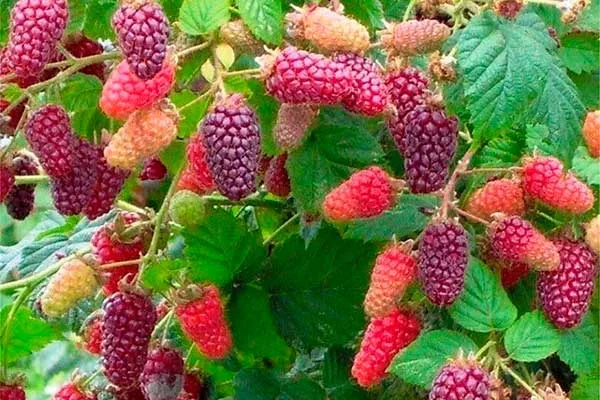
Appearance of the bush
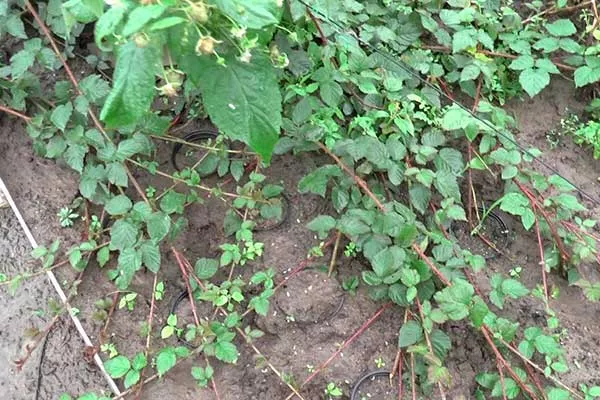
These are creeping and thorny plants, reaching a height of about 4 m. They are large in size, and their shoots are strong and flexible, making them easy to remove from supports and bend down.
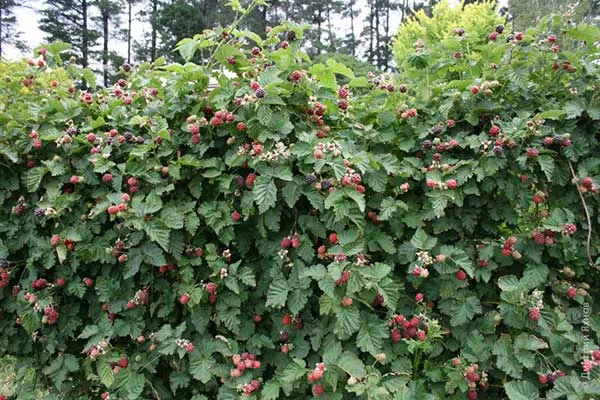
The trifoliate leaves are dark green with serrated edges. The spines on the shoots are soft, small, and abundantly distributed along their entire length.
Description and taste of berries
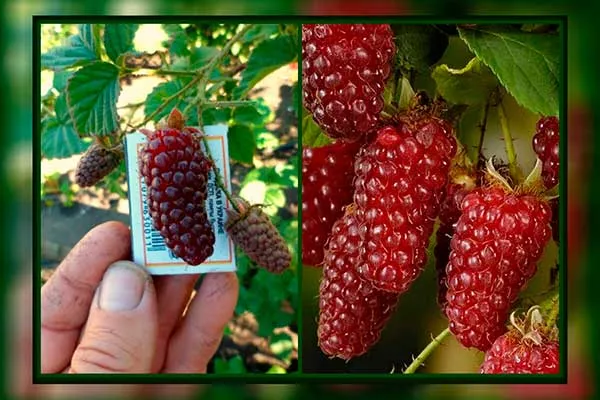
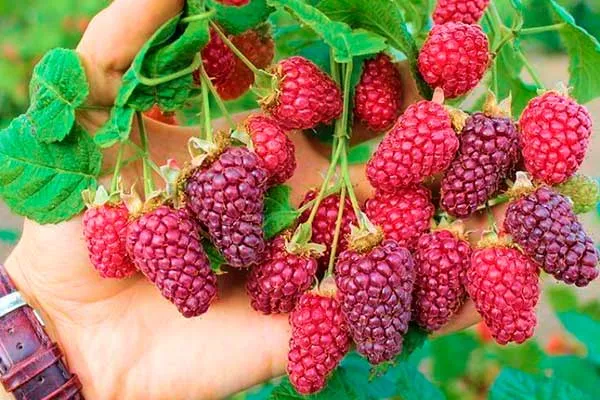
The oblong fruits are bright red in color and reach up to 4 cm in size. Other features:
- When ripe, they reach 10 to 15 g each.
- The pulp is very juicy and tender, with a pleasant sweet taste.
- It can be consumed fresh or processed, for making jam or desserts.
This plant is ideal for decorative use in gardens, adding vibrant accents. The bushes can be planted individually or in mixed plantings, creating hedges. They are sometimes planted along the banks of ponds, adding additional beauty to the surrounding landscape.
Characteristics of the variety
Tayberry is an early-ripening variety, allowing for harvesting as early as summer. Harvest times may vary slightly by region, but typically occur during the summer months. Proper care ensures a consistent, high-quality harvest.
Flowering period, ripening period and yield
The bushes become covered in bright buds in May and June, when the flowering period begins, lasting about a month. At this time, they become especially attractive. By the end of July, or even in August in some areas, the first harvest begins.
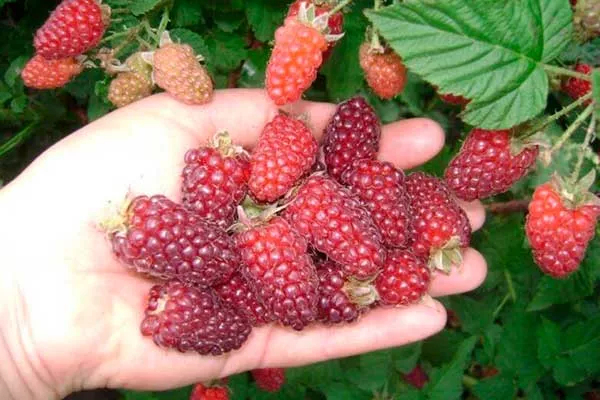
The fruits ripen gradually, ensuring a continuous harvest lasting for a month. The yield is high, with a single bush yielding 4-6 kg. Under favorable growing conditions, a more abundant harvest is possible – up to 10 kg. During the first few years, flowering is possible, but fruiting is not.
Frost resistance
The plant has moderate cold tolerance, making it suitable for growing in a variety of climates. It exhibits excellent adaptability to a variety of locations.
Despite its versatility, the primary requirement is careful winter protection. This care step is key to ensuring reliable protection from cold temperatures and adverse weather conditions.
Resistance to diseases and pests
The crop is virtually immune to diseases and pests, reducing the need for preventative measures. Diseases that can affect this variety include rust, powdery mildew, and verticillium wilt.
Crop yields can be affected by weevils, rose chafers, gall midges, and raspberry beetles. Even if relatively resistant, regular inspections and control measures are recommended.
Use fungicides and insecticides for treatment. For example, garlic or pepper infusions repel pests, while couch grass or chamomile infusions have an antiseptic effect.
Advantages and disadvantages of the variety
This self-fertile blackberry variety is quite popular among gardeners and thrives in virtually all regions of Russia, with the exception of the far northern zones. Tayberry has many advantages, including:
No significant disadvantages of this variety have been recorded.
Landing
The optimal time is spring or fall. Spring planting is best started in April, when the soil has warmed up, and fall planting is best done after the growing season ends but before severe frosts set in.
- ✓ The optimal soil acidity for Tayberry blackberries should be within the range of 5.5-6.5 pH.
- ✓ The distance between rows when using the strip planting method should be at least 2.5 m to ensure sufficient air circulation.
Follow these recommendations:
- When preparing the soil, consider the plant's needs. Although blackberries aren't picky about soil, they prefer well-drained, sun-drenched areas. To avoid sunburn, avoid planting them in open areas.
- Blackberries don't tolerate damp or boggy areas. Fertilize the soil with organic fertilizers such as compost or poultry manure.
- For the fall planting, prepare the soil several months in advance. Add mineral fertilizers to the planting holes—potassium sulphate, a mixture of wood ash and humus. If the soil is sandy or heavy and acidic, add more organic matter.
- The preparation and fertilization process should be carried out taking into account the area of the plot and the general needs of the crop.
Depending on preferences and planting conditions, two different methods can be used: bush and strip.
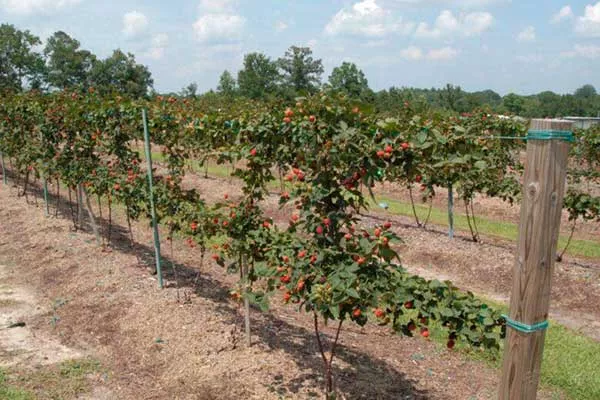
The first method includes the following steps:
- Dig holes for the seedlings about 50-60 cm deep and in diameter, maintaining a distance of at least 1.5-2 m between the bushes.
- Pour up to 1 kg of one type of fertilizer into the bottom of each hole and then cover it with a layer of soil up to 10-15 cm.
- Spread the seedling roots evenly throughout the hole, pushing the root collar 2-3 cm into the soil. Press the soil down around the roots.
- If planting is done in autumn, shorten the stem to 30 cm and protect it with a plastic bottle from winter cold.
When using the tape method, follow the instructions:
- Dig a trench about 40 cm wide and 50-60 cm deep.
- Spread fertilizer on the bottom and then proceed as described for the bush pattern. The distance between the strips should be at least 2 m.
- Mulch the planted plants with peat or compost to a layer of up to 7 cm.
Excessive fertilization can be harmful, leading to abnormal growth and problems overwintering. When planting in the fall, be sure to cover young seedlings to protect them from the cold.
Care
Caring for your crop plays a vital role in its development and future yield. To do this, follow these simple agricultural practices:
- Watering. The plant requires regular watering as the soil dries out. Water with warm water in the evening, usually 4-5 times per season. After each watering, apply a layer of mulch up to 15 cm thick over the beds.
- Trimming. Carry out fall pruning in the second half of October. Remove all old stems. Pinch shoots when they reach 2 m or more in length.
- Top dressing. The hybrid requires mineral fertilizers throughout the growing season. These can be applied in granular form under the roots or diluted for spraying.
Preparing for winter
The hybrid is frost-resistant, but this doesn't eliminate the need for frost protection measures to make it more cold-resistant. Taking appropriate measures will help protect the blackberry buds from freezing.
- Stop watering a month before the first frost so that the plant begins to prepare for the dormant period.
- After the first frost, but before severe frosts set in, insulate the root system with a 10-15 cm thick layer of mulch.
- Before covering the plant, treat the shoots with a fungicide to prevent fungal diseases.
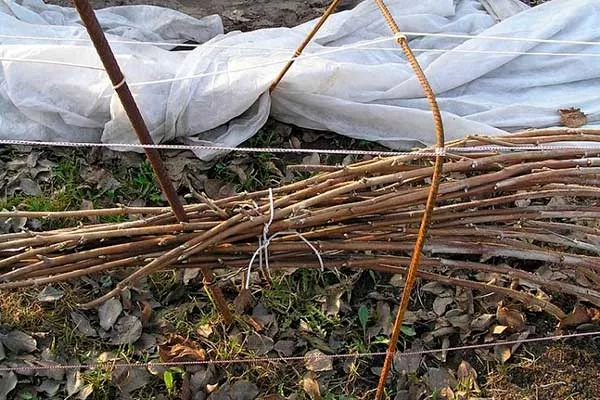
To prepare for winter, follow these steps:
- Before the onset of frost, remove the vines from the support, tie them into bundles and carefully lay them on the ground or slightly below level, having dug a shallow trench.
- Use cardboard or spruce branches as a good substrate. Flexible shoots are easy to shape, so bending and bending them won't be difficult.
- After this, cover the tops of the vines with spunbond, peat, agrofibre, leaves, or straw. Avoid making the layers too thick to prevent rotting.
- In spring, when the air temperature reaches a stable level of +10°C, remove the cover, lift the shoots and redistribute them along the support, and mulch the soil under the bush.
If blackberries are grown in a region with snowy winters, insulating with organic materials can be omitted, as the snow cover effectively fulfills this function. In regions with warmer winters, special attention should be paid to shoots that have reached a length of 2 meters.
Trellis garter
Support plays an important role in ensuring good light and preventing diseases. A single-string trellis with 3-5 rows of wire is most often used for this purpose. Stretch the first row of wire to a height of about 100 cm, and the second to a height of 150-200 cm.
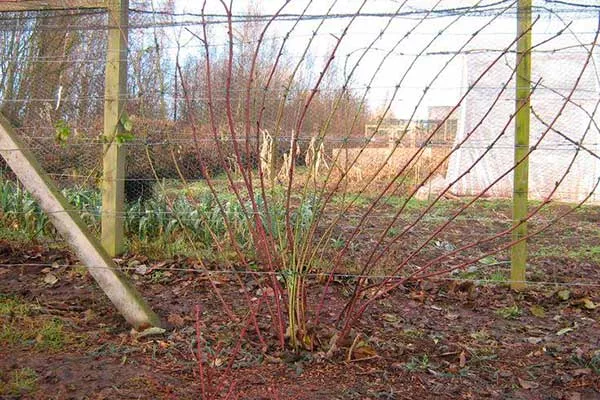
Tie fruiting shoots to the top and young shoots to the bottom. Tie the branches in a cup-shaped or fan-shaped fashion. This ensures optimal light distribution and improves air circulation within the bush, promoting healthy growth and development.
Propagation of Tayberry blackberries
Tayberry propagates relatively easily. Gardeners use three effective methods:
- Cuttings. Carry out the procedure in June. Cut a cutting with buds from a young stem and place it in a container with fertile soil. After moistening the soil, cover the cutting with plastic wrap. After about a month, when roots have formed, transplant the young seedling into the garden bed.
- Layers. They are obtained from a healthy shoot by cutting off the foliage and making a 45-degree angle cut at the node. Place the cuttings in a pre-prepared hole filled with sand, and tie the free end to a support. After a year or a year and a half, when the cuttings are sufficiently established, separate them from the mother plant and replant them in the ground.
- Division of rhizome. This method is rarely used. It involves removing the old bush from the soil, dividing the root system, and then replanting the individual sections.
Choose the most optimal way to increase the number of seedlings on your site.
Diseases and pests
The crop is more resistant to diseases and pests than its ancestors, but unpleasant surprises are sometimes possible. It's important to be aware of the signs of danger to the hybrid and know how to combat them:
- Powdery mildew. Characterized by a white coating on the leaves, followed by dryness and leaf drop. For treatment, use copper-containing products.
- Anthracnose. It appears as brown spots on the leaves that spread, causing them to dry out and fall off. Remove affected plants and treat them with Bordeaux mixture as a preventative measure.
- Verticillium wilt. Leaves begin to wither and turn yellow. Control involves preventative measures and treatment with Bordeaux mixture.
- Raspberry beetle. It lays eggs in the soil and feeds on buds and flowers. Use Malathion to control it.
- Raspberry aphid. They feed on leaf sap, causing them to deform and dry out. Chemicals or entomophagous insects (ladybugs) can be used to control them.
Why isn't the Tayberry blackberry bearing fruit?
Although the Tayberry blackberry is considered an easy-to-grow crop, some gardeners may encounter a lack of fruiting. This can be caused by several factors, including freezing of the buds due to inadequate winter protection.
Additionally, reduced yields may be due to damage to the pistils by rose chafers or bud feeding by strawberry weevils. To prevent these problems, cover the bushes with gauze during the growing season.
Reviews of the raspberry-blackberry hybrid Tayberry
Tayberry blackberries are a delicious and nutritious berry, an ideal choice for those seeking a bountiful harvest throughout the season. Thanks to their high resistance to diseases and pests and their ease of cultivation, this variety is a favorite among both novice and experienced gardeners.