
The Joan Jay raspberry is an ideal choice for those looking for a bountiful harvest of delicious berries with minimal effort. Gardeners appreciate it for its early ripening, high yield, and ease of cultivation. With proper and timely care, it won't cause any difficulties, as the crop requires simple maintenance.
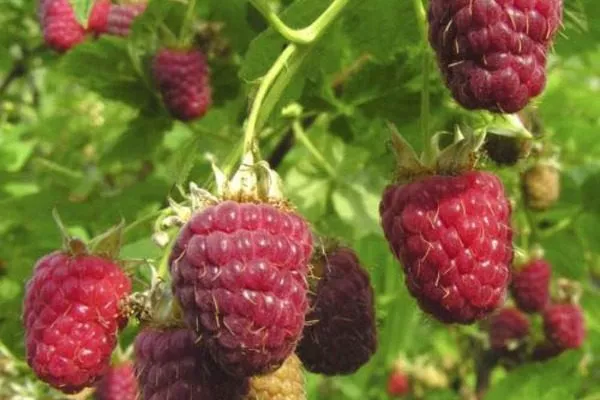
History of the variety's development
This hybrid originated in Scotland. British breeder Derek Jennings chose to cross the Joan Squire and Terry Lewis raspberry varieties. In 2008, he received a patent for the new, promising variety, which is now known in many countries around the world.
Introduction to the variety
This remontant variety bears fruit twice a season. Each year, it becomes increasingly popular among gardeners in Russia and Europe.
External characteristics of the bush and berries, their taste and purpose
The plant is short, reaching a height of 1-1.5 m. It has 6-8 shoots about 50 cm long. A single shoot can produce over 60 berries. It produces a large number of shoots, which must be removed promptly.
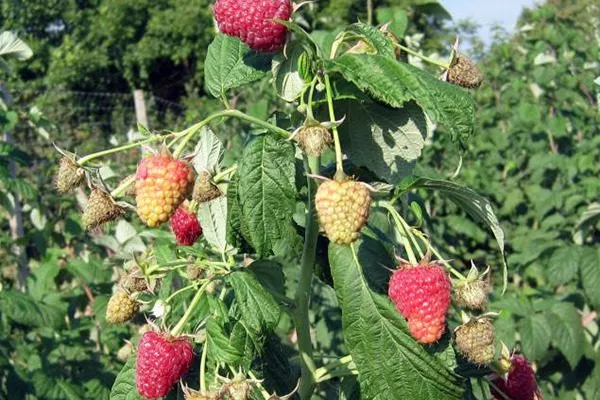
Distinctive qualities of the fruits:
- They have a conical shape and thick skin.
- They ripen gradually, starting from the base and up to the tip.
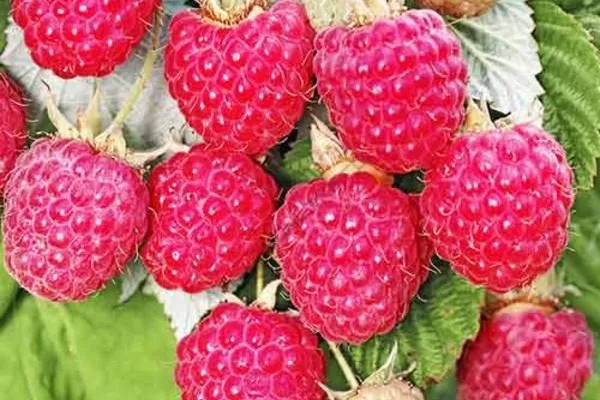
- They are large, dark red, and uniformly colored. They separate easily from the stem and rarely fall off.
- Unripe berries have light-colored tips and can be picked for long-term storage. The berries overripen quickly, so pick them daily.
When ripe, the yield
The first berries of this English variety begin to appear in mid-July. The plant bears fruit until the first frost, gradually decreasing in yield from October. If the shoots are pruned to the roots in the fall, the berries begin to ripen in August.
Raspberry bushes are highly productive—you can harvest up to 7 kg from a single plant. To achieve this yield, proper care during cultivation is essential.
Frost resistance and preparation for winter
The crop has poor frost resistance for the central region, withstanding temperatures down to -25°C. Winter preparation begins at different times in different regions of the country, depending on the ripening time of the berries.
In the European part of Russia, begin preparing bushes for winter in September, and in the southern regions, from the end of October. In the fall, the remaining berries ripen; to prevent them from absorbing excess moisture, cover them with agrofibre.
After the leaves have fallen, carry out the following work in the raspberry patch:
- Cut off all stems completely, shorten some shoots by a third.
- Remove old, broken, dry and diseased branches.
- Clear the soil around the bushes of weeds, loosen it to a depth of 5 cm and sprinkle with potassium-phosphorus fertilizer (25-30 g per 1 sq. m).
- Add soil, mulch and water generously.
In the fall, add rotted horse manure under the plants, which will ensure a good harvest next year.
Basics of Growing
To successfully grow raspberries, it's important to choose a sunny location with good ventilation and well-drained soil. Regular watering and weed control will help ensure healthy plant growth and a bountiful harvest.
Features of planting operations
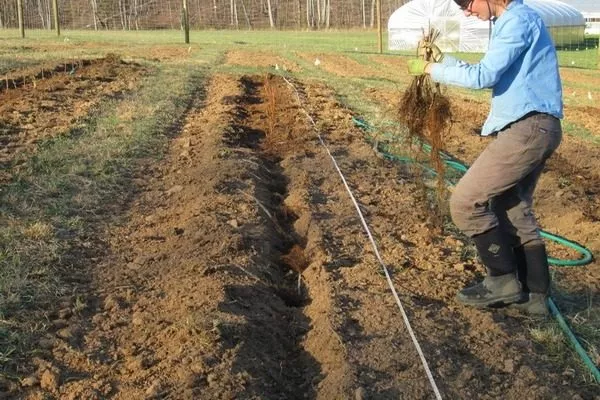
Plant the seedling at almost any time during the growing season. If you cultivate the variety from spring to late fall, the success rate is 99%.
Immediately before planting, soak the seedling roots in a solution of phosphorus-potassium fertilizers or biostimulants for 1 hour. This will significantly reduce the time needed for the plant to adapt to its new environment.
Step-by-step instructions:
- Dig a hole approximately 40-50 cm deep and in diameter. The distance between holes should be about 1.5-2 m.
- Place the seedling in the hole so that the roots are evenly distributed and not bent. Then fill it with soil, compacting it well around the roots.
- Water the plant generously to moisten the soil and give it a good start to growth.
Apply mulch around the planted seedling to retain moisture, suppress weed growth, and provide protection for the roots from overheating.
Trimming
Prune everbearing raspberries twice: in spring and fall. In late fall, when all the berries have been picked, do the main pruning. At this stage, remove all one-year-old shoots, leaving only three-centimeter stumps.
In the spring, perform sanitary pruning: remove suckers, cut out diseased and dried shoots, and trim the remaining shoots back to the first healthy bud. These buds begin to swell around mid-April, so begin the procedure at this time.
Watering and fertilizing
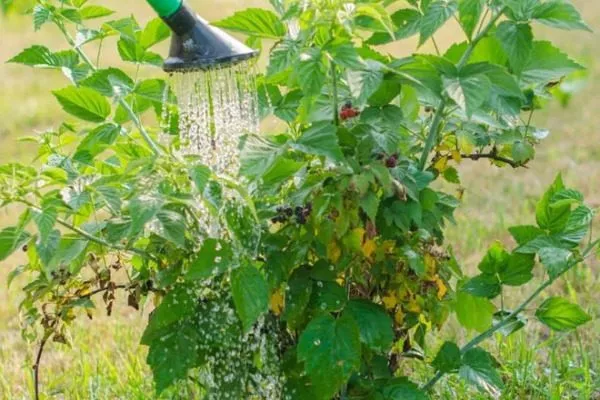
In summer, especially during dry periods, water the Joan J raspberry frequently, otherwise the berries will become small, sour, and tasteless. Calculate water consumption using the formula: 25 liters per 1 square meter of soil in the raspberry patch. Furrow watering, prepared with a hoe, is very effective.
Raspberries respond well to sprinkling. Water the bushes in the evening or early morning. Regularly loosen the soil between plants, weed, and remove weeds. Mulch the soil using any organic material, which will make care much easier.
Feed Joan Jay generously and often:
- Apply the first portion of fertilizer immediately after the snow melts. This can be either organic matter scattered on the soil or mineral components.
- During the active growth phase, the plant will appreciate liquid fertilizer made from cow dung or chicken manure dissolved in water.
- The crop requires a lot of mineral fertilizers – use urea and ammonium nitrate.
In the second half of summer, apply foliar feeding by irrigating the bushes with mineral complexes.
Prevention and protection from pests and diseases
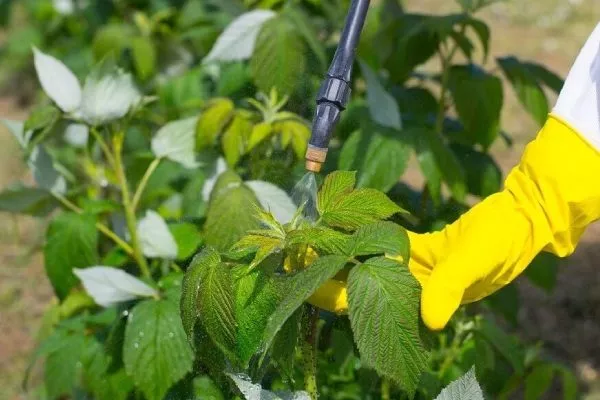
To ensure a great harvest, combat potential pests promptly. Regular spraying with specialized solutions approximately four times per season will help prevent the development of parasites and diseases on the shoots.
The main components of proper care for raspberries of this variety include:
- systematic removal of weeds;
- regular and timely thinning;
- moderate use of fertilizers;
- constant gentle watering;
- high-quality fertile soil;
- proper seasonal care.
Reproduction
There are several ways to increase the number of seedlings in a plot. Here are the main ones:
- Cuttings. Separate healthy, recently grown cuttings from a mature plant. Root them in special soil or seedling medium until they develop roots and become independent plants.
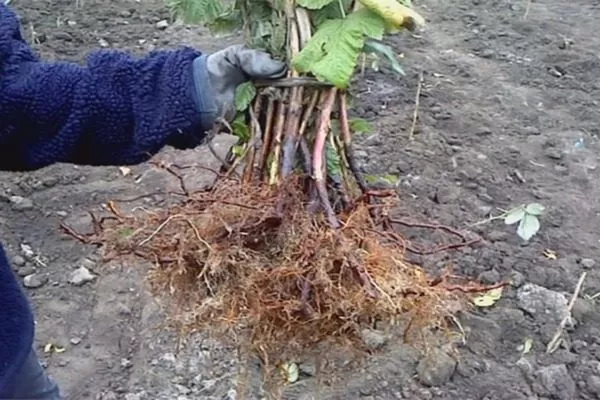
- Division of rhizome. This method involves dividing a mature bush into several pieces. Each piece should have roots and a growing tip. Transplant both pieces into prepared beds or pots, where they will continue to grow as individual bushes.
- Layers. Carefully bend the strong shoots down to the ground and secure them in place with pins or wire. Cover them with loose soil, leaving the tips exposed. Water the cuttings regularly to keep the soil moist but not waterlogged.
Once the cuttings have rooted and are actively growing, carefully separate them from the mother plant using pruning shears. Replant them in their new location.
Choose the appropriate propagation method.
Advantages and disadvantages of raspberries Joan J
Before planting a new variety, research its pros and cons. Joan Jay has many advantages.
Review of reviews
The Joan Jay raspberry is a popular variety, attracting both novice and experienced gardeners with its delicious and aromatic fruits. It is considered one of the most sought-after and productive varieties, requiring minimal effort to grow. Proper and timely care guarantees a bountiful harvest and strong plants.