
The Daughter of Hercules raspberry is a popular variety with excellent flavor and a consistent yield. The bushes are spreading and frost-resistant, and the berries are juicy, aromatic, and firm. Its everbearing nature ensures two harvests per season, and its versatility makes it suitable for both fresh consumption and preserves.
Breeding history and regions
Little information is currently available about the new everbearing raspberry variety. It was developed from the Gerakl variety, from which it inherited all of its strengths. The parent raspberry was bred by specialists at the Kokinsky Research Institute in the Bryansk Region.
You can get acquainted with the best varieties of berry crops Here.
Morphological features
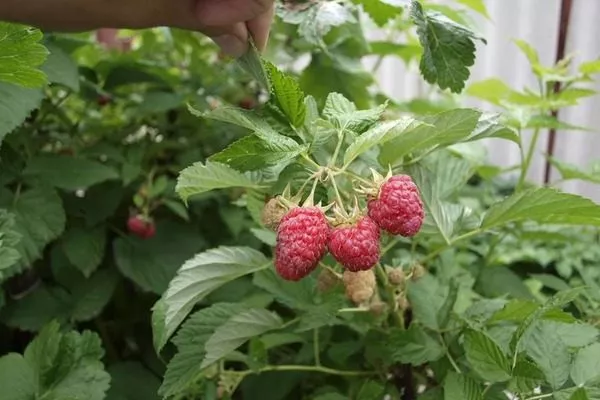
The variety inherited many positive traits from the Hercules raspberry: bush height, berry shape and flavor, and good yield. However, there are also some differences:
- Hercules' Daughter forms more spreading, vigorous bushes with strong, straight shoots reaching several meters. Due to their abundant branching, the shoots require staking, especially during the fruiting season, to prevent damage.
- The bush produces only 2-4 shoots, making it easy to maintain. They are thick, upright, covered in thorns, and can easily support the weight of the crop, but trellis support is still recommended.
- A characteristic feature of the crop is the change in the color of the shoots: from bright green at the beginning of the season to dark cherry by autumn - this is not a disease, but a varietal quality.
Description of berries
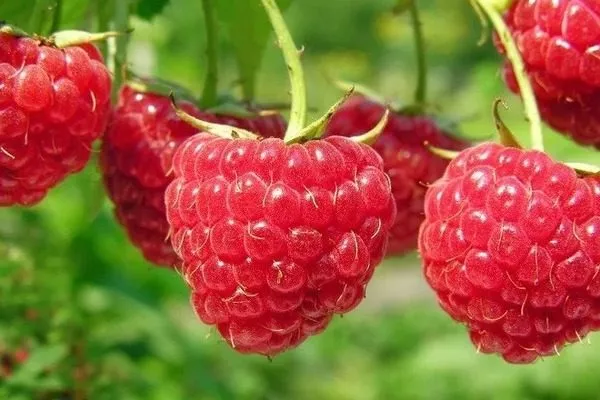 The fruits of this variety are eye-catching with their appetizing appearance—it's hard to miss the bushes during harvest season. Key characteristics:
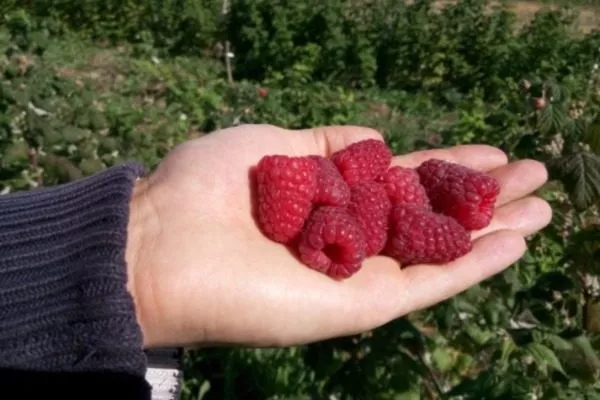
- The berries are bright red, dense, but juicy, weighing from 10 to 20 g.
- They have a truncated-conical shape, a rich dark red color when ripe and a distinct aroma.
- The raspberry has a delicate taste with a slight sourness.
- This is a universal variety: the fruits are suitable both for fresh consumption and for making jam, compotes, preserves and other preserves.
- Thanks to the tight connection of the drupes, the berries do not fall apart, tolerate transportation well and retain their marketable appearance for a long time.
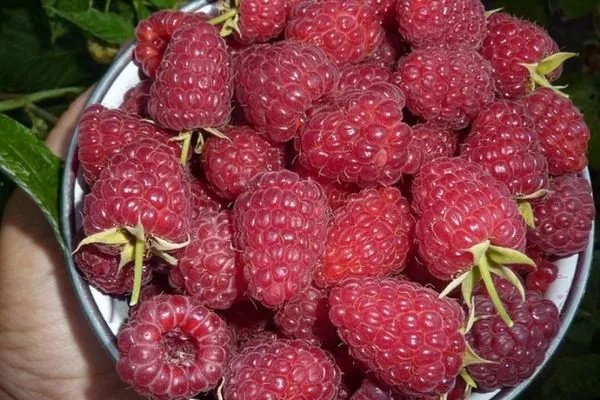
Excellent shelf life allows the harvest to be used for freezing – even after defrosting, the fruits do not lose their shape and remain dense.
Key Features
The seedlings take root quickly and have low soil requirements. When planted in spring, the first harvest appears as early as fall.
The main qualities of culture:
- Fruiting occurs in waves, beginning in the second half of August and continuing until the first frost. Berries are picked at intervals of 3-4 days. If the last fruits don't ripen on the bushes, the branches can be cut and placed in water indoors; they will ripen indoors.
- The average yield per plant is 4-5 kg of select fruit. With proper care and favorable conditions, experienced gardeners can get up to 8-10 kg per bush per season.

- The variety is resistant to many diseases and pests. To prevent fungal infections, spray with Bordeaux mixture in the spring. Colloidal sulfur-based products effectively control caterpillars, raspberry mites, and gall midges.
- The plant is characterized by good winter hardiness and can withstand temperatures down to -25°C. In winters with little snow, shelter and timely pruning in the fall are recommended.
Boarding order
To ensure a bountiful harvest in the future, it's important not only to plant correctly but also to thoroughly prepare for the process. Some steps should be taken in advance.
Read about all the intricacies of spring planting of raspberries HereAll the details of performing the procedure in the fall are described. here.
Choosing a location

Plants of this variety are easy to grow and thrive in a variety of soil types, but a sunny, well-lit location is best. Helpful tips:
- The location should be protected from drafts, cold winds and excess moisture – bushes feel depressed in waterlogged soil.
- A lack of sunlight negatively impacts yield: the berries become less sweet, with an excessively sour taste and a watery texture, and the bushes themselves become weak and stunted.
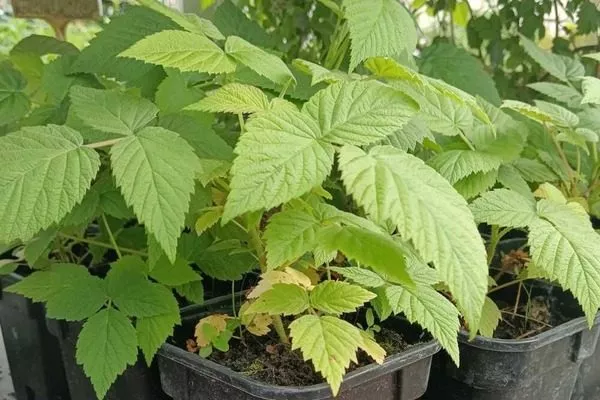
Buy raspberry seedlings from a nursery, not from an untrustworthy seller at the market. Choose plants with a closed root system.
Soil preparation
The Daughter of Hercules raspberry variety can be planted in either spring or fall. Regardless of planting time, the area should be thoroughly tilled and enriched with nutrients.
For each square meter, add the following components:
- potassium sulfate – 45 g;
- Superphosphate – 65 g;
- humus or well-rotted humus – 13-15 kg.
Mix everything thoroughly with the soil, simultaneously removing weeds, root debris and other debris.
Boarding order
The Daughter of Hercules variety is grown in three main ways. A brief description of each is provided below:
- Ribbon. Dig a trench about 40-50 cm deep and plant the seedlings 70-90 cm apart. Leave 1.5-2 m between rows. This will ensure good air circulation and even light distribution, preventing overcrowding.
- Curtain. Plant the bushes in groups of 3-4 pieces, keeping the same intervals as in the first option.
- Triangular. Place the plants at the tops of equilateral triangles, leaving 50 cm between them.

Before planting, fill the holes or furrows three-quarters full with fertile soil. Place the seedlings vertically, carefully spreading out the roots. Add the soil gradually, compacting it to eliminate air pockets.
Caring for the variety
The crop requires regular and careful care, including a number of simple agricultural practices. Timely implementation promotes abundant harvests and strengthens the plant's immunity.
Watering the raspberry bush
The crop is sensitive to moisture levels in both the soil and the air. Excessive irrigation can negatively impact the flavor of the fruit, causing it to become more sour and lose its richness. Insufficient sunlight also impairs the flavor of the harvest.
There are two main ways to hydrate your plant:
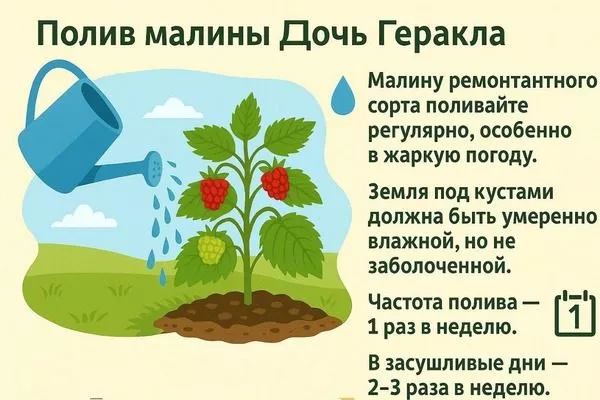
- Root drip. Water is applied directly under the bush. This type of watering is especially important during the flowering, berry formation, and ripening phases. On average, four times a month is sufficient, but increase the frequency during dry weather.
- Sprinkling. This method applies water by spraying not only the soil but also the leaves. Use it on hot, dry days, especially in the evening, to refresh plants and increase air humidity.
If your raspberry bush is drying out, you can find out the reasons that cause this complication and ways to solve the problem. Here.
Fertilization
Start applying fertilizer the following year after planting. Follow these recommendations:
- The first feeding should be carried out in the second half of June or in July, using mineral complexes for active shoot growth, for example, ammophoska.
- In August, apply a comprehensive fertilizer using organic matter, as everbearing varieties are particularly sensitive to nitrogen deficiency. Liquid manure infusions are suitable for this purpose, in the following proportions: mullein – 1:10, bird droppings – 1:20. Use them sparingly; do not overuse them.
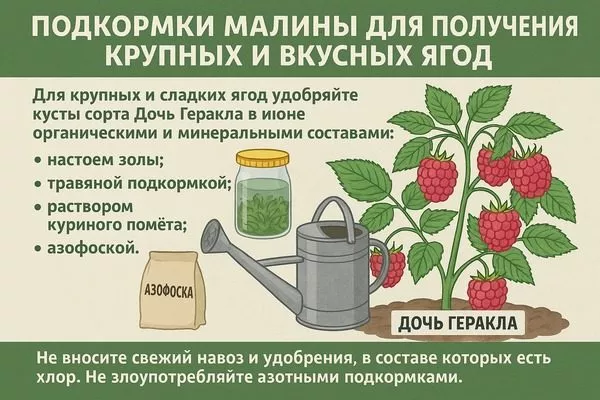
Fertilize the Daughter of Hercules raspberry variety on a warm day during watering.
Loosening and mulching
After each watering, be sure to loosen the soil. This is necessary to ensure sufficient oxygen supply to the roots.
Protection from diseases and pests, preparation for winter
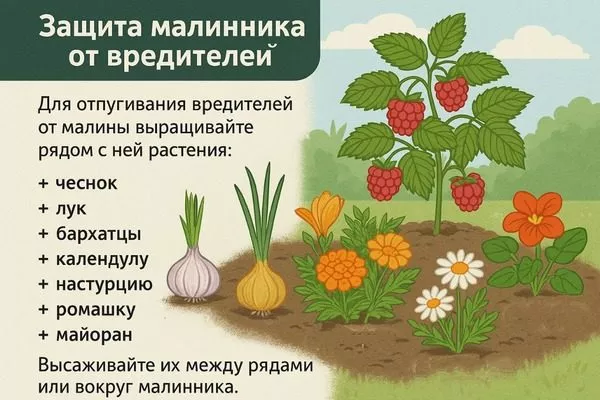
To prevent raspberry diseases and insect infestations, it's important to take preventative measures. These include:
- use of colloidal sulfur – it protects against spider mites;
- reduction of planting density – helps to avoid the invasion of raspberry beetle;
- spraying with Bordeaux mixture – serves as a preventative measure against fungal infections.
Hercules' Daughter is a modern everbearing variety that, with proper care, can produce multiple harvests per season. The quality and quantity of berries directly depend on adherence to proper cultivation practices.
Methods of reproduction
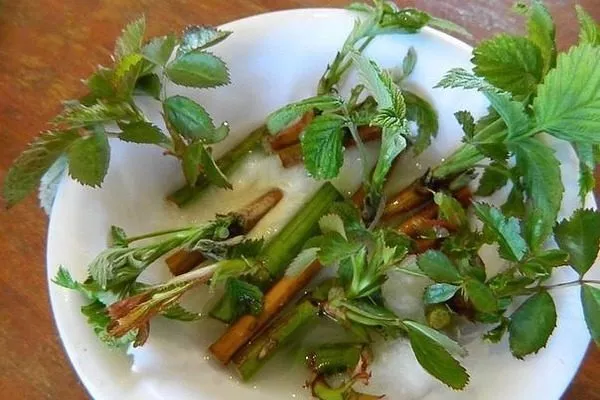
There are two ways to increase the number of raspberry bushes at home: cuttings and root suckers (read more about propagating berry crops Here). Since the annual growth of shoots is usually small, cuttings are often preferred.
Helpful tips:
- For planting material, use cuttings approximately 15 cm long with several living buds, obtained during the current season's bush training. You can also purchase ready-made seedlings from nurseries or specialty stores.
- Give preference to plants with a closed root system, without damage or signs of disease.
- Before planting, soak seedlings or cuttings for 30 minutes in a solution of potassium permanganate, and then leave them in a growth stimulator solution for 24 hours.
- Plant the seedlings in a prepared, fertile soil mixture of peat, humus, sand, and garden soil. The planting depth should be deep enough to allow the plant to stand without support, but the root collar should not be buried. After planting, firm the soil around the plant and moisten it.
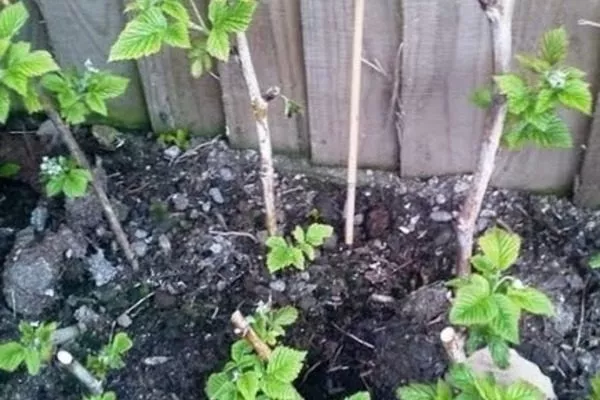
- To ensure rooting of the cuttings, create greenhouse conditions with high humidity – use a plastic bottle or plastic film stretched over the plant.
Ventilate and mist with warm water daily. Water as the soil dries. The appearance of new buds indicates successful rooting.
Pros and cons
The main feature of the Daughter of Hercules hybrid is its excellent taste. In addition, the variety offers several advantages:
This variety is particularly valuable for commercial cultivation, providing a stable harvest for at least two years.
The following are some of the disadvantages:
Some gardeners note a distinct sourness in the taste of raspberries, but this is a subjective drawback, since each person's gastronomic qualities differ individually.
Reviews
The "Daughter of Hercules" raspberry combines ease of care, high yields, and disease resistance. Thanks to its excellent transportability and ability to retain flavor and shape after freezing, this variety is suitable for a variety of purposes. It is a reliable choice for gardeners who value fruit productivity and quality. However, it is important to adhere to basic cultivation practices.