
The Bryanskoye Divo raspberry is a shining example of successful breeding, combining high yields, excellent berry flavor, and excellent adaptability to a variety of climates. Growing this plant is a pleasant and rewarding hobby for any gardener. With proper care, you'll achieve excellent results.

Who developed the variety and when?
At the end of the last century, with the active development and introduction of everbearing varieties, the idea arose to create a variety that would meet virtually all the criteria for an ideal raspberry adapted to the climatic conditions of central Russia. This variety included 30 key characteristics.
In 2001, a breeding station in the Bryansk region developed a remontant raspberry variety called Bryanskoe Divo. This was the result of open pollination of interspecific variety 47-18-4, carried out with the parameters of this model in mind.
Introduction to the variety
This plant attracts both novice and experienced gardeners because it's low-maintenance and requires standard agricultural practices. It's in high demand and boasts attractive characteristics.
Appearance of the bush
It has tall shoots, reaching 1.6-1.75 m in height. Up to 7-8 stems can form on a single bush per season, growing compactly and branching weakly. These characteristics make harvesting easier, and staking is rarely required to protect it from strong winds or heavy rain.
Distinguishing features:
- Annual shoots are initially colored in a pale anthocyanin hue, which becomes more saturated by early autumn.
- The branches are covered with a light waxy coating and sparse soft thorns.
- The lateral shoots, on which paired fruit clusters are mainly located, are devoid of pubescence and thorns.
- The leaves are large, slightly wrinkled and slightly rough to the touch, with a slight pubescence and a whitish tint on the back side.
- During flowering, the bushes are covered with large white inflorescences, which can be used to prepare infusions.
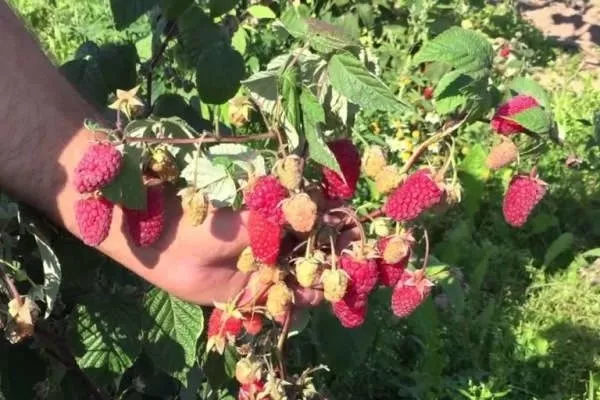
During the fruiting period, the inflorescences on the brushes are hung with large berries of a light crimson color.
Berries and their taste qualities
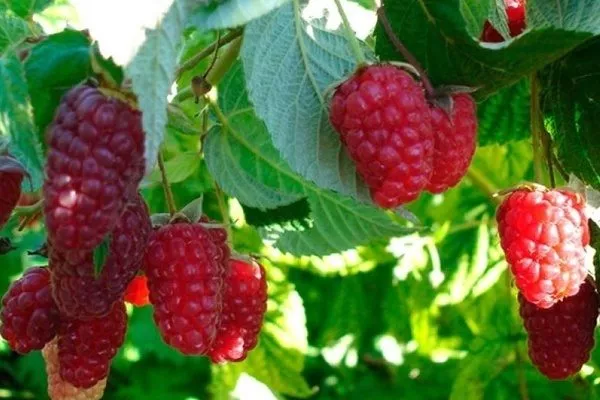
Depending on the location and growing conditions, the hybrid fruits weigh 5-6 g each, although sometimes there are specimens weighing up to 10-11 g. Their characteristics include the following:
- They have an elongated, conical shape with an oval end.
- The length is 3 cm.
- The peel is colored light red.
- There is a slight shine.
- The pulp is very juicy, but dense enough to allow the berries to be stored for several days.
- On shoots, ripe fruits can remain in good condition for about 6 days before harvesting.
- The aroma is pleasant, and the taste is rich, sweet, with a pleasant sourness.
- The berries contain about 5.6% sugars and vitamin C.
Ripening period and yield
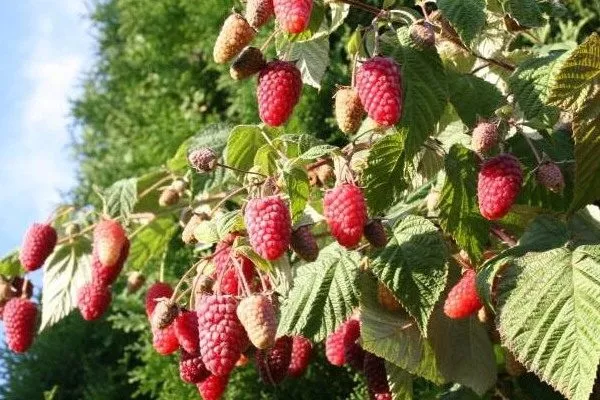
This is a late-ripening variety. The first berries ripen by the end of July, and the last harvest is collected at the onset of autumn frosts. Since fruiting clusters can form at the very base of the shoots, ovaries are sometimes removed to preserve the large size of the fruit and realize the full potential of the crop.
Sustainability indicators
The crop is immune to pests such as raspberry weevils and beetles, as they don't have time to adapt to the development and growth phases. As a result, wormy berries are rare.
Heat and drought tolerance are moderate. In southern regions, drip irrigation is used to maintain soil moisture in raspberry plantations. It is important to mulch the plantings with a variety of organic materials, such as straw, peat, leaves, and decomposing sawdust.
Growing regions
The plant is grown throughout Russia due to its adaptability to a variety of climatic conditions. The main regions where the hybrid is successfully cultivated include:
- Central;
- Northwestern;
- Volga region;
- Ural;
- Western Siberia;
- Southern regions.
This variety is successfully grown in Moscow, Vladimir, Kaluga and other regions of Central Russia.
Location and soil requirements
With the right location for planting raspberry seedlings, the bushes will require minimal care. The plant prefers loose, slightly acidic soil. Best results are achieved when planted in wind-protected, semi-shaded areas.
Care and cultivation
Care is simple, as Bryanskoe Divo is unpretentious if the planting location is chosen correctly and watering is provided during the summer season.
Follow these recommendations:
- Plant raspberries in spring or fall. Fall planting is preferable for everbearing raspberries, as they begin growing early in the spring and risk damaging the emerging buds and roots.
- Plant at a temperature no higher than +11°C to prevent the root system of the seedlings from drying out.
- Choose sunny sites with deep groundwater and loose, fertile, slightly acidic soil. In southern regions, it's best to plant raspberries in partial shade or protect them from the scorching sun on the hottest days.
- Clear the area completely of weeds, especially perennials with creeping roots such as couch grass and nettle.
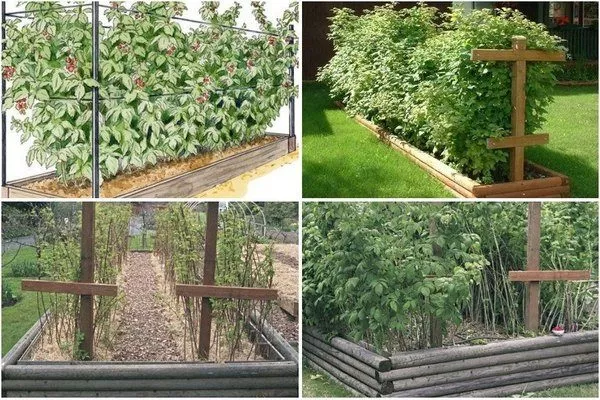
- Plant the bushes in strips, leaving at least 1 meter between them in a row, and 1.5-2 meters between rows for easier maintenance. While supports are not necessary, they promote better ventilation, which helps prevent fungal diseases.
- In spring, leave 4-6 of the strongest shoots; use the rest for propagation or remove them. If you use intensive fertilizer, keep 7-10 shoots.
Frost resistance and preparation for winter
Fruiting ceases with the onset of the first frost, but ripening berries can withstand short-term nighttime temperatures down to -3°C without affecting the process. Therefore, even in the northernmost regions, approximately 70-90% of the harvest is ripened.
However, to ensure maximum yield and health, it is important to properly prepare them for winter:
- After fruiting has finished, trim all shoots back to the root. Avoid leaving stumps, as they can lead to root freeze-out during severe frosts and thaws. Stumps continue to grow during the dormant period, weakening the root system.
- In regions with harsh winters, provide additional cover. Use mulch, straw, or agrotextile. Covering helps protect the root system from sudden temperature fluctuations and severe frosts.
- Mulching the soil around the bushes with a layer of organic material (sawdust, peat, straw) helps retain moisture and protects the roots from freezing. The mulch layer should be thick enough (5-10 cm) to provide reliable protection.
- Before the onset of frost, water thoroughly. This helps plants accumulate the necessary moisture for a successful winter.
- Applying autumn fertilizers containing potassium and phosphorus helps strengthen the root system and increase frost resistance. Avoid using nitrogen fertilizers at this time, as they stimulate foliar growth, which is undesirable before winter.
If the area is exposed to strong winds, install windbreaks or temporary fencing to prevent winter damage to plants.
Diseases and pests
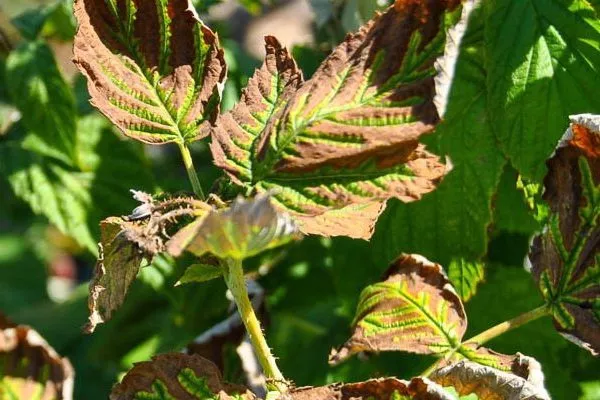
Insects and diseases negatively impact raspberry yield and health. The most common problems and control methods include:
- Powdery mildew. It appears in conditions of high humidity and high temperatures. It is accompanied by a white coating on leaves and shoots. To control it, use fungicides and reduce humidity and ventilation.
- Gray rot. It appears as gray spots on berries and shoots. It can also cause fruit rot. Control involves removing affected parts and using fungicides.
- Anthracnose. It causes dark spots on leaves and fruit, and causes them to rot. To control the pest, use chemicals and maintain good ventilation between plants.
- Mite. It feeds on leaf sap, causing leaves to turn yellow and fall off. To control it, use acaricides and inspect plants regularly.
- Flower beetle. It feeds on flower buds and young fruits, causing crop losses. Insecticides and mechanical removal can be used for control.
To minimize the risk of disease and pests, monitor the condition of shoots and fruits, maintain optimal growing conditions, and regularly apply preventative treatments. Practice crop rotation and avoid replanting in the same area for several years in a row.
Reproduction
There are several ways to increase the number of seedlings in your plot. Choose the most appropriate propagation method:
- Cuttings. One of the most common methods. To do this, cut healthy, mature shoots in early summer (usually June or July) and plant them in prepared beds with moist soil. After rooting, transplant the cuttings to their permanent growing location.
- By dividing the bush. This method is suitable for mature plants. Divide the plant into several sections using a shovel or sharp pruning shears. Each section should have a well-developed root system and a couple of shoots. Transplant the divided sections to new locations.
- By shoots. Bryanskoe Divo produces numerous lateral shoots, which can be used for propagation. Press the branches touching the ground and bury them slightly to encourage new roots to form. Once the shoots have rooted, separate them from the mother plant and transplant them to a new location.
- Seeds. This method is less common because it doesn't preserve the raspberry's varietal characteristics. However, the seeds can be used to create new hybrids or for growing as ornamentals.
When choosing a propagation method, pay attention to the quality of the material and provide optimal conditions for rooting or engraftment of plants.
Advantages and disadvantages
The young but promising Bryanskoye Divo raspberry is gaining popularity thanks to its positive qualities. It boasts numerous advantages:
Negative qualities include the appearance of a sour taste when the bush is planted in the shade.
Review of reviews
The Bryanskoye Divo raspberry boasts numerous varietal characteristics, making it an ideal choice for gardeners in various regions. It tolerates short-term frosts well and is disease-resistant. With proper care, it will grow a plant with a strong immune system and a good yield.