
Bryanskaya raspberry is one of the most beloved and sought-after varieties among both novice and experienced gardeners. It boasts high yields, early ripening, and large, tasty berries. It's important to learn its key characteristics, growing methods, care, and disease control.

History of the variety
This dessert raspberry variety was developed at the Kokinsky Research Center of the All-Russian Institute of Horticulture and Nursery. It was developed by I.V. Kazakov. Bryansk raspberry was created by crossing the Kostinbrodskaya and Novost Kuzmina varieties.
Description of the variety
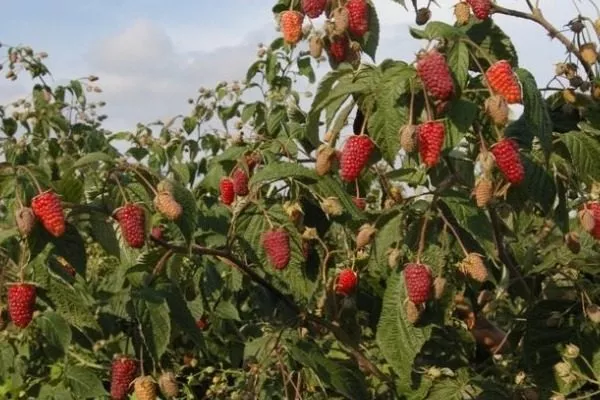
During the selection process, the Bryanskaya raspberry inherited all the positive qualities of both parents. The variety demonstrated high resistance to various diseases.
External characteristics of the bush and berries, their taste
The shrub is distinguished by its vigorous and compact appearance. Plant heights range from 120 to 140 cm. Distinguishing features of the Bryanskaya variety include:
- Escapes – straight, geniculate, well branched and have drooping tops.
- Leaves - Medium-sized, green, and wrinkled. The branches have few thorns.
- Fruits – Ruby-colored, they have a blunt-conical or round-conical shape. They are large, weighing about 3 g each.
- Pulp – tender, aromatic and with a pleasant taste.
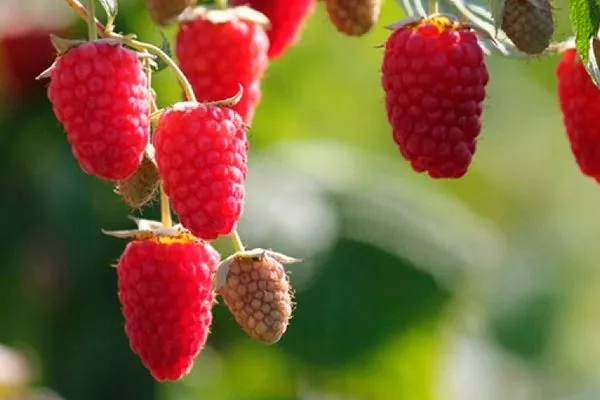
When ripe, the yield
It is distinguished by its early ripening. The first fruits begin to appear in late June or early July, making it one of the earliest raspberry varieties. This variety is characterized by high yields, reaching 50-80 centners per hectare.
Secrets of planting
This crop doesn't have any special planting requirements, following the general principles typical for it, but with some differences in soil preparation. Follow these recommendations:
- Plant seedlings in the spring, in late April or early May, or in the fall. If planting in the fall, complete the work 4-6 weeks before the expected frost to allow the seedlings time to take root but not to produce shoots, which may cause them to die during the winter frosts. The optimal time is late September or early October.
- Choose a sunny location protected from strong winds. The soil should be fertile, loose, and moderately acidic. The plant does not grow well in heavy clay, sandy, or waterlogged soils and will not produce high yields.
- Do not plant the crop in areas with stagnant melt and rainwater, along blind fences and walls, or under fruit trees.
- Raspberries should be planted at least 3-4 meters away from trees and shrubs to ensure they receive sufficient nutrients and sunlight. In the shade, berries lose flavor, become small and sour, and the varietal quality deteriorates.
- Soil preparation depends on the time of planting. A month or a month and a half before spring planting, prepare nutritious and fertile soil, providing the plant with the necessary mineral and organic elements.
Mix 10 kg of humus, 50 g of potassium sulfate, 400 g of wood ash, and 80-100 g of superphosphate. Leave the soil mixture for 1 month. Dig over the area, remove roots and weeds. Plant seedlings in rows in trenches or spot-plant. - The depth and width of the trenches should be 50 cm. Mix the fertile soil layer with the prepared substrate.
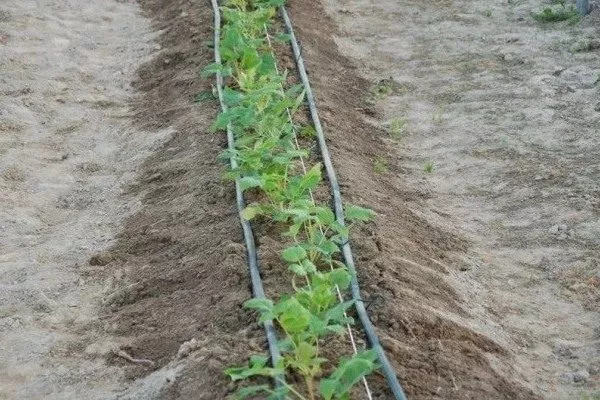
Further care of the crop
After planting, raspberries require proper care. Key steps include:
- Watering. Water the plant as the top layer of soil dries out. Watering should be moderate and regular. On hot days, water 1-2 times a week. During fruit formation and ripening, double the frequency and volume of watering.
- Weeding. Weed raspberries regularly, preferably by hand, to avoid damaging tender shoots in spring and flowers in summer. Remove any weeds immediately to prevent fungal diseases.
- Mulching. The plant responds well to mulching, which helps retain soil moisture, reduce weeds, and enrich the soil with nutrients. Use shredded tree bark, straw, or peat moss for mulch.
- Top dressing. Apply fertilizer starting 2-3 years after planting. Use nitrogen and complex fertilizers in the spring, and phosphorus-potassium fertilizers during the fruiting period and in the fall.
- Garter. To preserve the harvest and make care easier in the spring, tie young shoots to a trellis.
- Preparing for winter. Clear the raspberry patch of debris and fertilize if needed. Water it before winter and renew the mulch layer. Tie the shoots into bundles and bend them to the ground.
In the southern and central regions, raspberries don't require shelter. In areas with harsh winters, covering is essential.
Pruning rules
To ensure large, delicious berries every season, prevent bushes from becoming too dense by regularly pruning. Follow these recommendations:
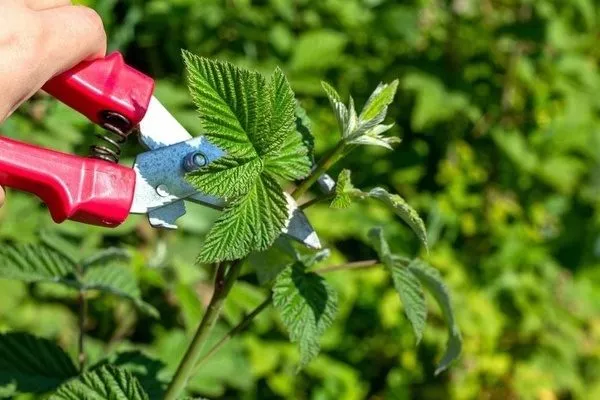
- Spring pruning. Cut the main stem back by 10-15 cm to encourage the growth of lateral shoots on which buds will form.
- Autumn pruning. Before winter, remove all shoots, leaving “stumps” 10-20 cm high.
Perform seasonal sanitary pruning: remove lower and lateral shoots throughout the season, maintaining the optimal structure of the plant.
Raspberry propagation
Even with just a few Bryanskaya raspberry bushes, you can significantly expand your raspberry patch by propagating the plants in several ways. These methods are effective and require no special skills:
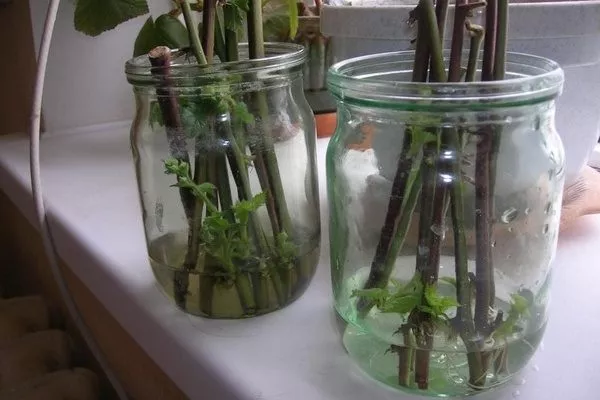
- Cuttings. In summer, when young shoots appear, cut them off and take 10-15 cm long cuttings. Bury the cuttings in water or sand. After rooting, plant the cuttings in open ground or a greenhouse.
- Dividing the bush. If shoots appear under the plant, don't dig them up, but use them for propagation. Separate the shoot, along with a portion of the rhizome, from the main plant and transplant it into a separate planting hole. The best time to do this is late summer to early fall.
Choose the most optimal method for increasing the number of seedlings on your plot. This will ensure you obtain planting material that maintains the varietal characteristics.
Raspberry diseases
The plant isn't particularly susceptible to disease, but occasionally, most often due to care errors, it can be affected by fungal diseases. These include:
- Powdery mildew. It appears as a white coating on the leaves. It usually occurs when the bush becomes overgrown, there's insufficient pruning, and there's poor ventilation.
- Gray rot. The leaf blades become covered with grey, growing spots.
- Anthracnose. Brown spots affect leaves and stems, which can lead to the death of the entire bush.
To combat fungal diseases, carry out timely sanitary pruning, remove affected shoots and branches, and treat plants with a solution of Bordeaux mixture or Topaz or Fitosporin.
Advantages and disadvantages
This crop is popular among gardeners due to its impressive yield. It requires little care; following basic guidelines is sufficient to reap a bountiful harvest of delicious, beautiful, and nutritious fruit each year.
Reviews
The Bryanskaya raspberry is a high-yielding, early-ripening variety with large, tasty berries that requires little care. It boasts good pest resistance and is rarely susceptible to disease, but preventative measures boost immunity. For best results, it's important to follow basic farming practices.