
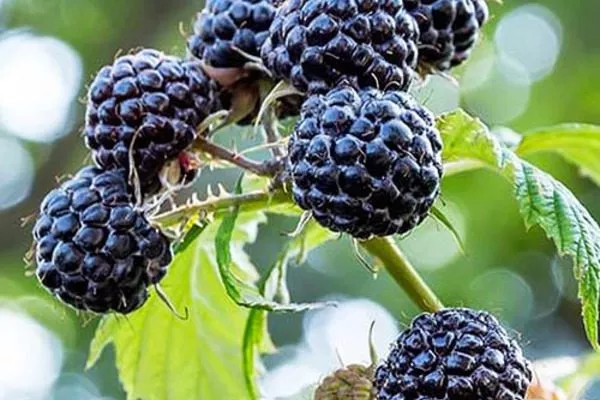
Bristol raspberry is an overseas black-fruited variety that inexperienced gardeners can easily confuse with blackberries. This unusual raspberry is considered one of the most striking and promising dark-fruited raspberries.
The history of the Bristol raspberry variety
The Bristol variety is native to North America, where it was developed in the early 20th century. The first Bristol raspberry bushes are believed to have been grown in 1934. Its creators were breeders at the Geneva Garden Station in New York.
Description of the plant
The Bristol raspberry plant is vigorous, compact, and upright, with strong, branched shoots reaching 2-3 meters in height. The branches are evenly covered with thorns. The root system is robust and does not actively produce suckers.
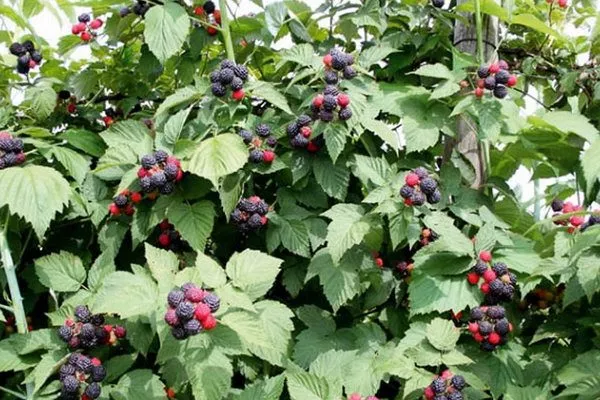
The branches are spreading, with their tops bent toward the ground. The leaves are dark green, medium-sized, and corrugated. Flowers are collected in clusters of 5-10.
Berries and their taste
Bristol raspberry fruits are large, black with a grayish bloom. The fruit is round in shape, weighing between 3 and 5 grams per berry. They have a dense texture and a pleasant shine.
Characteristics
The Bristol raspberry is an early-ripening variety. It is easy to grow, disease-resistant, and produces a high yield—up to 5 kg per bush. It is a remontant variety and boasts a long fruiting period.
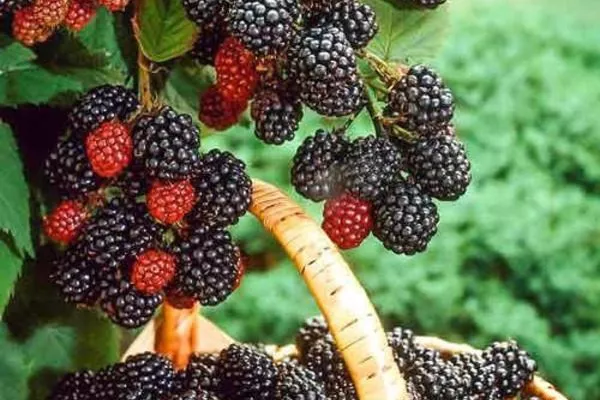
The first berries ripen in early July and are harvested until the cold weather sets in. The Bristol variety is highly drought-resistant. It is also quite winter-hardy, able to withstand temperatures as low as -29°C.
Pros and cons
Before planting this unusual (black-fruited) raspberry in your garden, it's worth familiarizing yourself with all its advantages. Along with these benefits, it's also important to evaluate its disadvantages—this will help you determine how suitable the variety is for your climate zone.
Pros:
Minus:
Site requirements
Bristol raspberries don't have any particular growing requirements; they're hardy and can thrive in almost any environment. However, to ensure a good harvest, the plant needs at least the bare minimum conditions.
Bristol raspberries should be planted in open, sunny areas, preferably on the south side of the garden. The soil should be loose, with minimal clay content and low acidity. The area should be free of standing water.
Recommended neighborhood
Black raspberries can grow near red raspberries, but they shouldn't be near blackberries. Grains and legumes are also considered good neighbors for the Bristol variety.
Soil preparation
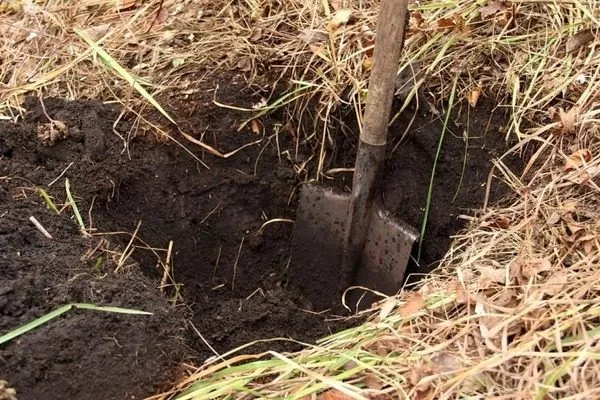
The soil is dug over beforehand, adding organic matter and other components aimed at adjusting acidity or improving soil structure. After applying the fertilizer, the soil is left to rest for at least two weeks.
Acidic soils are deacidified with wood ash or dolomite flour. Sand is added to loosen overly heavy soils. Ideal organic matter includes humus, compost, and well-rotted manure.
- ✓ Seedlings must have at least 3 healthy shoots.
- ✓ The root system must be well developed, without signs of rot.
Planting diagram
The intervals between adjacent seedlings are 0.8 m. The width between rows is 2 m. The depth of the holes is 0.5-0.8 m, the diameter is 0.5 m. The seedlings are carefully placed in the prepared holes, the soil is gently tamped down, and then watered with settled water.
Caring for raspberries
To achieve consistent and abundant harvests, Bristol raspberries require regular care. All cultivation techniques are standard and don't require any special effort or skills from the gardener.
Caring for Bristol raspberries involves:
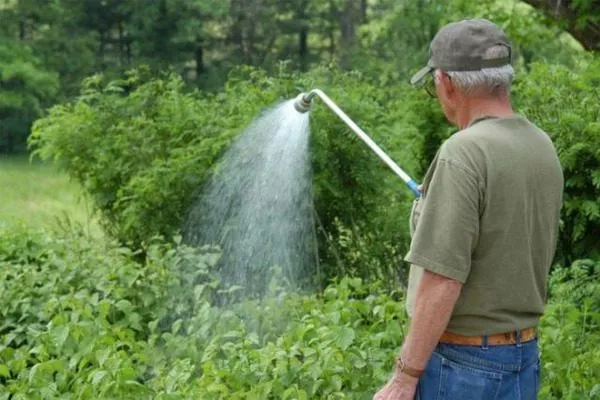
- Watering. This variety isn't particularly demanding in terms of watering frequency. The key is to maintain a balance, avoiding either drying out the soil or allowing water to stagnate. Watering is most important after flowering. The recommended watering rate is 20 to 40 liters per plant.
- Trimming. Bristol raspberry shoots grow quickly and need to be pruned and tied to trellises promptly. In the spring, perform sanitary pruning, removing all frozen and damaged shoots. In late June or early July, young one-year-old branches are shortened by a quarter to ensure they can bear fruit the following year.
The final pruning is done in the fall, before frost sets in. All old branches are removed, down to the roots. Healthy young vines are shortened to 2 m. - Top dressing. Fertilizer is essential for a good harvest. Apply it according to the standard schedule. In the spring, when the buds are swelling, apply superphosphate, potassium salts, and nitrogen fertilizers.
In summer, foliar feeding with microelements is more common; these stimulate ovary formation and accelerate berry ripening. In the pre-winter period, fertilizers are applied to help plants prepare for winter, including slurry, saltpeter, and urea. - Loosening and weeding. After watering and rain, the beds are loosened, but not too deeply, so as not to damage the surface roots. Weeding is carried out simultaneously with loosening.
Do I need to cover it for the winter?
In regions with severe frosts, Bristol raspberries require protection, as temperatures below -29°C will be fatal. In the south, raspberries don't even need to be removed from their trellises; simply cover the roots with humus, peat, or some suitable mulch.
In the north, raspberries are covered until the first frost. The branches are removed from the trellises, twisted, tied with twine, and covered with mulch. Alternatively, they can simply be covered with spruce branches. Sawdust should not be used, as it absorbs too much moisture. A layer of agrofibre or other covering material is placed on top of the mulch.
Disease and pest control
Bristol raspberries have a fairly strong immune system, but under unfavorable conditions, they can be susceptible to various fungal infections. Specifically, they can become susceptible to powdery mildew, gray mold, purple spot, and anthracnose.
- ✓ Leaves are dark green, without spots or curls.
- ✓ Shoots are strong, without signs of disease.
To combat diseases, popular fungicides and preventative measures are used: regularly pruning bushes, spraying them preventatively, for example, with Fitosporin, removing plant debris, etc.
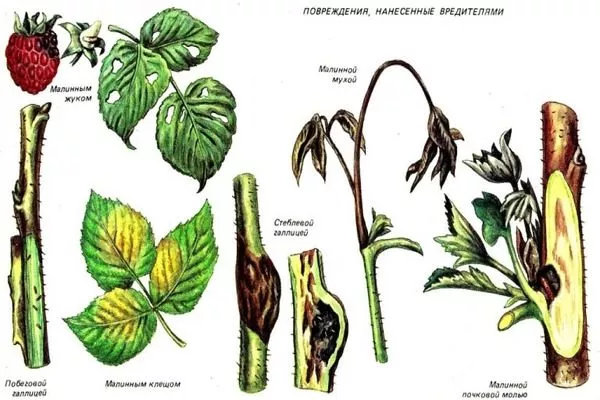
Among insect pests, the most dangerous to raspberries are cutworms, raspberry beetles, clouded loopers, sawflies, raspberry flies, flea beetles, weevils, and spider mites. Fufanon, Fitoverm, Actellic, and other insecticides are used to control them.
Reproduction
The Bristol variety does not produce root suckers, so layering is used for propagation. At the end of summer, the shoots are bent to the ground and secured in shallow trenches. They are covered with soil, and the top, bent upward, is tied vertically to a small support.
Harvesting
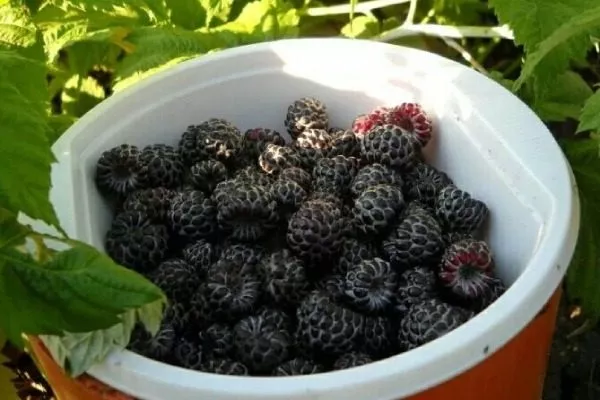
The ripeness of the berries is determined by their color. Ripe berries are easily separated from the stems; the main thing is not to crush them during picking. If the weather is good, raspberries are picked every 2-3 days. In hot or rainy weather, picking must be done daily.
It's not recommended to pick raspberries in the morning while there's dew, or immediately after rain. Picking wet berries is only recommended if you plan to use them immediately—eat or process them.
Reviews
Bristol raspberries will appeal to gardeners who enjoy unusual varieties and don't believe raspberries have to be exclusively red. This black-fruited variety will add variety to your garden, providing large, flavorful berries, and is also easy to care for—it's easy to maintain, virtually no different from the cultivation techniques for red varieties.