
The raspberry with the foreign name Black Jewel, known abroad as Black Jewel, is considered an unusual variety. This is due to the black color of its fruits, similar to blackberries. However, it is not a blackberry and is not even part of the blackberry group. This innovative raspberry can bear fruit abundantly for a decade, after which the bushes need to be rejuvenated or replanted.
Who is the originator?
This new variety was developed by researchers at Cornell University in New York State. It is the result of a cross between Dundee and NY 29773. It combines the advantages of its parent varieties, boasts excellent commercial and flavor characteristics, has few negative aspects, and is in demand both in Western countries and in our country.
General idea of the variety
Before planting bushes in your garden, it's worth familiarizing yourself with the characteristics of the plant and its berries. This will help you determine whether the variety is suitable for your growing conditions and whether it will meet your harvest expectations.
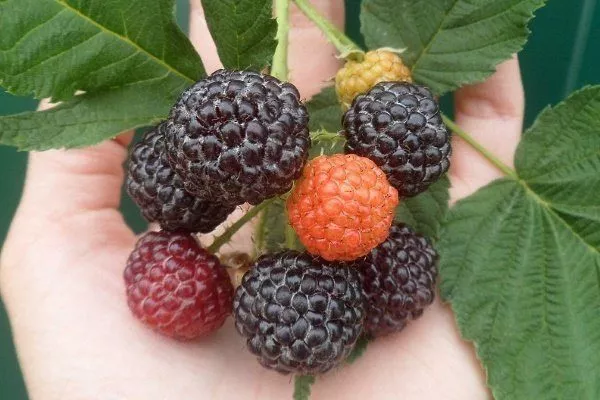
Berries
The bush produces medium-sized fruits, weighing a minimum of 2.5 g and a maximum of 5 g. The variety also has other varietal characteristics:
- the shape is round and slightly conical, with smooth outlines;
- the color is exclusively black, but there is a bluish tint on the surface;
- shine is noticeable under the sun's rays;
- the pulp is dense, with a delicate structure and juicy consistency;
- the aroma is pronounced;
- the taste is sweet and fruity, and the sourness is almost not felt;
- There are about 14-15 berries in one brush, and there are many clusters on the branches.
Bush
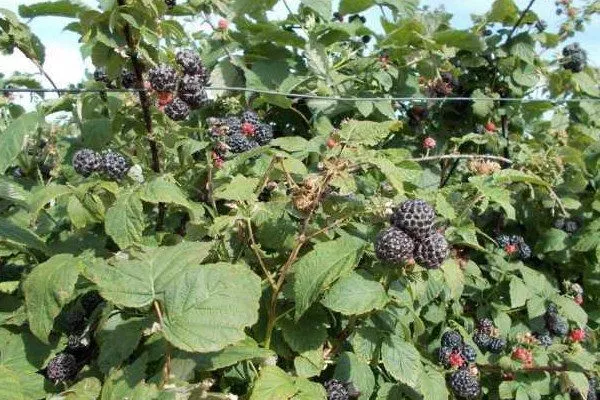
The bush is considered upright, with shoots that grow rapidly. The variety can be identified by other characteristics as well:
- the height of the bush varies from 100 to 250 cm, depending on the pruning method and climatic conditions;
- the shoots are quite strong, have multiple lateral branches intended for fruiting;
- at a young age, the stems are flexible and green, with a whitish coating on the surface of the bark;
- as they mature (from the second year of life), the shoots become woody and acquire a brown tint;
- the thorns are medium, the spines are slightly twisted downwards;
- the foliage is rich green, large and trifoliate;
- the surface of the leaf blades is smooth on the outside and slightly pubescent on the inside;
- peduncles consist of 13-15 buds;
- the number of inflorescences on one branch varies from 20 to 25 pieces.
Characteristic
Black Jewel's distinctive fruit appearance attracts the attention of gardeners. Its popularity, however, is primarily due to its high productivity.
When the berries ripen, what kind of harvest does it produce?
This mid-season variety begins producing berries in late summer. They continue to ripen until the first frosts of autumn. The average yield per mature plant is approximately 1-1.1 kg.
Frost resistance
One of the variety's main advantages is its high frost resistance. Black Jewel raspberries can tolerate temperatures down to -35°C without winter protection, but in colder regions, protective measures are advisable, particularly if the winter is particularly harsh and snowless.
Disease resistance
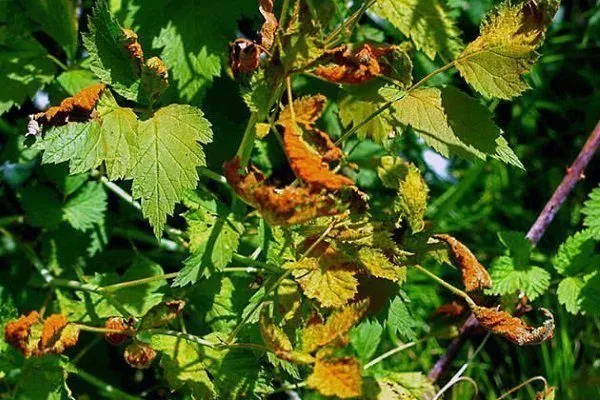
It has moderate disease resistance. The honeycomb is resistant to many pests and anthracnose, but is susceptible to verticillium wilt and powdery mildew. These problems often occur in acidic soils, so caution should be exercised when using nitrogen fertilizers when caring for raspberries.
What are the advantages and disadvantages?
Black Jewel is ideally suited for cultivation in temperate climates and harsher climates. This variety copes well with adverse weather conditions and requires little attention, making it suitable for beginning gardeners.
Other positive aspects:
Flaws:
Basics of Growing Black Jewel Raspberries
To successfully plant Black Jewel, you need to choose the right time: this could be early spring, when the weather warms up, or the first few weeks of autumn before the cold weather sets in. The ideal location for a raspberry patch is open but sheltered from gusts of wind, with sandy or loamy soil.
Landing rules
Thirty to forty days before planting, dig up the area for the raspberry bushes and prepare holes 45-55 cm deep. Fill one-third of the hole with a mixture of equal parts humus and garden soil, add mineral fertilizers, and 150-200 g of wood ash.
The process of planting raspberries includes the following steps:
- Soak the root system in water for 24 hours. To speed up rooting, you can add any growth stimulant according to the instructions.
- Carefully place the seedling into the prepared hole.
- Spread and distribute the root shoots around the earthen mound.
- Fill the hole to the top with the remaining substrate and moisten the raspberries with 10-12 liters of water.
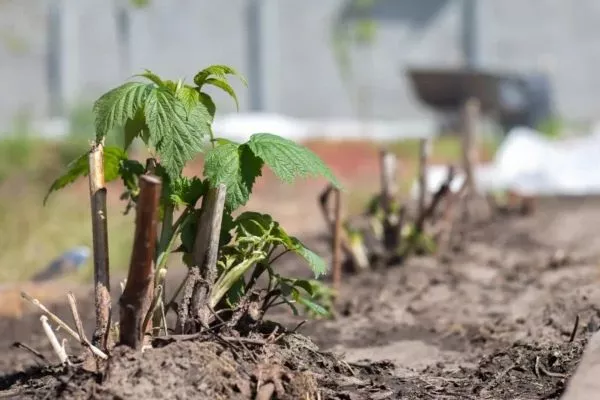
After planting, mulch the tree trunk area to slow down the evaporation of moisture from the soil.
What to do next?
Caring for black raspberries is standard, but there are some varietal requirements that are important to consider:
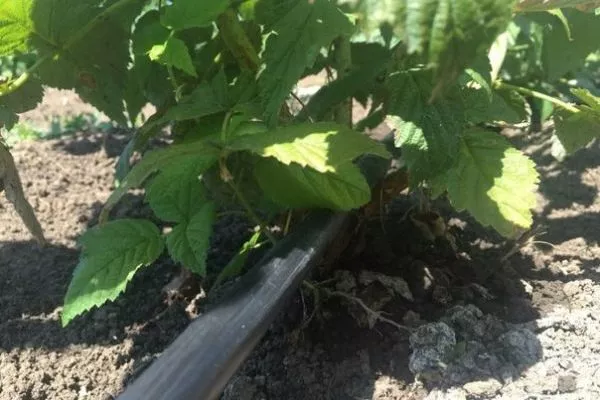
- Moisturizing. Under normal weather conditions, watering the bushes once a week is sufficient. During the first year and during summer periods when moisture is scarce, especially during fruit ripening, raspberries require additional watering. If there is no rain, water twice a week, using 30-45 liters of water per bush.
- Fertilizer. For optimal raspberry growth, fertilize the soil three times a year: immediately after the soil warms up, after flowering, and after harvesting. Apply nitrogen fertilizers in the spring, and add phosphorus and potassium in the summer and fall.
- Fluffing. To ensure adequate oxygenation of the raspberry root system, gently loosen the soil after each rain or watering. At the same time, remove weeds that compete with the bush for water and nutrients.
- Trimming. To ensure a good harvest and protect against fungal pathogens, prune regularly. In the second year of the shrub's life, remove shoots to promote the formation of lateral branches. In the fall, cut them back to 1 m in height.
- Winter precautions. Despite the variety's good frost resistance, it is recommended to cover its shoots before winter by laying them on the ground and protecting them with spruce branches or non-woven fabrics. Before doing this, carefully inspect the entire plant and prune off any unsuitable or diseased branches.
Reproduction
To replenish your raspberry patch, you can use two propagation methods. Here's what you can do:
- Divide the bushes. Select a bush that's more than 4-5 years old and carefully remove it from the soil. Then, using a sharp tool, divide it along the root system. Leave several viable shoots on each section of the bush. Immediately transplant the new seedlings into the prepared holes, carefully bury them, and water them.
- Use cuttings. Select one of the lower raspberry lateral shoots, press it down to the ground, trim the top by 4-6 cm, remove the leaf blades, and cover the branch with a layer of soil. To prevent it from returning to its original position, secure the shoot with staples.
Water intensively throughout the summer, and with the onset of next spring, separate the new plant from the main bush.
How to prevent diseases and insect infestations?
Jewel Black may be susceptible to fungal infections, but the likelihood of these can be minimized by taking preventative measures. To ensure the plant's health and strong immunity, follow these steps:
- from spring to autumn, regularly carry out treatment with Bordeaux mixture at intervals of 3 weeks;
- ensure optimal soil moisture, avoiding water stagnation and overdrying;
- monitor the soil acidity level and avoid applying excess nitrogen;
- periodically thin out the bushes to prevent them from becoming overcrowded.
Gardener reviews of Black Jewel raspberries
The Black Jewel variety stands out for its flavor and ease of care. Growing it requires little attention, just ensuring the bush receives the necessary moisture and nutrients. This raspberry is versatile, suitable for both private plots and large-scale commercial plantations.