
Gooseberries are widely represented by dessert and industrial varieties. Some berries are delicious fresh, while others are best processed. Along with the old, tried-and-true varieties, many new ones are available today. Sweet, thornless varieties resistant to powdery mildew are especially popular.
The sweetest varieties
Many gardeners value gooseberries most for their sweetness. Sweet gooseberries are delicious fresh and are great for preserves and desserts. Sweet gooseberry varieties come in a variety of colors and ripening times.
| Name | Ripening period | Yield, kg/bush | Disease resistance |
|---|---|---|---|
| White Nights | early ripening | 4.5-6.2 | resistant to powdery mildew |
| Pink 2 | early ripening | 1.8-6 | resistant to powdery mildew |
| Candy | late-ripening | 2-6 | resistant to powdery mildew |
| Lefort seedling | mid-season | 2-3.7 | resistant to powdery mildew |
| Cooperator | mid-late | 3.7-6.9 | resistant to powdery mildew |
| Belarusian sugar | mid-season | 13-19 | resistant to powdery mildew |
| Russian yellow | mid-season | 4 | resistant to powdery mildew |
| Sirius | mid-late | 4-7 | resistant to powdery mildew |
| Beryl | mid-season | 3-10 | resistant to powdery mildew |
| Chernomor | mid-late | 3-4 | resistant to powdery mildew |
White Nights
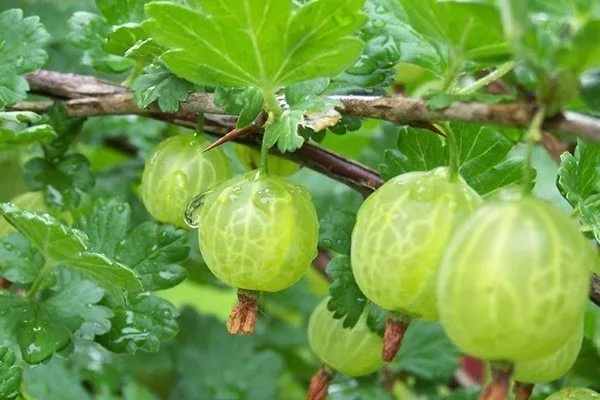
This variety belongs to the early-ripening group. It is grown primarily in the northwestern regions. The plant is spreading, compact, and of moderate height, with straight branches. The thorns are large and sharp, up to 1.2 cm long. The fruits are small to medium in size. The shape is round to round-oval. The color is light green. The berry weighs 1.5-3 g, with a maximum weight of 4 g. The sides facing the sun acquire a yellowish tint. There are numerous seeds – approximately 20 per fruit.
This variety produces fruit reliably in sunny areas with fertile soil. It does not tolerate excess moisture or cold. The berries have a good flavor—something experts call "dessert-like." The flavor has been rated highly on a 5-point tasting scale, with a 4.5. It is cold-resistant and resistant to powdery mildew. The yield per bush is 4.5-6.2 kg. The variety is self-fertile. It is suitable for general-purpose growing. Its drawbacks include thorns and small fruits.
Pink 2
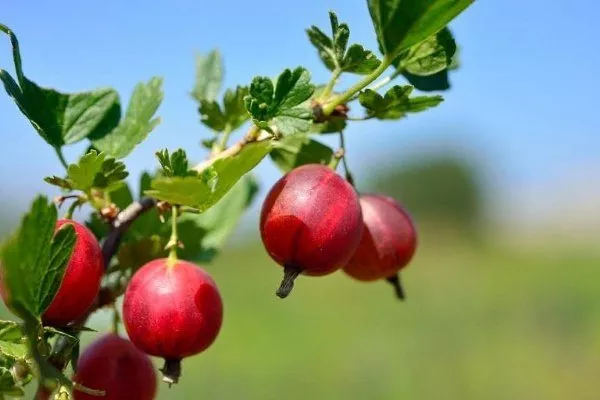
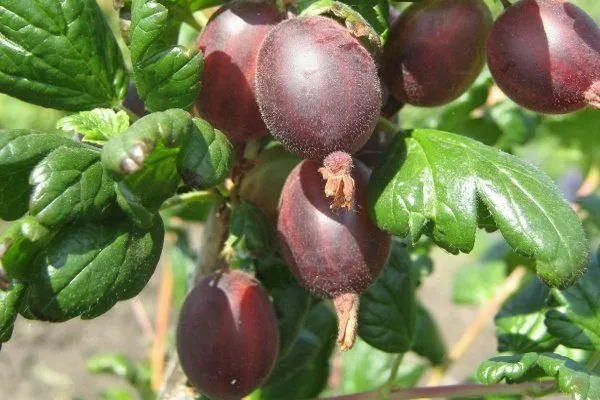
This famous variety with dark-red berries ripens early. It has been listed in the State Register since 1971. The plant is semi-spreading, with medium-sized thorns on the shoots. The average fruit weight is 5-7 g. The color is dark red, with a slight waxy coating. The berries are pubescent.
A drought- and frost-resistant variety. Yield depends on growing conditions. A single bush yields between 1.8 and 6 kg. Self-fertile, resistant to powdery mildew and other gooseberry diseases. It transports well—the berries don't get crushed. Disease-resistant.
Candy
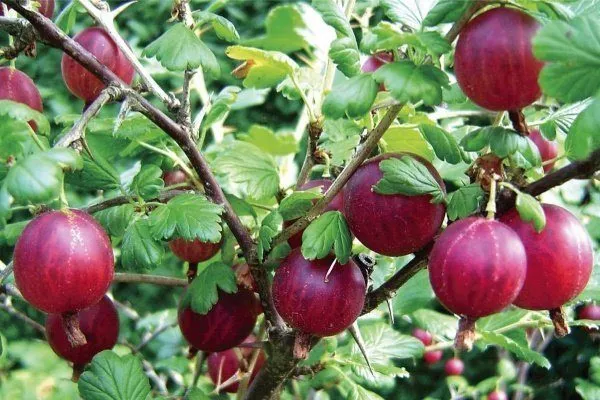
A late-ripening variety, ideal for Eastern Siberia. It has been included in the State Register since 2008. It's no coincidence that this variety earned its delicious name: the "Konfetny" gooseberry is one of the sweetest varieties. Berries weigh 3 g, with a maximum weight of 6 g. The pink coloring and thin-skinned fruits are uniform in size, oval, and lightly pubescent.
This high-yielding variety produces up to 6.5 kg of berries on a single bush. The plants are dense and medium-height. Fruiting begins in the second year after planting. The berries are versatile – they are suitable for compotes, jams, marmalade, pastilles, and wine. A key advantage of this variety is that the berries can be eaten at varying stages of ripeness. The yield per bush is 2-6 kg. The berries have a distinct dessert flavor and have received the highest tasting score. This variety is frost-hardy and resistant to the main enemies of gooseberries: powdery mildew and anthracnose. There is only one problem: septoria leaf spot.
At the beginning of the last century, all gooseberry plantations were destroyed by powdery mildew. Since then, breeders have developed numerous varieties resistant to this scourge, but the berry has never regained its former popularity.
Lefort seedling
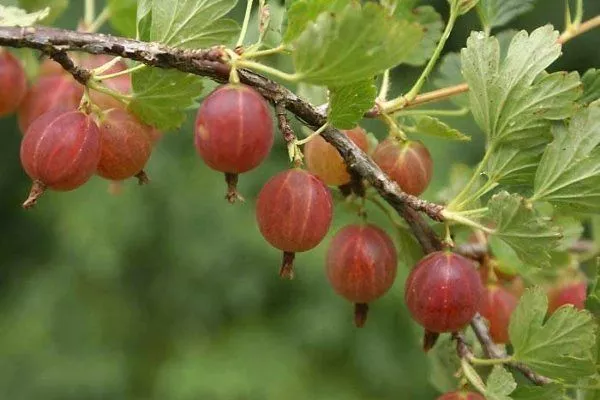
A variety with sweet berries and spiny shoots. Cultivated for over half a century, it has been included in the State Register since 1959. Vigorous plants, spreading and dense. The shoots bend slightly downward, and the thorns are medium thick. The berries are round-oval or obovate, smooth-surfaced, reddish-purple, and thick-skinned. The flesh is dense. The average berry weight is 7 g.
The fruits have a dessert-like flavor and are versatile—delicious fresh and excellent for processing. This winter-hardy variety is cultivated in northern regions and withstands extreme temperatures. The yield per bush ranges from 2 to 3.7 kg.
Cooperator
A mid-late, self-fertile gooseberry developed by Ural breeders. Added to the State Register in 1999, it is zoned for the Ural region. The bushes are medium-sized and gently spreading. The shoots have few thorns, located at the base. The fruits are large, pear-shaped, thin-skinned, weighing 3.1-7.6 g. The color is dark red, almost black. The skin is medium-thick or thin, without pubescence. The number of seeds is average.
It is highly drought-resistant and heat-tolerant. The berries have a dessert-like flavor, receiving a tasting score of 4.8. One bush yields 3.7-6.9 kg. The variety is winter-hardy and resistant to powdery mildew, anthracnose, and sawflies. It is resistant to septoria leaf spot. The flavor is sweet, but with a distinct tartness.
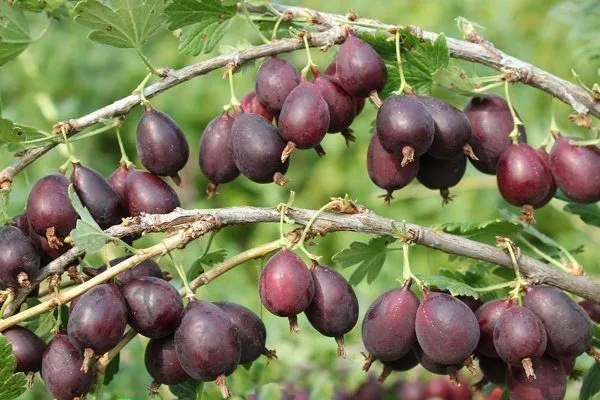
Belarusian sugar
Gooseberry of Belarusian selection. The plant is compact, not particularly spreading, and tall. It has medium-sized spines. The fruits are large, weighing 4-8.5 g. The shape is round-oval, the skin is glabrous. The color is greenish-white.
A highly self-fertile variety. Pros: frost tolerance, productivity, and fungal resistance. Relative resistance to powdery mildew. Fruiting period: 13-19 years. Berries with a dessert flavor.
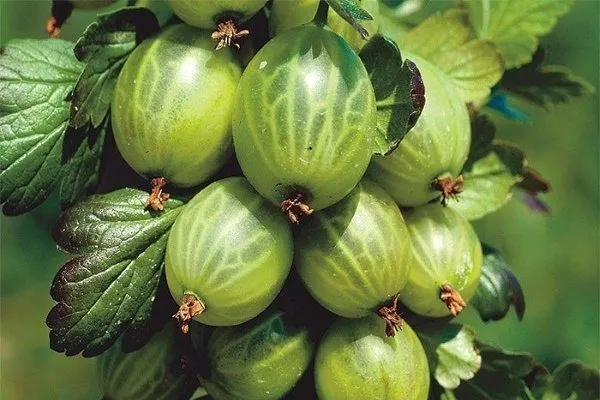
Gooseberries contain a lot of pectin, which enhances the body's ability to resist adverse environmental conditions and removes waste and toxins.
Russian yellow
A mid-season, self-fertile variety, entered into the State Register in 1974. It was developed from the "Russkiy" variety, a mutant of which it is a descendant. The plant is medium-height and spreading. The flesh is much more tender than that of the "Russkiy" variety, which is the progenitor of the "Russkiy Zhelty" variety. The fruit color is amber, yellow-green, and weighs 6-8 g. The shape is rounded-elongated, elliptical, and lacks pubescence, but has a waxy coating.
The fruits do not fall off, do not burst, and are not damaged during transportation. They are eaten fresh and used to make a variety of wines and fruit drinks. Up to 4 kg of berries can be harvested from a single plant. The tasting score is 4 points. The flavor is standard. It tolerates cold and dry periods without damage. The presentation is excellent. A drawback is the spreading nature of the bushes.
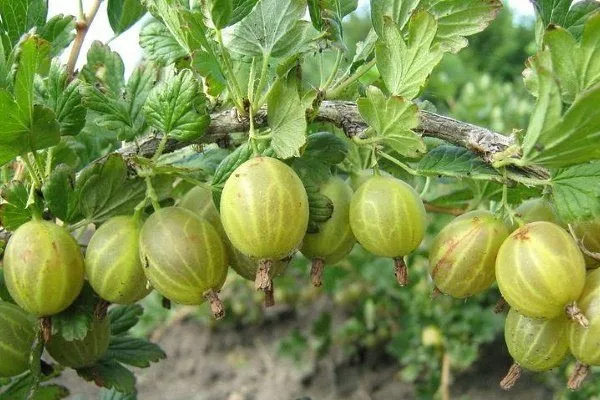
Sirius
A mid-late variety, added to the State Register in 1994 for cultivation in the Central Black Earth Region. The bushes are taller than average but compact. The shoots are pubescent and have minimal thorns. The fruits are small, weighing up to 3.6 g. They are uneven in size and spherical. The color is dark red. The tasting scale score is 4-4.4 points.
The berries are suitable for all purposes and have a pleasant sweetness. One bush produces 4 to 7 kg of berries. Advantages include winter hardiness and virtually immunity to powdery mildew.
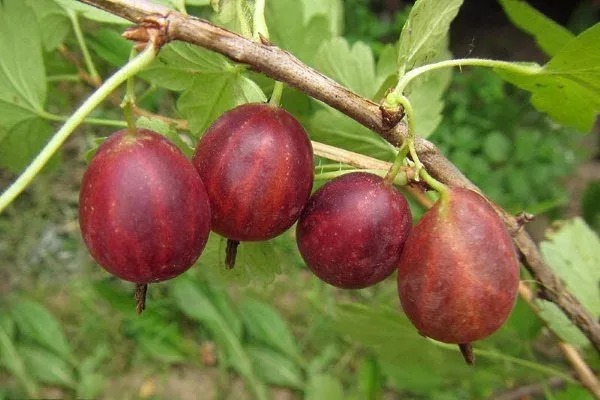
Beryl
A mid-season, self-fertile variety bred for the West Siberian region. The shoots are covered with thorns. The fruits are light green, round, and large, weighing an average of 6 g, with a maximum of 9 g.
The berries are sweet but with a slightly tart flavor, close to dessert. They withstand long-distance shipping well. A bush produces berries ranging from 3 to 10 kg. A drawback is that they are susceptible to septoria leaf spot.
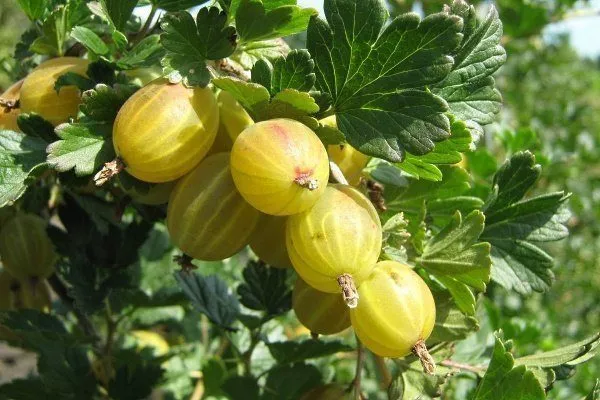
100 grams of gooseberries contain 44 kcal. The healthiest gooseberries are green ones. It is said that eating them straight from the bush can help counteract the effects of radiation.
Chernomor
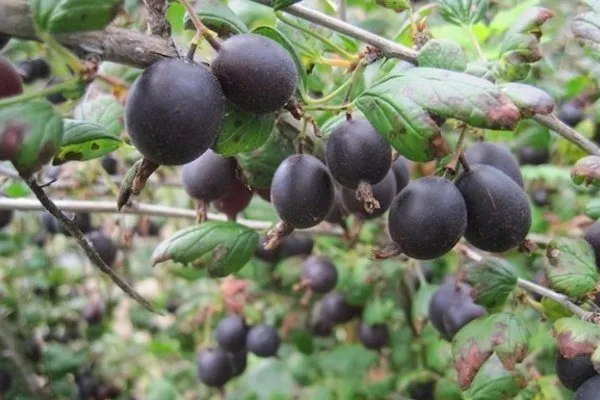
Mid-late gooseberry with sweet black berries. The bushes are vigorous, gently spreading, with a dense crown and moderate branching. The shoots bear sparsely spaced, single, downward-facing thorns. The fruits are glabrous, oval, and dark ruby-colored. When ripe, the berries turn black. Fruit weight is 3 g.
The berries have a sweet and sour flavor. They score 4.3 on the tasting scale. Each bush produces 3-4 kg of berries. They are resistant to powdery mildew. The fruit stays fresh for a long time, making them ideal for sale. This variety is easily propagated by cuttings and layering. A drawback is the small size of the fruit.
Thornless gooseberry varieties
One of the main drawbacks of the classic gooseberry is its sharp, densely packed thorns. Harvesting gooseberries is a real hassle. Unless we're talking about thornless varieties—and there are plenty of them available today—breeders have created thornless gooseberries.
| Name | Ripening period | Yield, kg/bush | Disease resistance |
|---|---|---|---|
| Consul | mid-season | 3 | resistant to powdery mildew |
| Eaglet | early ripening | 5-7 | resistant to powdery mildew |
| Grushenka | mid-late | 7 | resistant to powdery mildew |
Consul
The main advantages of this mid-season variety are its almost complete absence of thorns and large yields of delicious, sweet berries. This new variety was developed at the end of the last century and was specifically bred for cultivation in temperate climates. The bushes, with a moderately spreading crown, grow up to 2 m in height. Annual shoots have 1-2 thorns, no more, but these disappear over time. The berries are round, with thin skin. The color is bright red, turning black as they ripen. Weight: 6 g.
The yield per bush is 3 kg. As the bush grows, the yield increases. This variety is used as a dessert fruit, and wine and jam are made from the berries. Its advantages include low maintenance, high yields, and resistance to extreme weather conditions. Its disadvantages include difficulty in transporting, sensitivity to drafts, and sensitivity to dry soil.
Eaglet
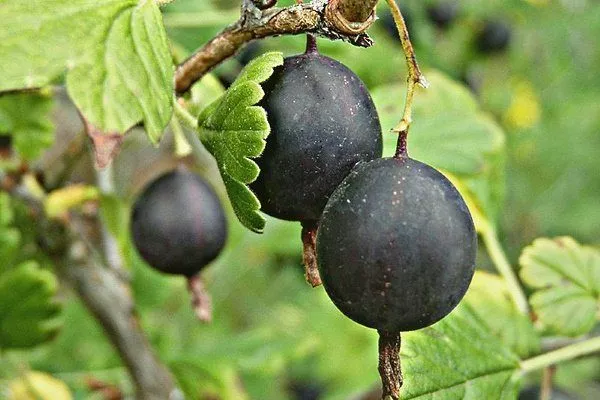
This is a virtually thornless, early-ripening variety with black berries. The average weight is 3-4 g. The fruit is round-oval, initially red, turning black as it ripens. The skin has a waxy coating.
The yield per bush is 5-7 kg. The bushes are frost-hardy and resistant to powdery mildew. The processed products have a bright ruby color. The fruits are used as a raw material for natural food colorings.
Grushenka
This mid-season gooseberry was developed in the 1980s. When creating this variety, breeders aimed to create a frost-hardy gooseberry with sweet, thornless berries. The fruits are pear-shaped, widening toward the bottom. They average 4-5 g in weight and are thornless. As the berries ripen, their color changes—at first they are light green with a reddish tint, then purple.
Highly resilient, undemanding in terms of soil and care. A single bush can yield up to 6 kg of sweet and sour berries. It tolerates low temperatures, heat, and drought well. It also transports well. No staking is required. Drawbacks include small fruits and poor response to moisture stress. The yield per bush is 7 kg.
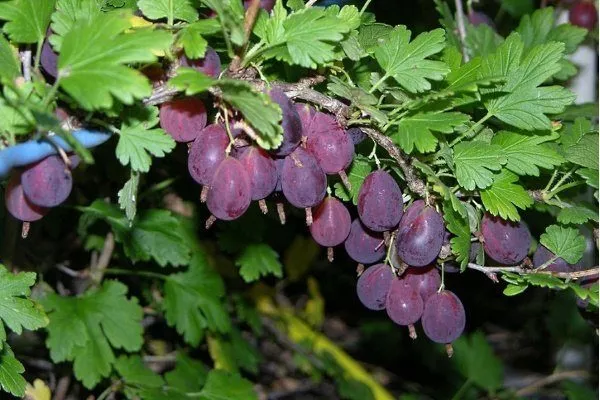
Early ripening
When choosing gooseberry varieties, amateur gardeners focus not only on taste, color, and yield, but also on ripening time. The latter criterion determines how quickly the fruits ripen—the month in which gooseberries are first enjoyed. Berries from early varieties are ready for consumption in early to mid-June.
| Name | Ripening period | Yield, kg/bush | Disease resistance |
|---|---|---|---|
| Amber | early | 5 | resistant to powdery mildew |
| Strawberry | early | 2.6-5.6 | resistant to powdery mildew |
| Altai number | mid-early | 8 | resistant to powdery mildew |
| Kurshu Dzintars | early | 4-6 | resistant to powdery mildew |
| Spring | early | 11 | resistant to powdery mildew |
| Ural emerald | early | 2-6 | resistant to powdery mildew |
| Grossular | mid-early | 5-7 | resistant to powdery mildew |
| Affectionate | early | 7 | resistant to powdery mildew |
| Pushkinsky | mid-early | 7-9 | resistant to powdery mildew |
| Malachite | early | 3 | resistant to powdery mildew |
| Melnikov's Dark Green | early | 2.5 | resistant to powdery mildew |
| Spring | very early | 3.7 | resistant to powdery mildew |
| Ural grapes | early | 4-7 | resistant to powdery mildew |
| Neslukhovsky | early | 5 | resistant to powdery mildew |
| Cossack | early | 5 | resistant to powdery mildew |
| Commander | early | 6-8 | resistant to powdery mildew |
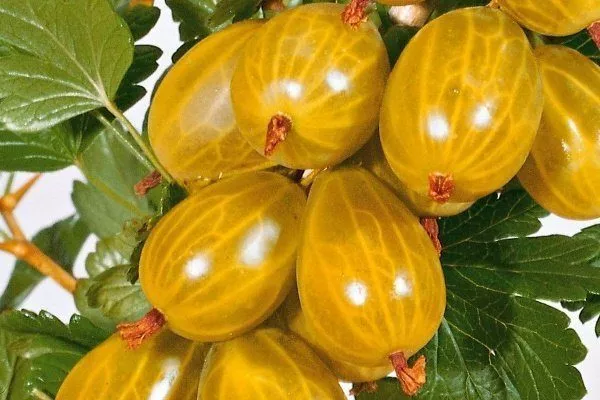
Amber
An early variety developed in the mid-20th century. Although not registered in the State Register, it has survived and today bears fruit successfully in many gardens. Seedlings of the "Yantarny" variety are even exported. The plants are spreading and tall—up to 1.5 m. The fruits are oval and a rich yellow-orange color. They weigh 5 g.
The berries are sweet with a slight tartness and a honey-like aroma. This dessert variety is suitable for preserves, compotes, and jams. The firm flesh makes the berries easy to transport. They are highly frost-hardy and resistant to fungal diseases. Seedlings have a high survival rate, so they can be planted successfully throughout the summer and into autumn.
Strawberry
A new self-fertile variety, its merits are still being appreciated by both amateur and expert gardeners. The berries are not particularly large, weighing between 2.6 and 5.6 g. The typically round fruits are glabrous and light green.
The branches are covered with sharp thorns. The dessert flavor of the berries has a strawberry aftertaste. This is what makes this prickly gooseberry so prized. Despite its decent winter hardiness, there are years when the buds freeze. Commercial cultivation yields 7-12 tons per hectare.
Altai number
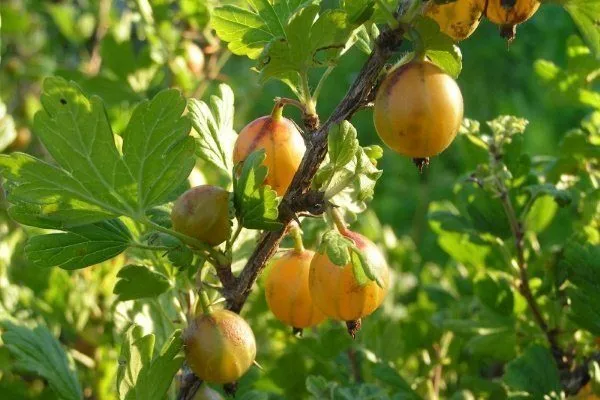
A mid-early yellow-fruited gooseberry. Grows and bears fruit successfully in all regions.. The bushes are small and spread poorly. The average fruit weight is 8 g. The fruit color is amber.
The berries have a pleasant dessert flavor. They are resistant to powdery mildew and pests. The shoots have few thorns.
Kurshu Dzintars
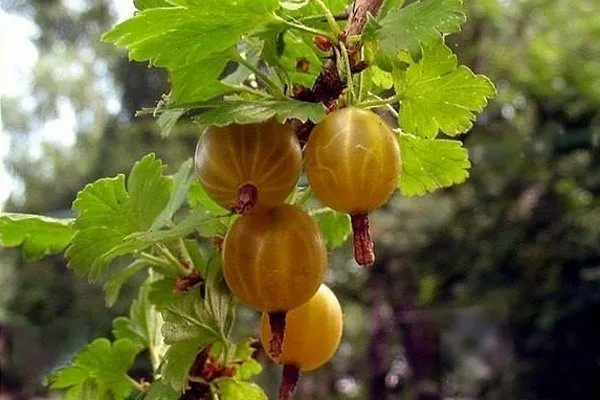
An early variety bred in Latvia, suitable for northwestern and southwestern climates. The plant is compact, medium-height, and spreading. The berries are medium-sized, oval, and deep yellow with a glossy surface. Each berry weighs up to 2.5 g and has a thin skin.
A bush produces 4-6 kg of berries. The berries are exceptionally tasty and aromatic. This winter-hardy and transportable variety is suitable for desserts and processing.
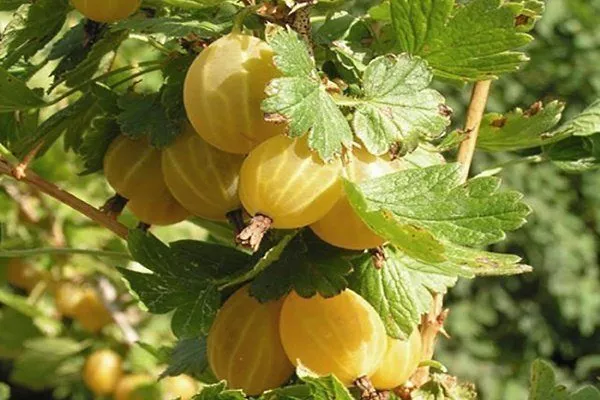
Spring
An early self-fertile variety. Included in the State Register in 2002. The plant is medium-tall, branched, with spiny shoots. Spines are single, 2-3 per 0.5 m. The fruits are large, round-oval, weighing 5 g. The color is yellow-green, with a slight reddish tint.
It quickly adapts to new growing conditions. The fruit has a pleasant dessert flavor. It can be susceptible to aphids and moths. A bush can yield up to 11 kg of fruit. It tolerates short-term moisture deficits well. Its thick skin makes it easy to transport.
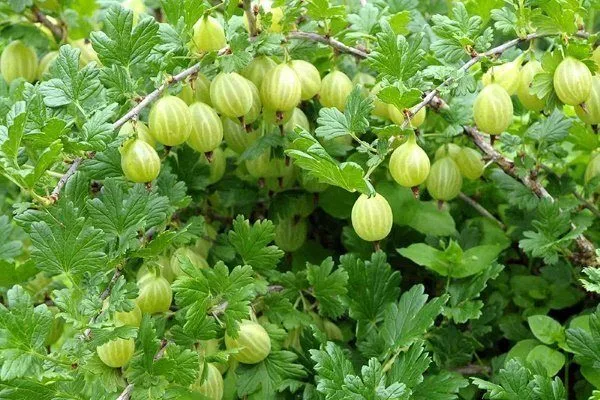
Ural emerald
A self-fertile variety developed by Ural breeders for the West Siberian region. A medium-sized shrub with a slightly spreading habit. Fruits weigh 5-9 g. It has a moderate seed count.
Immune to anthracnose and powdery mildew, it is not affected by pine sawfly or moth. Fruiting begins in the 3rd-4th year of vegetation and continues to bear fruit for 15-20 years. To ensure the berries retain their marketable appearance longer, they are harvested in dry weather. The fruit is versatile – it can be eaten fresh or used for preserves. The yield per bush is 2-6 kg. It transports well and has excellent shelf life.
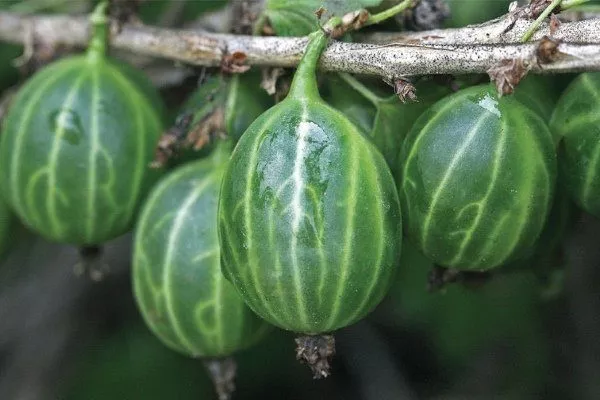
Grossular
Mid-early ripening period. The fruits are not uniform in size – they are medium to large, weighing 3.5-8.5 g. The berries are oval and teardrop-shaped, light green with a yellowish tint. The flesh is tender, and the aroma is refreshing.
It tolerates droughts well. The berries are for industrial use and are intended for processing. The yield per bush is 5-7 kg. The plant is winter-hardy, producing fruit consistently for about 20 years. It is virtually immune to powdery mildew.
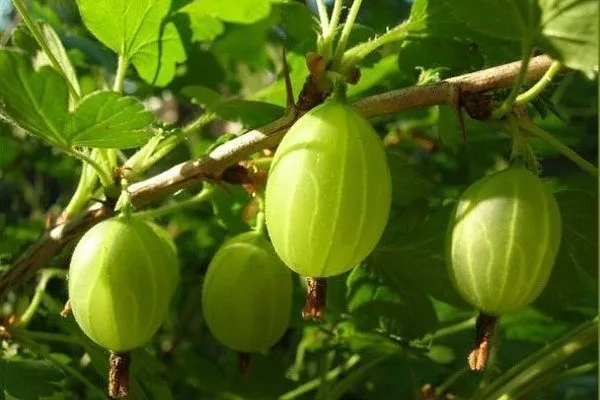
Affectionate
A promising variety, most often grown in the Central region. It is a medium-sized, compact plant with few thorns. The fruits are round-oval, weighing 4-5 g, and dark red in color.
High pectin content. Yield per bush: 7 kg. Densely packed berries on the shoots. Resistant to powdery mildew and winter cold.
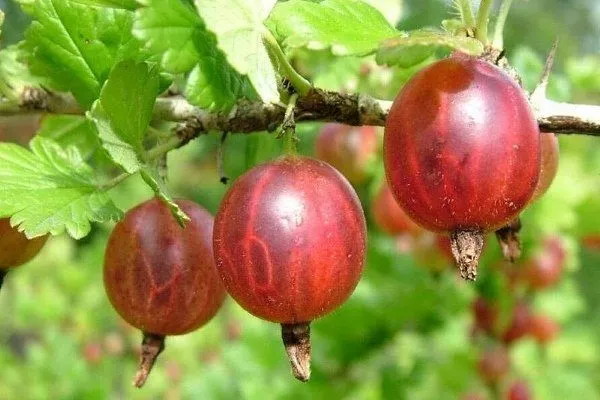
Pushkinsky
A mid-early variety. Not yet included in the State Register; currently undergoing variety testing. The berries have a thin, translucent skin. The berries are oval, weighing 4-4.5 kg. The color is greenish-yellow.
A bush yields 7-9 g. The variety is winter-hardy and disease-resistant. The fruits are tasty, sweet, and aromatic.
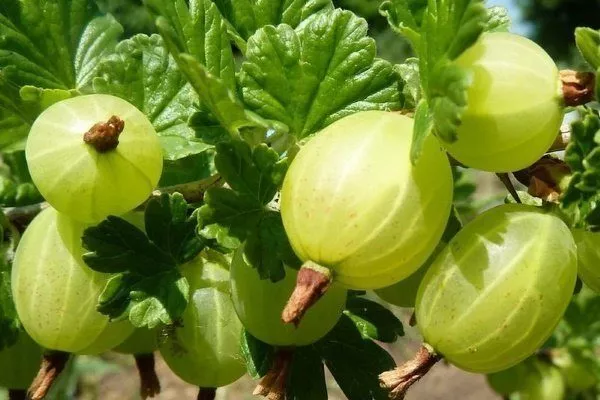
Malachite
It was developed in the last century and added to the State Register in 1959. It grows from the Far East to the Northwest region. It was developed for climates with long winters and damp summers.. Very vigorous bushes with many thorns. The fruits are deep green, but the green color becomes lighter as they ripen. Fruit weight is 5-6 g. The skin is thin and smooth.
Powdery mildew resistance. The plant bears fruit for up to 15 years. Tasting score: 3 points. The variety is classified as a technical variety due to its sourness. The bush produces about 3 kg of berries. The main drawback is its vulnerability to septoria.
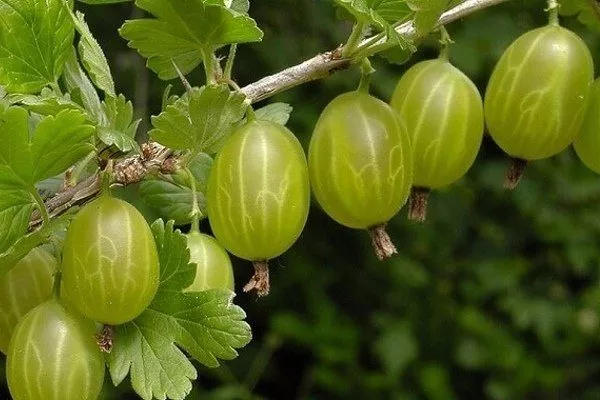
Melnikov's Dark Green
An early, high-yielding variety. Undemanding in terms of growing conditions. Fruits are medium-sized, weighing 2.5 g. Green in color. The skin is thin but firm.
Processed products include jellies, kissels, marmalade, and wine. The variety is hardy and winter-resistant, and the fruits are transportable.
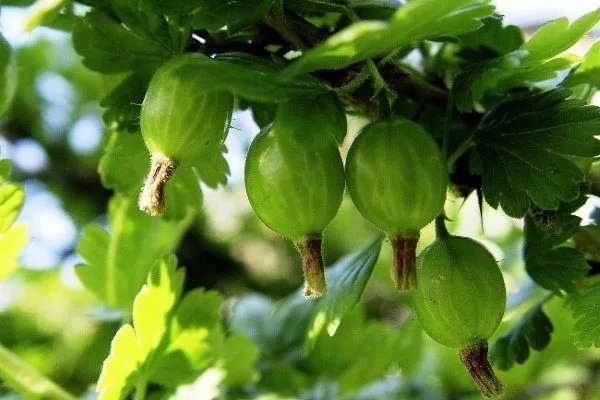
Spring
A yellow-fruited, ultra-early variety developed by Belarusian breeders. The bushes are compact. The fruits are oblong, medium-sized, and lemon-yellow. The berries are pubescent. Fruit weight is 3.5 g.
The berries lose flavor over time, although they don't fall off the shoots. The yield per bush is 3.7 kg. Winter hardiness is average. Resistance to powdery mildew.
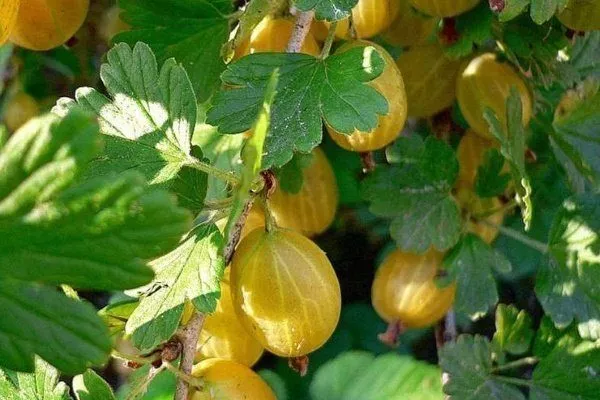
Ural grapes
Developed in 1968 by Sverdlovsk breeders, this variety produces vigorous bushes with straight, thorny shoots. The fruits are emerald green, large—6-8 g each—and pubescent.
Dessert flavor with grape notes. High tasting score – 4.8 points. The skin has a tart taste. General purpose. Average resistance to fungal diseases. The berries travel well in transportation. A bush yields 4-7 kg of berries.
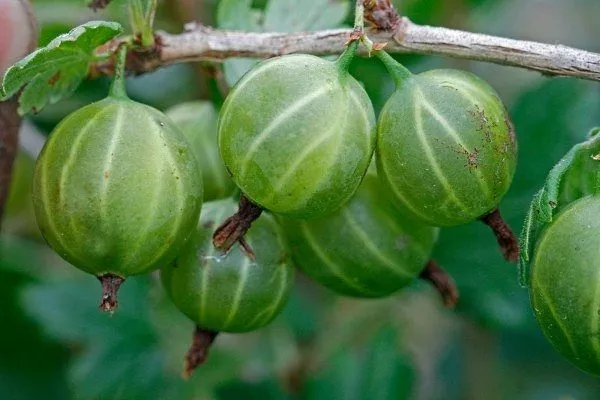
Neslukhovsky
This gooseberry is considered one of the most delicious. The bushes are medium-tall, with numerous thorns. The berries are oval, dark red, and turn purple when ripe. They weigh 4-6 g. The berries have a waxy coating and a firm skin.
The taste is dessert-like. Good transportability. The bushes grow without supports or garters. The highest tasting score is 5 points. The yield per bush is 5 kg.
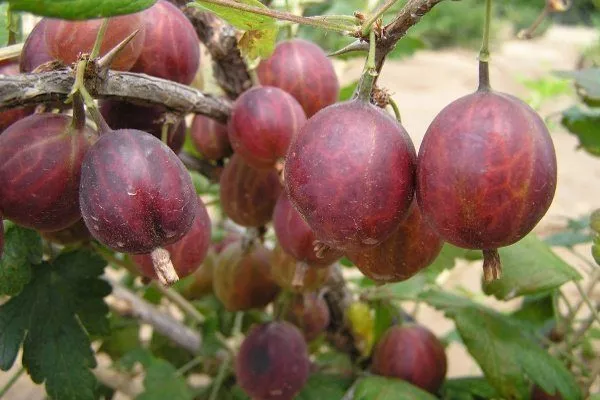
Cossack
An early, drought-resistant variety, in variety testing since 1990. The bushes are loosely spreading, with thorny shoots. Berries weigh 3-4 g. The plum-colored berries are pubescent and cone-shaped. The pulp contains few seeds.
The berries have a refreshing aroma. They score 4.8 on a tasting scale. The yield per bush is up to 5 kg. They are highly winter-hardy and disease-resistant.
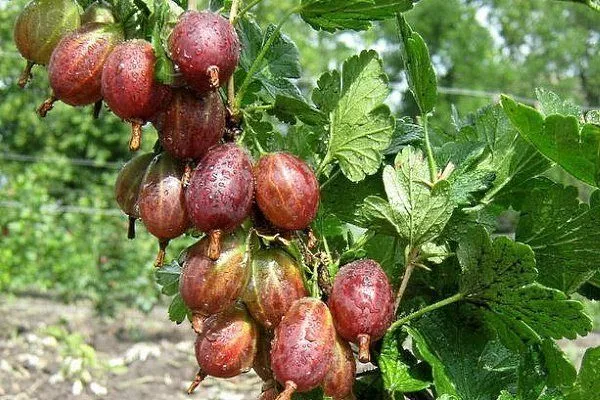
Commander
A thornless, black-fruited variety bred in 1995. Tall bushes. The fruits are uniform, very dark – burgundy-brown, weighing 4-6 g. Smooth, round, and pubescent.
Tasting score: 4.6 out of 5. A single bush yields up to 6-8 kg of berries. A downside is poor transportability. Winter-hardy, low-maintenance, and self-fertile.
Mid-season
Mid-season varieties are ready for harvest in July. These versatile varieties are suitable for any purpose. They are distinguished by their sweet berries and abundant yield.
| Name | Ripening period | Yield, kg/bush | Disease resistance |
|---|---|---|---|
| Kolobok | mid-season | 9-10 | resistant to powdery mildew |
| Reliable | mid-season | 2.8 | resistant to powdery mildew |
| Seraphim | mid-season | 5-6 | resistant to powdery mildew |
| African | mid-season | 1.3-1.5 | resistant to powdery mildew |
| Krasnoslavyansky | mid-season | 6 | resistant to powdery mildew |
| Northern Captain | mid-season | 3.5-4 | resistant to powdery mildew |
| Baltic | mid-season | 10-13 | resistant to powdery mildew |
| Bottle green | mid-season | 20 | resistant to powdery mildew |
| naughty boy | mid-season | 4 | resistant to powdery mildew |
| Snezhana | mid-season | 5-6 | resistant to powdery mildew |
| Invicta | mid-season | 6 | resistant to powdery mildew |
| Ravolt | mid-season | 3.4-4.4 | resistant to powdery mildew |
| Belarusian red | mid-season | 7-8 | resistant to powdery mildew |
| Honey | mid-season | 5 | resistant to powdery mildew |
| Anniversary | mid-season | 4.2 | resistant to powdery mildew |
| Prune | mid-season | 3-4 | resistant to powdery mildew |
| Black Negus | mid-season | 7 | resistant to powdery mildew |
| Masheka | mid-season | 3.5 | resistant to powdery mildew |
| Michurinets | mid-season | 4-6 | resistant to powdery mildew |
| Firework | mid-season | 7 | resistant to powdery mildew |
Kolobok
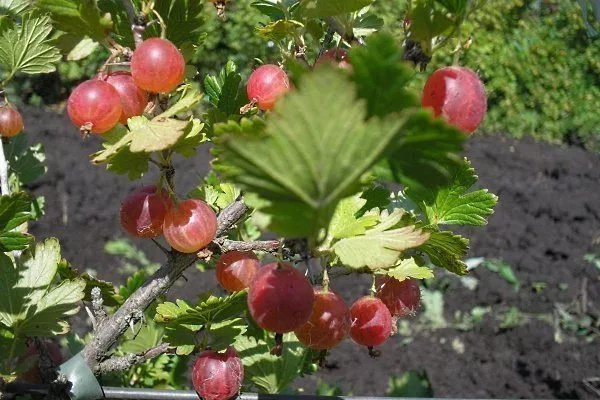
This mid-season gooseberry variety was introduced in 1988. It is undemanding and suitable for growing in a variety of climates. It has a dense crown, grows quickly, and requires pruning. The shoots are small and sparsely thorny. The fruits vary in size. They are oval in shape and dark red in color, reaching an almost burgundy hue when ripe. They have a waxy coating. They weigh 4-7 g. The juicy flesh contains numerous seeds.
The berries are crisp, sugary, and don't fall off when ripe. This variety is easy to grow, productive, and adapts quickly to environmental conditions. It has a tasting score of 4.5 points. Yield per bush is 9-10 kg.
Reliable
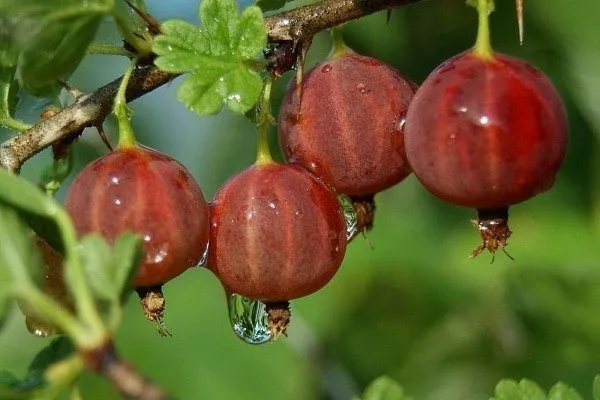
The oldest variety, obtained in Siberia, in the botanical garden, back in 1939. The bushes have few thorns, but they are very long, sometimes reaching 12 mm.
The fruits are small, weighing 2-4 g. The color is burgundy. The flavor is satisfactory. The average yield per bush is 2.8 kg. Self-fertility is weak. Drought can seriously affect the harvest. However, 'Nadezhny' is resistant to powdery mildew, and its berries, once ripe, hang on the branches for a long time without falling.
Seraphim
A relatively new, self-fertile variety, it has been undergoing variety testing since 1998. The shoots have minimal thorns. The berries are a rich red hue.
The fruits are versatile, noted for their excellent flavor and high sugar content. They are resistant to fungal infections and severe frosts.
African
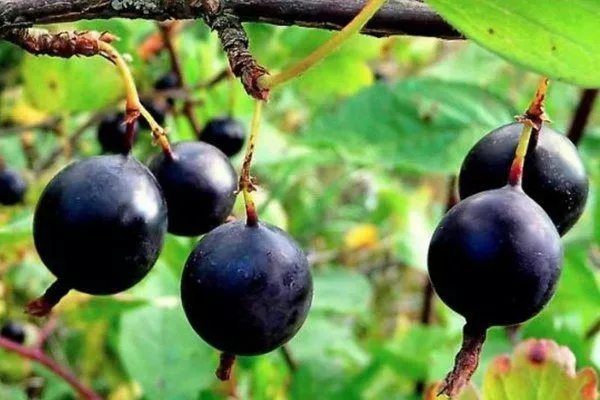
Developed in the 1970s, the variety has thornless shoots and berries weighing 1.5-3.5 g. The fruits are round-oval, black, glabrous, and have a waxy coating. The skin is medium-thick.
Resistant to powdery mildew, the variety is tolerant of moisture deficits and does not bruise during transportation. The fruit is a rich red color. The berries produce high-quality, delicious wine. Each bush yields 1.3-1.5 kg of berries. The variety is winter-hardy and highly resistant to powdery mildew, but is susceptible to anthracnose.
Krasnoslavyansky
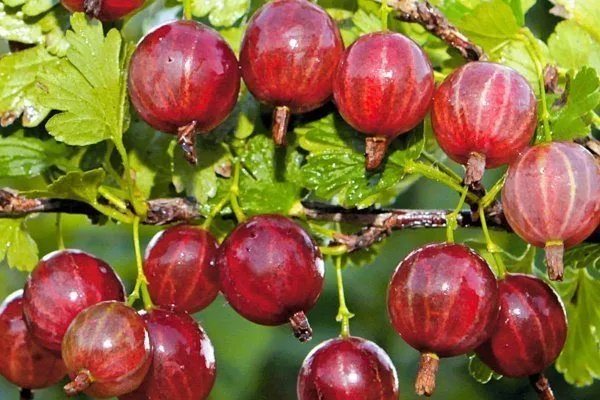
A mid-season variety bred for the European part of Russia, but successfully grown in almost all regions of the country. It was added to the State Register in 1992. The bush grows 1.5 m tall. The fruits are large, round, and slightly elongated. Weight: 6 g. Color: dark red. The flesh is tender, juicy, with a rich aroma. Numerous seeds. The shoots are spiny.
The berries are sweet and sour, a dessert variety. The yield per bush is 6 kg. They are highly winter-hardy. They tend to fall off when ripe. They have an attractive presentation, are easy to care for, and do not release juice during transportation. They are susceptible to fungus. Harvesting is difficult due to the thorns.
Northern Captain
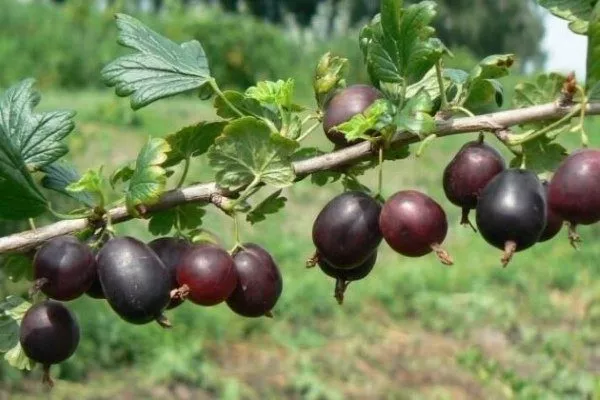
Included in the State Register since 2007. Fruits weigh 3.5-4 g and are round. The color is burgundy, turning black when ripe, and the fruit is covered with a waxy coating. The seeds are small. The skin is thick.
The fruit does not fall off. The flavor is sweet and sour. The berries have industrial uses, including wine, juice, and natural dyes. They are winter-hardy, disease-resistant, and easy to propagate. Cons: bushes quickly become dense, and the flavor is mediocre.
Baltic
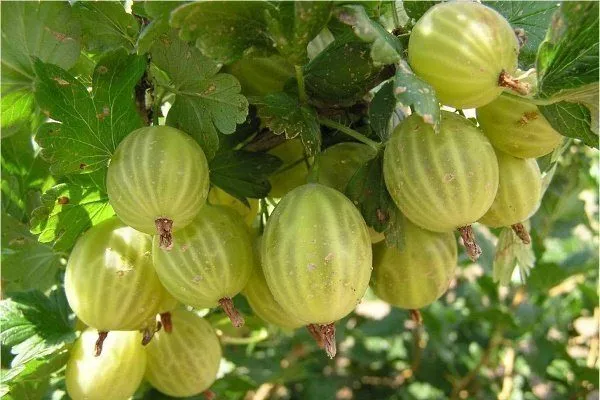
A self-fertile, mid-season variety with green fruit. The plant is medium-sized, compact, and thorny. The fruit is pubescent, medium-sized, and round. The color is light green. The skin is medium-thick. Fruit weight is 3-4 g.
The fruits have a sweet and sour, refreshing taste. The berries are suitable for all purposes. A bush yields up to 10-13 kg. Resistant to powdery mildew.
Bottle green
A mid-season variety of unknown origin. Common in the Central Region. Also known as Bottle Date. The plant is vigorous and moderately spreading. The shoots have downward-facing spines. The fruits are very large – 16-18 g. They are oblong, pear-shaped, and oval. The color is dark green, with reddish-brown spots along the veins. The fruits are slightly pubescent. The flesh is green and aromatic.
The taste is sweet and sour. The yield per bush is up to 20 kg. The variety is productive and winter-hardy. Cons: berries fall off if there is a lack of moisture, and cracking occurs if there is too much humidity.
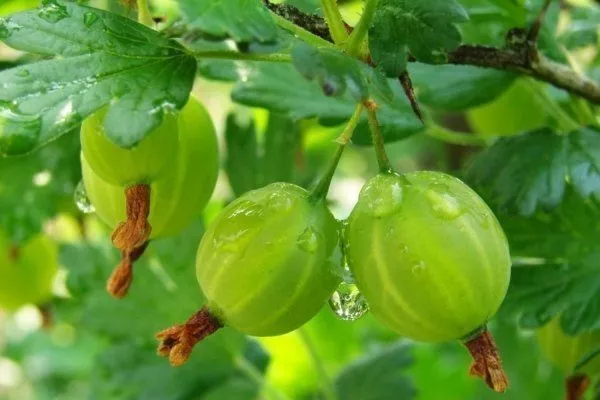
naughty boy
A self-fertile variety from the mid-season category. Popular for its thornlessness. Fruits weigh up to 6 g. Yellow-green, with a tart flavor and hints of spice. The berries have thin, translucent skin.
The bushes are gently spreading and take up little space. The aromatic fruits make delicious and attractive preserves. They are virtually unbreakable and do not leak juice, making them easy to transport. They are resistant to powdery mildew. Thanks to their exceptional winter hardiness, they are suitable for growing in regions with harsh climates.
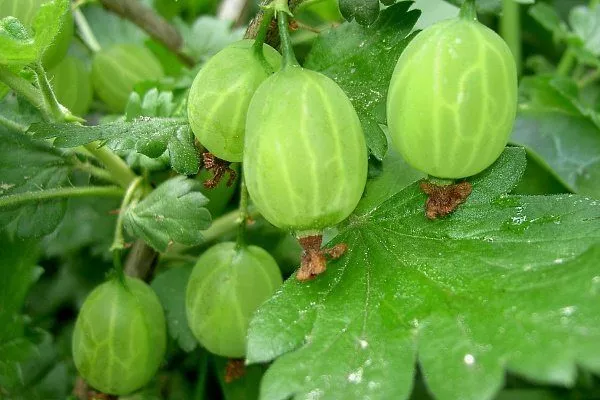
Snezhana
A low-thorn, mid-season variety from Moscow breeders. Fruit weight is 4-6 g. Thorns are only at the base of the shoots. The bush height is approximately 1.5 m. The fruits are green with a yellow-orange tint. The shape is oval-pear-shaped.
One bush produces 5-6 kg of berries, with a maximum yield of 9 kg. The berries are sweet and sour, with excellent flavor. They are resistant to extreme climates and diseases. The berries are used for fresh eating and canning.
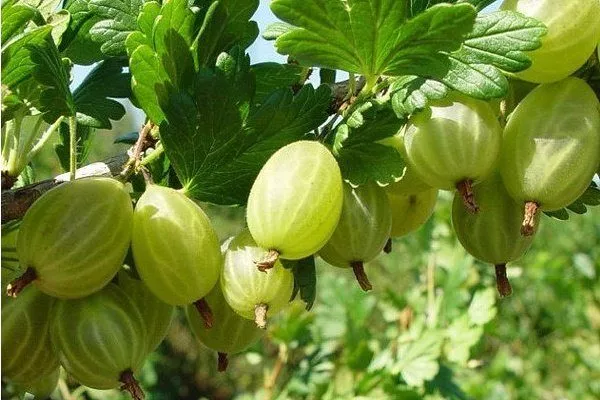
Invicta
This variety was developed by English breeders. Ripens in mid-July and produces fruit until September. The bushes are vigorous, spreading, and 1.6 m tall. They are thorned. The berries weigh approximately 8 g. They are yellow-green, smooth, oval, and thin-skinned. When ripe, they turn amber.
It is distinguished by its long fruiting period. A bush produces 6 kg of berries. Thorns make harvesting difficult. It is resistant to fungi. It is winter-hardy and produces consistent yields.
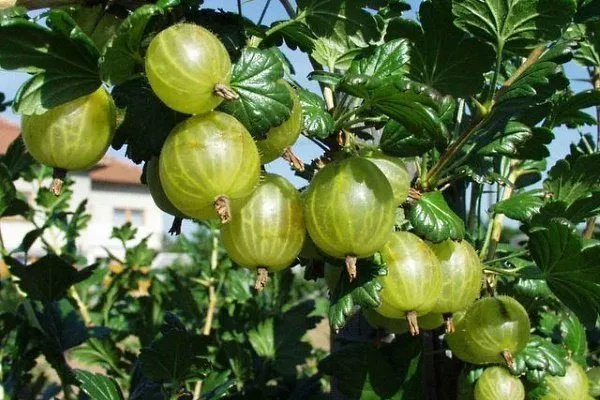
Ravolt
This mid-season, self-fertile variety was developed by Belarusian breeders. The plant is medium-height, moderately spreading, and has few thorns. The round fruits range in color from dark red to purple. They weigh 3.4-4.4 g and are pubescent.
The berries have a sweet and sour taste and are considered a dessert fruit and are also used for processing.
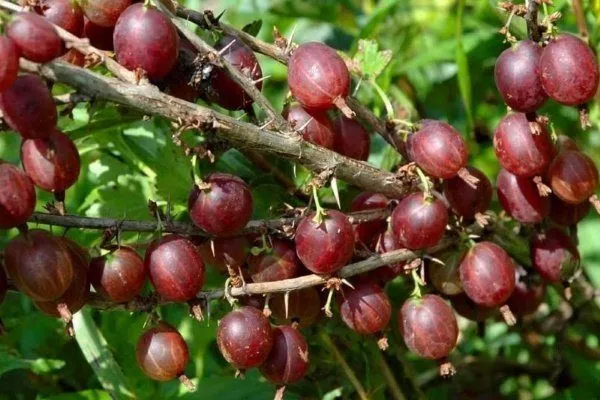
Belarusian red
A new variety from Belarusian breeders. Ripens in the second half of July. The bushes are gently spreading, with thin thorns on the shoots. The dark red berries weigh 3-4 g.
The berries are suitable for processing and fresh consumption. A bush produces up to 7-8 kg of berries. The fruit has a sweet, wine-like flavor. The berries are used to make preserves, jellies, and wine. It is resistant to powdery mildew and tolerates harsh winters well.
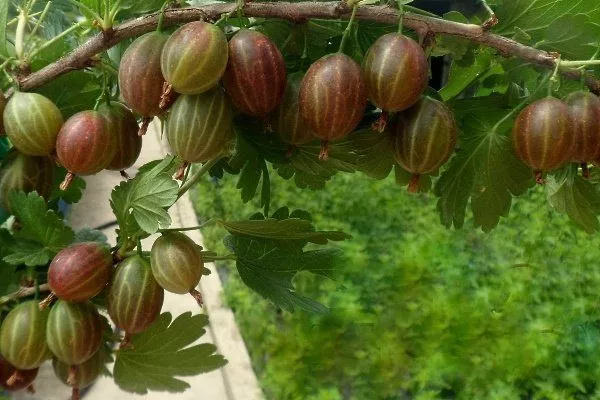
Honey
A mid-season, yellow-fruited variety. It gets its name from its unique aroma with hints of honey. The plant is medium-sized and spreading. The fruits are round or pear-shaped, with thin skin. The flesh is tender and soft. The fruit weighs approximately 6 g. The shoots are heavily thorny.
The yield per bush is 5 kg of berries. The fruits are sweet, high in sugar, and have a distinctive honey aroma. The thorns make harvesting difficult. The variety is frost-resistant, drought-resistant, resistant to diseases and pests. It transports well. If moisture is deficient, the ovaries fall off, and the sugar content of the berries decreases.
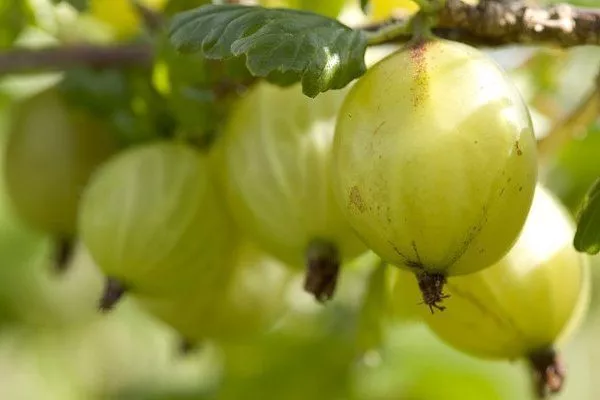
Anniversary
A yellow-fruited variety. Bred last century, it was added to the State Register in 1965. The plant is compact and vigorous. The shoots have numerous thorns, thin and sharp. The berries are large, round and oval, weighing an average of 4 g. They have thick skin, and the flesh is juicy and tender. The fruits contain many seeds. The berries are bright yellow with a waxy coating.
The berries have a sweet and sour taste, without a distinct aroma. They score 4 on the tasting scale. A bush yields approximately 4.2 kg of berries. They are resistant to powdery mildew, easy to propagate, and have good commercial qualities. Drawbacks include difficult harvesting due to thorns and insufficient frost resistance.
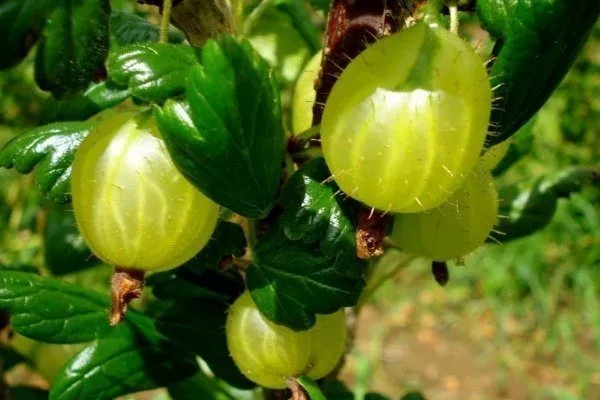
Prune
This mid-season black-fruited variety was added to the State Register in 1992. It has medium-spreading bushes with sparse thorns. The berries weigh 4.5 g. The fruits are oval-pear-shaped and pubescent. The skin is thick and waxy.
The fruits have the flavor and aroma of prunes. They store and ship well. Cons: weather sensitivity and susceptibility to anthracnose. Yield: 3-4 kg per bush. Tasting scale score: 4.2 points.
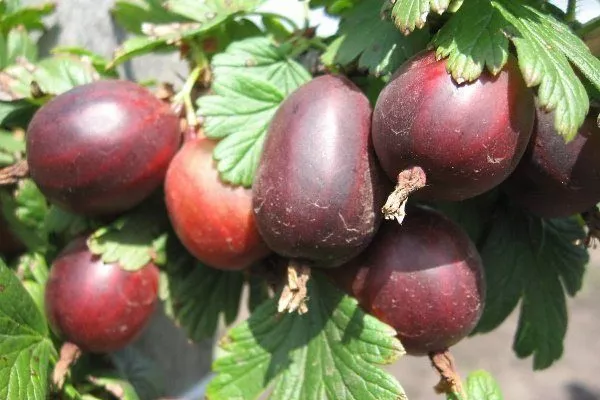
Black Negus
A black-fruited variety. One of the best gooseberry varieties. The bushes grow up to 2 m tall. The shoots are covered with numerous thorns. The fruits are pear-shaped, blue-black, shiny, and hairless. The fruits are medium-sized – 2-2.5 g.
The berries have a dessert flavor. The tasting scale score is 4.7 out of 5. The berries are not prone to falling off and, when ripe, remain firmly attached to the vine. They are used to make wines, compotes, jams, and more. The yield is 7 kg per vine. They are easy to transport, and the berries retain their marketable appearance for a long time. A drawback is the difficulty of harvesting due to the thorns.
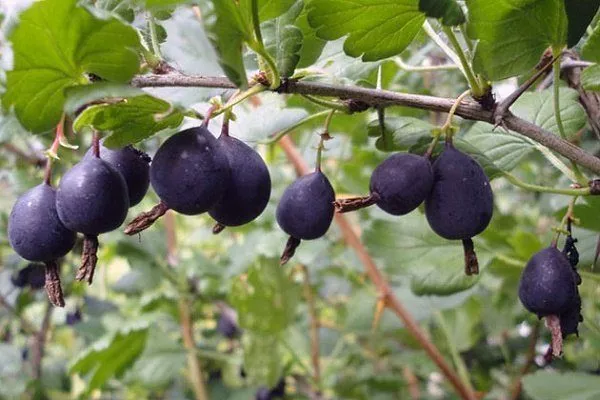
Masheka
A Belarusian-bred variety. Winter-hardy and productive. The bushes are dense and spreading. The berries weigh up to 3.5 kg. The shape is elongated-oval, the skin is glabrous. The color is orange-red, turning brick-red as they ripen. The average fruit weight is 2.8 g.
The taste is sweet and sour. The tasting scale score is 4 points. A downside is that yields drop in unfavorable weather.
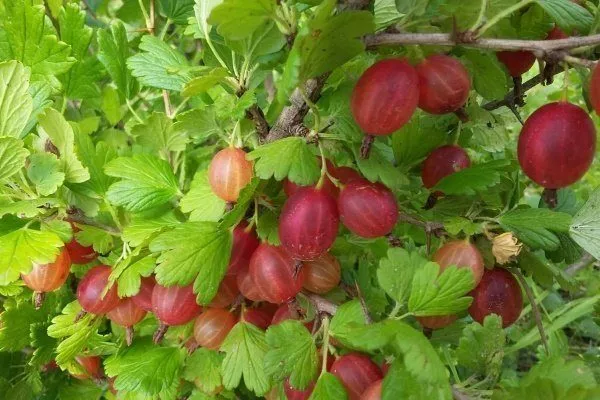
Michurinets
An Altai-bred variety. Semi-spreading, sparse bushes with thick thorns. Fruits are pear-shaped and medium-sized. Color: dark red. Fruit weight: 2.3 g.
The variety is undemanding in terms of care, and the berries are used for processing – they are used to make wine, marmalade, jelly, etc. A bush produces 4-6 kg of berries.
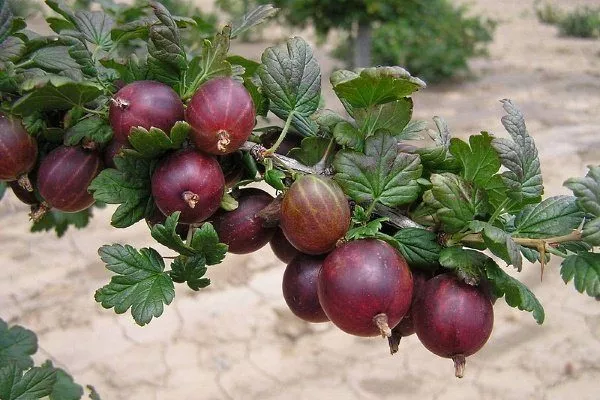
Firework
Bred in the 1970s, this variety produces compact, medium-height plants with thorns on the lower portions of the shoots. The fruits weigh 3-6.7 g. The round-oval berries are bright pink. They are pubescent.
Difficulty propagating by cuttings. The berries are very tasty, but lack aroma. Rating: 4.8 points. Up to 7 kg of berries can be harvested per bush.
Late-ripening
Late-ripening varieties are typically used for winter preserves. They are used to make jams and jellies. The berries ripen in late July to early August.
| Name | Ripening period | Yield, kg/bush | Disease resistance |
|---|---|---|---|
| Defender | late | 2.5 | resistant to powdery mildew |
| Leningrader | mid-late | 2-5.8 | resistant to powdery mildew |
| Green rain | mid-late | 4 | resistant to powdery mildew |
| Mukurines | late | 8.5 | resistant to powdery mildew |
| Captivator | mid-late | 2.5-6 | resistant to powdery mildew |
| Harlequin | late | 40 c/ha | resistant to powdery mildew |
Defender
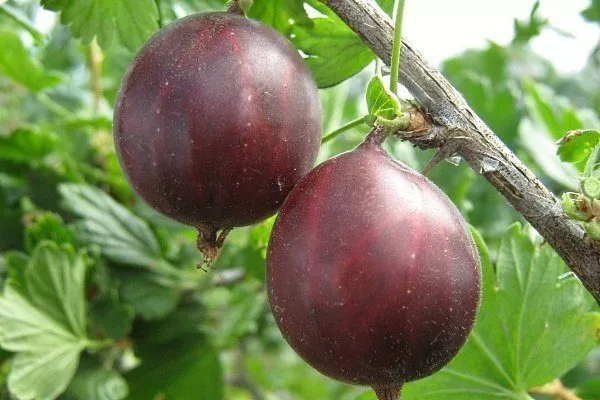
A late-ripening variety, undergoing variety testing since 1990. A vigorous plant with thorny shoots. The thorns are evenly distributed along the entire length. Berries weigh 7-10 g. The fruits are oval-pear-shaped, black, and have a waxy coating. The skin is thick.
The berries have a sweet and sour taste and a refreshing aroma. Rating: 5 stars. If cultivation practices are not followed, they can be susceptible to powdery mildew. Yield per bush: 2.5 kg.
Leningrader
A mid-season, frost-hardy variety. The bushes are semi-spreading and medium-sized. The shoots have few thorns, which are small, single and double. They weigh 6-10 g, sometimes reaching 13-15 g. The fruits are obovate, with short pubescence. The berries are dark red with a purple tint. The skin is thick with sparsely branched veins.
The fruits are versatile—suitable for any kind of preserves and delicious fresh. A bush yields 2-5.8 kg of berries. They are resistant to powdery mildew, winter-hardy, and productive, and the berries have excellent commercial qualities.
Green rain
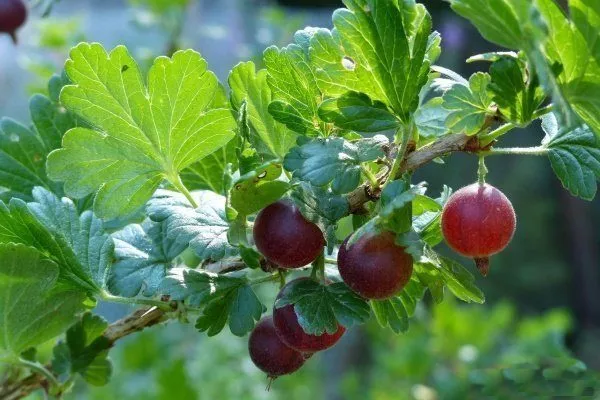
A mid-late-ripening hybrid. This early-ripening hybrid variety is productive and delicious. The bushes are upright and spreading moderately. The berries are oval-pear-shaped and light green. When fully ripe, they acquire a yellowish tint. Berry weight is 5-8 g.
The bushes require no staking or support. They tolerate frost well. A bush yields about 4 kg. The fruit is good in all forms—fresh and processed. The variety is particularly resistant to anthracnose.
Mukurines
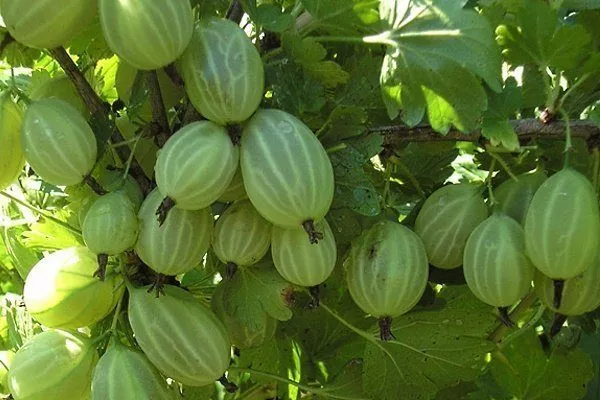
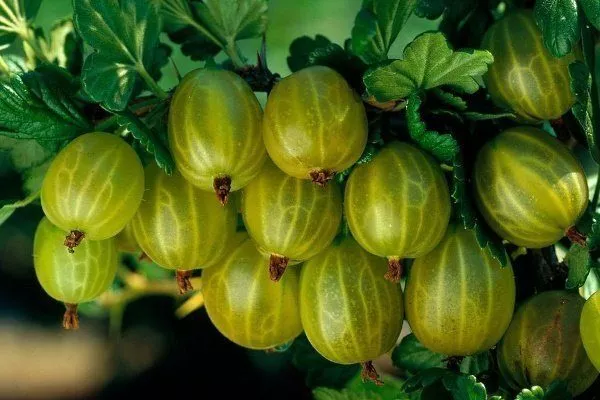
A late-ripening green-fruited variety. Berry weight: 6-7.5 g. The fruits are round and green.
A bush produces up to 8.5 kg of berries. The sweet and sour fruits are versatile. Resistant to powdery mildew and black spot, frost-resistant, and suitable for mechanical harvesting.
Captivator
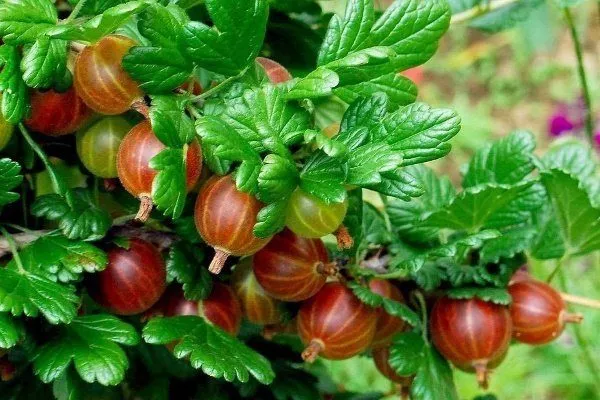
A mid-late, self-fertile variety developed by Ural breeders. The bush is medium-sized, with weakly thorny shoots. The fruits are dark cherry-colored, weighing 3-4.5 g. The berries grow to a uniform size, round-oval in shape, and are pubescent. The skin is medium thick. When ripe, the fruits become almost black.
The taste is sweet and sour. The yield per bush is 2.5-6 kg. The variety has high immunity to powdery mildew.
Harlequin
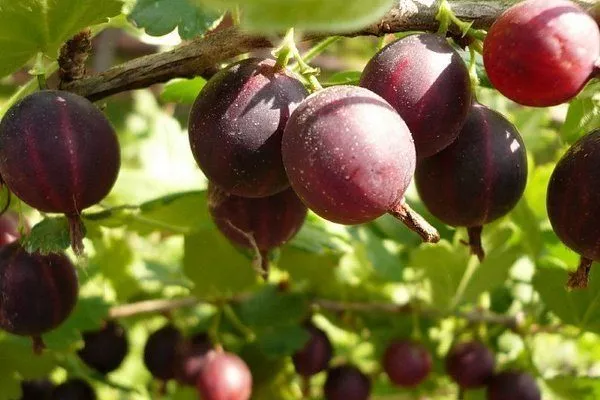
A winter-hardy, self-fertile variety with excellent flavor. Developed by Ural breeders. The bushes are medium-sized and virtually thornless. The fruits are dark cherry, round-oval in shape, weighing 2.8-5.5 g and pubescent.
Berries with average flavor – intended for processing. Good marketability. Yield – up to 40 c/ha.
Classification of varieties
To select the gooseberry variety that best suits the climate and intended use, the varieties are evaluated based on yield, color, ripening time, and other criteria. A breakdown of varieties by ripening time is shown in Table 1.
- ✓ Optimum soil pH for gooseberries: 6.0-6.5.
- ✓ Distance between bushes when planting: 1.2-1.5 m.
- ✓ Planting depth of seedlings: 5-7 cm deeper than they grew in the nursery.
Table 1
| Varieties by ripening time | |||||
| early | yield, kg/bush | mid-season | yield, kg/bush | late | yield, kg/bush |
| White Nights | 4.5-6.2 | Lefort seedling | 2-3.7 | Candy | 2-6 |
| Pink 2 | 1.8-6 | Russian yellow | 4 | Cooperator | 3.7-6.9 |
| Affectionate | 7 | Beryl | 3-10 | Sirius | 4-7 |
| Eaglet | 5-7 | Consul | 3 | Chernomor | 3-4 |
| Cossack | 5 | Honey | 5 | Grushenka | 7 |
| Kurshu Dzintars | 4-6 | Anniversary | 4.2 | Defender | 2.5 |
| Spring | 3.5 | Kolobok | 9-10 | Leningrader | 2-5.8 |
| Spring | 11 | Krasnoslavyansky | 6 | Green rain | 4 |
| Ural emerald | 2-6 | African | 1.3-1.5 | Mukurines | 8.5 |
| Grossular | 5-7 | Baltic | 10-13 | Captivator | 2.5-6 |
Classification of varieties by fruit color is shown in Table 2.
- In spring, apply nitrogen fertilizers (30 g of ammonium nitrate per bush).
- After flowering, feed with potassium-phosphorus fertilizers (20 g of superphosphate and 15 g of potassium sulfate per bush).
- In autumn, add organic fertilizer (5 kg of humus or compost per bush).
Table 2
| Fruit color | |||
| green | yellow | pink/red | black/purple |
| White Nights
Belarusian sugar (greenish-white) · Beryl (light green) Ural emerald (bright green) · Grossular (light green) · Green rain (light green) Pushkinsky (greenish-yellow) Baltic (light green) · Bottle green (dark green) · Shalun (green-yellow) Snezhana · Malachite (bright green) · Mukurines · Melnikov's Dark Green Ural grapes (emerald green) | Russian yellow
· Altai number · Kuršu Dzintars · Honey · Anniversary · Yarovoy · Spring (yellow-green) · Invicta (yellow-green to amber) | · Candy – (pink)
· Pink 2 – (dark red) · Lefort seedling (red-violet) · Cooperator (dark red) · Sirius (dark red) · Consul (red) · Kolobok (dark red, with a burgundy tint) Leningradets (dark red with a purple tint) Krasnoslavyansky (dark red) · Affectionate · Ravolt (red-violet) Belarusian red · Captivator (dark cherry) Neslukhovsky Masheka Michurinets · Fireworks (pink) · Harlequin (dark cherry) | · Grushenka (purple)
· Black Sea (from dark red to black) · Eaglet (from dark red to black) · Defender (almost black) · African (black) · Northern Captain (from maroon to black) · Prune (from burgundy to black) Black Negus · Commander (dark burgundy) · Kazachok (dark plum) |
When choosing gooseberry varieties for growing in a garden or on a plantation, the first considerations are ripening time, winter hardiness, and intended use of the fruit. Among the varieties available, there's a gooseberry to suit every taste and purpose.