
The Rodnik gooseberry has long been considered one of the best varieties. Canned gooseberries are called "Tsar's," and the fresh fruit is juicy and sweet.
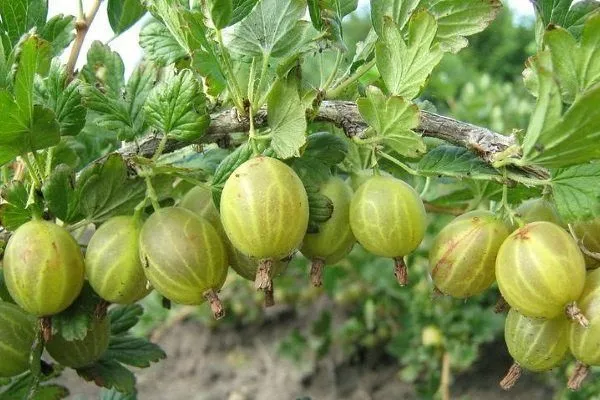
gooseberry variety Rodnik
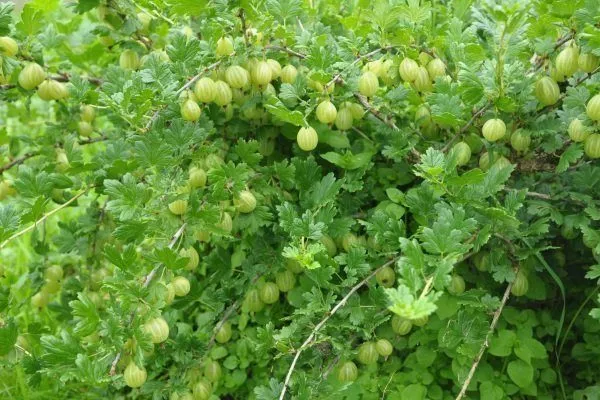
The Rodnik variety is very productive and durable, a dream for any gardener.
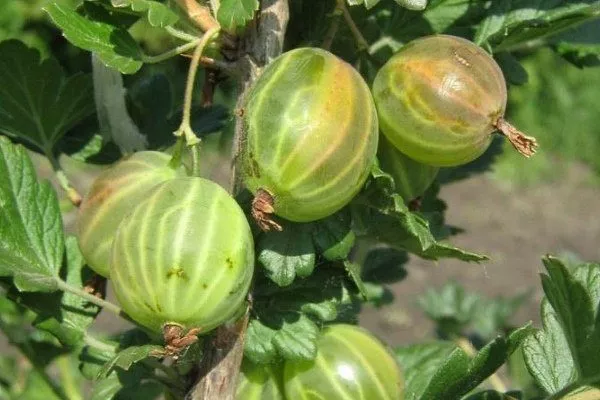
Gooseberries "Rodnik" have a dessert-like, sweet taste with a refreshing sourness
History of selection
Rodnik is the long-awaited result of crossing the Lada and Purman varieties (No. 329-11). The breeders are considered to be I. V. Popova and M. N. Simonova. Rodina is the Moscow Fruit and Berry Station. 2001 was the year the gooseberry was added to the Russian Federation Register of Breeding Work.
Description of the Rodnik gooseberry variety
These plants are ideal for growing in the temperate climate. They can survive harsh winters, spring frosts, and dry summers. Even if the climate "delights" the plants with a cold snap, the appearance and quantity of gooseberries will not be affected. This characteristic makes this shrub one of the best varieties for home and commercial cultivation.
Advantages and disadvantages
Many gardeners grow this variety on their plots, and there are a number of reasons for this.
Benefits of Rodnik gooseberry:
- Early ripening period. The first berries can be harvested as early as early summer, which is an excellent indicator.
- High yield. One bush produces about 8 kg of berries, and with proper care, the yield can reach 11 kg.
- Cold and drought resistance. It can withstand temperatures down to -35 degrees Celsius. Drought is not a problem for the plant.
- Resistance to sudden temperature changes. This is especially true in spring; unexpected frosts in early spring are no problem for the plant.
- The root system quickly takes root in the ground.
- Self-pollinating. It will bear fruit on its own; it doesn't need other plants to do so. It produces both male and female flowers.
- Tasty and juicy berries.
- Few thorns. Harvesting is safe; the berries are picked quickly and painlessly.
- Excellent transportability. They can be transported over long distances while maintaining their marketable appearance.
- It bears fruit from the second year. Some gooseberry varieties bear their first crop in the fourth year. Rodnik boasts a different record.
- Versatile. The harvest can be eaten fresh or used for various preserves.
Disadvantages of growing Rodnik gooseberry:
- Rapid shedding, especially during periods of prolonged rainfall, so the berries are harvested immediately after ripening.
- It has low immunity to anthracnose and pests such as moths and aphids. However, with proper preventative measures, the plant is not susceptible to these diseases.
Main characteristics
This early-ripening gooseberry grows with spreading branches and delicious berries. This variety also has some unique characteristics.
Watch a review of the Rodnik variety in the video below:
Bush
The shrub is low-growing, with wide, long branches. It has thick shoots that become woody as they mature. The shoots are thorny, but not densely so—only 2-3 spines are found per 0.5 m of branch, and only at the base of the bush. The foliage is broad and bright green. The underside of the leaf is slightly hairy, while the top is smooth.
Berries
The fruits are large, weighing 5 grams each, and round in shape. When ripe, they acquire a green-yellow color with a slight red tint. The skin is not too thick, but firm, fleshy, and has a hint of gooseberry aroma. The flavor is sweet with a slight tartness.
Ripening period
The Rodnik gooseberry is one of the best early-ripening varieties. Fruits can be harvested in the first days of summer. This variety is highly frost-resistant, easily surviving harsh winters, strong winds, and spring frosts.
Productivity
The first berries can be harvested in the second year after planting, but everything depends on growing conditions and care. With proper care, a single bush can yield approximately 11 kg of juicy, sweet berries.
Usage
Gooseberries are renowned for their unrivaled flavor and can be eaten fresh. They're perfect for refreshing drinks and summer salads. For the winter, gooseberries are used to make jams, preserves, and compotes. Some housewives even bake pies with Rodnik berries.
Transportability
The skin isn't particularly thick, but it can withstand transportation without the fruit losing its flavor or marketable appearance. However, for transportation, the fruit should be harvested at the technical maturity stage.
Features of cultivation and care
Although the shrub is frost-hardy, it still thrives on sunny days. It's best to plant the seedling in a sunny spot with plenty of light. Strong drafts and winds negatively affect rooting, so plant it under cover.
Landing time
The plant can be planted in spring or fall. Spring planting occurs immediately after the snow melts. The key is to plant before the sap starts to flow, but remember that seedlings planted at this time don't take root very well.
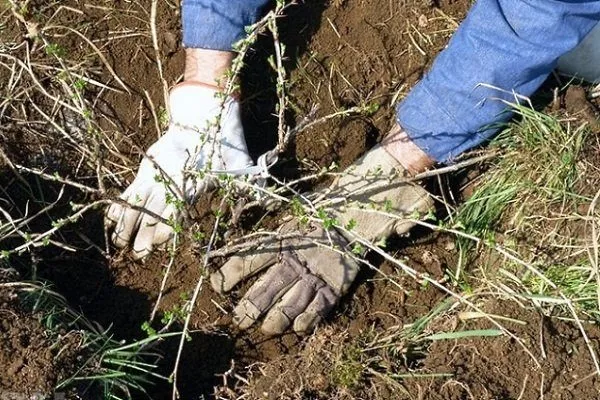
It's best to plant in the fall—the first half of September. Over the fall and winter, the plant will have time to take root, grow stronger, and delight you with a strong, healthy bush in the spring.
- ✓ Soil acidity levels should be between pH 6.0-6.5 for optimal growth.
- ✓ The distance between bushes is at least 1.2 m to ensure sufficient space for the root system to grow.
Selecting soil
The roots of the Rodnik gooseberry cannot grow and develop normally in waterlogged areas, and proximity to groundwater is contraindicated. Loam soils are an excellent option, but the acidity level should be checked. If it exceeds the recommended level, lime should be added. This procedure is often performed a couple of months before planting.
Do not plant Rodnik after other berry crops, as they greatly deplete the soil.
Landing rules
Correct planting is the key to excellent fruiting of the bush.
Planting pattern:
- A couple of months before planting the seedling directly into the ground, clear the soil of fallen leaves and other organic matter, and add lime if necessary.
- Make holes 50 cm deep and approximately 1 m wide. Place a fertilizer mixture at the bottom: 1 bucket of compost, 50 g of superphosphate, and 50 g of potassium chloride. If the soil is too heavy, add river sand.
- When planting several seedlings, leave a distance of 1 m between them.
- Prepare the bushes for planting: a couple of hours before planting, soak the roots in a solution that stimulates the growth and development of gooseberries.
- Shorten the shoots to the 5th bud so that the plant does not grow too wide in the future.
- Place the seedling into the hole, hold it in an upright position, straighten the root system and ensure that the root collar does not go below ground level.
- Compact the root zone and cover it with a layer of mulch, using peat or sawdust. Read more about soil mulching.Here.
Young gooseberries take root very poorly, so it is better to root Rodnik using one-year-old seedlings.
Basic rules for planting Rodnik:
- Choose suitable soil and planting location
- Do not plant plants close to groundwater.
- Maintain a distance of 2 m between bushes.
- Plant the plants at a depth of 0.5 m.
- Feed the seedlings with superphosphate.
Watering
If your region receives significant amounts of rainfall, you won't need to water your gooseberries. The plant doesn't require much water, as long as the soil doesn't dry out. If there's no rain, the soil will need watering. Pour water around the root system to distribute it evenly across the shoots. However, don't overwater the root collar.
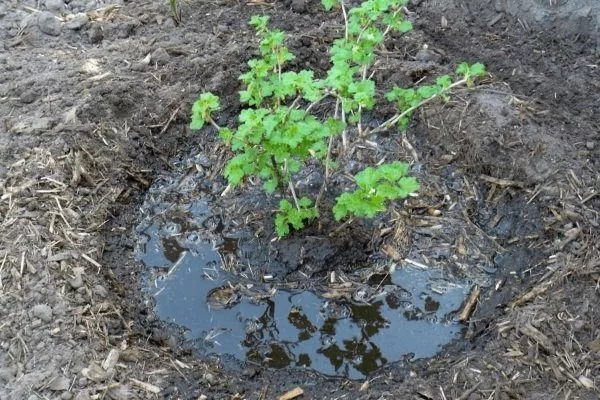
During the formation of ovaries, the soil should be moist.
Top dressing
Fertilizers are applied during planting, so additional feeding is not necessary after planting.
Follow this pattern:
- During the bud formation season, 50 g of nitroammophoska is added to the soil.
- At the time of formation of ovaries – 150 g of wood ash.
- Fertilizer is necessary after harvesting. Add liquid organic matter to the soil (1 liter per 10 liters of water). Bird droppings or cow manure are also suitable. The droppings must be well-rotted, otherwise there is a risk of burning the plant's roots.
- With the onset of spring, before the buds open, add nitrogen-containing fertilizers: ammonium nitrate or urea up to 20 g.
Trimming
Not every gardener pays attention to proper bush pruning. Pruning gooseberries helps produce larger berries and also protects the plant from pests and diseases.
This procedure is often necessary in early spring or late fall. In spring, pruning should be completed before the sap begins to flow.
The main rule for pruning a plant is to first remove diseased, old, and non-fruit-bearing branches. Otherwise, the bush will waste energy, and the berries will be small and tasteless.
During this process, pay special attention to the number of branches on the bush; do not prune all shoots from a single year. Branches from the first, second, third, and subsequent years should remain on the Rodnik.
The crown should be thinned, leaving only strong and fruitful branches on it; shaping should only be done when the bush has grown more than 20 branches.
Proper pruning at the right time will ensure a bountiful harvest. Rodnik boasts numerous advantages, although it was only bred in 2001, but has already established itself as a leader in the gardening world.
Drought and frost resistance
The plant doesn't require a lot of moisture, so it can withstand both scorching sun and drought. However, don't test Rodnik; don't allow the top layer of soil to dry out completely.
The shrub is highly frost-resistant, surviving winters well, even when temperatures drop to -35 degrees Celsius. This characteristic allows the plant to quickly adapt to northern regions. The flowers are resistant to spring frosts.
Preparing for winter
In the autumn, the soil is cleared of organic matter and debris, thus depriving pests of a place to overwinter.
You can find more information on how to care for gooseberries after harvesting inthis article.
If you've recently planted a seedling, or if temperatures in your area exceed the plant's tolerance, you should use winter cover. Use agrofibre as a covering material.
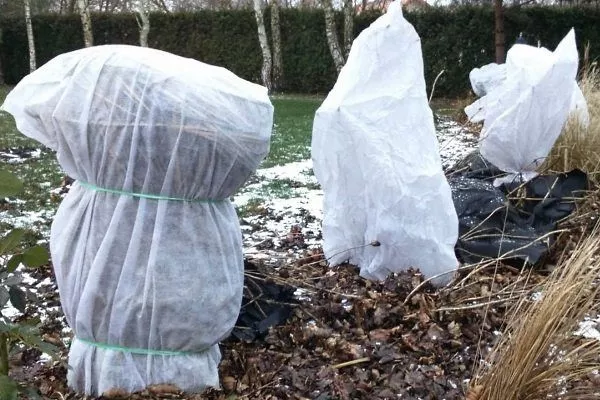
The tree trunk circle is covered with dry peat, dried straw or other mulching material.
| Disease | Sustainability |
|---|---|
| Powdery mildew | High |
| Septoria | High |
| Anthracnose | Low |
Resistance to diseases and pests
Spring is resistant to many diseases, and is not susceptible to powdery mildew or septoria leaf spot. It is susceptible to anthracnose. To combat this disease, treat the plant in the first days of spring with copper sulfate. To prepare, mix 40 grams of the solution with 10 liters of water.
All leaves and branches that may harbor fungal spores and harmful insect larvae should be collected and burned.
If the disease has already begun to develop rapidly, then treatment should be carried out with Bordeaux mixture (1%) 4 times per season:
- first treatment before flowering;
- the second - after flowering;
- the third – 2 weeks after the 2nd spraying;
- the fourth - immediately after harvesting the fruits.
Gardeners' reviews of the Rodnik gooseberry
The Rodnik gooseberry deservedly holds a leading position in the garden; it's versatile, producing delicious and healthy berries. Fresh, the fruits add variety to your summer dishes and are used to make compotes, preserves, and jams.