
The Malachite gooseberry is a low-calorie and nutritious fruit. It is extremely popular due to its vibrant green color and waxy coating, which gives the berries an unparalleled shine.
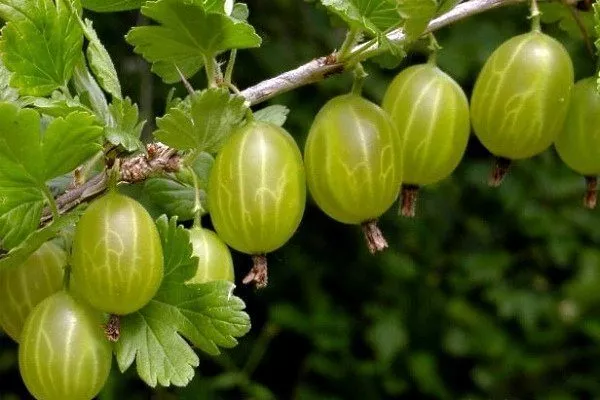
gooseberry variety "Malachite"
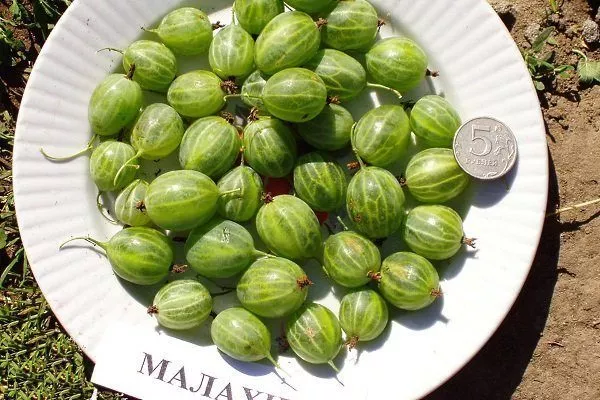
The gooseberry "Malachite" is unpretentious and has good characteristics, for which it is appreciated by many gardeners and summer residents
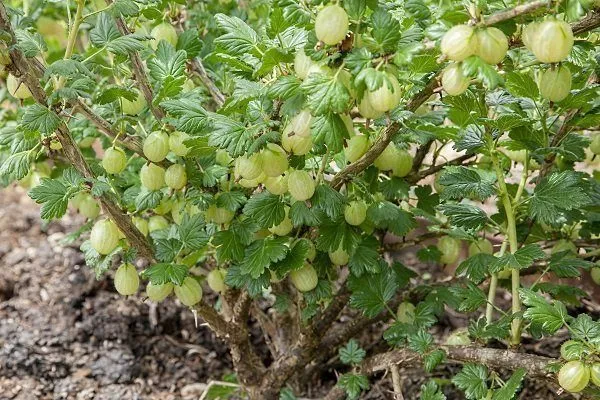
"Malachite" differs from other varieties by its large berry size, increased yield and transportability.
History of the variety's development
Gooseberry is a traditional crop of the genus Smorudinus. Gardeners have recently developed few varieties. Work on the Malachite cultivar began in the 1940s. In 1959, the plant was added to the State Register of the Russian Federation. The first successful plants began to appear in 1950, and breeders spent nine years testing the bush. The parents of the hybrid are the Black Negus and Finik gooseberries. It was developed at the I.V. Michurin All-Union Research Institute of Horticulture.
Advantages and disadvantages of Malachite
Renowned for its high yields and excellent frost resistance, the plant is susceptible to anthracnose. Let's take a closer look at the pros and cons of this shrub.
Advantages of the Malachite variety:
- The yield is regular.
- With proper planting and subsequent care, one plant can yield approximately 4 kg of ripe and juicy berries.
- Excellent taste.
- The berries have unique uses. They can be eaten fresh, preserved, frozen, and dried.
- Resistant to powdery mildew.
- The berries don't fall from the bush. They can remain on the branches for some time after they're fully ripe.
- The fruits do not spoil during transportation and do not lose their marketable appearance.
The main disadvantages of the Malachite gooseberry:
- weak immunity to anthracnose;
- If not properly cared for, yields may fall below average.
Characteristics of the variety
Reviews of the Malachite gooseberry show it from different perspectives. Some gardeners consider it the best variety, while others avoid growing it. But all these reviews have one thing in common: a realistic description of the bush.
Malachite is a perennial shrub variety. The plant has stood the test of time and weathered in various climates.
Features of the shrub:
- Medium height (maximum height – 1.5 m).
- It grows widely and has a medium number of thorns.
- The berries are small, round in shape, with a pronounced waxy layer.
- Gooseberries taste sour but aromatic.
- The plant produces fruit early and bears fruit for a long time.
- The variety is frost-resistant and not afraid of sudden temperature changes.
- Can be grown commercially.
For a review of the Malachite gooseberry variety, watch the video below:
Bush
Growing the Malachite shrub requires a large plot of land, as it has spreading branches with dense foliage. It grows to a medium height. The bark is gray-brown, and the leaves are large, matte green. The flowers are small and have distinct outlines.
Berries
The berries are large and light-veined, and begin to ripen in midsummer. If you want to increase the sugar content of the berries, don't pick them immediately after ripening. Over time, the berries become sweeter and develop a more intense color. Each berry weighs approximately 5 g.
Gooseberries can be stored in a cool place for up to 1 week. This depends on their ripeness. You can store them in the refrigerator or cellar. The refrigerator preserves the berries a little longer.
During the winter, gooseberries are frozen, which helps preserve many of their beneficial properties. To do this, the fruits are placed in the refrigerator and then transferred to the freezer.
Ripening period
The plant is characterized by mid-early ripening: the plant flowers in May, the fruits ripen in late June, and the harvest can begin in late July. The bush bears fruit unevenly but consistently. Several harvests can be collected from a single plant during the season; the berries need only be allowed to ripen, where they will acquire a golden color and become sweeter.
Productivity
One of the shrub's main advantages is that it is self-pollinating, meaning it produces both male and female flowers. It begins to bear fruit two years after planting. Initially, the berries are sparse, but in subsequent years, the shrub will surprise its owner. The plant continues to bear fruit for up to 15 years, provided it is planted and cared for correctly.
Transportability
The berry skins, although thin in appearance, are firm. Gooseberries can be handled without harming the fruit. This does not affect their flavor or appearance.
Drought resistance and winter hardiness
Malachite is an excellent choice for growing in any region. It tolerates both positive and negative temperatures. However, remember to provide shelter during the winter and water it thoroughly in the summer.
Resistance to diseases and pests
A state commission examined all the characteristics of the variety. The plant has strong immunity to powdery mildew, but is occasionally attacked by sawflies and aphids. The greatest threat to the shrub is anthracnose, so regular preventative measures are essential.
Growing conditions
Planting Malachite requires, first and foremost, a well-lit location, taking into account nearby fruit trees that can provide shade. The plant is not harmed by drafts or strong winds, but the berries may fall off, so a small shelter is recommended.
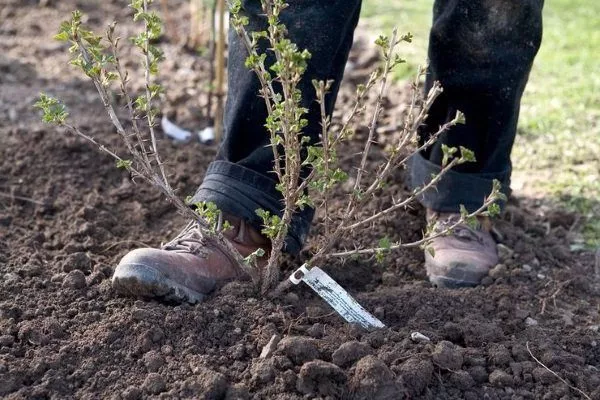
Avoid planting close to groundwater, as this can lead to fungal diseases. The site should be level or slightly elevated; avoid planting the shrub in low-lying areas.
Malachite grows in clean, well-maintained soil free of weeds or last year's foliage. Aeration is especially important; black soil or loamy soil is preferred for planting.
Landing time
The plant can be planted outdoors in spring or fall. However, the fall option is preferable, as this allows the root system to establish itself before the cold weather sets in, and Malachite will begin to develop fully in spring. Plant in clean soil. Space the shrubs at least 1 meter apart.
Planting diagram
Buy seedlings only in specialized stores, because market sellers can replace the cuttings with another cheap plant variety.
- ✓ The seedling must have at least 3 healthy shoots without signs of disease.
- ✓ The root system must be well developed, without damage or signs of rot.
Rules for planting gooseberry Malachite:
- Deepen the root zone by 5 cm; this will allow the seedling to develop a root system more quickly and make transplanting easier.
- Plant before the sap starts to flow.
- Finished cuttings should have up to 5 shoots.
- Before planting, treat the seedling's root system with ash and a disinfectant. This is especially important if you notice any damage to the root system.
- Shoots should be no more than 15 cm long. Stems should not be longer than the main root – pay attention to this when purchasing a seedling.
- Leave a 1-meter gap between seedlings. Remember, if the bushes become too dense, caring for the Malachite will be very difficult. This will negatively impact the flavor of the gooseberries.
- If you plan to plant a large number of bushes, increase the distance by 1.5-2 times. Dig the hole 0.5-0.6 m deep. Do not apply fertilizer.
- Limit yourself to watering the plant only; add fertilizer to the root zone once the gooseberry has fully established itself in your garden. When planting in the fall in sandy loam soil, pour 10 liters of water under each seedling. In the spring, use 5 liters, as the soil is already moist.
- ✓ The seedling planting depth should be at least 50 cm to ensure stability and development of the root system.
- ✓ The distance between bushes should be at least 1.5 m to ensure sufficient space for growth and prevent thickening.
Basics of seasonal care
Growing a crop has certain characteristics that require attention. Key maintenance measures include watering, loosening the soil, pest control, mulching, fertilizing, and pruning.
We recommend reading the article about How to care for gooseberries in autumn.
Soil care
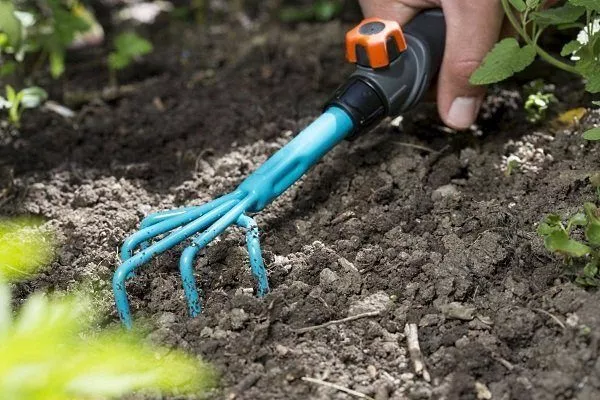
Standard soil care includes loosening the soil and removing weeds. In summer, mulch can be used to help retain moisture. Mulch can be made from sawdust, straw, or nut shells. It improves the soil structure, prevents drought crusting, and slows down grass growth.
Supports
Gooseberries reach a height of 1.5 meters. Shoots this long often fall to the ground or simply bend toward it. This is especially noticeable during fruiting. To prevent the berries from falling to the ground and the branches from being damaged, several types of supports can be used.
Supports for gooseberry Malachite:
- Tying with twine. This is the simplest method, used when the bush is ripening. It protects the stems and berries from dying; they don't sink too close to the soil and are not susceptible to pest attack. Support is inconvenient, especially during harvest.
- Square or round supports on posts. They are installed around the plant and take up a lot of space. The height of one support is approximately 0.5 m. In this case, the branches rest on the rigid walls of the posts.
- Trellis. The bush's height allows it to be placed on a trellis. This method is ideal in every way. Setting them up is easy, and harvesting is quick and easy.
Watering
A good harvest is only achieved when the plant receives all the necessary nutrients and maintains its water balance. Water the gooseberry during the formation of ovaries, the formation of young shoots, and during ripening. To stimulate root growth and prepare the bush for cold weather, perform a moisture-replenishing watering in mid-autumn.
When there is a lack of water, gooseberry berries begin to shrink and leaves fall off quickly.
Shrubs are watered at the very roots to prevent fungal diseases from attacking wet foliage. Cold water should not be used. To prevent moisture from evaporating, water the root zone. mulch.
Top dressing
The Malachite variety is an easy-to-grow crop, but it does require fertilizer, like other berry plants. Fertilizer should be applied several times a year:
- Fertilizers are applied in the 2nd year after planting to improve flowering: add 60 g of ammonium nitrate and 40 g of urea under the bush.
- After harvesting the fruits, apply potassium-phosphorus fertilizers.
Pruning and crown shaping
Immediately after planting, the shrub should undergo initial crown pruning. All shoots are shortened, leaving approximately six lower buds. Subsequent pruning should be done in the spring before the buds begin to swell and in late fall before the shrub sheds its yellowed leaves.
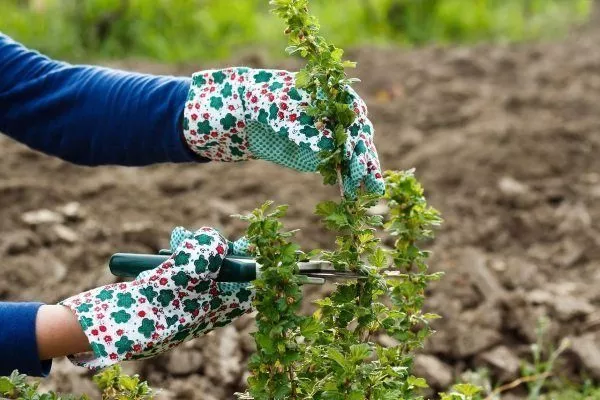
Don't delay pruning in the spring; if sap flow has already begun, pruning the branches can harm the shrub. In the fall, low-growing shoots should be pruned. Diseased and overly dark branches will suffer a similar fate. The tops of the shrub should also be trimmed back, especially if the berries have begun to shrink.
Reproduction
4 kg from one bush is not a very large harvest, but if you plant several dozen Malachite gooseberries in the area, the number of berries will increase tenfold.
The bush is propagated:
- cuttings;
- layering;
- dividing the plant;
- vaccinations;
- with bones.
Preparing for winter
Malachite is a frost-resistant shrub, but it still needs to be covered for the winter. Insulation helps the plant awaken more quickly from hibernation. Agrofibre can be used as a covering material.
In spring, before the plant awakens, the protective layer should be removed. Then, loosen the soil surface to prevent pest larvae from being found. While the insects are dormant, pour boiling water on the soil and spray the hot water on all branches of the shrub. This "shower" will awaken the buds and kill all harmful insects.
Pest and disease control
Gooseberries are often damaged by diseases and pests. The bushes are susceptible to disease, but it's important to take preventative and protective measures promptly. Once signs of illness are identified, it's important to help the plant recover quickly. Initially, gooseberries can be treated with folk remedies, rather than chemicals.
Plants can be damaged by moths, aphids, and sawflies. Regular care and adherence to all plant maintenance guidelines will reduce the likelihood of these problems. If an infestation does occur, use special solutions.
Powdery mildew does not affect gooseberries, but septoria, rust and anthracnose can damage the crop.
Basic preventive measures:
- Follow all recommendations for planting and growing gooseberries.
- Do not overgrow Malachite, prune it in time.
- Clear shrubs of leaves by burning them.
- Dig the ground under Malachite.
- Plant pest-repellent plants near gooseberries.
- In spring, treat the bush with hot water.
- Apply fertilizers that help strengthen plant immunity.
- Spray gooseberries with special products.
If a plant is attacked by diseases or pests, immediately prune the affected branches and burn them. Then, dilute organic fertilizer with water and spray the bush. You can also use concentrated ferrous sulfate.
Uses of gooseberries
The tartness of the fruit makes it a piquant ingredient in cooking. They are eaten fresh, used in salads, compotes, and jams. The berries can also be frozen.
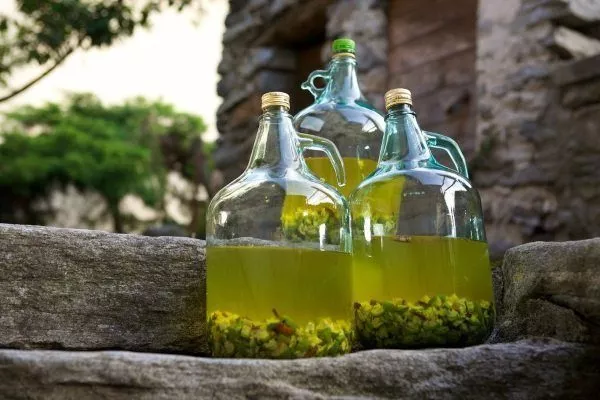
Gooseberries make a delicious filling for sweets, pastila, refreshing drinks, and desserts. They add an unrivaled flavor to poultry and meat dishes. The fruit is used to create homemade liqueurs, cordials, and wine.
Reviews of the Malachite gooseberry
Malachite gooseberries are a true helper for people. They produce a bountiful harvest and require little care. They're an excellent choice for gardeners, who are often on the go.