
The Leningrad Giant gooseberry, with its vibrant berries and easy-to-grow characteristics, has long been a favorite among gardeners worldwide. It boasts abundant yields and large fruits, and is highly resilient and has a long shelf life. Proper care is essential to achieve the best possible results.
Who developed the variety and when?
The Leningrad giant, created by breeder M. Plekhanova at the Pavlovsk experimental station in honor of N. Vavilov in the Leningrad region, was created by selecting the most excellent specimens of wild gooseberry growing in Kamchatka.
- ✓ High frost resistance down to -30°C.
- ✓ Ability to bear fruit in one place for more than 15 years with proper care.
Appearance of the bush
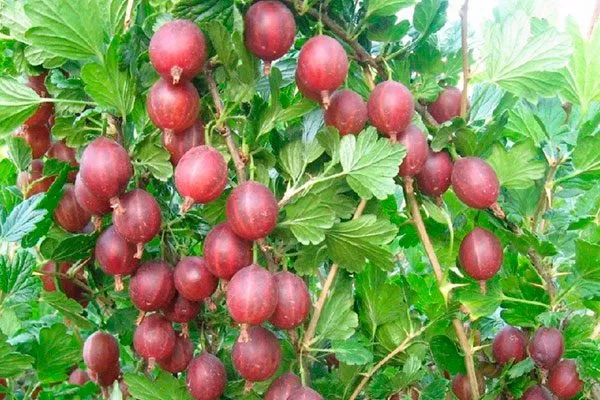
This medium-sized shrub is characterized by a wide spread and a compact, loose crown, typically reaching about 1 m in height. Its sharp, sparse spines are located at the base of the bush. The leaves are small, bright green, and divided into three segments.
Berries and their taste qualities
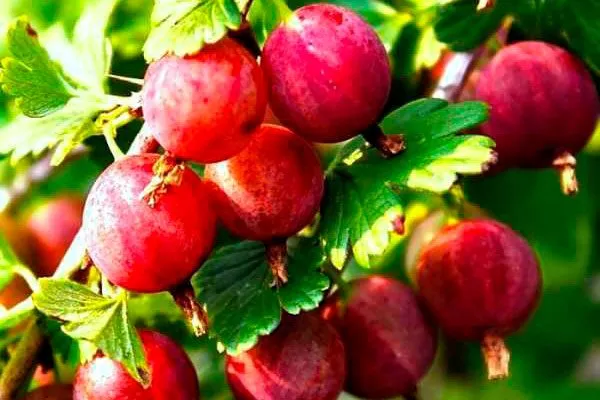
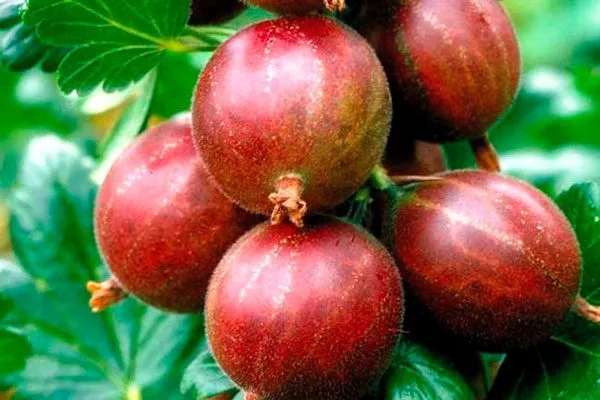
The large, dark pink berries are oval in shape and weigh approximately 5-6 grams. Their tender, fairly firm flesh is covered with a dense, slightly pubescent skin. The flavor is moderately sweet with a slight, not overly pronounced tartness.
Culinary and medicinal uses
The Leningrad giant is popular not only for fresh consumption but also for culinary and medicinal purposes.
In cooking
The culture is widely used in cooking, used to create various dishes, drinks and confectionery products, enriching them with bright taste, aroma and nutrients.
Uses of berries:
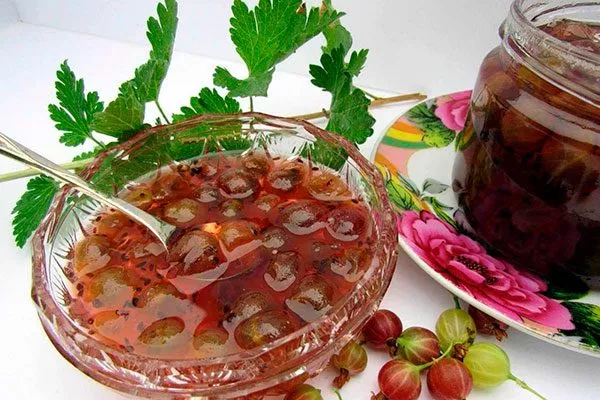
- Jams and preserves. This is due to the high content of pectin, which makes the preserves dense and aromatic.
- Juices and compotes. They give drinks a bright color and a sweet and sour taste.
- Cakes and pies. Used for decoration, as a main ingredient for fillings, adding lightness and freshness.
Fresh berries or gooseberry syrup are perfect for making homemade ice cream and sorbet, enriching them with a special aroma and taste.
In medicine
Berries have significant medicinal value due to their content of various beneficial substances that can have a positive effect on the body. Positive qualities:
- Gooseberries are rich in antioxidants, which help fight harmful free radicals, preventing premature aging of cells.
- Berries contain a wide range of vitamins, including vitamin C, B vitamins, vitamin K, and minerals such as calcium, iron and other important nutrients.
- Regular consumption helps strengthen the immune system and prevent various diseases.
- The active compounds have anti-inflammatory properties that help reduce inflammation in the body.
Gooseberries help lower cholesterol levels and maintain cardiovascular health.
Ripening period and yield
The crop is highly productive, with up to 8 kg of berries harvested from a single bush. The fruits typically do not ripen all at once, so harvesting is done in several stages. The fruits reach maturity in mid-July.
Location and soil requirements
The Leningrad Giant prefers sunny locations but can grow in partial shade, although a lack of sunlight negatively affects the yield and taste of the berries.
Choose sites protected from strong winds. The variety prefers soil with a pH of at least 6, adapting to clay, loam, and sandy soils.
Care and cultivation
To achieve high yields, regular watering, pruning, fertilizing, preventative treatments, and support are necessary. Follow these recommendations:
- The frequency of watering depends on the amount of natural precipitation. Overwatering is detrimental to gooseberries, so water when the soil is slightly dry. Overly dry soil prevents the formation of large, juicy berries.
- The optimal watering frequency is once every 7-10 days, but this schedule can be adjusted depending on climate and weather. After each watering or rain, loosen the soil around the tree trunk to prevent compaction.
- Prune mature bushes as needed, removing branches older than 7 years and any dead, internal, or damaged shoots. Prune young plants almost completely immediately after planting, leaving only 5-6 buds on each shoot.
- The bush is formed until it reaches the age of 4 years, after which all branches are pruned every year except the 4 strongest ones in order to form reliable skeletal shoots.
- Gooseberries require additional feeding starting in their third year of growth. Apply four applications per season: fertilize the bush with urea in early spring, then with cow manure (10 liters per plant) after flowering, then repeat the manure application after 2-3 weeks, and then add compost (5 kg per bush) when digging the area in the fall.
- Although the Leningrad Giant is resistant to diseases and pests, perform preventative treatments at the beginning of the growing season and after flowering. In the first case, use a 3% Bordeaux mixture, and in the second, a 1% solution.
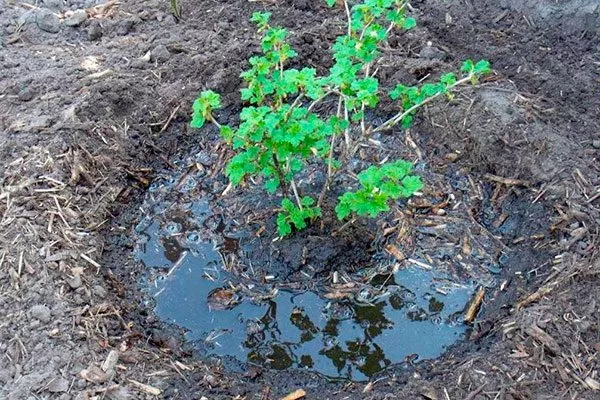
Methods of reproduction
In addition to cuttings, the plant can also be propagated by seeds. To do this, collect ripe fruits and extract the seeds. They must undergo stratification by storing them in the refrigerator at around 4°C for several months. Then sow the seeds in soil and moisten.
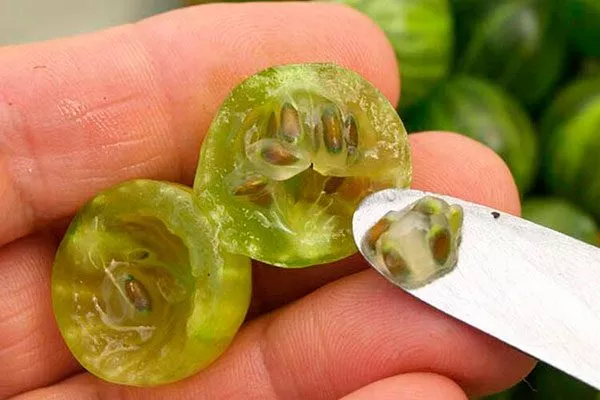
The advantages of propagating gooseberries by cuttings include quick results and the ability to preserve the genetic characteristics of the mother plant. Disadvantages include the fact that this method requires certain skills and knowledge, as rooting may be difficult.
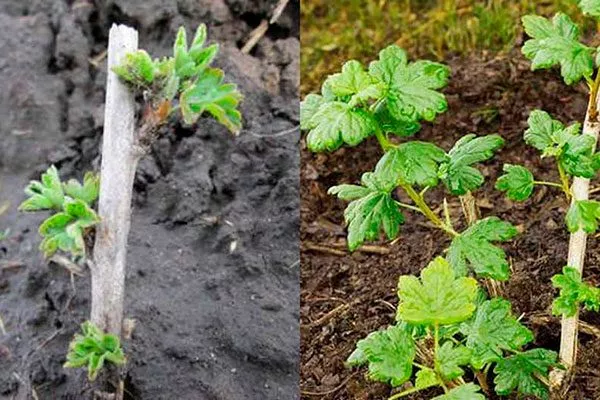
Propagation by seed is a more economical option, but it requires a longer period of time. Furthermore, there's no guarantee that the new plants will retain their varietal characteristics.
Advantages and disadvantages
The Leningrad Giant gooseberry is popular due to its many benefits.
Reviews
The Leningrad Giant gooseberry is a suitable choice for both beginner and experienced gardeners. Its compact bushes, large, juicy berries, high yield, and ease of care make it a good choice. With basic cultivation techniques, you can produce high-quality fruit that can be used in a variety of dishes.