
The Kurshu Dzintars gooseberry is a frost-hardy variety popular with both novice and experienced gardeners. It's undemanding and drought-tolerant, producing large, high-quality fruits. With proper care, the bush produces abundant fruit and is rarely susceptible to common diseases and pests.
Who owns the authorship?
It was created by Latvian experts as a result of crossing two popular varieties – Pellervo and Stern Rajiga.
Description of the gooseberry variety Kurshu Dzintars
This mid-early variety with yellow fruits is ideal for growing in the Russian climate. It is ideal for cultivation in summer cottages and home gardens.
Appearance of the bush
The bush is characterized by a compact size, not exceeding 1.5 m in height. The shoots are thin, straight, and graceful, forming a dense cover. The medium-sized foliage is a bright light green with a slight yellow tint at the base. The spines are sharp, usually singly arranged, and brownish in color.
Berries and their taste qualities
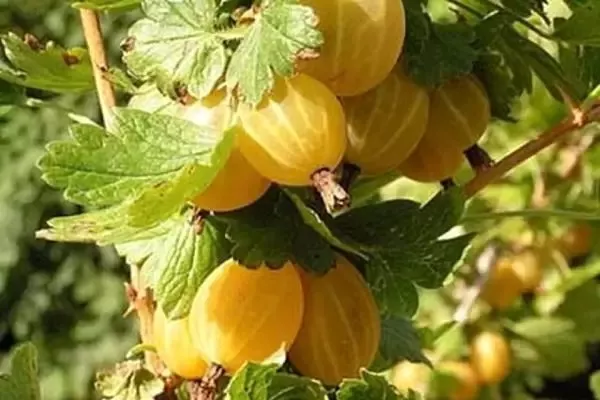
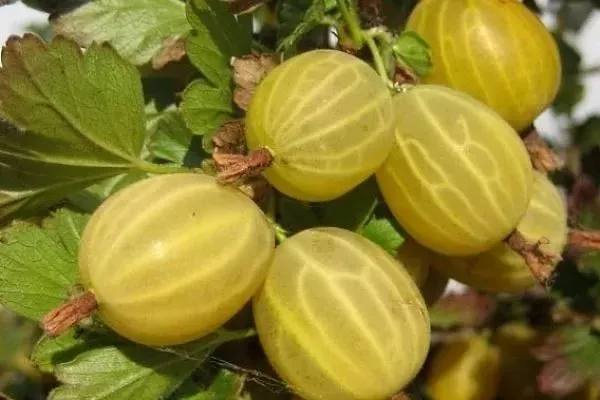
The fruits are small in size; with proper care, the maximum weight of each berry will not exceed 2.7 g. They are oval-shaped, amber-yellow in color, and have distinct veins. The skin is thin and shiny, without fuzz. They have a sweet flavor and are versatile in use.
Drought resistance, frost resistance
Kurshu Dzintars is a frost-hardy variety, capable of withstanding winter temperatures down to -32°C without additional cover. The crop can tolerate short periods of drought.
Fruiting, yield
It begins blooming in the second ten days of May, and the fruits ripen by the end of July or the beginning of August. It is characterized by a stable yield, with a single plant yielding an average of 4-6 kg of sweet and aromatic berries.
The fruits are resistant to shedding and retain their shape well on the vine. They are resilient to transportation and long-term storage, are ideal for desserts, and are widely eaten fresh. They are suitable for making compotes, preserves, marmalades, and can be used in pie fillings.
Regional cultivation features
Kurshu Dzintars is well-adapted to cold conditions, allowing it to be grown in virtually any region of Russia. It is highly adaptable and doesn't require any special conditions to thrive.
Pollinator varieties
It's a self-fertile variety, meaning up to 20% of its flowers are pollinated by their own pollen. In this case, no additional pollinators are required.
Although self-fertility ensures a certain level of yield, cross-pollination can improve both the quantity and quality of berries. To increase yield and improve fruit characteristics, it is recommended to grow this crop near other varieties that bloom during the same season.
Pros and cons of the variety
The crop is distinguished by its stable yield and the ability to maintain high fertility for many years, even without being moved from its growing site.
Other benefits of this variety include:
Among the disadvantages, gardeners note:
Suitable methods of reproduction
Gooseberries root successfully when propagated vegetatively. Gardeners increase the number of seedlings by cuttings, dividing the bush, and layering.
Layering
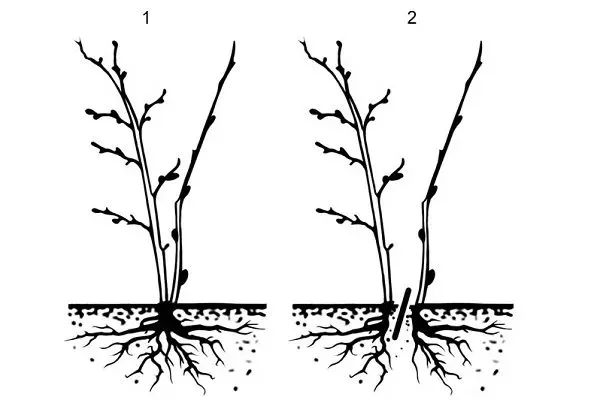
The crop can be propagated quickly and effectively using horizontal or arched layering. In the former case, the shoots are pressed horizontally into the soil; in the latter, only one spot in the middle is used. This method results in only one, stronger shoot growing.
There is a method of vertical layering, which is more often applied to older specimens:
- In autumn, cut off old branches completely.
- New shoots grow throughout the season.
- Hill up the plant several times with fertile soil.
Plant the rooted shoots for further propagation.
Cuttings
Gooseberry Kurshu Dzintars can be successfully propagated by green cuttings, woody shoots, or a combination of methods.
Dividing the bush
The division method is suitable for propagating plants that are no more than 5 years old. To do this, dig up the entire plant and divide it into individual pieces.
Planting and care
Plant seedlings in both spring and fall (preferably September-October), two weeks before the first frost. Follow these recommendations:
- Choose a suitable site: it should be sunny, allowing for the bushes to grow and be planted in groups. There should be at least 1 meter of clearance from any fence or building walls.
- Although the plant thrives in moisture, growing it in low-lying or marshy areas is not recommended. The soil should be fertile and well-drained.
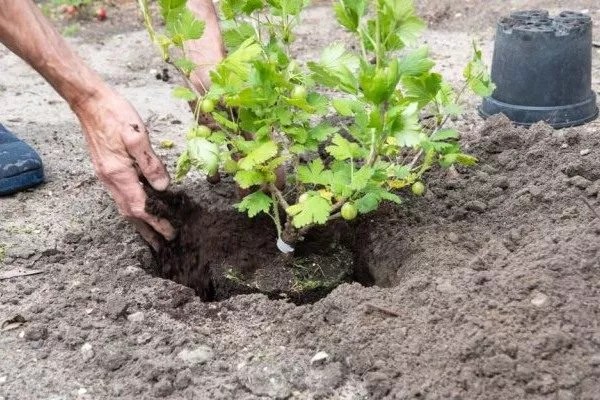
- Prepare a planting hole in weed-free soil twice the size of the seedling's root system. Mix the soil removed from the hole with organic or mineral fertilizer.
- Before planting, loosen the seedling's roots from the root ball and spread them out in different directions. Place the seedling on a prepared mound of soil and cover it with prepared soil, being careful not to bury the root collar.
To water after planting, you will need 20 liters of water – pour it around the bush in several steps.
Growing rules
The bush grows compactly, but to ensure the berries maintain a decent size, it needs to be thinned regularly. It's important to always have branches of varying ages on the plant. Follow these recommendations:
- When pruning, remove some shoots older than 7 years, as well as those that are not bearing fruit well or have dried out. Leave 5-6 young shoots. Use a sharp and clean pruning tool, and cut the shoots to the base, leaving no stumps.
- During dry summers, gooseberries require additional watering 2-3 times a day. Avoid overwatering, especially around the root collar.
- If you applied fertilizer at planting, apply further fertilizer only in the third year of cultivation. To do this, apply complex mineral fertilizers or manure in late spring.
Do not fertilize the plant at the end of summer, so as not to stimulate the growth of new shoots that will not have time to harden off before winter. - After planting, tie the young seedling to a stake to ensure vertical growth and protection from breakage in strong winds.
In the fall, loosely tie the plant and hill up the soil around it. For the winter, cover the young plant with spruce branches or non-woven covering material. In the winter, cover it with snow to help it survive the frosts.
Pests and diseases
Gooseberries are susceptible to attack by the following pests: scale insects, moths, sawflies, and aphids. To prevent insect attacks, remove plant debris from under the plant every fall, till the soil, and treat with insecticides:
- DNOC (from scale insects);
- Karate, Spark (from fire);
- Aktara, Iskra (against sawflies and aphids).
In spring, it is permissible to spray young foliage with pest control products.
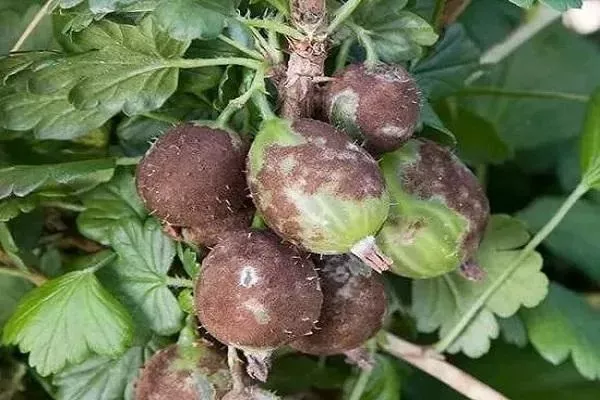
This variety is resistant to anthracnose and powdery mildew, but is susceptible to rust and septoria. To treat all these diseases, use Bordeaux mixture and a 3% copper sulfate solution, and, if necessary, special preparations such as Agrolekar.
Reviews of Kurshu Dzintars gooseberries
The Kurshu Dzintars gooseberry is a true treasure for gardeners. Its sweet, honey-flavored fruits, decorative appearance, and early ripening make it an ideal choice for cultivation. Thanks to its resistance to frost and other adverse conditions, it produces high yields year after year, provided it receives consistent care.