
Ksenia is the name of one of the most popular gooseberry varieties among gardeners. It gains more and more fans each year due to its high yield, large fruit size, excellent flavor, shelf life, and transportability. It is highly appreciated by gardeners and farmers who grow berries for sale.
Description of the Ksenia gooseberry
This berry variety is renowned for its early ripening and excellent yield. It also boasts other distinctive features:
- strong immunity (the bushes are resistant to fungal infections such as powdery mildew and are rarely affected by pests);
- the possibility of cultivation both in northern regions with harsh winters and in the south;
- high productivity of bushes;
- excellent quality characteristics of the crop.
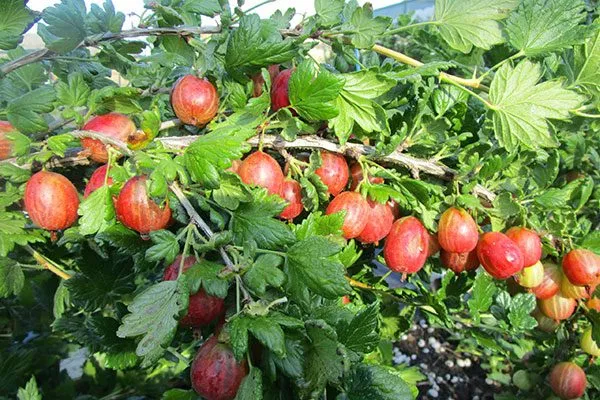
This variety is ideal for commercial cultivation. However, heavy soil conditions during mass plantings can lead to nutrient deficiencies, resulting in smaller berries. Farmers growing this gooseberry commercially will need intensive fertilization.
Who developed the variety and when?
Xenia is a Swiss-bred achievement. It was developed by Peter Hauenstein. The variety was created by crossing Invicta and LS 9-31-54 gooseberry varieties. Certified in 1990.
Appearance of the bush
Bushes of this variety are characterized by a rapid growth rate and compact size. They possess the following distinctive features:
- short “stature” - from 0.85 m to 1.2 m;
- medium-dense crown, the diameter of which does not exceed 0.3 m;
- strong, straight shoots growing vertically;
- a small number of single thorns located on the lower branches (the older the bush, the fewer thorns it has);
- medium-sized leaves, green in color, with a shiny surface.
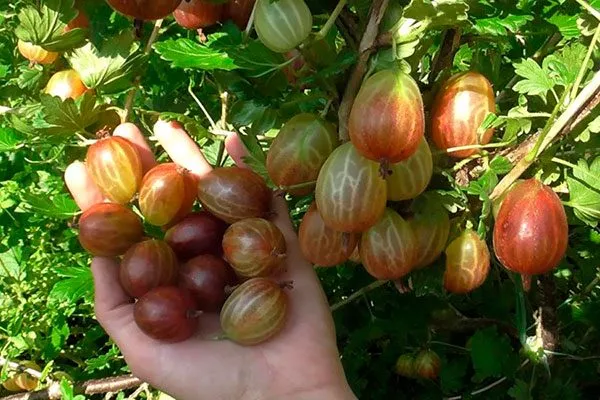
This gooseberry tree looks quite decorative thanks to the abundance of large berry clusters on its branches. It can beautify any garden plot.
Berries and their taste qualities
The Ksenia variety is renowned for its large fruit and high-quality harvest. Its berries possess the following characteristics:
- weight - from 6 g to 14 g;
- spherical and slightly elongated shape;
- a smooth surface without any ridges;
- thin but strong skin of red-violet color with a pinkish tint;
- juicy pulp.
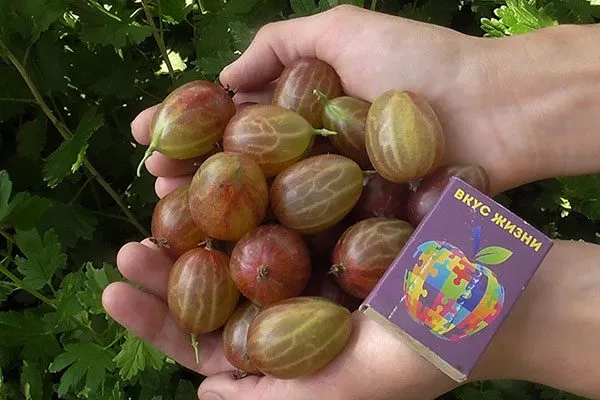
This gooseberry variety has a dessert-like flavor, combining sweetness with a hint of tartness. It has a tasting score of 4.5 out of 5.
This berry is not only delicious but also healthy. Its pulp is rich in nutrients valuable for the human body:
- vitamins;
- acids;
- pectin;
- anthocyanins;
- phosphorus;
- iron.
Eating fruits of this variety gives the following positive effects:
- cleanses the body of radiation due to its high pectin content;
- strengthens the immune system;
- increases vitality;
- solves the problem of hypovitaminosis;
- normalizes digestion.
Ksenia berries offer the greatest health benefits when eaten fresh. They are also suitable for making the following delicacies:
- jam, including "cold" jam;
- jam;
- marshmallows.
Housewives also use this gooseberry to make compote, as a pie filling, and to make sweet preserves for the winter. They also add it to summer desserts and fruit salads.
Ripening period
Ksenia is an early-ripening garden variety. Its bushes bloom in April. They are self-fertile, pollinating naturally. The harvest ripens in June. In temperate climates, if spring is warm and early, you can sample the first berries as early as the 10th of June.
Drought resistance, frost resistance
This variety is renowned for its resistance to low temperatures. Its bushes can withstand temperatures as low as -34°C. They are successfully grown not only in the north of the country but also in the south, as they withstand summer droughts.
Fruiting, yield
This gooseberry variety begins bearing fruit in the second year after planting. Its yield figures are as follows:
- A two-year-old shoot produces 2-3 kg;
- 10-12 kg - one adult plant.
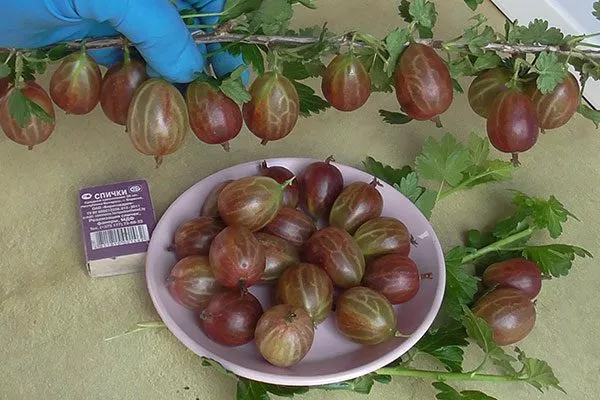
These berries are resistant to rain and gusts of wind. When ripe, they don't fall from the branches. They hang on the bush for a long time without bursting or drying out. They are distinguished by their dry detachment.
Advantages and disadvantages
Before you begin growing this variety in your garden, consider all its pros and cons. Ksenia has many advantages over other gooseberry varieties:
The only drawback of this variety is its bushes' increased need for fertilizer. This is especially true for group plantings, which quickly deplete the soil due to their increased yield.
Features of reproduction
This variety of gooseberry is characterized by difficulty rooting cuttings. Gardeners growing this variety on their own plots do not use this method of obtaining planting material.
Planting and care
Plant the Ksenia gooseberry in early spring or fall. If you prefer spring planting, try to do it before the first leaves appear on the branches. It's also important to prevent the possibility of frost returning.
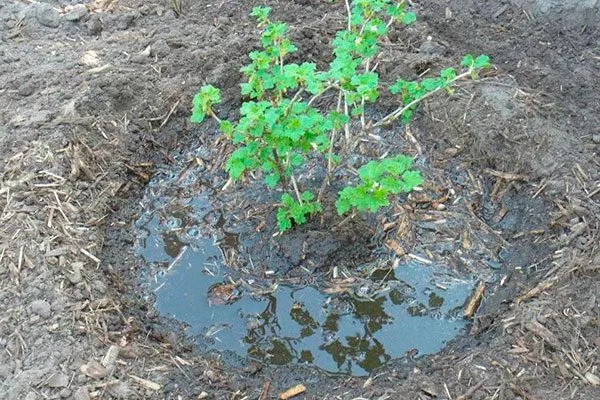
Plant berry crops in spring at the following times:
- in the south - in mid-March;
- in the central regions - at the beginning of April;
- in the north - at the end of April and in May.
To ensure good growth, development, and fruiting of this gooseberry variety, choose the right planting location. Choose a site with the following characteristics:
- well lit by the sun;
- protected from the north and northwest winds, from drafts;
- with sandy loam or loamy soil, moisture-retentive, well-drained, slightly acidic or neutral (pH 6-7).
- ✓ The soil pH level should be strictly within 6-7, measure it before planting.
- ✓ The soil should be well drained, avoid areas with stagnant water.
When growing berries, their proximity to other plants is crucial. Gooseberries grow well next to tomatoes and herbs like basil and sage. Unsuccessful neighbors include black currants (they share common diseases) and strawberries, with their aggressive root system.
When planting Ksenia, follow these steps:
- Dig planting holes. Ideal dimensions are 50x50x60 cm.
- Place some organic matter, such as rotted cow manure or humus (8 kg), at the bottom of each container. Add ash (0.5 kg) and superphosphate (0.2 kg).
- Place the seedling in the hole. Spread out its roots. Cover them with soil. Deepen the root collar by 4 cm.
- Water the seedling generously, using 8-10 liters of water. Mulch the soil underneath with pine sawdust.
When planting gooseberries in groups, follow this pattern:
- distance between bushes - 0.75-1.25 m;
- between rows - 1.8-2 m.
To ensure good fruiting from this berry crop, provide the bushes with proper care. They require the following:
- WateringAfter planting the bushes in spring, water them once every 10-14 days. Use 10 liters of water per plant. Avoid watering completely during rainy summers.
- Pruning bushesCarry out shaping, rejuvenation, and sanitary procedures. Shorten last year's shoots by a third. Completely prune out horizontal, crooked, and inward-growing branches.
- Top dressingTo obtain a large, high-quality harvest and speed up ripening, use organic fertilizers. Water the gooseberries with a mullein solution (1:10). During the formation of fruit ovaries, apply potassium salt (40 g per bush) to improve the taste of the berries.
- Preparing for winterThis variety is frost-hardy. Its bushes require no winter cover. Preparing them for the cold season involves pruning, watering, loosening the soil, and mulching with humus.
Also in the fall you will need to add fertilizer: double superphosphate (0.12 kg per 1 plant) and potassium salt (0.1 kg).
- Apply nitrogen fertilizer in early spring to stimulate growth.
- During the flowering period, add phosphorus-potassium fertilizers to improve fruiting.
- In the fall, apply organic fertilizer to prepare the bush for winter.
Pests and diseases
This variety of gooseberry has a strong immune system. However, with improper cultivation practices and unfavorable weather, its bushes are susceptible to pest attacks and diseases.
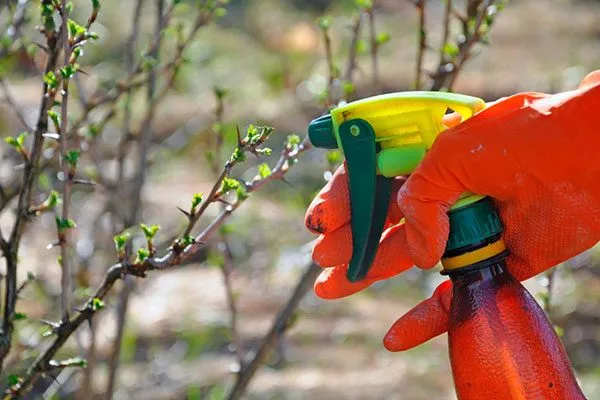
To prevent berry crop diseases, carry out the following measures:
- treat the gooseberry planting with Bordeaux mixture (concentration - 3%) before the buds open;
- Inspect your plants regularly for early signs of pests and disease symptoms.
If you suspect a fungal infection, use fungicidal preparations to treat the bush:
- Topsin;
- Topaz;
- Falcon.
Reproduction
Propagate the Ksenia berry variety in one of two ways:
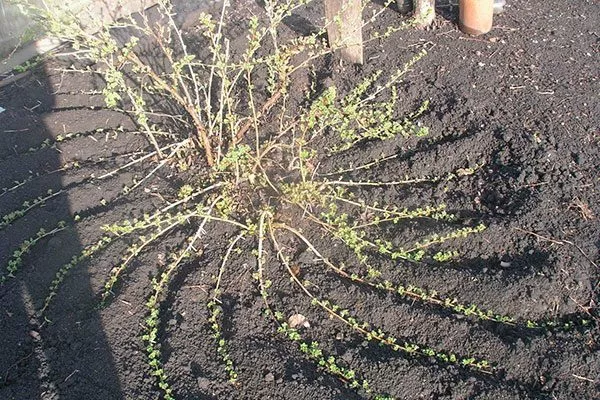
- LayeringFrom a three-year-old bush, select strong branches located close to the ground. Pin them to the ground using metal or wooden forks. Water regularly. Once rooted, transplant the resulting new plants to their permanent location.

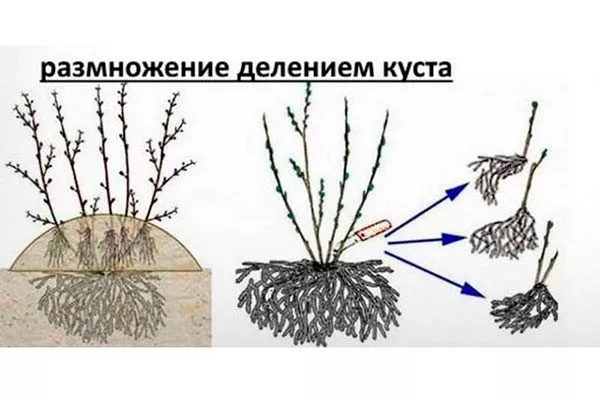
- By dividing the bushDig up a strong, mature plant. Divide its roots into sections. Root the resulting seedlings. These bushes will begin to bear fruit in the second year after planting.
Reviews
Ksenia is one of the best modern gooseberry varieties. It is very popular in European countries. Domestic gardeners and agricultural business owners have also come to appreciate it for its large fruits, high yield, and strong immunity.