
The Consul gooseberry was developed recently. Breeders wanted to develop a variety suitable for cultivation in regions with challenging weather conditions. The result is a frost-resistant gooseberry with tasty fruit and few thorns.
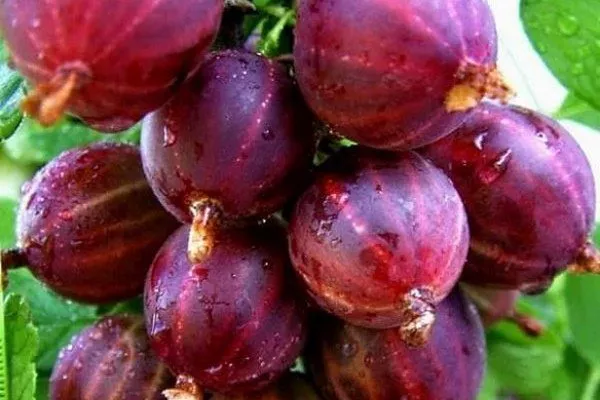
gooseberry variety 'Consul'
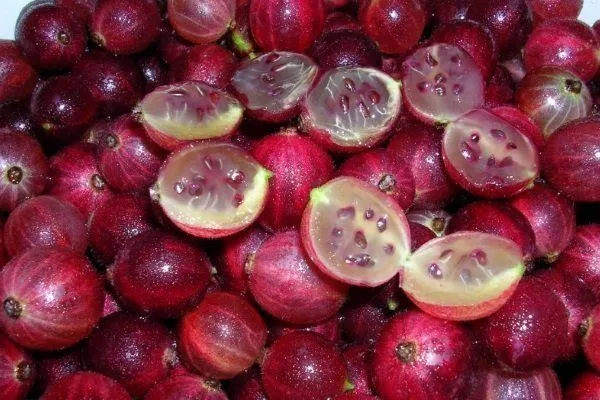
The distinctive feature of the 'Consul' gooseberry fruit is its thin skin and small number of seeds inside
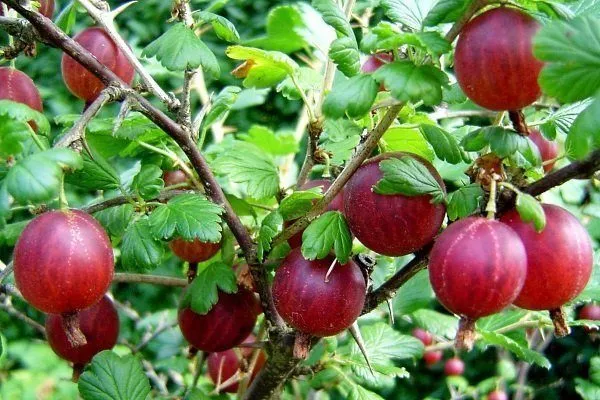
The 'Consul' variety is of particular value to gardeners, as it is thornless and highly productive.
How did the variety appear?
Consul also has a second name, Senator. This fruit variety was developed by V.S. Ilyin, an employee of the South Ural Research Institute. Work on creating this variety began in the 1980s. However, the gooseberry was finally added to the register in 1995, albeit under its second name, Senator.
The variety was developed using gooseberry varieties such as Chelyabinsky Zelenyi and Afrikanets. From these varieties, Consul inherited its good tolerance to low temperatures and adverse weather conditions. These properties make it suitable for cultivation in cold climates.
What does the Consul look like?
Consul is almost completely thornless. This is a significant reason why it is loved by gardeners and farmers. The plant's smooth stems make harvesting easier, and it's also relatively easy to care for without the risk of pricking your hands.
Description of the bush
Consul is a tall shrub, reaching 1.8 m in height. Its crown is quite dense and spreading. The gray-brown branches are straight or slightly concave. The foliage is bright green and wrinkled.
Consul has very few thorns, mostly located in the middle of the shoots. This allows for significant space savings in the garden. One-year-old shoots typically have one or two thorns, but these quickly disappear.
Description of berries
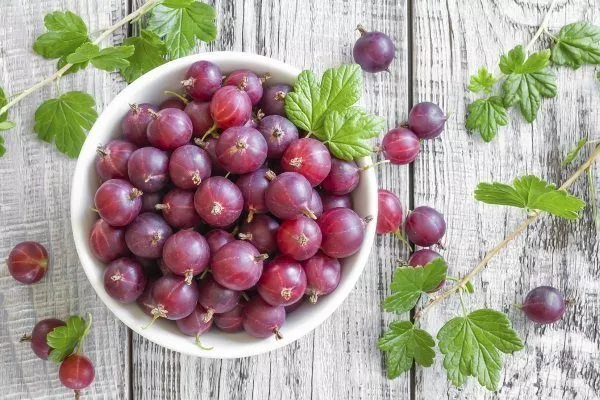
Consul gooseberries are typically round and medium-sized. They weigh between 2.5 and 6.5 grams. They are burgundy in color, darkening as they ripen. They contain few seeds, the flesh is juicy and translucent, and the skin is very thin. They have a pleasant flavor, combining sweetness with a hint of tartness.
Productivity and fruiting characteristics
Consul produces a high yield. With proper care, up to 20 tons of berries can be harvested from one hectare. A single bush can produce up to 3 kg of fruit per season in the first year after planting, and then increase its yield to 6-8 kg.
The video below provides an overview of the gooseberry variety "Consul":
The Consul gooseberry is a self-pollinating variety. This means there's no need to plant additional trees nearby for pollination. This fruiting plant has a lifespan of over 20 years.
Susceptibility to drought and frost
This gooseberry variety is renowned for its resistance to frost and drought. The plant's bushes can withstand particularly low temperatures, down to -30 degrees Celsius. They are also resistant to early spring frosts. Summer droughts also don't harm the "Consul." However, to help the gooseberry cope with the heat, it needs frequent watering in such weather conditions.
Resistance to diseases and pests
This variety is resistant to various pests and diseases, making it possible to grow it without the use of extensive chemicals. This gooseberry is resistant to powdery mildew, sawflies, and septoria leaf spot. However, in hot, dry weather, the plant can be attacked by gooseberry aphids or moths.
Lighting and wind requirements
Consul is fairly easy to care for, but if you choose the wrong location, you can forget about a good harvest. The planting site should be well-lit. Furthermore, the plant should be protected from strong winds. A good option is to plant the shrub along a fence to protect it from drafts.
Soil requirements
Plant Consul in loamy or sandy loam soil. Loamy soil is preferred. This variety thrives best in this type of soil. The soil should be moderately moist.
- ✓ The optimal soil pH level should be strictly within 5.5; deviations can lead to a decrease in yield.
- ✓ The soil must be well-drained, as stagnant water at the roots leads to their rotting.
Avoid planting this variety in overly wet, heavy, or clayey soil. Also unsuitable are areas near bodies of water or marshy areas. If no other option is available, ensure adequate drainage in the planting holes.
The optimal soil pH should not exceed 5.5. Furthermore, avoid planting where raspberries or currants were previously grown. The soil will be depleted after these cultivations, and there's a risk of infecting the bush with diseases common to these berries.
Advantages and disadvantages of gooseberries
Analyzing the characteristics and properties of Consul, we can identify its main advantages and disadvantages. Incidentally, this variety is suitable for both experienced and novice gardeners.
Advantages:
- high yield;
- absence of a large number of thorns;
- self-pollination;
- the ability to tolerate low temperatures, which makes it possible to grow it in cold regions;
- resistance to pests and diseases;
- long lifespan;
- pleasant taste.
As for the disadvantages, they are as follows:
- poor transportability due to thin skin;
- sensitivity to drafts and winds;
- sensitivity to overdried soil.
Time, place and landing scheme
Plant Consul starting in the first half of March, after the last snow melts, or in early autumn, approximately 30 days before the first drop in temperature. Try to plant it immediately after purchase, as it's unknown how long the seedling has been out of soil.
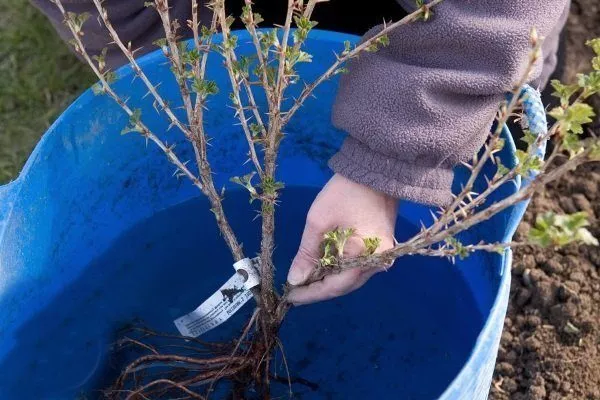
When choosing seedlings, look at their roots: a cross-section should reveal a greenish or yellowish core. However, if the trunks are darker than the rest, avoid them. The branches of the seedlings should not break, but be flexible.
Planting scheme for gooseberry 'Consul':
- soak the seedlings for 24 hours before planting in a growth stimulating substance;
- plant gooseberry bushes at least 1.5 m apart;
- dig holes 50-60 cm in diameter and depth;
- pour peat or a small amount of humus onto their bottom;
- add fertilizer - 50 g each of potassium salt and superphosphate;
- remove dead shoots from the seedling, if any, and cut the branches by a third;
- When planting a seedling, carefully straighten its roots - deepen the root collar by 6 cm;
- fill the hole with soil and compact it;
- cover the soil around the roots with straw, sawdust or pine needles;
- Water the planted bush thoroughly.
Next, water the Consul, remove weeds, and remove diseased and dead branches. The planting site should be protected from drafts and well-lit, otherwise the berries will ripen unevenly and very slowly.
How to care for gooseberries
To reap a bountiful harvest, planting gooseberries correctly isn't enough. Proper care is also essential. This includes monitoring soil moisture, applying various fertilizers, pruning and staking the bush, properly preparing the plant for winter, and more.
You can learn about how to care for gooseberries in the fall after harvesting fromthis article.
Humidity and watering
The soil for the Consul plant should be rich in nutrients and at the same time have the optimal moisture level. Water the gooseberry regularly during its development and flowering period. After watering, loosen the soil.
Don't overwater. It's enough to do this when the gooseberry is blooming, the first fruits have appeared, and autumn has begun. Otherwise, overwatered soil will lead to the death of the bush's root system.
Top dressing
The plant needs to be fed the following year after planting:
- At the beginning of the spring months, apply nitrogen fertilizers for active growth of branches and leaves - per bush you will need 12-15 g of saltpeter diluted in 10 liters of water (feed in 2 stages, with a difference of 7-12 days);
- in summer, before flowering begins, add 70-80 g of potassium chloride and superphosphate - these substances can be replaced with 0.3-0.4 kg of wood ash;
- After harvesting, also feed the gooseberries with manure or humus - approximately 5 kg per plant.
- At the beginning of spring, apply nitrogen fertilizers (12-15 g of nitrate per 10 liters of water) in two stages with an interval of 7-12 days.
- Before flowering, add 70-80 g of potassium chloride and superphosphate or 300-400 g of wood ash.
- After harvesting, feed the plant with 5 kg of manure or humus.
How to trim and shape bushes?
Before the buds open, gooseberries need to be pruned to shape their crown:
- remove all diseased and dried branches;
- For young bushes, leave only large and well-developed trunks;
- After trimming the foliage, loosen the soil under the gooseberry itself.
Garter and support
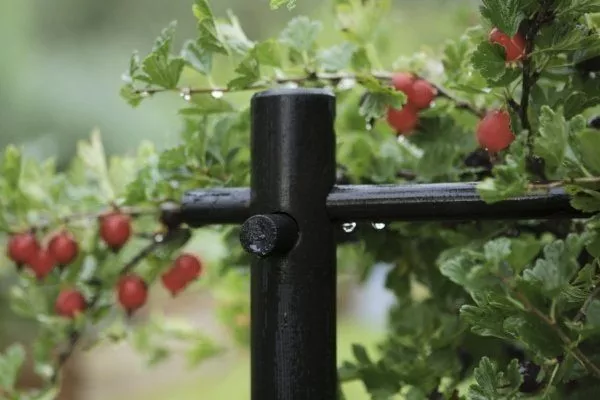
Gooseberry bushes require staking and support—wooden stakes with mesh. Staking the bush prevents the gooseberry branches from drooping toward the ground, which could damage the harvest. Additionally, staking bushes makes it easier to pick berries.
How to tie up gooseberries:
- carefully drive the stakes with the mesh into the ground, trying not to damage the roots of the plant;
- tie large branches with berries to the structure;
- You don't need a lot of support because Consul's branches grow upwards.
Preparing for winter
The harvest depends on how well the plant survived the winter. Since Consul is frost-resistant, it doesn't need to be covered. This is only necessary if the region doesn't receive a lot of snow.
What else needs to be done before winter arrives:
- trim the branches of the bush;
- spray gooseberries against pests;
- remove and burn accumulated garbage and fallen leaves;
- Feed the plant with the necessary fertilizers.
How to propagate a variety?
Consul can be propagated in two ways:
- Using cuttings. Take cuttings from July to autumn, cutting a diagonal section of a branch about 15 cm long. The cutting must contain at least a couple of buds.
Then treat the cuttings with root-boosting compounds and plant them at a 45-degree angle in loosened soil, leaving 2-3 buds above ground. Then simply water the plant. - By layering. In this case, bend the one-year-old shoots to the ground, then secure them with a metal bracket and cover them with soil. Water the shoots regularly, and when new branches appear, separate the seedling from the mother plant.
Protection from diseases and pests
Despite Consul's resistance to some typical gooseberry diseases, it still requires protection. This plant is vulnerable to columnar rust and anthracnose. Gooseberries are also sometimes attacked by moths, gooseberry aphids, and spider mites.
How to deal with this:
- Columnar rust and anthracnoseCuprozan or a 1% solution of Bordeaux mixture will help prevent diseases. Spray gooseberries with these substances before flowering and after harvesting.
- Fire moth and gooseberry aphid. To combat pests, you can use preparations such as Karbofos (dissolve 60 g in 10 liters of water) or Inta-vir (dissolve 1-2 tablets in 10 liters of water).
- Spider mite. You can get rid of it with Actellic (dilute 2 ml of the product in 2 liters of liquid). This product will also help get rid of aphids and moths. Keep in mind that Actellic is toxic to aquatic organisms. Therefore, if there are bodies of water nearby, it's better to choose another product.
Remember to regularly inspect the bushes and remove damaged or diseased branches, and also monitor the gooseberries for insect colonies. Dig the soil in the fall and loosen it in the summer, rake and burn fallen leaves – this will help control pests.
Harvesting
Consul is a mid-season fruit tree. Berries can be picked as early as midsummer, when they are ripe. Avoid leaving the fruit on the branches for too long, as their thin skin can cause them to spoil.
Transportability
Transportability is a weakness of the Consul variety. Because the berries have a very thin and delicate skin, they don't last long and are difficult to transport. Therefore, the fruits must be transported carefully and used quickly, preferably immediately after harvest.
Using berries
Thanks to its rich composition and pleasant taste, this gooseberry can be used in:
- culinary sphere – for making sweets, as a filling for various baked goods and desserts;
- cosmetology – gooseberry juice helps to whiten the face, reduce pigmentation, and moisturize the skin;
- folk medicine – the use of gooseberries is recommended for liver and kidney diseases, and as a sedative.
Reviews of the Consul (Senator) gooseberry
Consul is popular among gardeners and homesteaders due to its abundant yield, frost resistance, and ease of care. With proper cultivation and care, you can enjoy this gooseberry for many years to come.