
Gooseberries produce numerous shoots during the growing season, growing vigorously and resembling a large thorn. To maintain the bush's fertility and give it a decorative appearance, it needs to be pruned regularly. This article describes how to do this and the best time to do so.
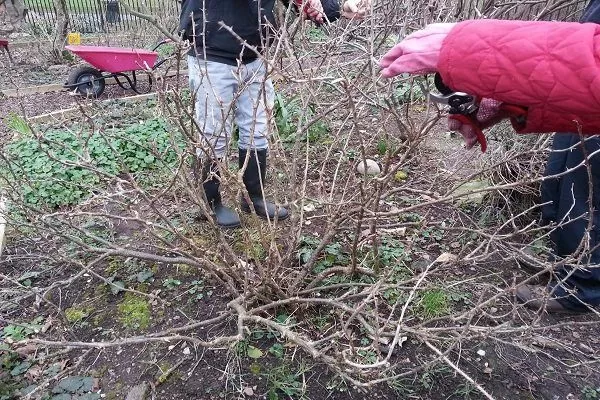
Why and how do you prune gooseberries in spring?
With regular proper spring care Gooseberry yields last for 30-40 years. To maintain this yield, seasonal pruning of the shoots is necessary. Over 3-4 years, a bush produces 50-70 shoots, which absorb moisture and nutrients from the soil. As a result, gooseberries are sick and more susceptible to pests, the number of ripe berries on its branches decreases.
In early spring, before the first buds appear, visually inspect the bush and determine which shoots were damaged by winter frosts. Remove damaged, old, and diseased branches, which reduce the bush's yield. Also, remove shoots that enlarge the gooseberry canopy and thus create favorable conditions for plant diseases.
Reasons for spring pruning
Gooseberry pruning is an essential part of medicinal plant care, requiring certain skills and abilities. There are several reasons for this, but the most common are listed below:
- Productivity. With proper and timely pruning, berries ripen faster, have a sweet taste, and maximize their nutritional value. Overgrown bushes lack light, air, and nutrients, resulting in tart berries that take longer to ripen and are smaller.
- Bush healingYoung shoots absorb all the moisture and nutrients, causing the gooseberry to gradually wilt. The leaves turn pale, the plant becomes less attractive, and the yield decreases.
- Beautiful crownI want gooseberries to beautify my farmland, not become a problem. To maintain their beauty, it's best to remove old, diseased, dead, and damaged branches.
It's best to prune the bush as soon as the last snow melts and the weather noticeably moves toward spring and warmer temperatures. Simply put, wait until all frosts have passed.
Advantages and disadvantages of spring pruning of gooseberries
After the scheduled removal of excess shoots, the plant is literally transformed, acquiring an aesthetically pleasing appearance. Besides its decorative qualities, this seasonal procedure offers a number of significant benefits:
- natural ventilation;
- minimal risk of fungal infection and exposure to harmful insects;
- increasing crop yields;
- preventing spontaneous rooting by cuttings or layering;
- correct plant shape;
- healthy root system.
If you prune gooseberries after the buds appear, the bush will become significantly weaker, so you can't expect high yields in the coming season.
What tools will you need?
Loppers and pruning shears are the essential tools for pruning gooseberries. Additionally, be sure to wear cotton gloves to avoid injuring your hands. Benefits of gardening tools:
- Loppers. Cuts strong branches that cannot be removed with pruning shears.
- Secateurs. A classic tool for removing thin, dry stems.
- ✓ Pruning shears should have high-carbon steel blades for durability and sharpness.
- ✓ The lopper should be equipped with a ratchet mechanism to make it easier to work with thick branches.
Choose high-quality tools with well-sharpened blades. Otherwise, the plant may be severely damaged, which will negatively impact its yield. Important criteria when choosing tools include lightweight metal and a comfortable, rubberized handle. Your hand should not slip, otherwise you could injure yourself.
Buy garden tools with red handles. This will make them more visible on the ground and reduce the time spent searching for them due to forgetfulness.
When is spring pruning of a bush carried out?
The best time to prune gooseberries in spring is early March. The best time may vary depending on the climate of the region and the condition of the bush itself.
After pruning gooseberries, all leaves and branches are collected and burned. This is an effective preventative measure against fungal infections and other diseases. All gardening tools are also disinfected.
Peculiarities of the gooseberry pruning procedure
To ensure fruiting, first shape the bush and then regularly prune new or diseased shoots. Afterward, be sure to fertilize the gooseberry. In spring, use nitrogen-rich fertilizers—50-70 g per bush.
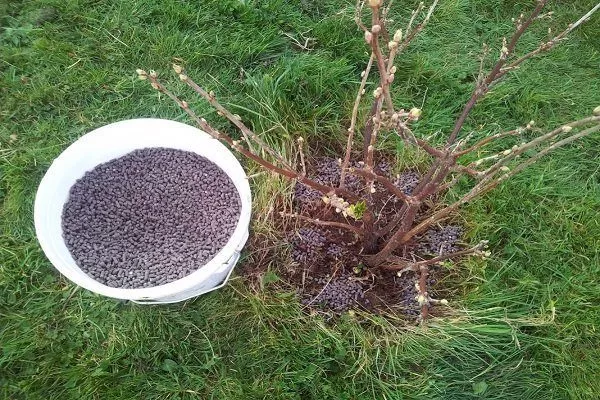
Apply fertilizer to a pre-dug hole 30 cm deep. Then, fill it in and water thoroughly. This will increase yield and minimize disruption to the shrub's growth and development.
Bush structure
In appearance, this is a wide shrub, reaching 1.5 m in height. The crown width is approximately the same. The root collar is 30 cm long and no more than 5 cm wide. In spring, small buds appear on the branches, from which young shoots emerge. Basal branches emerge from buds at the base of the shrub.
In a young plant, the basal shoots grow more vigorously. During the first summer, the green leaves turn brown, the stems dry up by autumn, and shoots emerge the following spring. This forms the base of the shrub. It's important to monitor the annual growth, which ranges from 8 to 30 cm in length, depending on weather conditions.
A young plant 1-3 years old produces fruit intensively. To maintain productivity, prune the gooseberry regularly and trim its crown each season. Pay special attention to the root system, which also produces horizontal shoots. Remove root suckers in early spring.
Bush formation
The bush's shape and crown density depend entirely on the gooseberry's age. Experienced gardeners can tell how old the plant is just by looking at it. General characteristics of the gooseberry's first years are described below.
First year
The first pruning of gooseberries is done when they're still seedlings. When inspecting the seedling, remove all diseased and crooked shoots, and prune the rest back to 3 or 4 buds. The key is to avoid damaging the shoots. Make the cut at an angle, 5 mm higher than the buds. Plant the seedling in open ground, water it, and observe the shoot growth.
Some gardeners are wary of pruning first-year gooseberry bushes, believing that this will damage the root system, disrupt growth, and reduce the gooseberry yield. This is a misconception, as during the first year of growth, the bush develops many stems and the root system strengthens. Gooseberries are particularly resilient.
Second year
At this age, the bush has three two-year-old branches and approximately the same number of one-year-old shoots. Identify up to seven healthy stems growing from the ground and trim them back to a height of 30 cm. Prune the remaining shoots to a height of no more than 20 cm.
Check the root system separately. Remove any horizontal shoots up to 20 cm tall. Otherwise, the growth of strong branches will be stunted, and the shoots will absorb all the water and nutrients from the soil. Disinfect your gardening tools after pruning.
Third year
At this age, the shrub's core consists of 12-18 healthy, strong branches growing from the ground. In reality, there are more shoots, some of which appear randomly, blocking access to light and air.
First, remove any horizontal shoots. With a well-developed root system, there shouldn't be any. The pruning process doesn't end there. Inspect the shrub's branches, removing weak, broken, and diseased ones. Then, trim healthy stems back to 15 cm from the top. This stimulates growth.
Fourth and subsequent years
The plant is considered mature and produces fruit well. Ideally, 15-20 branches of varying ages should remain. To maintain a productive harvest, carefully inspect the gooseberry stems, removing crooked, diseased, and dead branches. Prune out young shoots growing from the roots, and be sure to remove horizontal suckers and stems over 5 years old.
Bush formation methods
More often gooseberries are pruned in autumnThis is explained by the early awakening of the bush in spring. New buds appear on the branches as early as the second half of March, and the first leaves appear 3-4 weeks later. If you decide to prune your gooseberry bush in spring, choose one of the methods suggested below.
The classic way
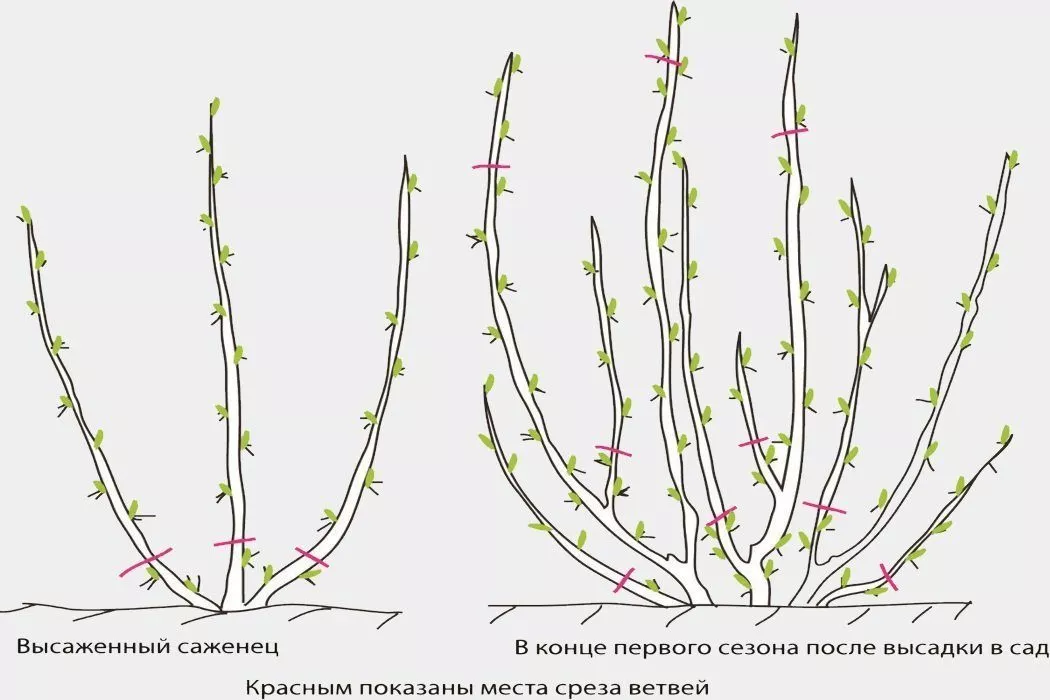
This method can yield a bountiful harvest. This method of pruning gooseberries is the most common, safe for the plant and increases yield. Remove broken, diseased, and dry branches completely, and trim all remaining branches to a length of 15-20 cm from the top. The specifics of the procedure depend on the year of the plant's life:
- 1 year. Completely remove basal shoots; leave up to 5 buds on the pruned branches (no more than 3-4 pieces).
- 2 years.Remove root suckers, leave up to 8 healthy branches, trim a third of the stems if necessary.
- 3-4 years. Remove a third of last year's branches, leaving 3-4 new shoots. The number of branches left after pruning should be no more than 15.
- 5-7 years. Cut off all branches older than 5 years and basal shoots, leaving 20 healthy and strong shoots.
Standard method
In this case, select a healthy central shoot, which is considered the trunk. The branches extending from it are preserved. Remove the remaining shoots using the traditional method. Trim the remaining crown. In this case, the trunk requires support. Use a regular stick and secure it to the base of the gooseberry.
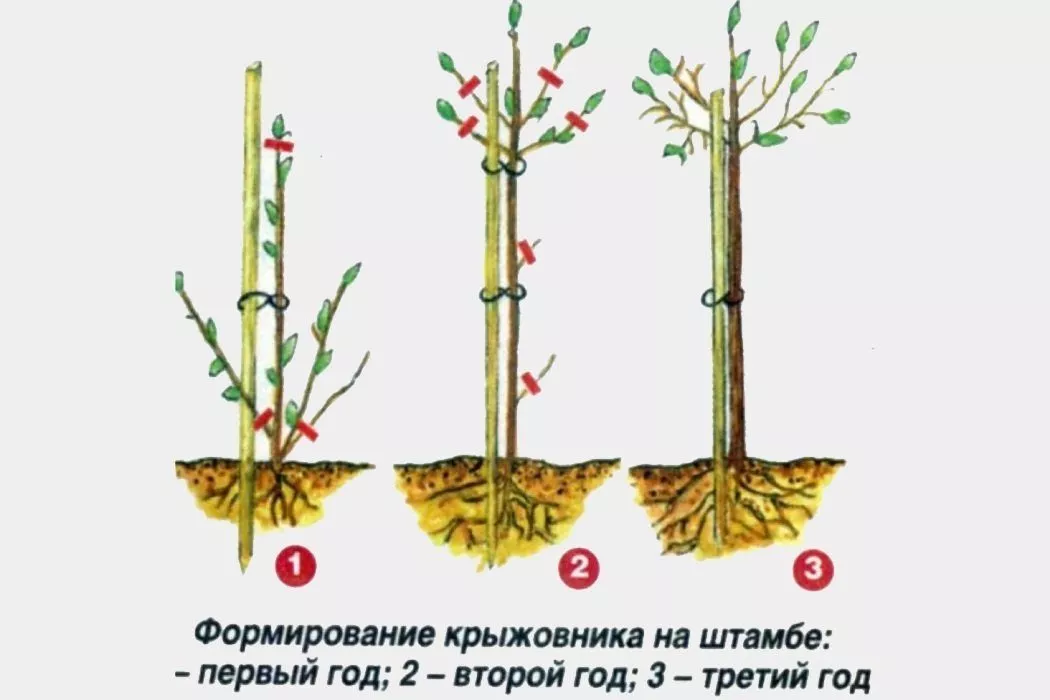
Advantages of the method:
- uniform crown growth;
- the supply of heat and light;
- high yield;
- saving space on the site.
Flaws:
- low frost resistance;
- weak immunity;
- rapid aging of the bush;
- life expectancy up to 12 years.
Trellis method
This pruning method isn't suitable for all gooseberry varieties. It requires plenty of strong, healthy branches, and the creation of a trellis is essential. This method is best used when planting gooseberries:
- Place several stakes in one row, then connect them with wire with a distance of 15 cm between tiers.
- Select 3-5 longest branches on the bush and secure them with wire.
- Remove the root shoots again.
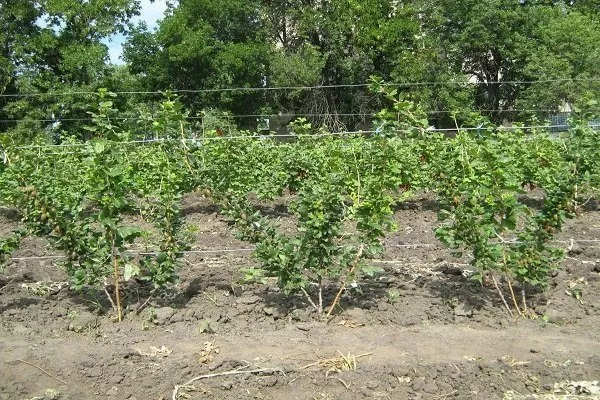
To understand how a gooseberry trellis is used, think about a grape trellis. The principles of use are identical, and the design features are the same.
Rejuvenating pruning
Gooseberry yields decline after five years. The plant requires rejuvenating pruning to restore its decorative appearance and increase fruitfulness. Pruning techniques depend on the age of the bush:
- Up to 10 years. Completely prune out old, deformed, diseased, and dead branches, but no more than a third of the entire plant. Inspect the tips of the remaining stems. If there are any problems, trim them back to the level of the first lateral shoot.
- Over 10 years old. The pruning method is more radical. Remove all branches, leaving only five healthy, strong stems. Trim their tops if necessary. If done correctly, buds and new shoots will appear immediately.
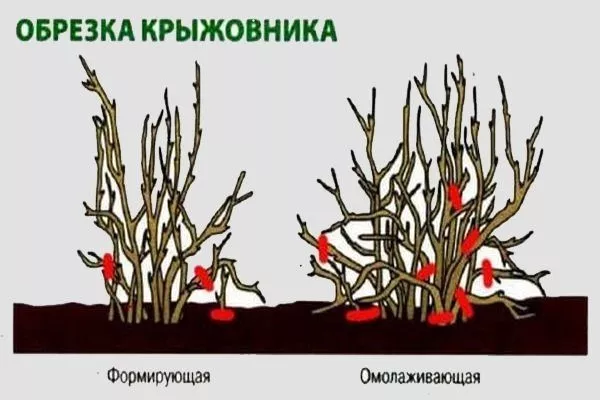
Gooseberry bushes older than 20 years should not be pruned. This can cause the older plant to fail to bear fruit or even die.
Pruning a neglected shrub
Some gardeners ignore overgrown bushes and put off pruning. During this time, the plant suffers and can become diseased. There's a high risk of fungal infection. Delicious and sweet berries are out of the question. The situation can still be salvaged by following these steps:
- Thin out the bushes. Remove horizontal shoots, dead branches, and broken or deformed branches.
- Leave 5 healthy and strong stems, which you also trim back to 15 cm from the top (up to 1 shoot on the side).
- Cover fresh gooseberry cuts with soda varnish.
- Add mineral fertilizer to the open soil near the bush to a depth of 30 cm and water the plant.
- Regularly monitor the plant's growth and prevent the crown from becoming too dense.
You can also learn about the rules for pruning gooseberries in spring from the following video:
Helpful tips
When pruning gooseberries in spring, take advantage of the valuable advice of experienced gardeners. It's not difficult, but it can preserve the bush's beauty and increase its fruitfulness.
Helpful tips:
- Prune the bushes until the first buds appear. If you don't have time, postpone the procedure until autumn.
- Make external cuts, otherwise new shoots will be unsuitable for growth and future yield.
- Remove diseased, broken, and dry branches first, as they absorb all the valuable components necessary for the growth and productivity of gooseberries.
- Remove branches older than 8 years; don't expect them to bear fruit. Berries ripen faster on young stems.
- Carry out rejuvenating pruning gradually, otherwise the plant experiences severe stress, which negatively affects its fruiting.
- Don't break branches. Cut thin shoots with pruning shears and thick ones with loppers. Sharpen all garden tools beforehand.
- Remove annual gooseberry shoots in early spring, and perennial shoots in autumn.
If you have a gooseberry bush in your garden, don't neglect it. With proper pruning, the bush will bear fruit well for years to come, producing tasty, and most importantly, healthy fruits.